The letters between Mother and Daughter span 1939 – 1950, and are now being published every Friday. This is the link to the book –lendarlinggirl.com– and here is an extract from Part Two 3 Life As Medicine. Len, born in Scotland, is working for the Ministry of Supply in Cairo. She is a shorthand typist, and is 21.
Part Two 3: Life As Medicine
“Some of the English girls don’t seem alive at all – they take life as a sort of medicine.” – Vera, a young Russian, quoted by Len, 28 August, 1947.
18 August, 1947. Cairo.
Hello my Darlings,
You’re such a joy to me, for when I hear from you I realise more than ever how much you both mean to me. Your letters are – well it’s almost like talking to you and believe me that’s what I need. 18th of August, one says the date to oneself, thinks of ones longing for ones people and the U.K. and on the other side the need for money and the other things which keep one in this Lotus Land.
I know how you feel about the “10lb look” (apologies to Barrie), but I really do want to lose it and E. is the only person who agrees with me – everyone else says I’m alright and that once plump always plump, which is a fallacy and inspired by lazy defeatists. I do need some one else to want me lose weight too and the incentive of the studio portrait is a help. Also re. dignity, it’s there O.K., you needn’t worry about that and he knows it. After all, I’ve told him to be charming and outwardly he hasn’t taken any offence and really that’s an awful lot more for him to do than me to lose 10lb and put on some nail polish. N’est ce pas?
In his last letter Ernst mentions Canada with quite a lot of keenness, I’m rather glad. He received your letter Mum and told me he was replying in a few days, I expect you have his letter by now.
Buying the house – what’s noo? I want us to have the house, and us all (inc. E) to go to Canada. The house is an asset and why shouldn’t we be ‘men of property’ even if we’re elsewhere. Our schemes are nebulous, but it’s better to have such schemes which can be adapted or suddenly clarify than no scheme at all.
Thanks so much for all your letters, I have them all to 187. It’s grand to get the dough, I’m exchanging some of it with U.K. bound people like Betty Mac who think they’ll find it useful. The Black Market could not be found, so I changed all my dough at the ninety seven and a half touch, found it maddening, but what could I do. (1)
Pat was at Ish at the week-end. (2) As you know I don’t propose going away till Ernst’s birthday at the end of September , so sometime in October I want to go to Ish.
Right now I’m busy collecting addresses in U.K. for everyone seems to be going that way, naturally I’ve given our address, so you’d better prepare for people popping in.
On Sunday after breakfast – which we had about 8.30 I went over to the Stokes. I talked to them for a while, then walked with them across to Gezira – whilst they went on to Wilcox.
Guess who I met in Gezira – Major Wallace. You remember I met him in the Fort William-Glencoe bus in September, 1945 and on the steps of the “Britannia” gangplank for a few minutes on the morning of a riot in February 1946 (3)
He’s a gem of a man and one to whom the adjective charming can be fearlessly applied. I do wish you could meet him Mum, for honest you’d get on together so well. He went into raptures when I said you came from Dornoch. I s’pose I said it in a cold Anglified way and when he repeated it after me, (in rapture) he really rolled it around his tongue and practically made a poem out of the word.
He was telling me his daughter of 18 has just left Roedean (you know, the school) and was starting on a tour of Scotland with her cousin and was also going to the Musical Festival at Edinburgh (the people I know who are going there – lucky so-and-sos – Ethel Wilson, Olga Rundall, co-voyager-out, etc.). (4)
He also told me about her playing the violin, whereupon I said “Oh, was it her picture in the Sphinx”. And it was. (5)
Mr Wallace as he is now took me out of the sun for this conversation and got me one of those gorgeous jugs of shandy. He was telling me that some pals and he have 16,000 acres in Cyprus and export to Britain and all about. As it’s a Crown Colony they have Imperial Preference etc. He told me too of all the car trips all over Europe which he’s done and was giving me various alternative itineraries for hitching home. I was talking to him also of the Summer Isles out from Gruinard Bay in Wester Ross and of Barrie’s “Marie Rose” being centred around one of them. (6)
He’s a pensioned official of the Sun Life Assurance Company of Canada and now acts in a freelance capacity. I just wish I could really get in with his family. I’d be car-ing home then next year if I’d my way. However, he made a most charming companion for a short while.
As I’d had a lot of sun I slept for a little in the Ladies’ Lounge after looking at my French verbs, then went across to Wilcox for tea with the Stokes. It was lovely sitting there under the trees and they insisted I go back to supper with them.
My Digs. Of course I knew snags were bound to arise and they’re arising. The room is excellent and so are the breakfasts. However here are some points of interest, and of complaint, three of them:
1. This morning her clock was wrong and her watch was wrong, – about 20 mins. to half an hour. In consequence I missed the bus.
2. Last night I got in from the Stokes about 11.30 (as you know Mum, early for Cairo). She’d given me a key , but lo and behold although it turned, I couldn’t get in for the door was bolted. Of course she let me in, but this morning suggested I let her know when I was going to be late, I said I didn’t know, where upon she said I could phone her, but I intend doing no such thing, for it’s not as if she’s got to alter meals, my having b&b.
3. The other night she suddenly intimated she wanted her money in advance. I mentioned this in passing to the Stokes. I’ve 50Pt. to pay for this fortnight (i.e. the balance of £5, half of the month’s dough – from 15th to end of the month), and Mr Stokes says I should pay this at the end of the month and tell her she’s getting the rest of the money at the end of each of the month and not in advance. Her argument is that she pays for everything in advance. Mr Stokes says that’s not my worry and they pay everything in advance, but Mr W. pays them at the end of the month. He says too she can’t hold a pistol to my head as they are all desperate for people just now, not like the war years when they had the upper hand. He says I stand to lose a month’s dough and the principle of the thing’s bad.
The Stokes were dears the way they championed my cause unasked and they also said if she says I’ve got to go I can bunk in with them for a while, so I intend to stand firm – wish me luck. I don’t mention all this for sympathy, but because I know it’ll interest you. I t’s part of the growing up process I hadn’t encountered before.
People keep on asking for bulletins about you Mum, they’re not content with knowing you got home safely at all almost want day to day bulletins.
Anything you want from the Musky , as I hope to go down there at the beginning of next month? (7).
I was nearly ill when I read the description of your accident on the DM.(8). Please take care of her Dad. Remember all those lovely plans can mature without money, but one must have ones health, for you can’t fight without that.
Good gracious, is the leopard skin ready all ready? Don’t work too hard at it Mum. Unless I receive your wee slip giving gen on thread I won’t get it on Thursday, for I daresay I’ll be going into town again pretty soon, after that. Thanks so much for your letter of comfort (re. E and me) I feel a new woman. (9)
I don’t mind you telling the people you said you’d tell about my homecoming and am with you in what you say about them – they are nice types. It’s just this dislike of the Reid-Ballantine clan which overwhelms my outlook – sorry. I know how you feel about the announcement angle Mum and can sense you’re feeling of wanting to tell the world we’re doing all right, but just ignore that clan, we don’t alter our behaviour for them. (10). I feel so strongly that E must have a good long holiday (and only hope he does) in our lovely land and that it will do him so much good and take away all that ME (11) tension and you know it’s with this thought in mind and the hope that it’ll be gratified that makes me feel a bit tense myself waiting for the months to slip by, wanting UK, wanting the dough I get out here to save and wanting E and you two all at the same time.
Must close this letter now and get it off – it’s 19th now.
Your own most loving Len xxxx
____________________________________________
1. Len is converting her British sterling to Egyptian Pounds.
2. Ish: Ishmailia, seventy miles to the north east of Cairo, on the west bank of the Suez Canal. Nearby was a RAF camp, which today is used by the Egyptian airforce.
3. From a news report of the time, 21 February, 1946: ‘Riots Erupt in Cairo. British troops in Cairo today opened fire on angry crowds demanding an end to foreign influence. Twelve people are reported to have been killed and over 100 wounded’. There had also been protests in the Suez Canal Zone, beginning in December 1945. The protests reached their peak in Cairo, as reported above, in February, 1946. The Turf Club in Cairo, for instance, was set alight by protestors and eleven members died. British Army casualties during this period have been put at 33 soldiers killed and 69 wounded.
4. This was the first Edinburgh Festival.
5. A Cairo English language paper for the Brits.
6: Unknown to either of them, Gruinard Island, in Gruinard Bay, had been lethally toxic since 1942, and remained toxic until declared safe in 1990. Scientists from the Chemical and Biological Warfare Station at Porton Down, Wiltshire, had released a virulent strain of anthrax on the island, killing sheep that had been tethered. The conclusion was that anthrax bombs dropped on German cities would be very successful, apart from the problem that the cities would remain toxic wastelands for years. Len, in 1949, would be working at Porton Down.
7. Musky: the Arab market quarter. Variant spellings exist. Cecil Beaton in his Near East (1943) spells it Moski.
8. Mum had tripped or fallen and pulled a ligament.
9. This letter of comfort is not in this collection.
10. Mum’s sister Ena was married to Bill Reid. Their brother Dennis was married to Euphemia Ballantine – Aunt Phem. The cause for Len’s dislike of them is unknown. The ‘home coming’ is when Len’s tour of duty in Cairo would be over; the ‘announcement’ is more than just her returning to Scotland – Len and Ernst were engaged.
Photos taken in the former DDR 2000 – 2009, using German cameras made between 1932 and 1959. All photos by Pete Grafton, except where stated.
The Deutsche Demokratische Republik: DDR (German Democratic Republic: GDR), a one party Marxist-Leninist satellite state of the Soviet Union was established on 7 October 1949. It’s guarantee of ‘legitimacy’ was the Soviet Union and the Soviet Army armed forces. These forces were used in 1953 to suppress the protests and industrial actions of DDR workers and farmers protesting against the government imposed working conditions and output expectations. In 1961 the Marxist-Leninist government built the Berlin Wall, and a national boundary concentration camp fence that ran from the Baltic in the north to the Czechoslovakian border in the south to keep their own citizens in. The Stasi, the secret police, meanwhile developed a labyrinth of spying on virtually all the citizens of the Democratic Republic, pressurising, or blackmailing it is estimated, by some, of up to one third of citizens to spy on each other. The collapse of the Democratic Republic, along with the other satellite states (Poland, Czechoslavakia, Hungary) became inevitable when the Soviet Union First Secretary, Gorbachev told (in secret) the First Secretaries of these states that they would no longer be guaranteed the armed intervention of Soviet Union forces to uphold the legitimacy of their regimes.
Summer celebrations leading up to the 40th anniversary of the DDR, 1989. Photo: Harald Hauswald
Four weeks after the 40th anniversary of the founding of the DDR, and with First Secretary Honecker boasting of the improvements that were going to be made to take the Berlin Wall into the 21st Century, the Berlin Wall was breached on 9 November 1989. In the months following, some of the DDR Central Committee hastened to the safety of Moscow, including First Secretary Honecker, who then, with others, followed in the 1945 footsteps of some German National Socialists, and made their way to South America. Following multi-party elections in March 1990, the reunification of the West German Federal Republic and the German Democratic Republic took place in October 1990.
2000
From the train, Hamburg to Berlin, passing through the former DDR
The main railway line between Hamburg and Berlin ran through the DDR and the track was deliberately kept on low maintenance (it was the main link to the Federal Republic ) by the DDR. The station buildings , however, reflected the low maintenance of all buildings in the DDR. In 2000, ten years after reunification, many of the small farmyards viewed from the carriage window still had a DDR built Trabant parked next to the tractor. The former DDR border was not so far east of Hamburg, and a sure sign one had crossed into it was the characteristic low slung national grid electricity pylons, that seemed to only just clear the trees in the meadows and flat farmland. Berlin FC arriving back at Berlin Schönefeld Airport, following a 3 – 1 defeat against Barcelona, March 2000. Berlin FC, a DDR team, almost went under following reunification because of lack of financial support in the new German republic. They clawed their way back and continue to have a strong fan base similar to that of Hamburg’s St.Pauli FC. Berlin Schönefeld was the DDR Berlin airport.
2007
Schwerin in the former DDR is to the east of Hamburg, and is a comfortable day trip away, using the Hamburg Haupbahnhof to Rostock (on the Baltic) train. Online picture searches of Schwerin show photos of the ‘picture book’ palace in its large grounds with the lakes. In 2007, however, away from the Palace – now the administrative centre for the state of Mecklenburg-Vorpomern – Schwerin was a town that architecturally was a striking reminder of pre-war Germany, and the post war DDR. Both eras in March, 2007 were bathed in dust and decay. One or two streets and their buildings in the centre had been spruced up with fresh plaster and repointed brickwork and bright coats of paint, but round the corner, any corner in town was the reminder of a national socialist and Marxist-Leninist socialist imprint. A Federal German 1955 manufactured Agfa medium format camera took the pictures. The train from Hamburg was almost like a ghost train – few passengers. A group of black men (for that is how they identified themselves) from Africa moved through the open compartment, saying to another group (using English as their common language) that there was “more black men” near the front of the train. The got off onto an empty platform in the middle of the flat countryside at a station called Hagenow, 30 km from Schwerin. It seemed to be stranded in the flat countryside, with a lone round brick tower as the only landmark. My curiosity aroused, I saw from the timetable that I could get off at Hagenow on the return to Hamburg, and pick up another train an hour later. When I got off on the returning train there were no signs of the black men. There were no signs of anyone. A goods train passing through Hagenow Bahnhof. The only sign of life. Work in progress: a new underpass at Hagenow Bahnhof, linking the platforms. Note the coiled power cabling. Locked sheds by Hagenow Bahnhof, a few metres across the tracks. A few more metres from here was a road, a quiet road, and some houses, possibly railway worker, or ex- railway worker housing. As I was taking this photograph a man in his eighties passed by on a path, and paused. He liked my camera. He said that he too used to have an Agfa. Given his age, it would have been one from before the war, before the creation of the DDR. “Berlin ruft de Jugend” – “Berlin summons the youth”.
Empty schnapps bottles, Hagenow.
2008
A lot of West German money was being spent renewing and bringing up to date the infrastructure of the former DDR. Wage earning citizens of western Germany were, and are still taxed (2014) towards the costs of this continuing work. Examples obvious to a visitor is the upgrading of the railway network – new stations, track, signalling and rolling stock. This is one of many, many examples. However, even eighteen years after reunification, the physical skin of the old DDR was still everywhere in 2008, including Berlin. Helsingforser Strasse, near the Sunflower Backpacker hostel. Ostkreuz S Bahn station, Berlin. Ostkreuz S Bahn station, Berlin. DDR Weighing Machine, S Bahn, Berlin. The new Berlin Haupbahnhof (Central Station), viewed from near the restored Reichstag – the German parliament since reunification.
2009
DDR design: Lampshade in room, Weimar, June 2009. Open window, Weimar, June 2009. Fly Me to the Moon, Weimar. The new indoor Atrium shopping centre, Weimar. Taken on a 1932 Ikonta, manufactured in nearby Jena. Street scene near the new Atrium indoor shopping centre. Note the tourist landau bottom left of picture. Nationalist Socialist (Nazi) buildings, near the Atrium indoor shopping centre, Weimar. In June 2009 they were being renovated, for a possible use as offices. Although Weimar gave its name to the democratic multi-party German Weimar Republic, 1919 – 1933, it was an early centre of Nationalist Socialist activity and support. Weimar had a special significance for National Socialists because of the association with Schiller and Goethe, symbols of German culture and civilisation. The Hitler Youth movement was started in Weimar, and it is said that in the 1933 elections 50% of the voting population of Weimar supported the National Socialists. The local No.6 bus to Buchenwald from Weimar. Buchenwald, and the site of the concentration camp, is on a wooded hill a few miles to the north of the town. However, like other former regional DDR administrative states, Thuringia, which includes Weimar and Jena and Erfurt, a notable number of voters revealingly support Die Linke (The Left) party since its formation in 2007. Political Party posters in Weimar, June 2009. “No Nazis in Weimar”. Poster in the centre of Weimar, June 2009.
The vote for the Left Party, in both elections to the European Parliament and legislative elections within the German federation in 2009 showed a striking split between the former West Germany and East Germany.
“The party was founded in 2007 as the merger of the post-communist Party of Democratic Socialism (PDS), successor to the Socialist Unity Party of Germany (SED) that ruled East Germany until 1989, and the Electoral Alternative for Labour and Social Justice (WASG), a left-wing breakaway from the Social Democratic Party of Germany (SPD).” – Wikipedia
Within the former East Germany there is still a discussion amongst a significant number of people about the kind of society that they want. Many are unhappy about a society based on profit as a gaol and competitiveness. Many (and not just some of the older generation) value aspects of a socialist society with its equitable goals. There was a discussion in 1989 and 1990 within some of the community in eastern Germany that the former DDR should remain separate from the West German Federal Republic, and establish its own multi-party democratic state.
In Thuringia in the Legislative Elections of 2009 the results were: Christian Democrats 31.2%; Social Democrats 17.6%; Liberals (Right wing free market) 9.8%; Greens 6% and the Left Party 28.8%.
20 years after the Berlin Wall was breached the striking difference in support for the Left Party in the 2009 elections between the former Federal West and DDR East is shown in results such as these, from a sample of former DDR local regions, compared with a sample of former West German Federal Republic regions:
2009
Former DDR
Thuringia 28.8%; Mecklenburg-Western Pomerania 29%; Berlin 20.5%; Saxony 24.5%
Former West German Federal Republic
Bavaria 6.5%; Schleswig-Holstein 7.9%; Hamburg 11.2%
In 2013 the appeal of Die Linke (The Left) in the former DDR was, on the whole, only slightly less. It is difficult to know whether the slight dip reflects an ageing population dying in eastern Germany, or whether there were other factors at work.
2013
Former DDR
Thuringia 23.4%; Mecklenburg-Western Pomerania 21.5%; Berlin 18.5%; Saxony 20.0%
Former West German Federal Republic
Bavaria 3.8%; Schleswig-Holstein 5.2%; Hamburg 8.8%
At a Garden Party in Weimar in June 2009 these were some of the issues talked about, along with a resentment, from some, that salaries for teachers, in eastern Germany were less than teachers in western Germany. This was a reflection of the occasional tensions that occur between Ossis and Wessis. (‘Easties’ and ‘Westies’) Jena, to the east of Weimar is home to Carl Zeiss, manufacturers of cameras, lenses and optical equipment. Of the former DDR towns and cities I visited since 2000, it was in the summer of 2009 the one that seemed – superficially to a visitor – the one that was the most vibrant.
There were still reminders of the former DDR – a Trabant parked in Carl Zeiss Place, and the monolithic buildings, but there was a freshness too.
photo on display: Harald Hauswald
Carl Zeiss optical innovators and manufacturers has been in Jena since the nineteenth century. During the economically depressed 1920’s it merged with and absorbed other German optical and camera manufacturers to become Zeiss Ikon. It already had world leading camera lenses such as the Zeiss Tessar lens, and their lenses were fitted on the medium format Rolleiflex cameras. In the late 1930’s they introduced the Contax rangefinder camera that many argued was a better camera with a better lens than the Leica rangefinder. (There were reliability problems, due to complex engineering, though).
After the war Jena like the rest of Eastern Germany came under Soviet control and industrial plant throughout the Soviet zone was dismantled and sent back to the USSR, including manufacturing capacity at Zeiss Ikon. Carl Zeiss with some of its technicians established itself in the south west of Germany, in the Federal Republic. But in Eastern Germany Carl Zeiss Jena remained, and the quality lens and the cameras that it started to produce again, and develop, were a valuable and desperately needed hard currency export for the DDR. Unlike most other DDR manufactured products Carl Zeiss Jena cameras – which included the Werra and then the Praktica range, amongst others – were well put together.
When I walked out of the Jena railway station in the summer of 2009 a taxi driver in the stance across the road spotted my Werra and shouted across “Is that a Werra?” “Naturally”, I replied, and he beamed back. Since reunification Carl Zeiss has also reunited, manufacturing photographic lenses, optical lenses, specialist glass and other products, either as Carl Zeiss, Jenoptic or Schott AG.
photo on display: Harald Hauswaldphotos on display: Harald Hauswald
photos on display: Harald Hauswald
June, 2009, the Goethe Gallery, Jena: Exhibition of photos by Harald Hauswald, taken from his book Seitenwechsel, published by Aufbau Verlag. (Roughly translated: Seitenwechsel = Changeover)
“Switzerland is a special and fascinating place. Its unique institutions, its direct democracy, multi-member executives, absence of strikes, communal autonomy, its universal military service, its wealth, and four national languages make it interesting in itself. But it has a wider significance, in representing the ‘Europe that did not happen’, the Europe that escaped the centralisation of state and economy associated with the modern world. Today there is a new special feature. Switzerland is an island surrounded by the European Union and resists membership.” – from Why Switzerland?, Jonathan Steinberg, Cambridge University Press.
FASS-90, Swiss made.
“You don’t see where the problem is when every male citizen who has been in the army has an assault rifle (FASS-90) under his bed.” (see You Know You’re Swiss When… below)
Swiss politician corners electorate Photo Pete Grafton
Swiss Facts
Eight million people, 23% of which are “resident foreigners”, a third of this group having Swiss citizenship. A Federal Government, with 26 self-governing cantons, and a seven member cabinet, representing different political parties and a rotating President. Four spoken languages: 63.6 % German; 19.2% French; 7.5% Italian and Romansch 0.6% (40,000 people), plus 8.9 “other languages”. (1990 Census). Those who believe in a God: 38.4% Roman Catholic; 52.8% Protestant; 0.88% Jewish Faith, Hindu and Moslem.
Pinned to a wall in a Lausanne backpacker hostel, some years ago, was the following witty list:
You know you’re Swiss when…
1. You complain if your bus/train,tram is more than five minutes late. Make that 1 minute.
Commuters for Interlaken on the Wengen – Lauterbrunnen cogwheel train, (change at Lauterbrunnen for Interlaken). Photo Elspeth Wight
2. You’ve ever been confused with a Swede.
3. You laugh when Americans believe that Swiss Miss is a Swiss product, but then have no clue that Néstle and Rolex ARE.
4. You get frustrated if you go grocery shopping abroad and there aren’t at least 10 different kinds of chocolate and 15 kinds of cheese available.
5. You have learned three to four languages and think this is completely normal.
6. You have been asked – upon stating your nationality – whether you live in the mountains and whether you can yodel.
7. You can pronounce Chuchichäschtli and you know what it means. (1)
8. You have ever been asked who the President of Switzerland is and then failed miserably trying to explain why you’ve lost track.
Bern, the Federal Capital of Switzerland. Photo Pete Grafton
9. You know what Röschti are and you have crossed the Röschtigrabe at some point. (2)
10. You went to a state-funded ski camp every year with your class mates in high school.
11. To you, skis are like the extensions of your feet, because you’ve skied since you could walk.
12. You are amused when people ask you what language is spoken in your home country and/or you have to explain that “Swiss” is not a language, that there are four national languages and none of them is called “Swiss”!
13. You owned a Swatch growing up… or still do.
14. You’ve even seen Sandmännchen dubbed into Romansch. (3)
15. As a female, you give all your friends three kisses on the cheek as a greeting…
16. You love Migros and you swear that some of their products are better than anything you’ve ever seen elsewhere. (4)
17. You’ve ever been asked by your non-Swiss friends to intervene in a fight and used “Hey, I’m Swiss” as an excuse not to.
18. Your country has six different public television channels in three different languages – and you don’t think this is unusual.
19. You get amused when you see Swiss German people being subtitled on German television. (5)
20. You firmly believe it is more important to do things accurately than do them quickly.
21. You were legally allowed to drink beer and wine at the age of sixteen.
22. You walked to kindergarten without supervision, wearing a large orange triangle around your neck.
23. You think it’s normal that everyone has a bunker underneath their house, or is registered for one of the public bunkers under the school building, for emergency situations. By the way, here’s a fun thing to do: invite over some of your foreign friends (Americans make very good candidates) and take a picture of the look on their face when they SEE the bunker. Priceless!!!!!
24. When being asked to explain how certain things work in your country, you have to use the phrase “it differs for each canton, so…”
25. You are asked to vote on a “Referendum” or “Initiative” at least 6 or 7 times a year.
Geneva Photo Pete GraftonGeneva Photo Pete Grafton
26. You are used to drinking water from any public fountain in the street unless there is a warning sign that says “No drinking water”.
Fountain, Bern. Photo Pete Grafton
27. You grew up believing all cows must wear bells.
Happy Cow Photo Pete Grafton
28. You think driving somewhere for four hours is a hell of a long time.
29. You get slightly irritated or at least confused if your foreign visitors ask to see a chocolate factory.
30. You don’t see where the problem is when every male citizen who has been in the army has an assault rifle (FASS-90) under his bed.
FASS-90, Swiss made.
31. You know what Betty Bossi books and products are and have bought one. (6)
Betty Bossi book
32. You know someone that collects the tin foil lids from coffee cream tubs.
Wood store. Everything is saved and used in Switzerland. Photo Elspeth Wight
33. You have to pay twice the prices for museum entries because you’re not a citizen of the EU, although you live in Europe.
34. You are in a non-European country and can hear people talking Swiss German and just go up and strike up a conversation with a complete stranger.
35. No matter how much of a “bad-ass” you think you are, you will still pick up your candy wrapper off the floor if an old lady asks you to.
36. You think everything is cheap abroad compared to Swiss prices!
Some More Photos
Vevey Photo: Pete GraftonLausanne. Photo Pete GraftonThe path to Murren Photo Pete GraftonChess in the Park, Geneva. Statues of John Calvin and John Knox are in this park. Photo Pete GraftonBasel Photo Pete Grafton1950s picnic sign, Jura. Photo Pete GraftonGeneva. Photo Pete GraftonRed Cross Museum, Geneva. Photo Pete Grafton
The Red Cross and the Geneva Conventions on warfare started in Geneva in the mid nineteenth century. They flowed from the stimulation caused by the publication of Geneva born Jean-Henry Dunant’s A Memory of Solferino, an eye witness account of the aftermath of the battle of Solferino, June, 1858 , when thousands of soldiers of both sides were left dying or wounded unattended in the aftermath. The battle was fought between French and Sardinian armies against the Austrian army near Solferino on the Italian mainland. The arguments, in his self-published book, for the care of the wounded and dying, and for introducing conventions in warfare, were initially championed by a group in Geneva. As the momentum developed the Swiss Federal Government hosted a congress that led to the first Geneva Convention on Warfare being ratified, on 22 August, 1864.
Photo Pete GraftonPhoto Pete Grafton
The Swiss Federal Council
“The Federal Council is the seven member executive council which constitutes the federal government of Switzerland and serves as the Swiss collective head of state. While the entire council is responsible for leading the federal administration of Switzerland, each councillor heads one of the seven federal executive departments” – Wikipedia
The Swiss Federal Council, 2014
The Swiss Federal Council 2014, left to right: Johann Schneider-Ammann, FDP Liberals, Dept. Economic Affairs, Education & Research. Eveline Widmer-Schlumpf, Conservative Democrats, Dept. of Finance. Simonetta Sommaruga, Social Democrats, Vice President for 2014, Dept. of Justice and Police.Didier Burkhalter, FDP Liberals President for 2014 & Dept. of Foreign Affairs, Doris Leuthard, Christian Democrats, Dept. of Transport, Energy & Communications. Ueli Maurer, Swiss People’s Party, Dept. of Defence, Civil Protection & Sports. Alain Berset, Social Democrats, Dept of Home Affairs. Federal Chancellor Corina Casanova.
Political Enemies of Direct Democracy
Historically
LeninStalinMussoliniHitlerMao
Presently, within the United Kingdom, amongst many, many others….
Lord KinnockLord Mandelson
IN? OUT? Shake it all About…
A British opinion poll in November 2012 revealed that 56% of those polled wanted the United Kingdom to leave the European Union, 30% wanted to stay, and 14% who were undecided. In a March, 2001 Swiss referendum, 76.8% of those voting rejected applying for membership of the European Union. However there does remain a minority in favour of full membership, including both the Swiss Social Democrats and Swiss Green Party. Meanwhile, surrounded by the European Union, unelected Commissioners in Brussels periodically bluster, and bully the Swiss Federation.
With the Conservative Party leadership rattled by such polls, and the growing electoral support for the United Kingdom Independence Party, the Conservative Party has promised a referendum on continuing European Union membership should they win the 2015 British General Election. The promise is based on Conservative leader Cameron re-negotiating aspects of Britain’s membership with Brussels, and then going to the electorate with an In – Out referendum on the outcome of the renegotiations. At the time of writing, (March 2014) the Labour Party and Liberal Democrat Party policy is to oppose offering a referendum.
Labour Milliband: No ReferendumLiberal Democrat Clegg: No referendum
The mechanism for creating the referendum was for Conservative backbencher James Whitton to introduce a Private Members Bill, based on the Conservative Party draft EU referendum bill. It went through the House of Commons, and then was debated in the unelected House of Lords. There were two ‘readings’ (debates) in the House of Lords, the second on 10 January, 2014. What follows are some of the press reported quotes of those unelected “Lords” opposed to the proposed referendum.
“Peers have been accused of showing contempt for British voters over the proposed EU referendum, saying the public cannot be trusted to make the right decision.”
Lord Mandelson
“Lord Mandelson, the former EU Commissioner, said any vote would be a ‘lottery’ in which the electorate would be swayed by irrelevant issues…’We should be very wary of putting our membership in the hands of a lottery in which we have no idea what factors, completely unrelated to Europe, will affect the outcome.’
Lord Kinnock
“Lord Kinnock, a former Labour leader and European Commissioner, said the referendum was a ‘lame gesture’ in response to the daily drum of the unyielding Europhobes.”
Lord Oakeshott
“Lord Oakeshott, Liberal Democrat, said there is ‘no need’ for the Bill because voters can have their say in the 2015 General Election. Referenda are a ‘cowards wayout’ for politicians who don’t want to make decisions.’ “
Baron Thomas of Swynnerton
Baron Thomas of Swynnerton (aka Hugh Thomas, historian and academic) said that referendums were alien to British philosophy. ‘Parliament makes decisions, not people’ he said, quoting the former Labour Prime Minister James Callaghan.
Gripen fighter aircraft. Photo copyright: Anders Zeilon
Four days later the Swiss online edition of The Local (14 January, 2014) ran a story that would have flabbergasted most of Britain’s professional ‘democratic’ politicians – whose unstated motto is “I trust myself, but not those who elected me” The following story would have caused them palpitations. Think of the implications in a British context.
“May referendum looms on Gripen plane deal”
The Swiss public could vote as early as May on a deal to buy 22 fighter planes from Sweden after opponents on Tuesday submitted over 100,000 signatures seeking a referendum
The goal of the campaigners is to block the purchase of the Gripen fighters, which would cost the mountain country 3.13 billion francs ($3.47 billion). Under Switzerland’s system of direct democracy, citizens can have the last word on a huge array of issues if campaigners muster enough signatures from voters in order to force a plebiscite. Polls have shown that a majority of voters oppose the Gripen deal. Approved by the government in 2011 and backed by parliament last year, it cannot be blocked as such. But opponents have been able to contest the law that allows the purchase to be funded by drawing an annual 300 million francs from the army’s budget over ten years. The coalition campaigning against the deal is steered by the left-leaning Socialists and Greens, as well as anti-militarists, but also includes economic liberals opposed to the price tag. The opponents also argue that the model of Gripen chosen by the authorities only exists on paper, as its maker, Sweden’s Saab, is still developing it. Last month, Saab’s Gripen beat the Rafale, made by France’s Dassault, and the F/A 18 Super Hornet built by US company McDonnell Douglas in the race to sell 36 planes to Brazil. The estimated value of the Brazil deal is $5 billion.
The air force of neutral Switzerland currently has 32 Super Hornets in service, purchased in 1996.
There are currently 166 Gripen fighters in service globally, with 100 in Sweden, 26 in South Africa, 14 each in the Czech Republic and Hungary, and 12 in Thailand, according to Saab.”
And Then………
Bern cancels Swedish fighter-jet air show
The Swiss government’s eagerness to avoid graft accusations could explain why Switzerland cancelled Swedish fighter jets taking part in an air show, reports from Stockholm said on Tuesday.
Sources told Sveriges Radio (SR) that the Swedish participation had been cancelled because the Swiss government did not want to be accused of trying to sway public opinion in favour of the Jas Gripen.
The government is facing a citizens-initiative referendum that will have final say over whether the country should buy the Swedish jets.
Saab headquarters in Sweden told SR that the company was not engaging in any marketing activities in Switzerland whatsoever ahead of the plebiscite, which is scheduled for May.
And the Outcome……..
Voters shoot down Swedish fighter jet deal Published: 18 May 2014 18:41 GMT+02:00
The Swiss allowed a multi-billion-dollar deal to buy fighter jets from Sweden to crash and burn Sunday, when a majority turned out to nix funding for the purchase.
Swiss reject world’s highest minimum wage (18 May 14) New Swede named to Bern amid Gripen flap (30 Apr 14) Defence minister under fire for ‘sexist’ speeches (28 Apr 14) Critics charge Gripen jet costs could triple (31 Mar 14) In all, 53.4 percent of voters balked at releasing the 3.1 billion francs ($3.5 billion) needed to purchase the 22 planes from Sweden’s Saab, according to official referendum results.
Polls ahead of the referendum predicted that voters would turn down the government plan, which called for the new fighter jets to replace the Swiss Air Force’s ageing fleet of 54 F-5 Tiger aircraft to defend Switzerland’s air space.
Citizens from French-speaking Switzerland were the biggest opponents of the deal.
Voters in Neuchâtel, for example, voted 69 percent against, while those from Geneva, 67 percent.
Almost 55 percent voted against the Swedish jets in the Italian-speaking canton of Ticino.
Support for the planes was strongest in German-speaking cantons, but a majority opposed their purchase in Zurich (51.4 percent) and Basel City (67.7 percent).
Another example – reported in the Swiss 26 February 2014 edition of The Local – of the referendums that occur in the Swiss Federation was the following:
“Swiss to vote on world’s highest minimum wage”
A proposed minimum wage of 22 francs an hour ($24.80) would have a damaging effect on Switzerland’s job market, says Swiss economics minister Johann Schneider-Ammann, as voters prepare to decide
Schneider-Ammann launched a campaign on Tuesday objecting to the proposal, which will be put to Swiss voters in a referendum on May 18th. Switzerland does not currently have a national minimum wage.
If the plan is approved, Switzerland’s lowest hourly salary will exceed that of current record holder Australia by more than ten US dollars. Australian workers are entitled to A$16.37 per hour ($14.67).
The UK’s minimum hourly wage is £6.31 ($10.55), while Germany recently agreed a €8.50 ($11.69) minimum from 2017. The current US rate is $7.25.
Speaking at a media conference reported by Reuters, Schneider-Ammann said: “The government is convinced it would be wrong for the state to impose a nationwide wage.”
“A minimum wage of 4,000 francs could lead to job cuts and even threaten the existence of smaller companies, notably in retail, catering, agriculture and housekeeping.”
“If jobs are being cut, the weakest suffer most,” he said.
In an interview with newspaper Tribune de Genève, Philippe Leuba, economics minister for canton Vaud, agreed.
Bringing in a minimum wage would compound the problems created by the recent anti-immigration yes vote, he said.
“Don’t forget that one franc in two is earned through exports. Our standard of living depends on our ability to export and if we fail to maintain relations with the EU there will be considerable difficulties for the economy, for salaries, for jobs and for apprenticeships. So let’s not multiply our mistakes by saying yes to a minimum wage.”
In November, Neuchâtel became the first Swiss canton to propose a minimum wage of 20 francs ($21.75), to come into effect in 2015, after residents voted to accept the principle.”
Decentralisation, Direct Democracy and Anarchism
As a historian, Hugh Thomas (aka Baron Thomas of Swynnerton) wrote one of the earliest standard works on the Spanish Civil War, a well regarded book that was seen as a well-balanced presentation. This is quite a feat as the Spanish Civil War still arouses strong viewpoints, as what happened, and what the outcomes were, are still pertinent to how societies organise themselves, politically, economically, socially and militarily. No historian dealing with the Spanish Civil War can avoid dealing with one major element of that War: the decentralist, communal anarchist inspired revolutionary events on the mass scale that occurred. In the areas where they had mass support: the appropriation and communal organising of the land, and factories (particularly in Barcelona), the sexual politics – encompassing the freeing arrangements of looser marriages and abortion rights, a progressive education approach and the organisation of their FAI/CNT militias were unique in the history of Western Europe. Nothing like it had happened on this scale before, nor has happened since. It is a credit that Hugh Thomas stuck to impartiality when writing his The Spanish Civil War, given that he may have been hostile to the egalitarian anarchist ideal, and frustrated at its lack of military effectiveness on the campaign front.
The other Western European country that had significant numbers of believers in the de-centralist anarchist ideas of how societies should be organised was Switzerland between the mid nineteenth century, through to the early twentieth century. There were various groups – in Geneva, for instance – but the Swiss watchmakers in the Jura region were the significant body. They fascinated the Russian anarchist theoretician Prince Kropotkin, who like his fellow anarchist Bakunin, was also a political refugee in Switzerland from Tsarist Russia. He visited them in 1871 to find out more about them.
Switzerland was a noted haven, besides Britain, during the mid to late nineteenth century for political refugees. The British periodical The Spectator noted this, in a 8th August, 1885 edition:
“SINCE the time when the English regicides found a safe asylum at Vevey, Switzerland has always extended a generous hospitality to the political waifs and strays of neigh- bouring nations. Whether the refugee be a princely Pretender with views inimical to the welfare of France, a German Minister fleeing from the wrath of Bismarck, a Communard, red- handed from a murderous conflict in the streets of Paris, or a Russian Revolutionist with a price on his head, he may count an a quiet life and freedom from molestation on the sole condition of respecting the laws of the land and refraining from acts which might embroil the Confederation with foreign Powers.”
Not So, Orson
The Swiss Confederation has a set of prejudices against it and about it, just as all nations have, but it is remarkable that the prejudices about them and false observations are so wide of the mark – even by the normal Richter scale of misinformed prejudice.
Orson Welles as Harry Lime in “The Third Man”
In trying to weasel his way out of any condemnation of his immoral trade in fatally diluted penicillin Harry Lime says to his former friend Holly Martins (played by Joseph Cotton)
“In Italy for thirty years under the Borgias they had warfare, terror, murder, and bloodshed, but they produced Michelangelo, Leonardo da Vinci, and the Renaissance. In Switzerland they had brotherly love – they had 500 years of democracy and peace, and what did that produce? The cuckoo clock. “
Er, not so Orson. (Orson Wells claims he added these lines himself, to the Graham Greene Third Man screenplay). A stable peace within the Swiss Federation did not arrive until the mid nineteenth century. In addition, at the time of the Borgias in Italy, Switzerland was reckoned to be the most powerful and feared military force in Europe, according to some historians.
Italy, at the time of the Borgias (approximately 1455 – 1503) gave the world Machiavelli, who lived in a similar time period as Calvin. And Machiavelli’s contribution to the development of a democratic society? Many of his Machiavellian followers, even if they are unaware of, or have never read his The Prince, crowd out the parliaments of ‘democratic’ countries. Some of the British variety have recently been de-selected, expelled or imprisoned for massively falsifying their expenses claims.
It could be argued that the French Protestant John Calvin, who was a religious refugee to Switzerland, and eventually built up a large following and influence from Geneva (where he died in 1564 and whose lying in state was crowded out) had a historically massive effect in the development of what became humanistic rationalism (even if he wouldn’t have approved of it). And like the German protestant Luther, the sovereignty of individual human conscience, alongside non-hierarchical religious assemblies were central to his beliefs. These elements, in a secular world, became part of the progress to a more humane and democratic ethos to aspire to and live by.
And cuckoo clocks? Really Orson, Switzerland would not have one of the highest per capita incomes in the world if it depended on the export of cuckoo clocks (which are, incidentally, mostly made in German Bavaria). Chemicals, pharmaceuticals, micro-engineering and the conservation and imaginative use of their resources are just some reasons why this is so.
Why Switzerland? by Jonathan Steinberg. Published by Cambridge University Press
For those interested in developing genuine political democracy the question is simple: Why not Switzerland? Why not the Swiss model?
And why Social Democratic Parties, and the Green Parties are – beneath the ‘progressive’ sheen – inherently dictatorial and anti-democratic (like the forces they criticise) is another story, and another Post.
p.s. The Latest from Switzerland
“Swiss seem happiest with their lives: OECD”
Published: 18 Mar 2014 23:28 GMT+01:00
Updated: 18 Mar 2014 23:28 GMT+01:00
Swiss residents live longer than those in any other country in the Organization for Economic Co-operation and Development (OECD) and have the highest level of life satisfaction among the group’s 34 members, a new report says.
Residents in Switzerland have an average life expectancy of 82.8, compared with the OECD average of 80.1, says the Society at a Glance 2014 report of OECD social indicators.
According to its data, the mountain country is also the place where people “seem most satisfied with their lives”, compared to other OECD nations.
“When asked to rate their general satisfaction with life on a scale from 0 to 10, the Swiss recorded a 7.8, much higher than the OECD average of 6.6,” the report said.
Overall, the report gives Switzerland high marks for avoiding the social problems faced by many developed countries in the wake of the 2007-08 financial and economic crisis.
“In no other country is a smaller share of the population (around four percent) reporting that they cannot afford to buy enough food,” it says.
The report highlights the country’s low fertility rate of 1.52 children per woman as one of its challenges.
This is below the OECD average of 1.7 and well beneath the “demographic replacement rate” of 2.1 needed to avoid population shrinkage.
Switzerland has been offsetting its low native birth rate by admitting more immigrants.
The report notes that more than a quarter of Swiss residents are foreign born, more than double the OECD average.
Among other findings of the report:
— Public social spending at 18.9 percent of GDP in Switzerland is lower than the OECD average of 21.9 percent
— Health expenditures, averaging $5,600 per capita, are exceeded only by the US and Norway
— Swiss annual disposable income ranks among the highest in the OECD but the ratio between the average income of the richest and the poorest residents is seven, compared to an OECD average of 9.5 percent.
1. Chuchichäschtli: classic Swiss German, meaning “kitchen cupboard”.
2. Röschti: a fried potato dish, a Swiss German favourite. Röschtigrabe: a humorous term to describe the ‘divide’ between German speaking Switzerland and French speaking Switzerland.
3. Sandmännchen: “Sandman”, a popular children’s TV programme, particularly, but not exclusively, throughout German speaking Europe. Although there was a West German produced series, it is the former East German series that is the most popular, and continues to be watched, including by Le Patron’s enklekinder – grandchildren – when younger.
4. Food supermarket.
5. Schwyzerdütsch – Swiss German has its own grammar and many different words, but it is particularly the soft pronunciation and the almost Scandavnavian ‘sing-song’ intonation that foxes most people when heard for the first time, when trying to identify the country of the speaker.
6. Switzerland’s favourite series of cook books.
Sources and Links (highlighted)
Why Switzerland, Jonathan Steinberg, Cambridge University Press.
Photos Copyrighted where stated. Photos by Pete Grafton and Elspeth Wight: free dissemination with photographer credit for non-commercial use. For commercial use, contact Le Patron.
George Orwell, writing in the left of centre British weekly Tribune, October 1945, thirteen weeks after the atom bomb was dropped on Hiroshima speculated that it was likely the world would be blown to bits by atom bombs within five years. (1)
Five years on from writing that, the war between communist North Korea and non-communist South Korea was into its fourth month, at a time that the USSR had already exploded its own atomic bomb, on 29 August, 1949. George Orwell died from tuberculosis on 21 January 1950, before the period of his prophecy had expired.
The dread of an apocalyptic end to human life was tangible for many people – with the images of Hiroshima and Nagasaki as much a visual horror of where “Mankind” had arrived at in the mid twentieth century, as the photos of the piles of concentration camp corpses, semi-burnt human remains in ovens, and skeletal humans staring out from barbed wire fencing.
The fear of nuclear destruction affected a school boy acquaintance of Le Patron in the early 1950’s, who repeatedly would run away from school to be with his mother in London in case the Bomb dropped. A police car would always bring him back. The school Le Patron attended boarded many London boys from the likes of Bermondsey, from what in those days were called “troubled backgrounds”. They were sent out by the London County Council to the Essex countryside on the perennially unproven belief that plenty of fresh country air was therapeutically beneficial for such children.
Such was the fear and concern about the possibility of a devastating nuclear war that in Britain the Campaign for Nuclear Disarmament was formed in 1958 with the hope of persuading the British Government of unilaterally disarming its nuclear weapons. Historically it was the largest such campaign against nuclear weapons of any nation where protest and opposition was allowed.
The newsworthy manifestation of CND’s campaign was the annual Aldermaston to London March over the Easter weekend. Aldermaston was a small village in the Berkshire countryside. In 1962 the former 2nd World War aerodrome RAF Aldermaston housed the Government Atomic Weapons Research Establishment. The march, besides highlighting opposition to the British atomic weapons, also gave those walking along the A4 a sense of solidarity with others from all over Great Britain campaigning for the same objective. It was also a good opportunity, too, for various campaign and pressure groups to distribute their leaflets to the thousands walking the 45 miles to London. The number of people marching peaked at around 150,000 in both 1962 and 1963.
Aldermaston March, 1962 Photo: Pete Grafton
The Aldermaston March was newsworthy for the News of the World who would titillate their readers in their Easter Sunday edition with stories of alleged sexual shenanigans in the overnight accommodation of the marchers.
Aldermaston March, 1962. Photo: Pete GraftonAldermaston March, 1962. Photo: Pete Grafton
Less newsworthy, seemingly, were the threats of attacks by British Union of Fascists on overnight accommodation venues.
Aldermaston March conclusion: London Hyde Park, 1962. Photo: Pete Grafton
Frustration within some of the nuclear disarmament movement with the polite, and as they saw it, ineffective approach of CND led to the formation of the Committee of 100, who promoted mass non-violent sit down protests, which led to hundreds being arrested and six of their number prosecuted under the Official Secrets Act. In turn, there were those within the Committee of 100 who came to feel that mass sit-downs and passive resistance was also ineffective, and some argued their case in the pamphlet with the memorable title Beyond Counting Arses. Some, calling themselves Spies for Peace took direct action to encompass blowing the lid off the State’s secret preparation for military and civil control over what bits of the United kingdom would be left after a nuclear attack – presumably contaminated bits of the Highlands, the Pennines, central Wales and bits of the moors of the Bodmin, Dart and Ex. They did this in their Good Friday, 1963 released pamphlet Danger! Official Secret RSG-6, and by simultaneously staging a protest during the 1963 Aldermaston march at the bunker RSG-6, just off the A4.
Extract from “Danger! Official Secret RSG-6”
Others bravely took their opposition to Moscow with an unauthorised sit-down protest in Red Square against the Soviet ‘Workers’ Bomb (hurriedly suppressed of course).
The brilliant 1960 Beyond the Fringe sketch Civil War summed up the lunacy of atomic weapons and notions of survival following an atomic attack. A member of the public, Dudley Moore, in a pre ‘Pete and Dud’ voice asks the Government Civil Defence panel “Following the nuclear holocaust can you tell me when normal services would be resumed?” Jonathan Miller responds with a plum voice ” Very fair question. Following Armageddon we do hope to have normal public services working fairly smoothly… I think in all fairness I ought to point out… it will be something in the nature of a skeleton service.” Meanwhile, and not a satirical sketch, a Church of England Bishop was seen on newsreel blessing a new formation of atomic bomb equipped “V” bombers at a RAF base in East Anglia. The gruesome surrealness didn’t stop there either. It was said that the pilots of these V bombers wore an eyepatch, so that when they got blinded in their good eye by the brightness of the atomic burst from the bomb they had dropped over Minsk they could whip off the patch and pilot the crate back to Blighty with the remaining good eye. That’s assuming their handlebar mustaches hadn’t caught on fire, or that their fuel tanks hadn’t run dry. (There were question marks, it was said, about the flying range of these planes). Incidentally, they were latterly used to immobilise the landing strip at Port Stanley using conventional bombs, during the Falklands War, and seemingly cocked it up by poor bomb aiming, but did instantly create an adjacent golf course with plenty of bunkers.
History of The British bomb
Although many local CND group office bearers were largely drawn from the local ward Labour Party membership, and although there had been a transitory moment of triumph in the campaign for unilateral disarmament at the 1960 Labour Party conference at Scarborough, when a motion favouring unilateral atomic disarmament was narrowly carried, (tactical rather than ethical Trade Union block votes, to destabilise New Labour fore-runner Hugh Gaitskell, was why it scraped through, and it was never adopted as policy) the fact is that not only has the Labour Party always supported the British Bomb, but it was the Labour Party that secretly started the British Bomb.
Labour Party Bomb, Montebello Islands, Western Australia, October, 1952
Unknown to the post-Second World War British Parliament, or to all members of the Labour Government Cabinet, Major Clement Attlee had started the programme to build an independent British nuclear bomb in January 1947. The estimated costs were around £40 million, at a time when Britain was close to being bankrupt, and was already committed to repaying the United States for war loans, including the Lend-Lease loan. Rationing of food had become brutal. Bread, never rationed during the war, was rationed in post-war peacetime. The German Nazi slogan ‘Guns before Butter’ would have had an interesting resonance in Britain, if Parliament and the public had known. As it was, the final cost up until 1950, was closer to £100 million.
In October 1946 Hugh Dalton, Chancellor of the Exchequer and Stafford Cripps, President of the Board of Trade, told Major Attlee and fellow Cabinet Members within GEN75 – the committee secretly set up to look at nuclear energy – that the costs of developing an independent nuclear weapon were not sustainable. They were excluded from the select group that Major Attlee chaired three months later when the decision was taken to go ahead. (2) Mr Winston Churchill and his Conservative Party were delighted to discover the covert development of the British atomic bomb by their Labour colleagues, when they came to power in the 1951 General Election. The first British atomic bomb was finally exploded on October, 1952. It exploded on Montebello Islands, 80 miles off the coast of Western Australia. Not reported at the time, the radio-active fall-0ut drifted to several Queensland towns a hundred miles away.
George Orwell would have been 58 in 1962, and would have supported CND at its formation, and then, given his left libertarian politics would have moved on to support of the Committee of 100. He would also have been a supporter of organisations such as Anti-Apartheid and also the Movement for Colonial Freedom (MCF had its right wing opposite in the League of Empire Loyalists, many of whose members were also members of the British Union of Fascists). Although he had written a regular weekly column – As I Please – for the independent left of centre, democratic socialist weekly Tribune between 1943 and to 1945, and then occasionally until 1947, he had been critical of the Labour Party since the 1930’s. His critical attitude continued when they were in Government -between 1945 – 1950 – for not being radical enough in their legislation. Orwell’s desire to abolish the undemocratic House of Lords was one example. (3)
As a former divisional police office in British occupied Burma he was one of the few commentators on the British Left in the 1930s to highlight aspects of ignorance and hypocrisy within the British Labour Party and some other British Left groupings in their views about the ‘dependencies’, and pointed out that when talking about dependencies of the democratic British State what was really meant was ‘subject races’, adding that the combined Empires of Britain and France had six hundred million disenfranchised ‘subject races’. (4)
Although Anthony Eden, as foreign sectary in the wartime coalition argued with his American counter-part against including British colonies in any declarations of Freedom and Independence in the 1942 Atlantic Charter of Human Rights, on the grounds that most in the colonies were unable to govern themselves, his views had also been shared by Socialists such as Sydney and Beatrice Webb. They had written in the New Statesman in 1913 ‘It would be idle to pretend that anything like effective self-government, even as regards strictly local affairs, can be introduced for many generations to come – in some cases, conceivably never’ (5)
One of the last things George Orwell wrote, in a manuscript notebook in March 1949 was:
“People in Britain very high-minded abt American treatment of Negroes, but cf. conditions in South Africa. Certainly, we in Britain, have no control over S.Africa, but neither have the people in the Northern States much control over what happens in Alabama. Meanwhile we profit indirectly from what happens in S.Africa, in Jamaica, in Malaya etc. But these places are separated from us by water. (Emphasis Orwell’s) On this last fact the essential hypocrisy of the British labour movement is based.” (6)
Labour Government and Colonies and Malaya
Although there was no way Labour could duck independence for the Indian sub-continent they hung on to British Empire colonies, using peace-time conscripted men to fight “insurgency” in, for instance, rubber and tin rich Malaya. It was also the Labour Government that formalised peacetime conscription in Britain in 1948 (7), and the Conservative government continued to use these conscripted men in “insurgencies” in other British colonies, and in what they regarded as their spheres of interest: Egypt, for instance. But it was a Conservative government that also scrapped peacetime conscription with legislation brought in, in 1957 to phase it out. It was the Conservative Prime Minister Harold Macmillan, too, who acknowledged the “Wind of Change” (an expression he coined) blowing over the British Empire colonies.
Meanwhile, on 3 July, 1962 Algeria became an independent state, following a decade of terrorist/military struggle between the nationalist Algerian FLN and the French occupiers. Geneva Conventions about warfare had been thrown out the window by elements within the French army, using tactics often similar to those of the Nazi Gestapo. By 1960 public support for a continued occupation of Algeria had waned significantly in mainland France and General De Gaulle was in negotiations with the FLN, with the objective or arriving at a peace settlement. A terrorist rearguard action was mounted by a group of ex-French army and currently serving officers, known as the OAS, many sympathetic to the pre-war Action Française, often pro-monarchist and Catholic reactionary in nature. Besides indiscriminate bombings and shootings in Algeria the OAS mounted four mainland assassination attempts on De Gaulle, the last on 22 August, 1962, outside Paris. The curiosity about the “Help for the Algerian Refugees” flyer is: which refugees? Le Patron remembers the The Algerian Question Penguin Special, but the refugees? In 1962 the refugees from Algeria were the pieds-noirs, Europeans long settled in Algeria; Sephardic Jews and the harkis. The harkis were Algerian moslems who had not supported the FLN, many of whom fought with, or supported the French administration in Algeria. Some were drawn from tribes from the Sahara. These refugees, including the harkis, were accepted into mainland France.
One of the agreements between De Gaulle and the FLN in a post Algerian independence set-up was the right of the French Army to use land in the Algerian Sahara, land that had already been used by the French Government in 1960 to explode their first atom bomb. (7)
The intensity of the Cold War, and the attendant fear of nuclear war, had not receded with the end of the Korean war in 1953. 1956 had seen the United Soviet Socialist Republics crush the workers of Hungry; Gary Powers in a high altitude U-2 spy plane was shot down in 1960 and the East German the Workers’ Paradise built a wall in Berlin to stop their own people from crossing into West Berlin. Anyone who attempted to scale the barbed wired topped wall was shot by the “proletarian advanced guard” security services. In a well publicised early incident in August 1962 Peter Fechter, an 18 year old bricklayer was machine gunned in the back by the border guards as he attempted to escape from the East Germany. He bled to death, crying for help, whilst the border guards looked on. (The Cuban Missile Crisis was to follow in October,1962.)
With the exception of most anarchists and left libertarians (who usually took a ‘Neither East or West’ position) , many of those in Britain with a liberal humanitarian outlook, and the radical element in the Labour Party rank and file membership, perceived the enemy in the Cold War to essentially be the United States of America. For the members of the Communist Party and the small Trotskyists groupings America was unequivocally the enemy.
The case of American Morton Sobell was taken up by campaigners from largely within this milieu. Morton Sobell had been imprisoned in 1951 for a term of thirty years for allegedly passing secrets to the USSR, and his name had been linked to U.S. atomic spies such as Julius Rosenberg. Belief in his innocence and outrage at his imprisonment led his supporters to term his trial “the outstanding political trial of this generation”.
The campaign to establish his innocence, and the believed gross miscarriage of justice, continued well beyond 1969, when he was released from Alcatraz after serving 17 years of the 30 years prison sentence. However, in a New York Times interview, 11 September 2008, he ended up admitting passing on classified material to the USSR, and also implicated Julius Rosenberg.
Morton Sobell, visit to East Germany, 1976Morton Sobell at 91, 2008. Image of the Rosenbergs behind him.
There is still a discussion about the importance to the USSR of the information they received about the development of the American atom bomb. Some views claim it accelerated the USSR’s own programme that was already progressing well, others that the claim is unproven. The Workers’ Bomb, as it was sometimes jokingly referred to within left-wing circles, was a cunning device, that when dropped on its target spared the proletariat, whilst killing well known class enemies such as the bourgeoisie, the petite-bougeoise, peasants, kulaks, the intelligentsia (cleverly sparing those elements within the intelligentsia who supported and defended the Stalinist and post-Stalinist USSR, i.e. Jean Paul Sartre, Berthold Brecht, Eric Hobsbawm, et al.)
The British Communist Party had a declining membership in 1962 although the Party was still significant in several Trade Unions, with Party members as important office holders and leaders. Many Communist Party members had resigned in disgust or bewilderment in 1956 over the military intervention of the USSR to quash the Hungarian Uprising. Most still believed in Marxist-Leninism and most found a home in the small Trotskyist groupings, although some joined the Labour Party.
The Trotskyists were a squabbling group of followers of Leon Trotsky – squabbling mostly amongst themselves, each claiming to be the true and legitimate ideological torch-bearer of the Master. Like Stalin, who ordered his assassination, Trotsky believed in the elimination of class enemies, and the control of power by a small ‘enlightened’ elite (who also, of course controlled the secret police). Roger Protz in 1962 was editor of the Trotskyist Keep Left, a paper of the youth section of the Socialist Labour League. The Socialist Labour League had infiltrated the Labour Party Young Socialists, had been found out, and removed. Roger Protz, his cover blown, was expelled from the Labour Party. He then went on to edit the newspaper of another Trotskyist organisation, Miltant, and then moved on again to edit the newspaper of the International Socialists, The Socialist Worker. He resigned from Socialist Worker in 1974, and as a result had more time to prop up bars, sampling various brews, without feeling guilty about not rushing down to the factory gates to hand out leaflets urging the working class to rise up. A renowned member of the British Campaign for Real Ale, he is now an international expert on beer. His The Complete Guide to World Beer (2004) is one of three authoritative books he has written on the beverage.
Solidarity was an interesting political group that made a journey from Marxist-Leninism, to Marxism to left libertarianism. The founding group left the Communist Party after Hungary, and then found the autocratic nature of the Trotskyist Socialist Labour League too much to swallow, and in spitting it out started to question Leninism and elitist left ‘revolutionary’ parties. Besides a healthy dose of original thinking, their magazine had a good element of humour, very rare in the hectoring and deadly earnest world of the hardbore left. By a curious coincidence Solidarity wound down in the same year the British Communist Party closed shop: 1991.
And today, 2014?
2014: Faslane Naval Base, HMNB Clyde, Scotland. Home of the Vanguard class submarines which carry the UK’s current nuclear arsenal
Despite the collapse of the Soviet Union in late 1991, Labour Prime Minister Tony Blair told the House of Commons in 2006 that it would be “unwise and foolish” for the United Kingdom to give up nuclear weapons, when he outlined Government plans for building a new generation of nuclear warhead equipped Trident submarines, plans that have been supported and continued by the present Conservative/Liberal Democratic coalition government.
The number of British nuclear warheads is, in 2014, estimated to be 225, that is: 225 potential Hiroshima’s. Labour, Conservative and Conservative/Liberal Democrat coalition governments have successively refused to give exact numbers of the nuclear warheads. The Trident Missiles which deliver the atomic warheads are manufactured at Aldermaston, and Aldermaston continues to be the centre for research and development of a new generation of atomic warheads.
The Trident missiles are fitted to Vanguard class submarines – up to 16 missiles per submarine (again: 16 potential Hiroshimas). The base for these submarines is at Faslane, near Helensburgh, twenty-two miles down the Clyde from Glasgow. Holy Loch, across the Clyde from Helensburgh was between 1961 and 1992 a base for U.S. Polaris nuclear submarines.
Following the collapse of the Soviet Union the base was vacated in 1992.
USAF Greenham Common, a Cruise missile base in the 1980’s, was also closed for the same reason in 1993. However, the British Government “permits the U.S. to deploy nuclear weapons from its territory”. (8)
But meanwhile, north of the Border….
After September 2014, the former Kingdom of Scotland may no longer be part of British Government “territory”. It would have been a far-seeing crystal ball gazer to have predicted in 1962 that because of the growth of the Scottish National Party the mainstream Unionist political parties would have set-up a devolved Scottish Government with a proportional representation bias, it is claimed, they hoped would prevent an outright Nationalist majority government from ever being formed. (Whilst proportional representation was and is denied to those voting for political parties into the House of Commons.) In a landslide victory in the Scottish General Election of 2011 the Scottish Nationalist Party formed a majority government, and with that mandate brought in legislation so that on 18 September 18, 2014 voters in Scotland will have the opportunity to vote for an independent Scottish state.
Although George Orwell thankfully was wrong in his predictions about the chances of nuclear weapons blowing the world to smithereens by 1951, he was interestingly on the ball about the possibilities of the development Scottish nationalism in a post-war Britain. Writing in February, 1947 he said “Up to date the Scottish Nationalist movement seems to have gone almost unnoticed in England… It is true that it is a small movement, but it could grow, because there is a basis for it. In this country I don’t think it is enough realised – I myself had no idea of it until a few years ago – that Scotland has a case against England.” (9) In January 2014 the Scottish National Party was the largest political party in Scotland, in terms of membership, number of MSPs and local councillors.
When George Orwell moved in 1947 to the Isle of Jura from London, and started work on his next novel after Animal Farm: Nineteen Eight Four, the SNP did not even have one MP in the House of Commons. And, as far as can be discerned, not one single councillor in local Scottish government in 1947.
Although the Scottish National Party has changed its policy of withdrawing from Nato, it remains committed, in its referendum manifesto, to outlawing all nuclear weapons from Scotland, a commitment it says will be written into the post-independent Scottish constitution.
Meanwhile, in 2014, it is a curious fact that any small town in England can muster significant numbers of Spiritualists, Jehovah’s Witnesses, evangelical Christians and imminent spiritual Armageddonists to regular congregations during the week whilst the same small (and large) towns can hardly muster a dozen dedicated supporters of unilateral disarmament, or manage, for instance, a significant protest about the recent banking scandals.
The significant protest in England in 2014 is – and no-one saw this coming, either – is from the fastest growing political party in England, a party that has the mainstream parties rattled: the Nigel Farage galvanised United Kingdom Independence Party, which correctly highlights the strikingly undemocratic nature that goes with membership of the European Union. That Farage is a right-wing free market libertarian (who also wants to keep a British bomb) does not invalidate his analysis of a dictatorial Brussels, run by unelected Commissioners who dismiss and over-rule the desires of national electorates when they don’t suit their own monolithic agenda, creating an unstable political situation in Europe. It is something that a left libertarian such as George Orwell would have been high-lighting too.
He would have found politics in Britain in 2014 as potentially revolutionary as he felt they were in wartime Britain between 1940 and 1942. Revolutionary in the sense of significant potential changes afoot. The revolutionary sentiment he detected in 1940 was, by implication, a left libertarian questioning of the power structures within the British Isles. Some expression of this was the forming of the wartime Common Wealth Party. In 2014 the revolutionary sentiment is nationalistic, a nationalism mostly based not on racial antagonism but on a sense of democratic injustice. Margaret Thatcher’s Poll Tax roll-out in Scotland, before England, was one of several ‘injustices’ felt keenly north of the Border. If one didn’t know better, one might have assumed that Thatcher was an agent-provocateur, secretly working for the SNP. It took Alex Salmond’s return from Westminster to focus and galvanise the sense of injustice felt, and pilot the SNP to where it is now.
The same sense of injustice in England has been felt about undemocratic edicts from Brussels. Although a loose analogy, the commissioners of the European Union are similar to a situation where it would be an unelected House of Lords formulating legislation for England, with the elected House of Commons only occasionally able to modify, or tinker around the edges of it. It is not surprising that UKIP, with Farage playing the same role as Salmond in Scotland, is making the English mainstream parties nervous. He correctly calls them the political classes, and the political classes have historically sent their redundant politicians to Brussels, where they draw very large EU salaries and EU retirement pensions, whilst telling us, and the rest of the European electorate what we can and can’t do: Leon Britten, Neil Kinnock, Peter Mandelson, Paddy Ashdown, along with all their other high-handed European Commissioners pals.
Crystal ball gazing or having a London School of Economics PHD in Political Science, will not help foresee what will happen in the next ten years in Britain. Le Patron guesses that voters in Scotland will not vote for “independence”. They already have the best of both worlds, with a devolved government, and the unionist parties promising even more devolvement. But if “independent”, will an independent Scotland find themselves trapped in the financial and political dictatorship of the Euro and EU fishing stock quotas not to their liking? (10) Will they find being part of Nato comes with the obligation to allow nuclear warheads, even occasionally, on their land, or berthed at Rosyth? Will Nigel Farage’s UKIP continue to be a rising star in the English political ferment? And as an economist and pragmatist, will Farage decide that keeping an expensive English nuclear deterrent makes no sense?
And what has any of this got to do with real democracy? Social, political and economic? All is not lost comrades! Obligatory classes in the Swiss model is a starting point. Recommended reading would be Why Switzerland, Jonathan Steinberg, Cambridge University Press. Meanwhile, closing time is in twenty minutes. Whoops! Sorry, comrades, the Revolution will have to wait. I’m down the boozer. Mine’s a…..
1. You and the Atom Bomb, Tribune, 19 October, 1945. In Collected Essays, Journalism and Letters of George Orwell, Volume 4. Penguin.
2. See Cabinets and the Bomb, Peter Hennessy, Oxford University Press.
3. See, amongst his other writing on the Labour Party, London Letter to Partisan Revue, August, 1945, in Collected Essays, Journalism and Letters of George Orwell, Volume 3. Penguin.
4. Not Counting Niggers, a review of a then much discussed book Union Now, by Clarence K. Streit, published in the Adelphi magazine in July 1939, Collected Essays, Journalism and Letters of George Orwell, Volume 1. Penguin.
5. See The Lost Literature of Socialism, George Watson. Lutterworth Press.
6. Extracts from a Manuscript Note-book, Collected Essays, Journalism and Letters of George Orwell, Volume 4. Penguin.
7. Strictly speaking, the first example of peace-time conscription in British history was April, 1939 by the National Government. This was an insurance against a probable war.
8. The first French bomb exploded in the Sahara was three times as powerful as the bomb dropped on Hiromshima, and recently released papers show the fall-out spread far further than acknowledge at the time.
9. See Wikipedia Nuclear Weapons and the United Kingdom.
10. As I Please, 14 February, 1947, Collected Essays, Journalism and Letters of George Orwell, Volume 4. Penguin.
11. The SNP’s proposed use of British sterling is not feasible, given that a condition of becoming a member of the European Union means signing up to the Euro.
Len on Luneburg Heath, 1949. Looking towards the Russian Border
Len: Our Ownest Darling Girl is a collection of letters, mostly between her Mother and her only child, Helen, dating from the late 1930’s through to 1950. The bulk of the letters were written between Mum in Yoker, Glasgow, and her daughter, working first in Cairo as a shorthand typist for the Ministry of Supply (1945 – 1948), and then working as a Personal Assistant at Porton Down, Wiltshire, the Government Biological and Chemical Warfare centre.
Len: Our Ownest Darling Girl will be published online from September, 2014, in weekly instalments.
The letters with accompanying photographs and ephemera present a vivid micro and macro picture of Britain and some of its citizens in the immediate post-war years, in the case of Mum and Helen, aspiring to a better Britain, and a better personal life.
Reproduced here are two wartime letters from one of Len’s friends, Joan Garnett, typed undercover in the Spring of 1941, at her workplace. She was a similar age to Len. In the Spring of 1941 Len was fifteen, and fearful of the Luftwaffe bombing of London, her Scottish Mother had persuaded Len’s Dad to move to the supposed safety of Yoker, near Clydebank. Len’s Dad was an engineer and had worked at the new Fords plant in Dagenham since its opening in 1933. In Glasgow he worked at the Royal Ordnance Factory in Dalmuir, where the main production was anti-aircraft guns.
(Attempts to locate Joan Garnett through the Barking & Dagenham Post in 2009 and 2011 have so far been fruitless. The author would like, as would Helen (‘Len’) to hear of her, or from her family. The same applies to another teenage friend, also from the Barking and Dagenham area, Joan Brandley.)
Joan Garnett, 1940Len in the back garden of her Dagenham home, circa 1934.
27th March, 1941. 249 Boundary Road, Barking.
Dear Helen,
Thank you very much for your letter that I received over a week ago. I wasn’t pleased to hear about the bombing, I expect everything looked a mess but it is sure to be cleared up now. I read about it in the papers and especially about the man who was buried for a week and brought out alive. (1) I am writing this at work in spells when I haven’t anything to do, so if it looks a bit untidy you will know it is because I have to keep taking it out and putting it back in the machine.
We had quite a packet the other night, Saturday week to be exact some bombs fell in our road and has made about forty houses uninhabitable. A bomb fell in the middle of the road and blew all the fronts of the houses in and some bombs fell in the back gardens knocking all the backs down. Two bombs in the back gardens were direct hits on Anderson shelters and blew the backs out another two. Four people were killed and fifteen injured. Bombs were also dropped in the next street, Howard Road and Morley Road.
Dad was down at Beckton that night and incendiary bombs dropped on two gas holders and you should have seen the gas burning, it made a terrific blaze. H.E.’s also dropped on Beckton that night and one dropped outside the building where my Dad was working, blew off the roof, blew in the windows and blackout and whirled my Dad round the room and cut his hand. He had to go on working the engines to see that the gas was pumped through, in the dark.
Then the next Tuesday we had another bad raid. We had some more bombs but not very near, but they also fell at Beckton again that night, and funnily enough Dad was there again. Just after the raid began some of the men he works with went off to get something to eat and didn’t come back so those that were left had to do their own work and these others. They couldn’t keep it up so they had to let the gas pressure go down and we got no gas until dinner time when the gas pressure went up again so I had to cook my breakfast over the fire
Last week they dropped bombs all the way up the line and I had a job getting up to town for a few days. One day it took me three hours. Whitechapel Station received a direct hit and for a few days trains could not stop because some of the platform was not there, but it’s alright now. On one side of Bromley Station there is a hospital and on the other side a workhouse and they were both hit. All along on each side of the line between Plaistow and Bow Road have been fires in the last week.
Last week the line was up from Barking to Aldgate East and the line of people waiting for buses started from the top of the Station hill and went down the hill to the Rio, down Salisbury Avenue to the bridge over the railway, round the corner and past the second turning. I was an hour lining up in that queue. Another time last week or the week before the trains were not running between Aldgate East and Mansion House so I caught the tube from St Pauls to Liverpool Street and at six o clock at night people were on the tube platforms ready for the night.
I went to the Rio last Saturday and saw The Mark of Zorro with Tyrone Power and Linda Darnell. I liked it ever so much and stayed in and saw it twice round. Also I saw Just Tempted with Hugh Herbert and Peggy Moran. Was it funny!
The week before I saw Gas Bags with the Crazy Gang and did I laugh. I went with my friend June who lives next door. I usually go with her and she laughed so much she went hysterical and screamed at the top of her voice and everybody looked at us, I did feel daft. With it we saw Dr Kildare Goes Home with Lew Ayres.
I had to work last Saturday it was my turn in again. I have been here almost three months now. Three months is up on the 6th of April which is not far away. I should be getting a rise soon in a couple of weeks or more.
Here there are seven of us who sit near to each other and one of us has to book out the drivers of the vans and give the boys their fare when they take parcels anywhere. One of the boys came in the other day and while Paddy was booking him out (Paddy is the pet name of a jolly girl called Miss High) asked her for the name of the girl in blue. She said she didn’t know. Winnie, the girl in blue, said she wasn’t to tell him her name, so when he came in the next time she said her name was Miss Wilhelmina Wigglesbottam and that set us off laughing and we could not stop. One girl had tears rolling down her cheeks. Good job the head of our Dept. was out and the girl who is in charge of us. What makes it funnier still is that Winnie is fairly good looking and David ……. (Le Patron’s edit) is a fully looking freak.
I managed to get some chocolate the other week and bought it while it was going. The result was that I ate over two shillings worth over the weekend. I have managed to get a few bars since then but don’t go thinking I can get plenty of chocolates because I can’t.
Fancy having a few nights without raids, quite refreshing. Hope it keeps on like this. We had a warning at nine o’clock this morning that only lasted ten minutes. It is not often we get raids in the daytime. (2)
They had a couple of land mines up at Scrattons Farm Estate and killed quite a few people. Some people who used to live on the end of our street moved up there and they were all killed except two babies. Their pictures were on the front page of the Daily Mirror.
Well I suppose I had better stop using the firm’s paper, wasting the firm’s time and wearing out the firm’s typewriter and say I’ll close now.
Yours ever, Joan.
p.s. Don’t forget to write soon.
1. Two weeks before, Clydebank was blitzed between 13 – 14 March. 528 died and out of 12,000 houses only seven, it is claimed, remained undamaged. 35,000 people were made homeless. Anti-aircraft guns, it is alleged, failed to shoot down a single German bomber. ROF Dalmuir, where Len’s Dad was working, and Len was to work was hit but re-opened within three weeks. The immediate area where Len was living in nearby Yoker was not seriously damaged.
Arran Farmer The nights of the Clydebank Raids there was an incendiary bomb dropped on the island. They were coming overhead, over the island – a terrible racket, hundreds of planes coming over. Some appeared to be coming in and some appeared to be coming out over the island. On the second night of the bombing, which was the worst, there was a heavy mist, and the whole mist was flickering, right across the channel, and all our windows in the farm were rattling. It was a hell of a night. Goodness knows what those people in Clydebank went through.
2. This is another experience of a London daylight raid, from You, You and You!, recounted in the forthcoming Chapter 7: Battle of Britain and Invasion
Conscientious Objector When I was ploughing up land for the Kent Agricultural Committee I was often out in the middle of a field when the air-raids came over, and some of them were pretty bloody scarifying. These were daylight air raids, when the Nazis started their big heavy raids again, this was around ’41. I was out in the Kent marshland and I was driving along in my tractor, ploughing, keeping an eye on the ground and suddenly was aware of some different noise, in the air, and I looked up and there were about a hundred bloody great planes – you could see the Swastikas on them! God. I stopped the bloody tractor and dived underneath it, and peeped up at these buggers. Not a fighter, not a gun going off, absolutely nothing – they were just sailing up the river towards London, as if the place belonged to them.
30th April, 1941. 249 Boundary Road, Barking.
Dear Helen,
Thanks very much for your letter I received last week. Sorry I have not written before but I have not had much time, either at home or at work.
Congratulations on your new job, I was rather surprised, as I wasn’t expecting it. Glad to know that you are getting on so well. Do you like it better than at College? (1)
You remember the wedding I attended last August, well I had half-a-dozen copies made of myself and Pamela and I wondered if you would like one of them, just to remind you what my dear face looks like, so I am enclosing one for you.
Also, do you realise that I have nothing at all that shows me what your dear face looks like. If you have a photograph I could have, I should be pleased.
I bet you cannot guess who works here, someone who used to go the “Tec” (2)
Ronald Shilling.
When I first saw him I wondered where I had seen him before and after a few discreet enquiries I found out that he went to the Tec, but I can’t for the life of me remember which Form he was in. Perhaps you do.
He said he doesn’t remember me either.
I’d love to ask him about the Tec, but he seems so shy, and as you know I am rather shy myself. He often gets in my train at night but he never says anything or even recognises me. Can you remember which form he was in?
We have had a few bad air raids since I last wrote to you. A week ago last Wednesday we had a bad air raid but it was mostly in the City. I expect you heard on the radio that the City Temple and Wallis’s was completely burnt out. A land mine was dropped in Cannon Street between Mansion House Station and St. Pauls, talk about a mess, the road is still blocked. A land mine was also dropped in Fleet Street but the parachute caught on the telegraph wires so it failed to explode and it was safely taken away. I expect you also heard about the bomb on St.Pauls.
A bomb fell right on Blakes Corner destroying the clock. From the Gas Light and Coke Co. all round the corner to the first chemist is a heap of bricks. A roof spotter was buried under there for days and even an oxygen pump failed to bring him up alive.
The following Saturday night the attack was centred on the suburbs. We had a land mine in Morley Road at the back of the Catholic school. We had been laying under the table all night as bombs were coming down thick and fast. Then there was a mighty crash, glass breaking and everything seemed to be falling on top of us. It was the land mine, and it switched on a couple of the lights, so Dad got out from under the table and switched them off. Dad said we had better go down the shelter as we couldn’t stay there for the moment, window frames, glass and plaster all around us. Pam hadn’t got any shoes on so we sat her on the armchair while we found them and she said, “Oh! I’m sitting on glass”, so we quickly took her off. We got halfway through the scullery when we couldn’t go any farther.
I thought a bomb had fallen on the back of the house and blocked the way but Dad shone his torch and we saw it was the back door split in half and laying right in the way. When we came out after the all clear had gone the place was properly in a mess. All this happened at ten to four in the morning so we didn’t have to wait long for daylight. We knew the time because it stopped all the clocks.
We had the workmen round and mended the windows and doors and yesterday the surveyors came round to see what was to be done inside the house, as we have a big hole in the scullery ceiling and plaster down in all the rooms and even a few cracks.
Glad to know you enjoyed your Easter Holiday. I had to work Good Friday but we got paid double and had Easter Monday off. On the Saturday we went to the Rio and saw North West Mounted Police. On Easter Monday I went to the Capitol and saw Down Argentina Way with Betty Grable and Don Ameche. Also Michael Shayne, Private Detective with Robert Taylor, Walter Pidgeon and Ruth Hussey.
I have some good and bad news for you. I am going to get a holiday after all on the 12th of July to the 21st. But I am afraid my Father won’t let me come to you as he said the threats of invasion and gas attacks would only worry them while I was away. So perhaps after the war. I hope it won’t last long.
Are you ever going to come back to Barking or are you going to stop in Scotland after the war?
I am finishing writing this in my dinner time as I am afraid we have been rather busy lately to do much typing for oneself. It is nearly two o’ clock so better close now hoping to hear from you soon with the photograph. I have to take this home to address as the photograph I am sending you will not go in the firms envelopes.
Yours, Joan.
1. Len’s first job, at the age of fifteen, was in the offices of Drysdales, pump makers, at 16/- a week (80 pence).
Len’s skills
2. The “Tec” was the South East Essex Technical College Day School.
Health Check Up for Len.
Len: Our Ownest Darling Girl will be published online in September 2014.
March 2014: Additional photos from Shadwell, East London added, and identified. Scroll two thirds of the way down – Le Patron.
London Town ’54 A large scrapbook of photos bought on ebay, with line drawings and ephemera
Trafalgar Square, September, 1954
London Town 54, the complete book of photos is now online. londontown54.com
The ebay auction details, from the German seller, followed by a brief selection with a commentary
Southend pier.
Hans Richard in his Westbourne Grove digs (self-portrait)
Hans-Richard Griebe of Kiel went to London in September 1954 to take part in a short course of ‘Colloquial English’ run by the The London School of English in Oxford Street.
He brought with him a 35 mm Exakta camera with a standard and a telephoto lens, and a medium format Rollei.
From the album we can see he is a very good illustrator, but it is his photography that is outstanding.
His album which he called Camera Abroad is an extraordinary record of a London emerging from the rigours of the 1940’s, travelling on its way towards Harold MacMillan’s ‘You’ve Never Had it so Good’. It also upsets notions of grey, wet foggy London Town of the early 1950’s. This is a mostly vibrant, stylish city, with the Festival of Britain only a few years old, and many of its features on the South Bank intact.
We have at the moment no idea what his occupation was, or how he financed his eight weeks in London. His interest in battleships and boats, and coming from Kiel, suggests the possibility he had been in the Third Reich navy.
As with all great photographers he had the ‘eye’ – yes, for women, but also the ambience of London, and its people. Hans-Richard’s delight in London’s women captures the wonderful styles of clothing that were around that Indian summer. Although some of the sequences of women might seem disturbing – basically he was following them along busy streets – he had no difficulty in asking them if he could photograph them. He spotted Wendy when he went on a day trip down the Thames by boat to Southend.
And then he asked to photograph her, and took over ten photos of her.
He used his Rollei often to photograph himself, on, for instance, Westminister Bridge. He’d put it on the pavement with a mechanical timer screwed into the cable release socket. Anyone who has done this will know how difficult it is to position yourself just right. Hans-Richard always got it right.
Big Ben. Rollei. Photo cropped by Hans Richard
Using the Exacta with a telephoto lens he got a head and shoulders picture on September 15 of Queen Elisabeth and the visiting Emperor Haile Selassie that is the equal of any Fleet Street shot.
Like most keen photographers of his generation he developed and printed his own negatives (his negative thumb print – bottom right – is visible on one of the many photographs he took in Southend).
‘Wir bleiben in Southend’ is his photo essay spread over 14 pages featuring 45 photos and line drawings by him of what was East London’s pleasure ground. The model of the Royal Hynd, the mile long pier and it’s train, Madame Rene, clairvoyant, the crowded sea front and beach, dripping ice cream cones and a placard protest against German rearmament, juxtaposed with a gent holding a placard demanding Rearmament of the Soul are some of the subjects. There is also a photo spread of Wendy, who posed for him in her shorts and blouse, and then shed those for bathing costume shots.
Hans-Richard travelled down to Southend on the crowded Royal Sovereign, embarking at Tower Bridge. The photo essay on this section of the outing runs to 31 photos.
‘Pflasterkunstler und Sanwichmen’ Four photos on the page, none captioned. ‘Pall Mall East’ sign, top left. This is at the bottom of Pall Mall. This is a typical example of Hans-Richard grabbing the moment perfectly. Another second and the downcast man with cigarette would have walked across the outlines of the people looking at the pavement artist (Pflasterkunstler). He knew exactly when to press the shutter.
‘Rush Hour. In German Rasch nach hause!’ There are three photos on the page with a nice little drawing, in his own hand, of a clock dead on 5 p.m. To take this shot he would have been walking directly behind them, trying to keep them in focus and, as he’s shooting into the light, at the same time metering for the shade. Bert Hardy in his My Life, London, 1985, says that this backlighting technique was one of his own favourites.
Hans-Richard took several photos of Indians and West Indians, a novelty for a visiting German from Kiel. He also befriended Indian seamen at the Pool of London, and the album contains several portraits of Indian seamen and the pasted in address in India of one of them.
Probably Oxford Street. Selling ladies purses out of a suitcase. His ‘look-out’ is momentarily distracted.
Probably Oxford Street. Eve eats the apple
The Shadwell Photos
Watney Street, Shadwell, identified by Christopher Matheson.
‘London Docks und East End’ 14 photos spread over 4 pages. They mostly concentrate on the streets, rather than the docks. (He has a separate extensive photo essays on the Pool of London and its ocean going ships). One striking photo, above, is of a street market on a dull dark afternoon, with a barrow of oranges piled up pyramid style foreground, folk in the street and in the distance a railway engine pulling a passenger carriage over the elevated bridge. There is something about it that reminds Le Patron of Andre Kertesz’s Meudon, Paris, 1928. Hans-Richard identifies the five photos on the page as Limehouse. However, since this article was posted online in September, 2013 Le Patron was contacted by Christopher Matheson in February, 2014, who grew up near the above street. He contacted Le Patron using the Leave a Reply facility at the bottom of every online article. (Scroll right down to the bottom to see the original correspondence.)
Christopher identified the street as Watney Street, in Shadwell, not Limehouse. Le Patron sent Christopher more photos from “London Docks und East End” and he has kindly identified where they are. He no longer lives in Shadwell, but still has family there. He has lived in California for many years. Le Patron has now added (March, 2014) several of these streets and places identified by Christopher, and Le Patron thanks him very much.
The railway bridge in the photo above now carries the Docklands Light Railway.
“This is Watney Street, facing south from near Commercial Road. Blakesley Street popping in from left at Players advert on wall. The flats in the distance are Tarling Street Estate” – CM.Christopher and his brother, who still lives in Shadwell, identified this. “It’s St Katherine’s Way, E.I., basically facing east for the street used to wind about a bit.” – CM
The grim warehouse, the deserted street and the two children at the pub corner reminds Le Patron of a very similar photograph Bert Hardy took in Thomas More Street for Picture Post in the Pool of London story, Picture Post, 3 December, 1949.
“East End Beauty”, Hans-Richard Griebe’s title. Christopher comments “Well she isn’t my sister so I don’t know who she is. However, I do remember those Smiths Crisps bags.”“The boys are standing in the King Edward V11 Memorial Park with Glamis Road, and the wall of the Shadwell Basin, behind them. The cranes are in Shadwell Basin. When I was in primary school that’s exactly where they took us to play football, and we always called it Shadwell or Shaddy Park.” – CM“Hardinge Street facing north from beneath the Fenchurch Street/Southend train line. Hardinge Street was very wide and this is one of the two arches which spanned it.” – CM
“Juniper Street, facing west, from near the corner of Glamis Road.” – CM“I am certain this is Limehouse facing south with the bridge being in Narrrow street… The row of houses looks to have been messed about and made into a longer row.” – CM
End of the Shadwell photos sequence
Interior, Lyons Corner House. Hans-Richard attended the Colloquial English course at the London School of English seen through the window. He captioned the photo ‘Lyons. Im hintergrund School Entrance’. His focus on the stylish woman, of course, makes the picture.
‘Piccadilly Circus’. 18 photos spread over 4 pages, featuring Piccadilly Circus night and day. In this shot white walled tyres on the Ford Zodiac in background, and WPC’s. (Thanks to viewer Paul Gatty spotting that it was a Zodiac, and not a Consul, as I had originally described it. Paul wrote “It is a Ford Zodiac, newly introduced, and top of the range. Very glitzy with the two tone paint as standard, as are the whitewalls.”
‘Hanover Square. Lunchtime’. Five photos on the page. This is the only one captioned: ‘Auf dem schild rechts steht: Resen nicht betreten!’ (The sign on the right says: Please keep off the grass!)
The photo essay on the State visit of Emperor Haile Sellasie is headlined ‘The Last Day but Two’. There are 28 photos. This photo is from the page with the caption ‘The Crowds’.
“Tower” (Tower of London). 19 photos spread over four pages plus line drawings by Hans-Richard. Some photos are captioned. This one isn’t. The pleasures, the pleasures… of smoking. And look at the cuffs on their coats. Wonderful.
In one or two of the prints there is a slight double exposure at the edge, suggesting a slippage with the wind-on mechanism, plus some photographs are soft, suggesting a problem with the standard lens. The repair bill was equal to about a third of a manual workers weekly wage.
And then it was time to go home to Kiel. He left from Victoria railway station, catching the Ostend train.
Again, this photo shows his photo journalist talent. To get the shot of the train he is departing on, he has walked down an adjoining platform at Victoria. Above the couple someone is trying either to slide open the compartment window, or close it.
The complete set of photos from London Town ’54 is now online at londontown54.com It concludes a loose trilogy of online books by Pete Grafton that look at life in Britain from the 1930s through to the mid 1950s.
This is Chapter 12 The Conscientious Objectors from the restored full version of You, You & You! The People out of Step with World War Two. Chapters are being published every Friday morning. Click here to go the restored book: youyouandyourestored.wordpress.com
Those interviewed for Chapter 12 were Phil Sansom, Joe Jacobs, and Douglas Kepper. Douglas Kepper was interviewed by Ros Kane. In this new version there is, in particular, a fuller account from Douglas Kepper, not included in the 1981 published book. The interviews took place in the mid 1970’s.
12 The Conscientious Objectors
My Mother simply said to me “I didn’t give birth to you to have you killed at the age of 23 so good luck to you”
Commercial Artist I was 23 when the war broke out. I was a ripe age for it. I was extraordinarily lucky because I had a whole set of lucky circumstances which led me to take my position against the war. It went back before the war.
I had an ordinary kind of education at an elementary school and secondary school in Forest Gate, London. I then went onto art school at the West Ham Tech’ and it was there that my education in thinking began to develop. There wasn’t much political thought going on but we began to think about Life, with a capital ‘L’, and getting into all that sort of thing. There was a young feller there who was, in fact, black and he was the only black boy in the school. He got very interested in politics and became a pacifist. In fact, he took me along to a meeting of the old ILP, which if I remember rightly was in Poplar Town Hall, where I heard Jimmy Maxton speak. This feller started me thinking, and started us all discussing pacifism. We had a little group of four who were very close friends. We used to go everywhere together, do everything together.
At the time of the Munich crisis I was thinking “Oh God, I should get into the Home Guard” or do something – prepare myself for what was obviously coming. (1) In the intervening year, by the time war broke out, three of the four of us had become conscientious objectors. We all split up in different directions and my lucky chance grew out of the fact that in June 1939 I’d gone for a holiday in the country – down in Sussex – and had fallen in love with a farmer’s daughter. Fortunately, she reciprocated and so when it all happened in September ’39 she said ” Come down here.” She had a caravan ready for me to go to, so I went and lived down on the farm. I lost my job. I was sacked a week before the war broke out.
I was working in the studio of a printers in Chiswell Street, just off Finsbury Square. I had left school ’36. Our little group had carried on after we’d left school. I had ambitions to be a painter and I had asked for an extra week’s or fortnight’s holiday from my firm to do this – unpaid, of course. It had to be, in those days. The boss said “No. If you want it, other people will want it.” When the war broke out however, a week before, he called me in: “Well, Sansom, you can go and do your painting now. We don’t need you any more.” Piss off! And that was that. I was on the dole.
I just switched my place of residence down to this farm, which was at Cowden, near Edenbridge. My parents were, I think, a little shocked that I had decided to be a conscientious objector. My Father had just been too old for the First World War. He may have swung the lead a bit – I don’t know. He was self-employed and I think he just about kept himself out of it by virtue of having his little wood-working business to keep going. So he had no great feelings about that. My Mother simply said to me “I didn’t give birth to you to have you killed at the age of 23 so good luck to you.” In the event, later on, she turned out to be quite a support in that sort of way.
I started doing odd jobs for the farmer and got into farm work, whilst still drawing unemployment pay. It was very nice. I just had to cycle into Edenbridge one day a week and they posted my 17/- a week to me and I was able to live on that, living cheaply in this caravan. The time came when I felt I had to make a move. I saw an advertisement for training tractor drivers in the Kent War Agricultural Committee Committee. (2) I went over to Maidstone and did a fortnight’s course in tractor driving and after that I was able to be offered jobs as a skilled agricultural worker.
By this time my age group had come up and I had registered as a conscientious objector. I went and lived on two or three farms out in Kent, in the Sheppey area, driving tractors. I became, I think I can say, a skilled tractor driver. They actually trusted me with one of the first yellow Caterpillars in the country, when they began to come over on Lend-Lease from America. (3) I was very proudly going up and down with a four furrow plough, harrowing and cultivating and doing all that bit.
Farms in those days had a lot of people working on them, not like now where you can get hundreds and hundreds of acres run by six men with machines. They still had horses. My big tractor was the first one to be introduced. The guy who got it eventually became Sheriff of Kent. Man called Doubleday. He got a knighthood for his services of ploughing up hundreds of acres of marshland, getting £2 an acre subsidy, just for getting me to work on it for him.
There were a lot of people working on the farm. There were about twenty men lining up at ten past six in the morning. They were exempted. Most of them would have been of military age. I’m sure there were quite a few of them who were bloody glad they were exempted. There was no patriotic talk.
In the meantime I had been called up for the Tribunal. I was turned down. I had no history of having belonged to either a religious body or political group which had a recognised position that they could accept. My objection was based on my wishy-washy humanitarian, pacifist, aesthetic objections. An ‘artist’, you know – can’t have anything to do with this. That didn’t go down very well with the Tribunal! I was turned down also at the Appeal. The Labour Exchange then approached me and they said “We understand this is your position – would you be prepared to go in the Fire Service?” I thought around that for a couple of days and said “Yes, OK, I will accept the Fire Service.”
The Blitz had come and gone and there just wasn’t the demand for firemen anymore. I was never called up
I submitted myself for a medical examination which, if you’re going in the forces, is the crucial thing you must never do. Once you’ve been through a medical they reckon they’ve got you. I went through the medical on the strictest understanding (I signed a thing) that it was for the Fire Service, and stood back, expecting to be called up. By this time it was 1941. The Blitz had come and gone and there just wasn’t the demand for fireman any more. I was never called up.
Whilst I had been on the land I had had a very interesting set of experiences simply by being a useful worker and being highly thought of by the farmers who had never really thought of me as a ‘Conchie’. In fact there was one point where I had to disclose it. I think it was when I had to go for this medical. I said to the foreman “You know I’m a conchie, so I’ve got to go and do this for the Fire Service.” He was surprised. “No”, he said, “I didn’t know”, and I think his attitude changed towards me a little bit then. I kept my beliefs to myself. It usually never arose. I’d got married in the meantime, though not to the farmer’s daughter. My wife’s family knew. The brother-in-law was a bit hostile. He wasn’t in the army, but he was in the Home Guard and was as patriotic as all people are who are not doing very much. My brother was very hostile too, until he got called up. He flirted with the British Union of Fascists before the war and was a bit patriotic. He was very ashamed of me in the first instance.
He was a lot older than me and he’d worked in an insurance office all his life, going to and from Rickmansworth, where he lived, to the City of London. He was called up and drafted first to Kettering where he had a hell of a time. He told me afterwards he very nearly deserted because it was so rough. He managed to get himself in the Pay Corps and lived at home, going from Rickmansworth to the City an hour earlier than the one he used to get up to the office before.
After I got married we got fed up where we were and we moved back to London and I got a job as a gardener/handyman. An old friend of mine had been off to Scotland, on the Forestry. Up there there was much more of a group of conchies working together. They had a lot more discussion and the whole thing was getting politicised. He’d got onto Herbert Read’s writing which was a contact between us art students and radical ideas. (4) He introduced me to Poetry and Anarchism and then the Philosophy of Anarchism. These both turned me on. And from there I just made the trek up to Belsize Road, which was where the Freedom Press office was in those days, and introduced myself and started going to their meetings. That was 1943. It was three and a half years of the war before I worked around from wishy-washy, simple personal opposition to the war to sewing all these things together, in terms of what I now see as the pointlessness of objecting to war without objecting to the state which depends upon war.
I was in Ipswich casual ward the day war broke out. I sensed that this was an end of an era, that the whole thing was coming to an end
Tramp Most of the casual wards were closed down because they were wanted to be used either as additional hospital accommodation or as ARP centres. I suppose, also, the authorities thought there would be no longer any need to provide accommodation for dossers, but all through the war years there were still people on the road – not so many, but certainly a certain number.
I went back to London and I went to live at a place called the Hostel at 57 Mount Pleasant. It was a hostel run by the London County Council to get men off the road and to help them try and get jobs. I stayed there a couple of months, but the situation didn’t improve, and I went off on the road again for a short while with a couple of chaps and ended up in Stoke on Trent, where I got a job in a hotel. It was the Grand Hotel, Hanley. It was then that I wrote to the ILP and asked them to send me two copies of their weekly paper each week, and wrote to Peace News and asked them to send me two copies of Peace News every week. I had decided to be a conscientious objector.
In 1939 when I should have registered for military service I didn’t go. I’d made up my mind I wasn’t going to register and that I was going to go to prison, but people in the movement talked to me about this and said it was rather silly going to prison – you can’t achieve anything in jail. So several months after I should have registered I came to the conclusion they were right – that you could do much more useful work outside prison than inside, so long as the country allowed you to do anti-war activity. I have a great respect for those conscientious objectors who did go to prison though. They stood their ground, the absolutists, and I think they were very wonderful and very brave people.
They used to bring them in, put ’em in a cell, strip them naked, throw a uniform in, and that’s it. You put it on or you don’t, and in the middle of winter, that’s no joke
Detention Centre Inmate The most interesting group in the Detention Centre, for me, were the conscientious objectors. They were separated from us by the authorities. Unlike us they were kept in single cells and of course, they wouldn’t do the military training, which was the main programme for most of the inmates.
When you registered the normal procedure was the following: If you had a long record to which you could point to as a pacifist in civilian life, and all the evidence was produced at court, you could be registered as a pacifist or for non-combatant duties. But most people who decided to be conscientious objectors never had any record to prove it. You suddenly say you’ve got religion, or you suddenly say “I’m opposed to war”, or you might even get one who says “I’m a fascist, I don’t want to oppose Hitler.” A large proportion of these type of people could not be registered by the Tribunals as conscientious objectors, and they were liable for call up. If they refused to submit, and refused to put the uniforms on, it was an automatic six months.
What they did was, they used to bring them in, put ’em in a cell, strip them naked, throw a uniform in, and that’s it. You put it on, or you don’t, and in the middle of winter that’s no joke. To reinforce the point, like as not, they’d put a hose on him, wet the whole bloody place out, including the uniform. Every pressure was used, but some of these people were incredibly hard. OK – some of them would eventually submit and put the uniform on, but make it clear that they were only wearing as clothing, and not as a mark of acceptance. They weren’t stupid. They knew in the first few months there was no point in making life too difficult.
At the end of the six months they would come up again and if they still refused it would be another six month. But they got to know that the third time, possibly the fourth time, the authorities would finally give in, and register them. All of the ones I came across knew this procedure. They were prepared to suffer a year or eighteen months rather than submit to being called up. To reinforce their position vis a vis their statement that they were conscientious objectors they used to play up rough a month before the end of their sentence, so to have evidence to show they were sincere. What was interesting was the way they used to cut up.
You’d file round to pick your meal up, which was in a diet tin. Everything would be splashed into the one can – your befores, middles and afters – it was horrible. The first few days I couldn’t eat the stuff. After three days it tasted like a banquet, because you were so hungry. You used to parade after the meal from your association rooms in straight lines with your diet tins. You had to put them on the floor. The order never was “Quick march!” – the order was “Pick up your diet tins – quick march!” You could always tell when these boys were going to start cutting up rough because they’d put their tins down, and as the order came to pick them up, they’d kick them straight across the bloody floor. They’d be picked out and pounced on. But it made clear that they weren’t accepting military discipline. Even if they got a beating for it, they wouldn’t submit.
You very rarely had a chance to talk to them. When you did you only had time to get that they were conscientious objectors. I never came across in the snatches of conversation that you could have, in the situations where you met them, where they could explain in any detail whether they were religious, political or whatever.
There were three press men there and they were smiling with relief because they had all these religious objectors and at last they had a political objector
Tramp Having failed to register in 1939 I changed my date of birth and registered. You placed your name on the Provisional Register of Conscientious Objectors, and you were given a card saying you were provisionally registered and you were given a form on which you were to state your reason for being a conscientious objector. This form had to be sent in to the clerk of the Tribunal. I wrote “As a socialist I have pledged myself to oppose to the utmost of my ability any war started by the capitalist class in the interest of the capitalist class.” This was at Stoke-on-Trent. I had my tribunal at Birmingham. I was given a railway warrant to travel to Birmingham.
The Tribunal consisted of a County Court judge, a university professor and a Trade Union official, who was absolutely hopeless. When I got to the Tribunal I was the only person there who who hadn’t got a witness with him. All the young men there seemed to have a clergyman with them. There were three press men and they were smiling with relief because they had all these religious objectors and at last they had a political objector.
The judge said to me “What do you mean you have pledged yourself to oppose capitalist war?” I said “I made a vow to myself that I would never fight in a capitalist war.” “What about Russia? Is that not a socialist country?” “No”, I said, “I don’t think it is a socialist country.” “What about a perfect state in which there were no capitalists? Would you fight then?” “That remains to be seen” I said, “but I’d like to think that in a perfect state without capitalists there wouldn’t be war.” He and the university professor then withdrew. This was the first time they’d done that, that morning. They hadn’t withdrawn for any other case. The Trade Union official then woke up and said to me “What about Russia?” I said “I answered that question once.” When they came back the Judge said “We’re satisfied your objection is conscientious. We want you to stay in your present work.” I’d said I was a cook.
When I got back to Stoke on Trent that evening, right across the back page of the Evening Sentinel it had “Socialist Objector at Tribunal – To Stay in Present Job”, and gave a full report of what I had said, and ended by saying “Kepper, who is a cook at the Grand Hotel, Hanley, is to stay in his present occupation.” This upset my employers terrifically. I wrote to the Tribunal and pointed out that this wasn’t the condition – it was to stay in my present occupation – not my present job. There was quite a to-do over this, but it blew over. When I wanted to leave Stoke on Trent I just left, and ignored the Tribunal decision.
Because I had broken the condition laid down by the Birmingham Tribunal I had a second tribunal in Bristol where it was laid down that I was to work “on agriculture, horticulture, forestry or work appertaining thereto or ancillary therewith”. I was out of work and I got a job with the Gloucestershire War Agricultural Committee. These were originally Land Drainage committees of County Councils which were taken over by the Ministry of Agriculture and War Agricultural Executive Committees. Each county had its own War Ag and they had farmers on the Advisory Committee. Most of them were farmers who were on their last legs or farmers who didn’t know their jobs and loved telling other farmers who were more successful how to do their jobs. They could take a farm away from a farmer if they thought he wasn’t farming it properly. They had terrific powers. They also took on labour and opened hostels, sending out gangs of workers to different farms. The farmers paid the War Ag and the War Ag paid the workers.
All of a sudden I’m conscious of being surrounded by all these big hefty Irishman, all holding out their sandwiches. I said “What’s the matter?”
At first I was at a hostel at a place called Horsely. This was a very old house which had been taken over by the Committee as a hostel. The warden was a rather ruthless sort of martinet who didn’t like COs because they demanded their rights. When I moved in the COs there had already complained about their food, and didn’t like being sent to bed at 10 o’ clock at night and lights out. Eventually all the COs, including me, were moved to a place called Sezincote, near Moreton in the Marsh, in the north Cotswolds. Sezincote was the name of an estate. It was the home of the Dugdale family. It was a big house, built in the Moroccan fashion. Horrible looking place. It had enormous grounds all ’round the North Cotswolds. We had a specially built hostel – a nissen type hostel – in the Dugdale grounds.
At Sezincote we had a load of Irishmen come over from Southern Ireland to work for the War Agricultural Committee. Some of them couldn’t speak English. Some of them were Gaelic speakers from the West Coast, from Galway. They were classed as “Friendly aliens”. “Enemy aliens” would have been kept under close arrest. Friendly aliens were allowed in the country but they had to fill out certain forms. There were about twenty five of them and I filled their forms for them and sent them off for them. Many of them had families at home and they were allowed extra money from the Labour Exchange for their families. They got about £1 five shillings for their dependants, so I filled these forms in for them too. I got on very well with these Irish lads.
We used to go out in gangs of four or six or eight to work on the different farms. There was one very elderly Irishman – Pat Brick – and when we got to the farm Pat would say “Now you sit down – you’re not to do any work. I’ve talked to the other lads and I’ve told them we’ll do the work.” They wouldn’t let me do a thing! – Because I’d done different jobs for them, like filling in the forms.
I formed them into a hostel committee – properly constituted hostel committee. I got them to join the Agricultural Workers’ Union first. We had a dreadful new cook arrive, Mrs —–, from Chipping Sodbury. She was a dreadful woman. A really ignorant working class woman. One day she gave us what were supposed to be sandwiches (we used to take sandwiches out for midday). We went up to the kitchen counter to get our sandwiches, and I’d put mine in my bag, not paying any attention to them. All of a sudden I’m conscious of being surrounded by these big hefty Irishmen, all holding out their sandwiches. I said “What’s the matter?” They said “Look at this.” And it’s two thick hunks of bread, completely dry, nothing in between. They said “We’re not going out to work with this.”
I went to Mrs —– and said “What’s the idea of giving us this as sandwiches?” She said “You’ve got bread, butter and jam there.” “Where’s the butter and jam?” “You’ve got enough there.” I went to see the warden. “I’m not having anything to with you – you’re a trouble-maker.” “Well”, I said, “you’d better have something to do with these men, because we’re not going to work until we get proper sandwiches.” We all went back to our dormitory. About an hour later the Chief Labour Officer turns up – a little rat of a man named ——, who’d been to Cambridge University and had got out of the army because he’d been a clerk in an office, and the Chief Labour Officer had moved up, and he got the job. The Gang Labour Officer, who was really in charge of us was a man named ——-, who in his spare time used to run a dance band under the name of Al ——. He said he had been exempted from military service because he’d been in a corn chandlers shop before the war and so he knew all about agriculture! Really – it was pathetic! They used to talk about us conscientious objectors being cowards yet they were all exempt from military service on the flimsiest of grounds.
The warden came to see me and said “Mr —— is here and wants to see you.” I went into the office. He said “Good morning, Mr Kepper. Sit down.” “No”, I said, “I don’t sit down.” He said “You think you’ve got a gang of ignorant Irishmen out there who you can do anything with, don’t you? If I were to go out there and talk to those men they wouldn’t know why they were at home from work.” “Wouldn’t they?” “No, they wouldn’t.” “Alright”, I said, “out you go.” He went out and he came back in quicker than he went out! I stayed in the office and let him get on with it. We soon got better sandwiches, and off we went to work, much happier.
The Detective Sergeant threatened me “How dare you write these letters to the paper”
I was eventually moved from Sezincote, because I was considered a trouble-maker. They moved me to a place called Nupend, a village near Stonehouse in Gloucestershire. This was a hostel comprising a house called Sunnycroft, where the dining room, kitchen and warden’s office was, and three empty cottages in the village in which the residents lived. I think it was the loveliest place we ever had.
Living there were some refugees from Germany and Austria, and some Italians who had come to this country in the 1920’s. Most of them were business men who had cafes in South Wales – in Pontypool, Cardiff, Aberdare, Merthyr Tydfil – ice-cream parlours, and so on. These men had been interned on the Isle of Man because they were Italian. Their wives were interned if they were Italian, but if they’d married English women the English wives were at home, carrying on the business.
The warden was a Mr Cumrick Mitton-Davies. He was ‘awfully’ public school. ‘Awfully’. A devout Christian. The hostel was run by the YMCA. He interviewed myself and a chap named Jack Bennet who’d been moved with me. He told us that he felt it was his sacred duty to look after these refugees.
The Germans and Austrians had been released from the Isle of Man on condition that they did land work and they were only allowed to go five miles from the hostel. The Italians could get permits to go home to South Wales for week-ends. But one man whose home was in Cardiff couldn’t go because Cardiff was a protected area, even though he’d lived there from 1920. There were a couple of Irish men there, as well as some Finns. The Finns’ ship had come into port in England and they had been interned.
I had a room in one of these cottages that I shared with one of the Finns. A great big tough chap who had actually fought the Russians when Russia invaded Finland. The other person in this room was this Jack Bennet. In the next rooms was a Bulgarian. His first name was Bela. He was an ex-second mate on board ships – tramp steamers. He was a man in his forties who always had a jolly smile. I had no difficulty in getting them to join the union. Mitton-Davies was horrified, and he threatened to get in touch with the police. He said these people had been released from internment and had no right to join a union. I wrote to the union about this and they took it up with the Ministry. When I organised a union meeting in Stonehouse, which was just over the five mile limit, Mitton-Davies tried to stop them going on the grounds of the five mile limit, but I got that stamped on as well.
The Finnish seamen were very anxious to get back to sea – it was their profession. They had written in their own way to the Home Office and had no response. At the time Eleanor Rathbone was an independent member of parliament. (5) She was a really hard worker for refugees and I wrote to her. She wrote back saying she would see what could be done, but she didn’t hold out much hope. Then the lads heard, and told me, that the other Finns, who were still on the Isle of Man, were managing to get back to sea. But they, who had been released from internment couldn’t get back to sea. Naturally! They were doing a useful job of work on the land! So they mis-behaved themselves and got re-interned, and thus back to sea!
In the case of the big Finn who slept in my room, he got involved in what appeared to be a brawl at a dance hall in the nearby village of Whitminister, one Saturday evening, and got arrested. I didn’t hear about it until he had been released on bail. He appeared in court on the Monday and a report appeared in the two local weekly papers in which it was said that he stated that he couldn’t understand English. He was alleged to have got drunk and done some damage. He said he couldn’t understand what people were saying. The Detective Sergeant was reported by the paper as saying that when he arrested the Finn he spoke perfect English. He was fined. This infuriated me.
I wrote to the two local papers and said he sleeps in the same room as me and that I know he can’t speak perfect English. It was impossible. The Sergeant was wrong. Neither of the papers published my letter. But I did get a visit from the Detective Sergeant concerned. He threatened me. “How dare you write these letters to the papers.” I asked “How did you get hold of these letters?” “Never you mind how I got hold of them. You’ve no right to write to the newspapers criticising me.” “I’ve every right to do so. This isn’t a fascist country.” “Don’t do it again”, he said. I was so furious I wrote to the National Council for Civil Liberties, which in those days was Communist Party dominated.
The Secretary of the NCCL wrote back after a lapse of time and showed me copies that had been received from the Stroud News and the Stroud Journal. It was the Stroud News that had shown it to the police. “Yes, we did send it to the police because we thought it was breaking the Defence of the Realm Act.” Which was ridiculous! And then she started to lecture me on the rights and wrongs of writing letters to the newspapers on matters like this, in wartime. “We’re all fighting fascism and these people are enemy aliens.” I wrote back saying that I wrote asking for legal advice, not for a lecture, and that if that was the best she could do, I didn’t think much of her organisation.
That was the sort of thing you had to put up with. Together with being constantly harassed in a mild way by the police during those years. It wasn’t as bad, though, as it was for COs in the First World War. They had a really terrible time. Just as I was due to leave my job the War Agricultural Committee were thinking of having me prosecuted for sedition, but it never got to that, as I got off the land on medical grounds. I went to Bristol for a few days and then onto London, where I got a job in Westminster Hospital as a porter. A job I liked very much.
1. The Home Guard was created after the war started. This is obviously a slip for ARP (Air Raid Precautions)
2. For the role of the War Agricultural Committees, see further down.
3. Lend Lease. War and war effort related material supplied by the USA to the UK, the USSR, China, the Free French and other allies.
4. Herbert Read, 1893 – 1968. Art historian and critic, poet and anarchist.
5. Eleanor Rathbone, 1872 – 1946. Campaigner for women’s rights. First elected to the House of Commons in 1929, as an independent for the Combined English Universities seat. A vocal opponent of British government appeasement to Nazi Germany, she campaigned during the 1930’s for the government to grant entry to the UK for Jews, dissident Germans, and Austrians.
Last Train to San Fernando: British Men, British Railways and Dr. Beeching
Dr Beeching’s Railway Cutting (Yatton – Cheddar Line, The Mendips, 1962. Chopped 1965)
During the 1950’s in Britain the nationalised British Railways were losing huge amounts of money running passenger train services on railway lines that hardly anyone bought tickets for, such as the Waverley Line between Carlisle and Edinburgh. Even before the Labour Government nationalised the railways in 1948 the many failing private railway companies had amalgamated into four: Southern, GWR, LMS and LNER. When Labour included the railways as part of their post-war plans for State ownership there was no significant opposition from the railway companies or the Conservative Opposition. Financially, they were not a going concern.
In France, or Germany or Switzerland there was not an ideological divide between Right and Left over State Ownership of certain services, including railways. Largely, this still holds, although some local rail services in Germany have been privatised, and in Switzerland some local railway companies have been private since the day they were built in the nineteenth century. The argument of whether State or Private railways provide the best service for passengers is another story; as is whether it is right to expect passenger traffic to be subsidised. The Patron would suggest that another factor shaping the debate about Britain’s railways is ‘national characteristics’, and Gender.
In March of this year, 2013, the press and TV media in the UK used the 50th anniversary of the publication of the Beeching Report to highlight the report’s author – Dr Beeching, on very well paid secondment from ICI – as much as his proposals. In some quarters he is almost a hate figure – the man who destroyed Britain’s railways. And this is where ‘national characteristics’ comes into play. Or perhaps they are Gender characteristics? But first, two things have to be laid to rest.
1 Beeching did the job he was paid to do by the then Conservative Government: to look at modernising Britain’s railways, and to reduce as much of their financial losses as possible. His recommendations were by and large accepted by the Conservative Government, and opposed, by and large, by the Labour Opposition. But the Labour Party, once in Government, with Harold Wilson as Prime Minister, spectacularly tore up their opposition and pushed through the bulk of Beeching’s proposals. Harold Wilson thought so highly of Dr Beeching that in the honours list – the same list in June 1965 that the Beatles became Members of the British Empire – Wilson bumped him up to a Baron: Baron Beeching.
It is a strange and unusual historical twist that down the years it is the author of the report and not the politicians or their parties who implemented it, who is the figure of hate over the perceived ‘axing’ of Britain’s railways. The Patron can think of no other example of this phenomena in 20th Century British political history.
2 The Destruction of Britain’s railways? The Beeching Report recommended the electrification of the London – Glasgow West Coast railway route. It also recommended a far-seeing containerisation to move freight on Britain’s railways. In 2013 rusting container sidings with silver birch growing between the sleepers, and – almost eerily – electric signals still glowing amongst the rusting rails are signs of a bold initiative. This is perceived as a destruction of Britain’s railways?
So what is going on? In 1953 when French, Italian and American films were exploring, in a grown up way, social and emotional relationships in films, Britain gave the world The Titfield Thunderbolt. In an idyllic English countryside locals, partly led by the vicar, organise to run a threatened with closure branch line themselves, up against the Ministry of Transport and the Private Sector, represented by a local bus company. It is no surprise that the initiative does not come from the poorly paid agricultural workers in their council houses and tied farm cottages, but from a mix of the local gentry, a publican, a Church of England representative, and so on, who somehow are joined at the hip – more or less – with said agricultural workers, and allied craftsmen, blacksmiths, wheelwrights etc. The film is a nostalgia for a vision of England that never existed. A sort of aching for a pre-industrical Britain, which neatly overlooks the fact that the steam engine was one the foundations of Industrial Britain, whether on rails, or powering factories. And overlooking that the building of railways was, at the time, seen by many squires, country aristocracy and Church of England notables as an interesting specualtive investment that might boost their flagging financial fortunes.
It was precisely the building of an extensive railway network that shifted the working population from the countryside to the gerry-built slums of the manufacturing cities and towns. And it was the branch lines that supplied the coal – (the other essential ingredient of the British Industrial Revolution) – for industry, from such diverse places as the countryside glens of Lanarkshire and Ayrshire, to the Somerset foothills of the Mendips in the Radstock coal mining area. The milk and wheat and potatoes and fish and animals that the industrial workers and their families lived on, also travelled down these nationwide branch lines, feeding into the main rail networks.
Meanwhile, cut to to hedgerows shining in May Blossom, skylarks trilling overhead, occasional mooing of cows in buttercup meadows, whilst clip-clop, clip clop the sound of a horse and trap draws closer as with a crane shot we rise skywards over the fields and hedgerows to see a local gentry figure descend from the trap, outside the sleepy village station. The trusty porter-come-station master (wearing BBC issue period railway uniform) doffs his head as he rolls the four full and very heavy milk churns onto the 8.05. Everything is as it should be. The porter isn’t sweating with the effort and the summer heat, he isn’t muttering “Bastard milk churns” as he manoeuvres it onto the goods wagon, remembering the one that slipped last month and nearly crushed his foot. Oh no. He smiles dutifully, almost familiarly, as the local Lord of the Manor – who’s basically a Good Cove (even though he is one of the new country gentry who is making his money from people sleeping in city slums, when they’re not working for him, and is on his way into the City) – gets into the lone passenger carriage with his business case. Mr Porter-come-Station-master checks his gleaming watch, and satisfied the time is right, blows on his gleaming silver whistle – (low angle shot this) – with the blue sky and summer clouds behind. Thomas the Tank Engine works up a good head of steam and with a whistle, chuff-a-puffs off into the English countryside with the passenger carriage and the lone goods wagon, where everything is as it always was, and always will be….. Until that nasty Mr Beeching came along, in another century, and spoilt the lot. What would you expect? He didn’t even look like a countryman – not with that bank manager’s mustache and suburban umbrella.
Brutal Diesel Locomotive Sound at Full Throttle
And then there is this Gender thing. Bloke gender. It’s British blokes who get steamed up about trains and the railways. They didn’t like the death of British steam. It was killed off by a virus they call ‘dieselisation’ (as reported in the Modern Railways, January 1964 edition). But they’ve mostly come ’round to Diesel Traction. In fact, a stereo recording of a Class 37 thundering through their bedroom will likely bring them to the edge of sexual fulfilment. (There’s a variation, involving steam power in the Coen Bros Intolerable Cruelty).
Rare DRS20301 and 20305 thrash their arses off through Kensington Olympia
There is an interesting mixture of sado-masochism in the British male approach to trains. A fairly common phrase used in the monthly train fan magazines is that when a train breaks down, or is under-powered it is “recalcitrant”. Presumably it gets shoved into a siding and it’s tender gets a good spanking.
“Brutal Diesel Locomotive Sound at Full Throttle” is a You Tube clip, that as of 24 April, 2013 has had 275, 448 views. “Arses getting thrashed at Kensington is Olympia” is also a popular You Tube clip. It would be no good asking that seer into the psyche, Sigmund Freud, what he makes of these sublimated instincts. He had a well documented fear of train travel. Taking a cue from his own pyscho-sexual belief in what drives human kind, in this case male, and his own fear, one would assume it was the classic Freudian phallic fear of getting swallowed up in a dark, moist tunnel from which he may never emerge as the person he was before he entered it. Or, keeping things more down to earth, maybe he was just afraid of going off the rails.
Of course, if Freud had been French, his fear would have been more existential.
And along came that brute Beeching and took away the boys toys….
And yes, travelling by train in Britain in 2013 is a hit and miss affair. Often crowded, often delayed, often late, and sometimes cancelled. Toilets that aren’t clean and refreshment trolleys that either haven’t been put on the train, or have run out of hot water. It seems to be another aspect of a British national characteristic, and it was the same when the trains were owned by the British State. Plus la change.
Train travel Germany. The 16.45 Lubeck local to Hamburg, October 2012. photo Pete GraftonTrain travel, British style. Standing. The Exeter local to Paignton, afternoon August 2012. At Starcross. photo Pete GraftonStill standing… October, 2012. photo Pete GraftonStill Standing… November, 2012. photo Pete Grafton.Standing Still. Exeter St Davids, BBC Film crew interview First Great Western representative, 24 December, 2012. photo Pete Grafton.Blocked mainline, Dawlish – Teignmouth, December, 2012. photo Pete Grafton.
During December, 2012 the only railway connection between Devon and Cornwall to the rest of Britain was blocked, due to landslips in the Dawlish and Teignmouth area, and by line flooding just to the north of Exeter St David’s station. In the week leading up to Christmas, 2012 train travel to and and from the rest of Britain was at a complete halt. The BBC sent a camera crew early Christmas Eve morning to Exeter St Davids, where First Great Western staff were handing out cups of tea as compensation. Note train units in background. These have the feel of bus bodies bolted on to rail bogies. Compare with the state of the art German regional units below, on a small rail line in Weimar, in the former DDR, which serves a population about two thirds less than that served on the Exeter – Paignton line.
Weimer-Berkaer Station, 2009. photo Pete Grafton.The lack of carriages on the Exeter – Paignton railway line and the disruptive flooding at Cowley Bridge, just north of Exeter St David’s station, are symptomatic of Britain and British Railways. As the Germans would, and do say: “This would not happen in our country!” In their country they would provide enough trains; elevate the section of track that is constantly at risk of flood; and shore up the landslip prone sections between Dawlish Warren and Teignmouth. Not sure what they would make of the elevation of Dr Beeching to a national figure of hatred, rather than the politicians who implemented the proposals, but that is another story. Oh well, never mind, the train still stops at San Fernando.
Where is the King? Photo books celebrating 150 years of the Art of Photography, published around the time that the Twentieth Century was on the way out, were noticeably lacking one photo – that of Elvis.
These books had photos of not quite a King – Edward 8th – always taken with his American wife. (The photographer Phillipe Halsman had them jumping – his trademark shot – in their stockinged feet). Then there was the not-quite-an-artist Andy Warhol who repeated his 15 minutes of ‘fame’, every fifteen minutes, for 15 years, usually with a photographer on hand.
But Elvis? Yes, there were nods to popular culture – Marilyn Monroe, for instance shot by Eve Arnold on the set of The Misfits. But Elvis? True, his manager ‘Colonel’ Parker tightened the reigns on unofficial exposure to Elvis by autumn 1956, including photographic exposure, but that can’t be the only explanation.
A New Star in the Galaxy
Elvis, Memphis, July 4, 1956. photo copyright: Alfred Wertheimer.Elvis onlookers, Memphis July 4, 1956. (Photo cropped from original) Photo copyright: Arnold Wertheimer.Elvis onlookers, Memphis July 4, 1956. Crop from same original photo, as above. Photo copyright: Arnold Wertheimer.
By the time RCA had released his first single with them in early 1956 ( having been signed from Sam Phillip’s Memphis Sun label) the King had not so much as arrived, as exploded in the North American white popular culture cosmos. White audiences had never seen sexual gyrations like it, let alone heard a style of music that blended country and rhythm and blues or was pure rhythm and blues, such as Hound Dog (released shortly before the Independence Day Memphis show, above).
Elvis’s incendiary sexuality caused kittens for the nationwide Steve Allen TV show and its sponsers. To neuter him for the white TV audience Elvis had to perform in a suit and and tails, with a basset hound wearing a top hat on a pedestal, as Elvis sang Hound Dog. The show had a higher rating than Ed Sullivan’s, who allegedly had said he would never have Elvis on his show. After being knocked off the Number One perch by Allen (and Elvis), he relented.
Two days later Elvis was back home in Memphis. When Elvis took the stage on July 4, 1956 at the Independence Day show at the Memphis Russwood Stadium he told the 14,000 people at the show: “I’m gonna show you what the real Elvis is tonight”. And he let rip.
The White Supremecists were incensed at his “Nigger music” (in Alabama they went on TV to protest at everything Elvis stood for, using the above phrase). In Florida a Judge banned Elvis from gyrating whilst in venues within the jurisdiction of the Judge.
The White Supremicists were right to be alarmed.
Two Kings: Elvis and B.B., backstage at the Ellis Auditorium, Memphis, December 7, 1956. Photo copyright: Ernest C. Withers.Elvis backstage at the Ellis Auditorium, December 7, 1956. Photo copyright: Ernest C. Withers.
Two years after his death, the book Elvis ’56: In the Beginning was first published. It was packed with intimate photographs of Elvis taken by freelance photographer Alfred Wertheimer, with a commentary by him to the photographs, and the circumstances in which they were taken.
Alfred had been contacted by the Pop Division of RCA records in March 1956 to take some shots of Elvis. Liking what they saw from the first batch he was contracted to continue shadowing Elvis (with a Nikon S-2 camera) through to the July 4 concert in Memphis. In his forward Alfred reckons that by the time that Elvis appeared on of the Ed Sullivan show in September, 1956 the Colonel was having his way with increasingly isolating Elvis from the impromptu and un-authorised contacts Elvis had with the media.
Luckily, Elvis wasn’t always taking notice and the Colonel couldn’t be everywhere at once. Because of this, in addition to Alfred Wertheimer’s intimate photographs of Elvis we have the stunning photos of him, arms around some of the cream of the black r & b, ballad, and doo-wop scene, taken by Memphis based Ernest C. Withers backstage and on stage at an all black concert for an all black audience (segregation was still a reality in 1956) at the Memphis Ellis Auditorium, December 6 – 7.
It is unclear in The Memphis Blues Again, the collection of Ernest C. Withers photos of local and visiting black artists, from the early 1950’s through to the 1980’s, whether the photos taken of Elvis having a ball were published locally or nationally at the time. It is doubtful. The Colonel would certainly have spiked them. As Ernest C. Withers comments “Elvis was young and he was not chaperoned by Colonel Parker and them around black people…” but he goes on to say that was soon to change.
Ernest’s photos show Elvis on stage with Rufus Thomas, and backstage hanging out with Junior Parker, Bobby Blue Bland, Brook Benton, B.B.King, amongst others. Also on stage were The Moonglows, and Ray Charles.
That early December – just after Thanksgiving Day – was some week: December 4, two days before, Elvis dropped in on Sam Phillips cramped studio and caught Carl Perkins trying some ideas out, with Jerry Lee Lewis on piano. Always with an eye for publicity Sam Phillips rang up Johnny Cash and got him to drop by for a Photo Opportunity: The Million Dollar Quartet was what it became known as.
And yes, the White Supremecists were right to be outraged. Here was a white boy crossing the line, against a background of segregation in the South and the fight back from a concerted black Civil Rights movement. In less than a year – 1957 – there was a stand-off between the Arkansas State and the Federal Government over integration in the classroom. In September of 1957, to enforce de-segregation President Esienhower had to send in the US Army 101st Airborne Division to escort what were known as the Little Rock Nine black high school students into the High School. At the time, in the Billboard R & B charts the second only ever white singer was Number One: Jerry Lee Lewis with Whole Lot of Shaking Going On. (Four years later Jimi Hendrix did time in the 101st Airborne).
Jerry Lee had also crossed the line. In 1956, the year of these revealing photos, Elvis had been the first ever white artist to make it into the Billboard R & B charts, with Hound Dog, a hit amongst the black record buying public when released by Big Mama Thornton in 1953, written by the white duo Leiber and Stoller. In 1956 Elvis was in the R & B company of black artists including Ray Charles, Little Richard, Bill Doggett, Shirley & Lee and Fats Domino.
Fans seeking an autograph in the street after the Steve Allen show. Photo copyright: Alfred Wertheimer
At every level Elvis was one of the most significant ‘phenomena’ in the United States, and his impact and influence, in music and/or style eventually permeated large parts of the Globe. He was and remains the undisputed King. And his picture in Photo Anthologies? Absent. Why? A Cultural Stitch-Up? Not consciously, but many of those assembling the photos wouldn’t even think to include him. There are, however, a lot of other significant musical Royalty and Aristocracy missing, who also had a huge impact on racial relations within the United States. Without them, a recent commentator has suggested, Barack Obama may never have made it to the Whitehouse.
King Oliver, Duke Ellington, Count Basie, Earl Hines… All missing. But there is a King Edward (not to be confused with the potato that was named after his grand-father), and there is a minor artist called Andy Warhol in these anthologies. Never mind. There is one photo book collection that does include a snap of Elvis, by Bill Ray. It isn’t an anthology of 150 years of photography, but it’s the one book of photographs Le Patron would have above all others: The Great Life Photographers.
Notes & Sources Elvis ’56 by Alfred Wertheimer is still in print, and sold in the US with a different cover to the UK 1994 edition. Also still in print is The Memphis BluesAgain, by Ernest C. Withers. Ernest C. Withers was one of the foremost photographers of the Black Civil Rights movement, and his photographs of that movement have been, over the years, on exhibitions throughout the United States. The Great Life Photographers is also still in print. Many of the great photographers of the Twentieth Century such as Margaret Bourke-White, Robert Capa, Gordon Parks, Eugene Smith, Larry Burrows, are in it.
Note on photo cropping: No photographer likes someone else to crop their photos. Unfortunately the double page spreads of some of Arnold Wertheimer’s photos of his time with Elvis in Elvis ’56 were too large for Le Patron’s photo scanner. He humbly apologises and urges the interested to buy a copy of Elvis ’56 to see the uncropped originals.
Elvis, June 1956. Crop from the original print. Photo copyright: Alfred Wertheimer.
Here is a link to a You Tube homage to Elvis and the Black American community:
Robert Doisneau: I go to Paris every day, but I can’t get rid of the impression that I’m a visitor. My suburban childhood sticks to my skin. Paris was on the other side of the city walls. I used to watch the yellow tram going by, the number 93 from Arcueil to Chatelet, with my nose pressed to the window pane. Robert Doisneau, born Gentilly 1912, died Montrouge, 1994
Montrouge & Gentilly, 1920’s map.Robert Doisneau, Paris, 1968. Photo copyright: Arnold CraneLa Stricte Intimite (In the Strictest Intimacy), rue Marcelin Berthelot, Montrouge, 1945. Photo: Robert DoisneauCouple, Montrouge, January 2013. Photo: Pete Grafton.8 avenue Raspail, Gentilly. January, 2013. Doisneau’s father lived on this site pre-First World War. Photo: Pete Grafton.
Robert Doisneau’s father was a plumber, and lived at 8 Avenue Raspail, Gentilly. When Robert was four his father was killed in the First World War. His mother died three years later, and he was brought up, it is reported, by an ‘unkind’ aunt. In his teens he was sent off daily for four years to study and practice engraving at the Estienne College in Paris. Wanting to be a photographer, he detested it. (Although the engraving skills did become useful when, as part of the Underground Resistance, he forged documents during the war).
In the 1930’s he was employed at Renault’s Billancourt works in west Paris, taking industrial photographs, at which he was very good. He was there for five years. A combination of not liking the work that much, and having sympathy with the grievances of the Billancourt workers meant he branched out in the late 1930’s as a freelance photographer, working for the Rapho Agency.
He and Pierrette, his wife, married in 1936 and moved into a flat at 46 Place Jules Ferry, Montrouge in 1937. It remained the family home up until their deaths. Robert died six months after his wife, who he had been caring for. She had had dementia and Parkinson’s disease. Their two daughters were brought up at 46 Place Jules Ferry. The front of the flat looks out onto a small park. Since his death it has been renamed Square Robert Doisneau.
Locked gates, Square Robert Doisneau, Montrouge. January 2013. Photo: Pete Grafton.Square Robert Doisneau, Montrouge. 46 place Jules Ferry is adjacent to the new flats on the left. January 2013. Photo: Pete Grafton.46 place Jules Ferry, Montrouge. January 2013. Photo: Pete Grafton.Monique Foucault’s First Holy Communion in the basement of 46 place Jules Ferry, Montrouge, 1943. Robert Doisneau.Robert Doisneau at home, 46 place Jules Ferry, 1968. Photo: Arnold Crane.
The immediate suburbs of Paris, historically were, and still are, different from the suburbs of London. The London Underground and the London suburban railways spawned a genteel suburbia. The Paris suburbs were different: a mixture of muddy fields and industry, the other side of the remains of the City Wall, that writers like Celine had bitter memories of: shanty towns of the nineteenth century that survived into the 1970’s, and beyond. Or shabby industrial areas with wasteland and workers flats that would not have been out of place in the former Eastern Block.
Near La Courneuve, 1945. Robert Doisneau.
Nearly all his working life, Robert Doisneau’s patch was Paris and the suburbs. He caught the fleeting moments (at 1/15th to 1/125th of a second) of mostly the everyday pleasures of the people (despite the adversities of poverty, and – from the 1940’s onwards – the Le Corbusier inspired barracks in the sky).
In the 12th arrondissement, 1953. Robert DoisneauBoulevard Richard-Lenoir, October 1959Le Java, 1951. Robert Doisneau.
But there was a darker commentary to his photographs, as well. Doisneau, like Jaques Tati – who he photographed – was for the human being, and against enviroments that de-humanised their life, whether in the workplace or where and how they lived.
Turning into rue Chaintron from place Jules Ferry, Montrouge. The Phantom of Robert Dosineau? Circled: A postman on a modern Post bicycle. January, 2013. Photo: Pete Grafton.Jaques Tati photographed by Doisneau in Paris Vogue studios, 1949
Jaques Tati film posters, and school children, avenue Henri Ginoux, Montrouge. January 2013. Photo: Pete Grafton.
The City Walls that Doisneau remembered as a young orphan have gone, replaced by another barrier – the roaring Peripheral Dual Carriageway, that effectively cuts the inner suburbs off. The traffic of Paris, and the Le Corbusier inspired barrack housing were snapped by him from the late 1960’s onwards. His photographic commentary was not so different from Jaques Tati’s in Mon Oncle and Traffic.
Gentilly, 1990. Robert Doisneau.Place de La Concorde, 1969. Robert Doisneau.
In his Breathtaking Memories, reproduced in Robert Doisneau: For Press Freedom, published by Reporters Without Frontiers, Paris, 2000, Doisneau wrote:
One day… I came upon a brand-new concrete neighbourhood and waited there, as I did everywhere. (To take a photograph). Nothing happened. I wasn’t going to take pictures of vertical perspectives or look for ornate effects. All right, people are out during the day, so I would have to wait for the evening. Lights went on without my noticing a living soul. The residents had slipped into their underground car parks and been sucked up by their lifts, managing to return to their televisions while remaining invisible…
However, there is a tension in his work. The concrete neighbourhood he mentions above is within Paris. He continues to write how good it is to get back to the humanity of the suburbs. Yet one thing the Peripheral Road does not segregate are barracks in the sky, and the roads that radiate off the Peripheral Road cut through these same suburbs.
Gentilly Cemetery. January, 2013. Photo: Pete Grafton.The A6, Gentilly. January, 2013. Photo: Pete Grafton.
Towards the end of his life there were other stresses. One, which was a reflection of the changing times was when a couple wrongly claimed in the early 1990’s that they were the subjects in his La Baiser de l’hotel de ville (The Kiss) and took him to court for cash. It caused Doisneau a lot of heartache. The case was eventually thrown out. The real couple were Francoise Delbart and Jaques Carteaud, and had been asked by the shy Doisneau if he could photograph them. (He had spotted them kissing). As they said later, the embrace was re-enacted, but the kiss was real. An irony, that wouldn’t have been lost on him, was that the The Kiss and The Kids in Place Hebert, two of his best known photos, were taken within the city. But city or suburb, like his contemporary photographic chroniclers of Paris – Izis and Willy Ronis – he has left us a collection of life affirming work, whilst highlighting also the sometimes hostile environment those living in Paris and the suburbs experience.
Kids, Place Hebert, Paris 18. 1957
Sources Robert Doisneau, Peter Hamilton, Cartago, London, 1992; Doisneau Paris, Brigitte Ollier, Hazan, Paris 1996; Robert Doisneau: For Press Freedom, Reporters Without Borders, Paris, 2000 (English language edition); The Other Side of the Camera, Arnold Crane, Konemann, Koln, 1995. All Robert Doisneau photographs are copyright Robert Doisneau/Estate of. All Arnold Crane photographs are copyright Arnold Crane/Estate of. Pete Grafton photos: with photographer I.D.: free dissemination for non-commercial use; for commercial use contact Le Patron.
Robert Doisneau’s photographic collection is administered and promoted by his daughters, Annette and Francine, from 46 place Jules Ferry. (Other children who look after a parent’s photographic collection are, amongst others, Anthony Penrose (Lee Miller) and Russell Burrows (Larry Burrows).
Madame Fouquet, and friend. Bar La Piscine, Place Hebert, Paris 18e. November 2009. Photo: Pete Grafton. Like all Parisians of their generation Madame Fouquet and her friend know Dosineau’s works intimately. Le Patron of the Piscine proudly showed me a framed reproduction of the ‘Kids in Hebert Place’, hanging centrally above the bar. Photo taken on November 18, 2009, the day Algeria beat Egypt in a World Cup qualifier, and Algerian Paris ecstatically celebrated, including Place Hebert with honking horns and trumpet blasts.
____________________________________
photo Bert Hardy.
See also Bert Hardy: The Complete Photographer at petegrafton.com
Escape from Mainz This is from the story of a German Jew who was living and working in London in the 1930’s. This extract tells the story of his parents who were still living in Mainz in 1938, first published in the 1981 edition of You, You & You! The People Out of Step with World War Two. The original and longer unpublished version is now restored online athttp://www.youyouandyourestored.wordpress.com
Escape from Vienna
This unpublished extract has been restored to the longer original manuscript of You, You & You!, online at www.youyouyourestored.wordpress.com
A few steps before me a woman was walking. When she heard and saw the aeroplanes she fell on her knees, stretched up her hands and shouted: “Hitler! Hitler! Come down to us!”
The Austrian To tell the story I’d better begin with the Anschluss. The Anschluss came on the 12 March, 1938. That was the day Hitler arrived in Vienna. The Anschluss had been very well prepared, and had been prepared for over a year, I might say. The Fifth Column had been very active in Austria and if the Jewish population had had any sense at all they would have got out earlier. But the Austrians, whether Jewish, or Gentile who were not National Socialist or friendly towards the Nazis, always thought “Oh, it won’t be so bad in Austria. The Austrian’s are kindly, easy go lucky people. They’ll never be as bad as the German Nazis”. Freud thought so too. But they were mistaken.
In March my son was about three months old. On the day of the Anschluss I was going shopping and pushing the baby in the pram, along the street, when suddenly a swarm of aeroplanes flew over in formation. I lived in a small town near Vienna – Baden, a small provincial town. A few steps before me a woman was walking. When she heard and saw the planes she fell on her knees, stretched up her arms and shouted “Hitler! Hitler! Come down to us!” I’ve never forgotten that. So you see, part of the Austrian population were willing to accept Hitler with open arms. The trouble was, if the Church, the Catholic Church in Austria had set an example and opposed Hitler, the population (who are very strong, very staunch Catholics, and a little naive I may say – not like the Anglo Catholics – it’s a kind of peasant catholicism in Austria) if they had opposed Hitler the population would have followed the Church. As it happens, the Archbishop of Vienna, of the day, Archbishop Innitzer welcomed Hitler at Vienna airport in the way Emperors were welcomed in cities in the Middle Ages – that is, the priest walking to meet the conquerers in full Church regalia, bearing the monstrance, ready to give him the blessing. As the Church went over to Hitler completely, that was the sign for the population.
All hell broke loose. There were a lot of shady elements in Vienna and the surrounding areas – prostitutes, pimps, pickpockets – people ready to benefit from the dispossession of others. Like rats they crawled out of their corners. Everything was well organised. All the young people joined the SA or the SS – the Sturmabteilung, and the better class the Sturmstaffel. They were an elite corps. The very crack regiment were the SS Totenkopf – Death Head Brigade – because they wore the black jackboots, the black uniform with the silver insignia and the cap with the skull and crossbones. All the people who had “A” levels, or university degrees – these young people automatically became members of the higher ranks in the SS and Totenkopf brigade.
Life became – I wouldn’t say unbearable – but as if you were living under a black cloud, because you knew you had to get out eventually. People frantically wrote to friends abroad trying to find a visa – it was impossible. The summer passed and the autumn passed in this – for Jewish people – terrible way.
My husband and his brothers owned a factory of water-filters. They had been exporting to America and England. In the summer of 1938 all Jewish owners of businesses and factories were dispossessed. This process was called Aryanisation. My husband and his brothers were forced to sell to an Aryan German firm. It was only nominally a sale. No money changed hands. They had to give away their cars. Whatever was in the factory of their own belongings was taken. From one day to the next they were out of work. People lost their jobs if they were employed by the State.
I was running a small language school at a place near the town. Aryan people no longer came to be taught but I was still earning money because every Jewish person rushed to speak English. I had a very large class where everyone had to pay only a very little because people didn’t earn money any more. A very strange thing then happened that depressed us very much. All my pupils, who were almost the entire population of that small town, asked me to fill in application forms for them, for emigration to Australia, to Canada – trying desperately to get a visa. You could find out from the embassies of these countries what professions would be likely to find work. My husband was an engineer and they all wanted engineers, but the strange thing is that every one of my pupils who’s application form I filled in and who I wrote a testimonial for got a visa, and we were refused – by Australia, by Canada and until today I’ve no idea why.
The SS major said to me very quietly “Have you no friends abroad to whom you could write”
Then came the infamous Reichskristallnacht – Crystal Night, November 10. It got that name because the Nazis were officially encouraged to break into Jewish homes and smash everything, and from the bits and pieces of china and glass the name arose. In this night all the Jewish men they could get hold of were rounded up and taken to the local police station. On the following day they were made to scrub the pavements of the main public square. Stormtroopers had spat on the pavement and they stood around in a circle laughing whilst the men had to scrub it off.
My flat was taken over by a major in the German army and my furniture was taken away. I was very childish – I was young, and I greatly valued my furniture as you can imagine. I had not been married very long and I set great store by that. It was heart-breaking for me. But all that was nothing, nothing when my husband was taken to the Vienna main police station with other Jewish men, where they received a sound beating, and because on the day before the Kristallnacht the refusal of our visa application had arrived, he had that in his pocket and he was sent to Daucha. Then of course I didn’t mind whether the furniture was there or not. That was nothing. Life became the real nightmare then.
They sealed the flat with a huge seal with the German eagle, and they only allowed me to put my coat on, to dress the child, to take one woolen blanket and a potty, and that was how they put me out of the flat.
They took me and the baby down to some barracks outside the town. In the barracks they had already locked up well known socialists and communists of this town. There was an old man there – a communist – and he said to a soldier “Look, if you keep this woman and this child here overnight I guarantee the child will be dead by tomorrow night through lack of milk and water”. I was paralysed with fear, I just cried. I didn’t protest. I was young then, about 25, and one’s afraid of soldiers after all, especially if they are enemy soldiers.
There was a Major there, an SS major and he overheard this. He apparently had some decent feelings because he told me “Get into my car”. He took me and the baby back to the town. On the journey the SS major said to me quietly “Have you no friends abroad to whom you could write?”. “But Major,” I said, “we have been told it is forbidden to write abroad about what is happening, because when they broke into my flat they told me not a word of this must be breathed to anyone. I’m afraid to write because some revenge might be taken against my husband in Dachau”. He said quietly “Get some paper and write as quickly as you can”. It was very decent of him. He let me get out at the house where the flat was. The landlady’s flat had not been taken away. She was a Jewish woman as well and she allowed me to stay there as I didn’t know where to go.
I knew England as the country of John Galsworthy’s Forsyte Saga
A couple of years before, when I was a student at Vienna university, I had spent a summer in England. It had been arranged by a branch of the National Union of Students. It was a camp on the Isle of Wight. At the camp was a middle aged schoolteacher from Ilford County High School – a science teacher with a group of boys. His name was Mr Wallington. He took some interest in me because I spoke English fairly well and he spoke German. He had friends in Germany. After the Isle of Wight our Viennese group spent a fortnight in London. Mr Wallington very kindly invited me to spend a day with his family in Gants Hill, Ilford. When the SS major told me to write, I wrote to Mr Wallington. He was fantastic. He went to the Jewish Refugee organisation at their headquarters in Woburn House, in Woburn Square, London and said “I’m a teacher. I’m not a man of means, I cannot help the family financially, but I will guarantee their good character. I will be their moral sponsor”.
The miracle happened. I got a letter from the British Embassy to come and collect my visa. Now came the next step. With this visa I now had to try to get my husband out of Dachau.
The headquarters of the Gestapo in Vienna had to give orders to the Commandant of Dachau concentration camp to release this prisoner. This was very, very hard. Not only did you have to show the visa, but you also had to prove all taxes had been paid. I could prove we had paid our personal taxes but they also required proof that all the taxes on the business had been paid, before it passed into Aryan hands.
Now here I was, having no idea of business. My brother-in-law was in Vienna and was terrified the same thing might happen to him. In Vienna it wasn’t so easy to round up all the Jewish men. It was a large city. It couldn’t be done. But in a small town it was different, where you knew everyone, and where your former non-Jewish friends were only too eager to say “Yes! There’s one in that flat, and there’s one in that flat” – and did it joyfully.
I must tell you, too, that whilst I was in my landlady’s lodgings the little baby had to eat and drink, of course. I went to the dairy, to the dairy woman who for years had supplied our daily milk. My mother had been her customer. I had been her customer. She refused to sell me any milk. I asked her why. “My son”, she said “is in the SS and he has forbidden me to sell any milk to Jews”. The same thing happened at the bakers, and so on and so forth. It was partly fear and now I think I can understand it better because few people are heroes. It’s definitely hard for the individual to stand out from the mass. If all the people had risen together in rebellion it would have been very different. But I’m convinced that it’s terribly hard for one individual to stand out and speak out.
Overnight Gentile friends turned into strangers. The strange thing is, propaganda had such an influence. The Jews were labelled as sub-human – Untermenschen. People really believed it, including the people who had known you as a child, who had grown up with you. Propaganda is an awfully strong weapon.
With the taxes, I was told I had to go to the Town Council of Baden to get them to put down on paper that all the taxes of the factory had been paid, and that they had to fix their seal to the document. I consulted a man who had been my husband’s business consultant – their chief accountant – and I managed to remember all the figures and I could furnish all the proof. I cannot remember how I managed to do that. I think when you are really desperate you are able to do things which normally would be beyond you.
To obtain a hearing at the Gestapo place you had to queue up at 5 o’ clock in the morning. There were queues stretching down the road. The entrance was guarded by some of these jackbooted SS people. The queues were all women – all the women who’s husbands were in concentration camps. The soldiers took great delight in kicking us with their boots. They kicked us with their boots and shouted “Dirty Jewess, will you keep in line!”, and so on. But I must say, if you’re desperate, things don’t hurt you. In this way I was able to eventually to get my husband out, after he had been four months in Dachau.
Mr Wallington met us at Croydon airport. I felt very relieved but my husband felt very much afraid.
When he came back I wouldn’t have known him. They shaved him completely and he was emaciated. He never spoke much about his stay. He only told few things. It was winter. He had ben arrested in November. He was there until February. Dachau is on the Dachau Moors, a lonely moor in Bavaria. The men were lined out for the morning roll-call and evening roll-call, standing in deep snow in their bare feet and only wearing pyjama trousers. My husband was a little over 30. Older men often fell and were shot. Their ashes were sent back to the family. “Shot whilst trying to escape”. That was the story. My husband told me it took him all his will power to stand still without moving a muscle. It was fun for the guards. They could make the people stand for an hour, two hours, or even longer. They made them do exercises in the snow.
When they released him he had to sign a form that he would be out of Austria within one week. Fortunately he had a brother in Zurich where we could stop off for my husband to grow some hair before he came to England, and he had all sorts of wounds and sores from bayonet beatings. Switzerland was terrified of the Nazis and would give Jewish refugees only a fortnight’s stay.
On the journey out of Austria there was a last search for jewellery on the train. We had to give it up anyway – we had no jewellery. They made my husband strip and a SS woman took me and my child into an empty compartment which was icy cold and she made us strip and searched us in a very nasty manner for hidden jewellery – in the most revolting manner. My child caught a cold and had an inflammation of the middle ear as a result. He had to have a slight operation in Switzerland, and then we came to England.
Mr Wallington met us at Croydon Airport. I felt very relieved but my husband felt very much afraid. They had broken the men in the concentration camp. He had been a happy, cheerful young man, an excellent sportsman. He had won skiing trophies in the Tyrol. He had been an excellent swimmer, a footballer, a tennis player. But the joy of life had gone out of him.
We had to register with the police. The Refugee Institution paid support. They gave us £3 a week, whilst my husband was not allowed to work. With the police we had to go on regular pilgrimages to Bow Street police station.
One frightening thing, according to your initial of your name in the alphabet you were given a certain day to collect the refugee benefit from Woburn House. There were vast crowds and everyone told you not to talk about a thing, because there were rumours – and I do not know whether they were well founded or not – that the Nazis had spies disguised as Jewish people, partly even speaking Yiddish, which I don’t speak, or Hebrew, to listen to conversations of refugees and report about them. There was an atmosphere of suspicion and fear. You didn’t know if the man standing next to you was genuine or not…..
The story continues, including her views of Austria and Austrians in the post-war period, in the restored You, You & You!, www.youyouandyourestored.wordpress.com
This extract from Escape from Berlin was written by one of the few Jewish people to escape from Germany during the war into Switzerland. To protect those she had to leave behind Kaethe Cohn used the name Catherine Klein when she wrote her story. Her G.P. husband had managed to get to Britain in early 1939, and was on the point of getting the necessary papers for her to join him when the war started.
Trapped in Berlin, and as a Jew, she was directed to work in a Siemens factory, whilst what meagre civil rights German Jews had left were erased. Desperate, she managed, eventually, to travel on a false passport and as an ‘Italian’ citizen, on an Express train from Berlin to Basel. In her handbag were Luminal tablets to steady her nerves as the train approached the Swiss border.
Travelling clandestinely she eventually reached England in 1943 and was re-united with her husband. She died in 1981.
Basel Badischer Bahnhof is one of two main stations in the city, on a tiny piece of land that belongs to Germany, and is run by Deutsche Bahn. Passport control separates the platforms from the ticket hall. (Photos: Basel Bad. October, 2008. Pete Grafton).
Copies of Escape from Berlin are available from abebooks and amazon.
In the next Post: Escape from Mainz (YOU, YOU & YOU!, 1981) and Escape from Vienna, new extract from YOU, YOU & YOU! Restored version, due late Spring 2013.
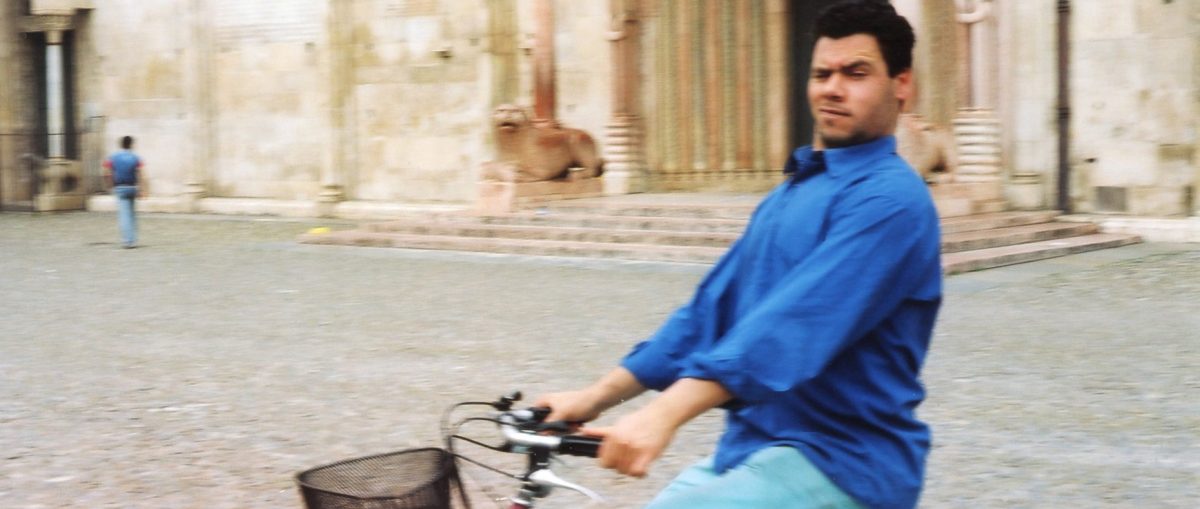
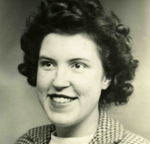 18 August, 1947. Cairo.
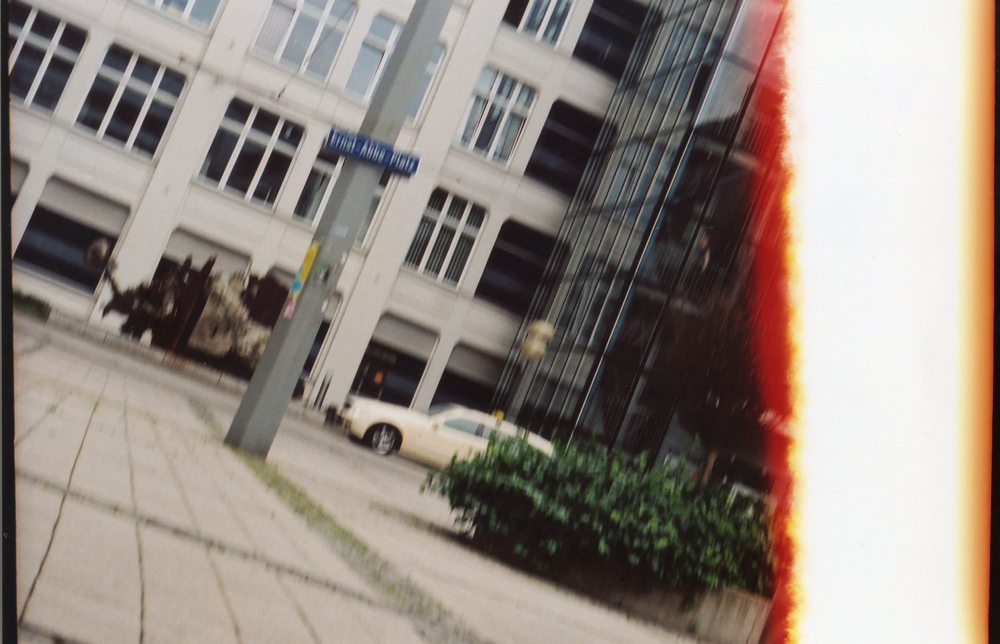

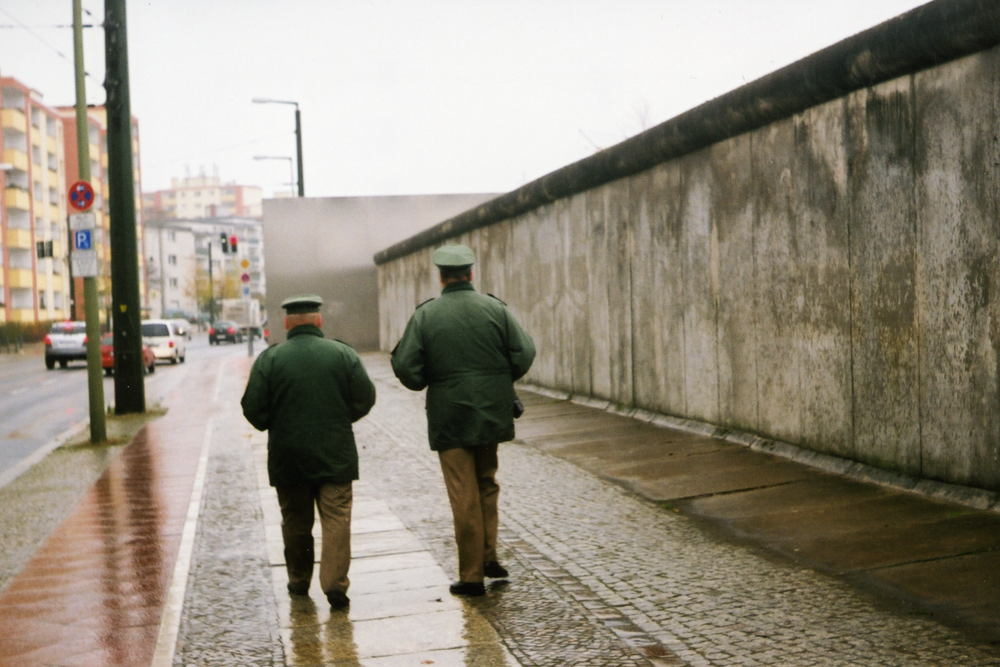

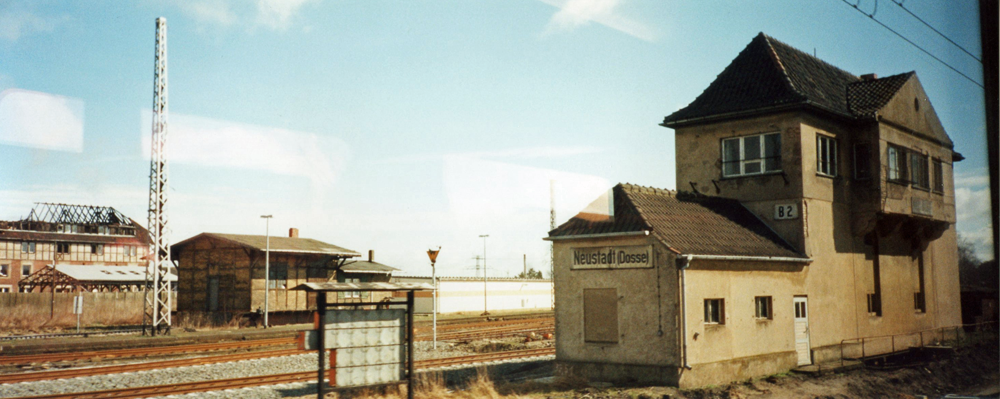
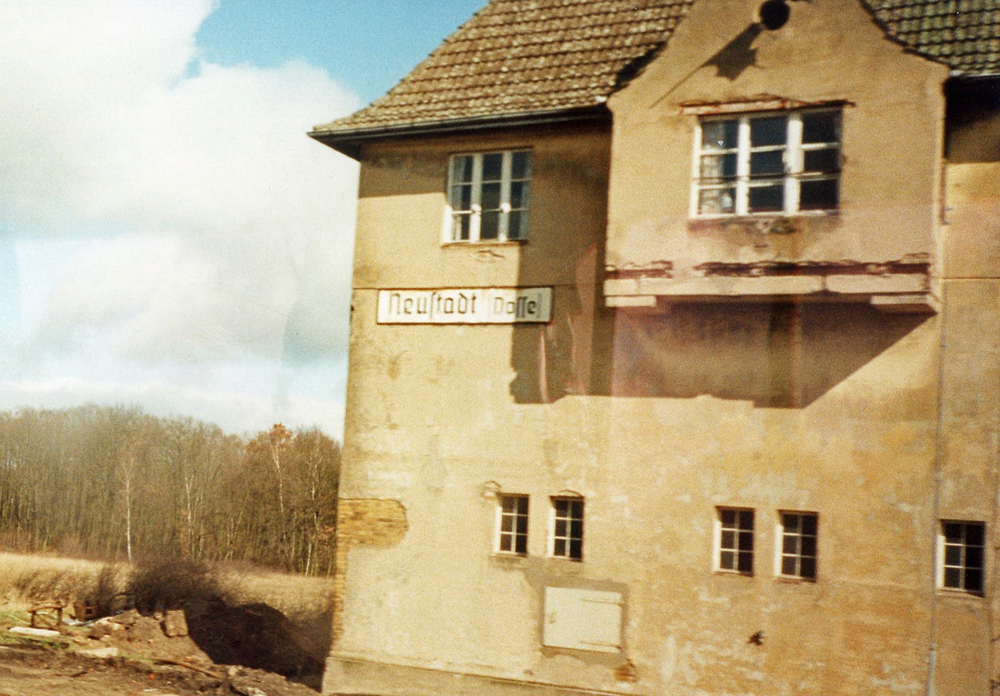


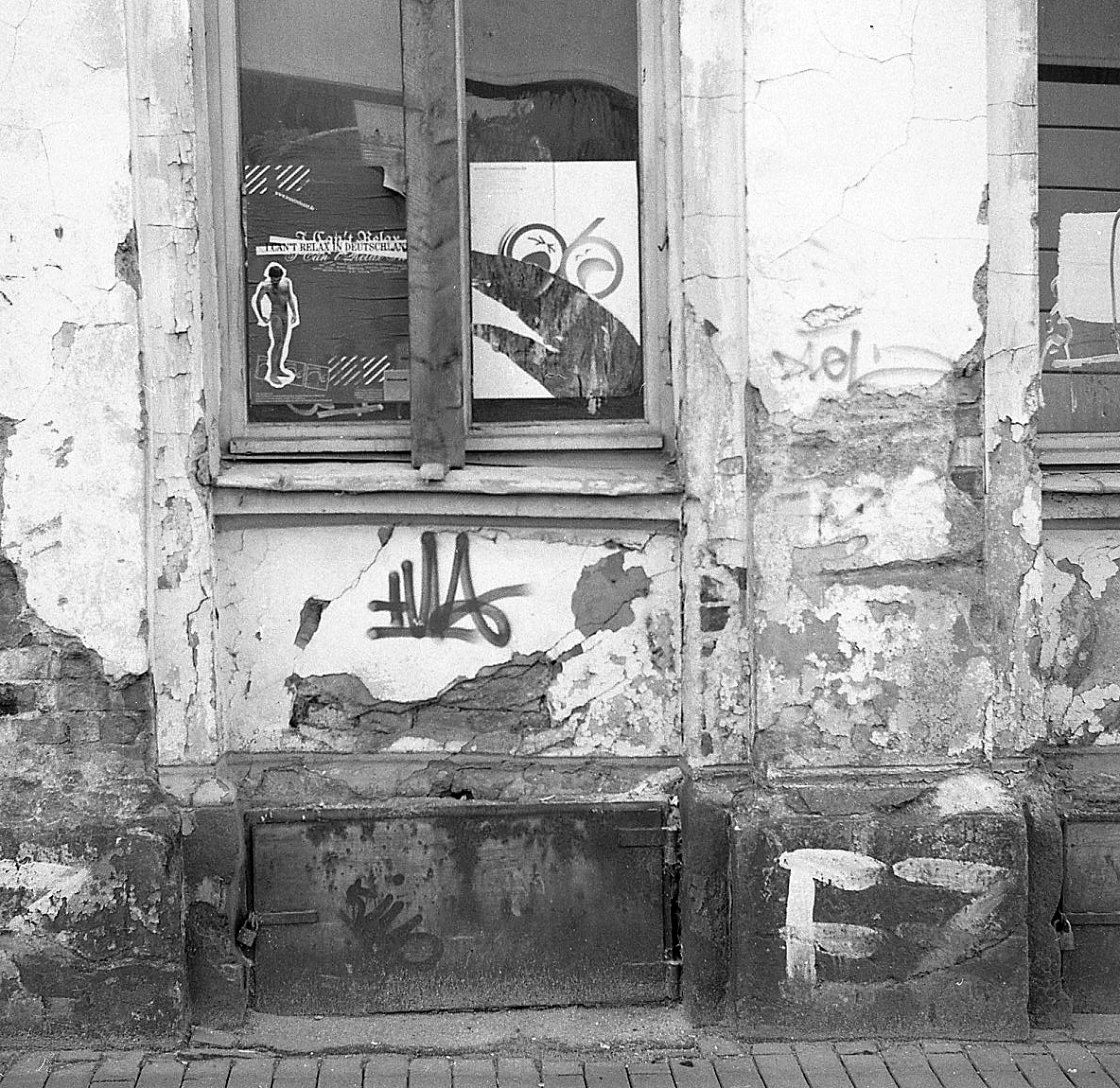


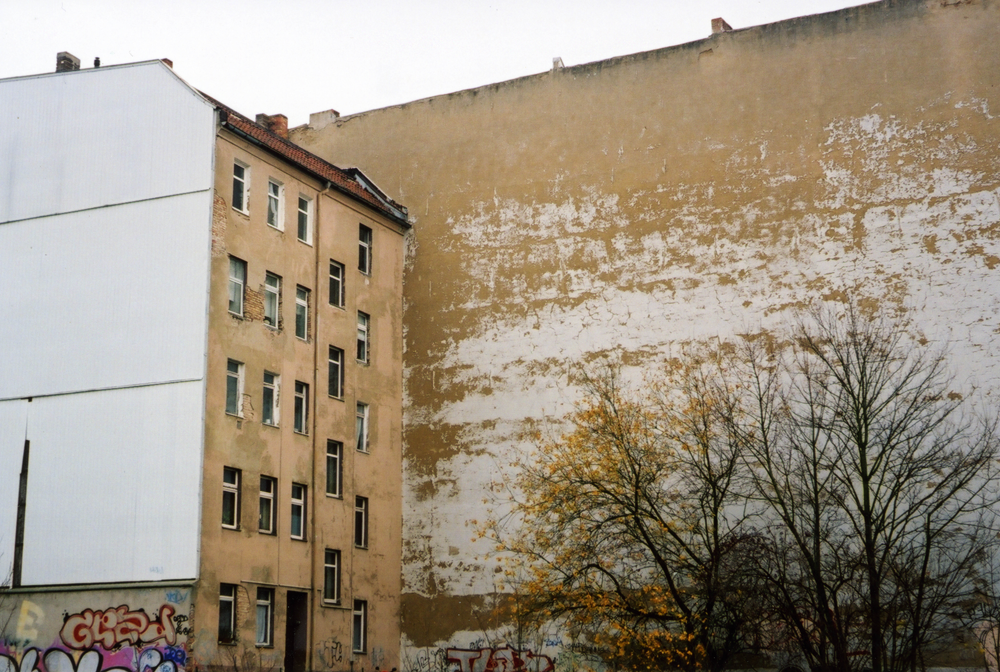


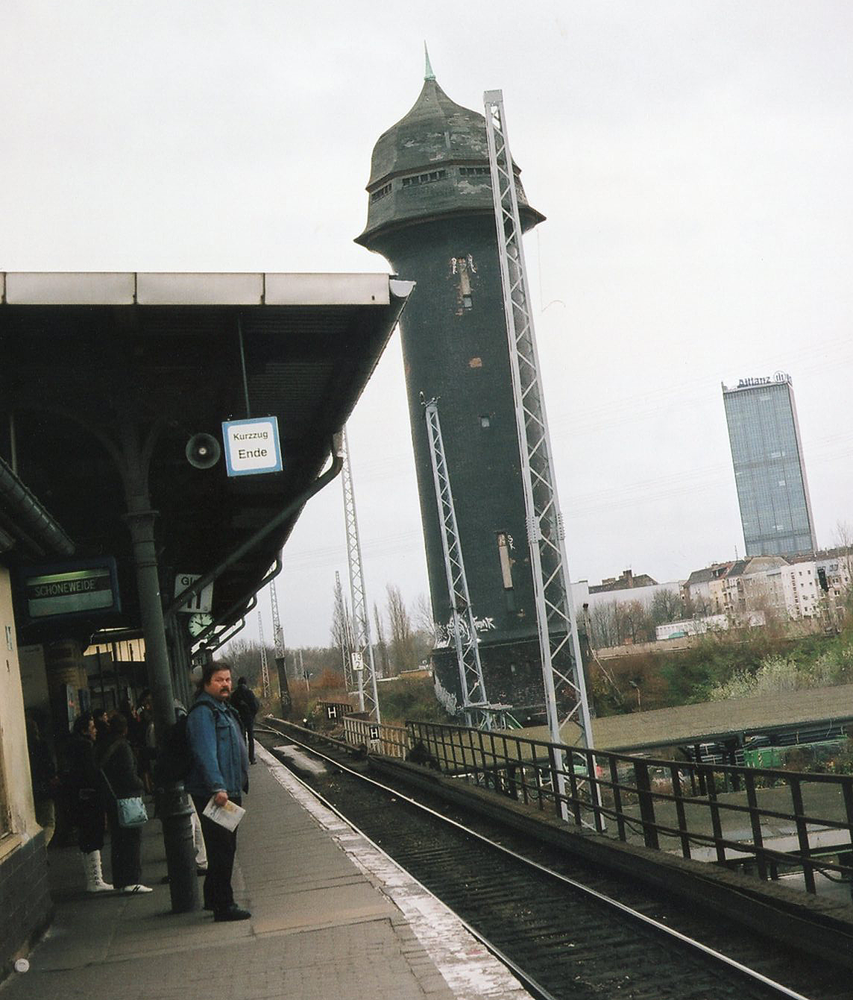

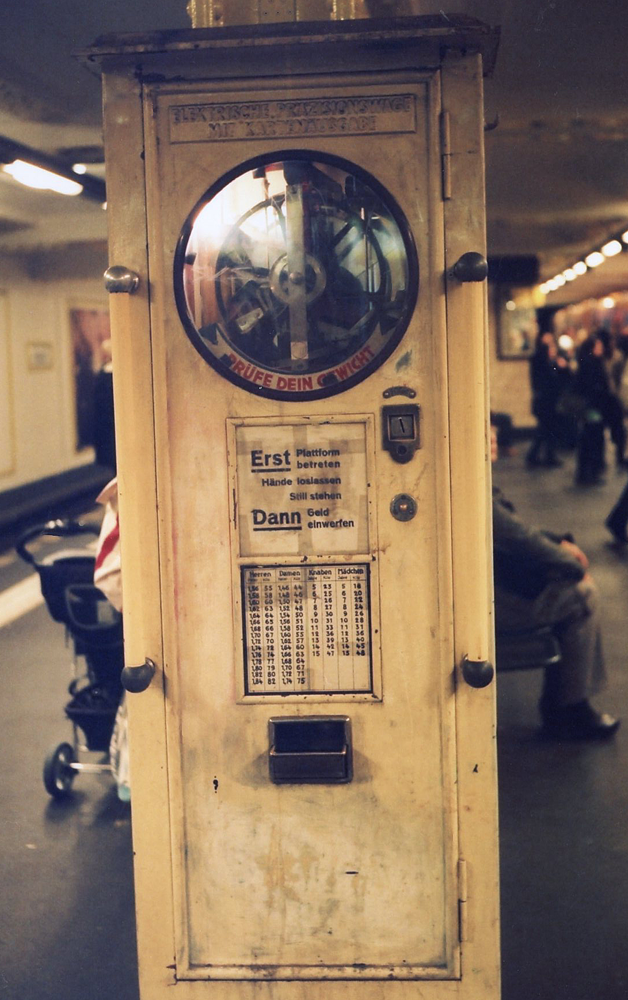
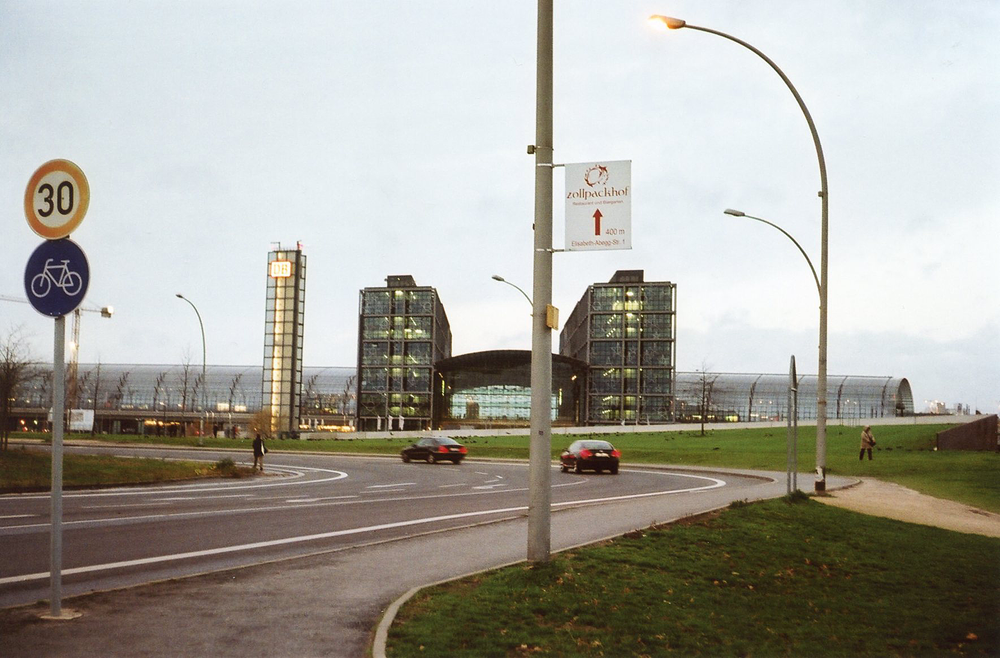



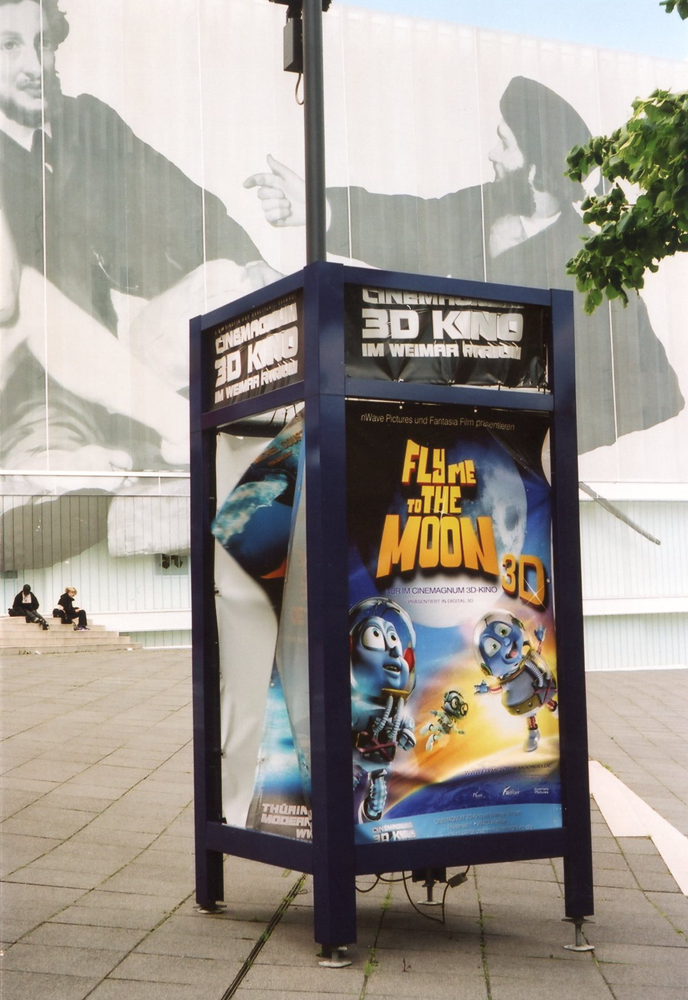


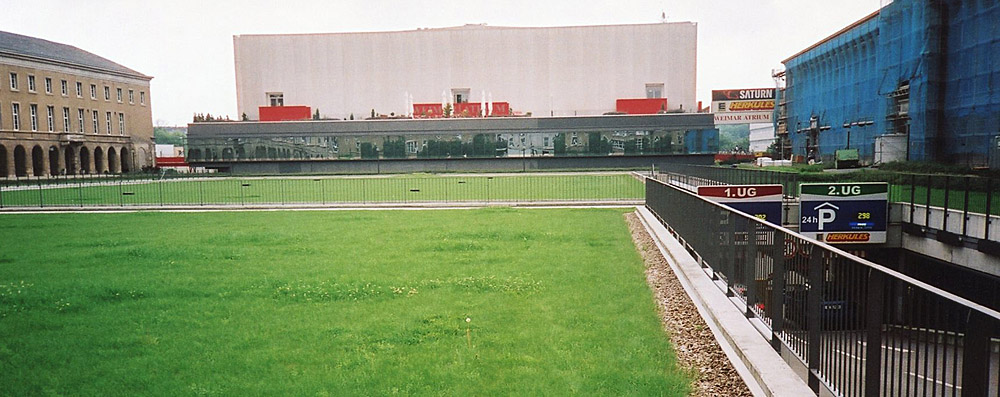
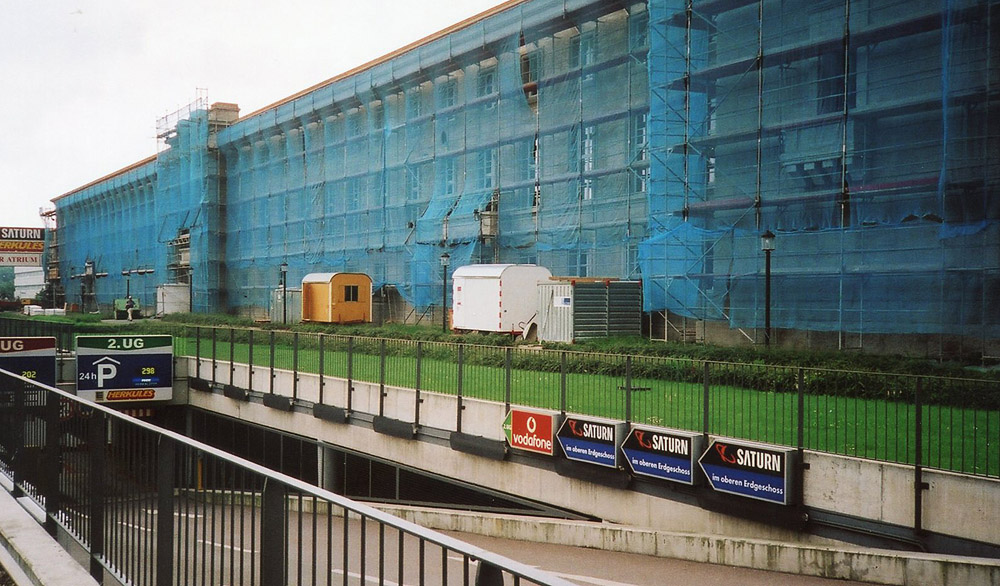

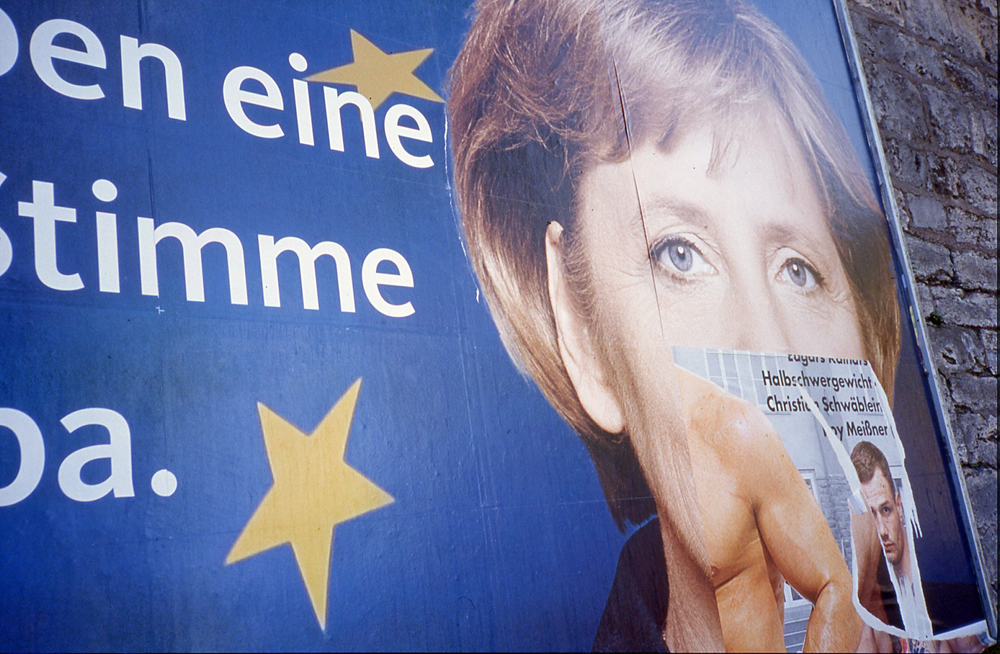
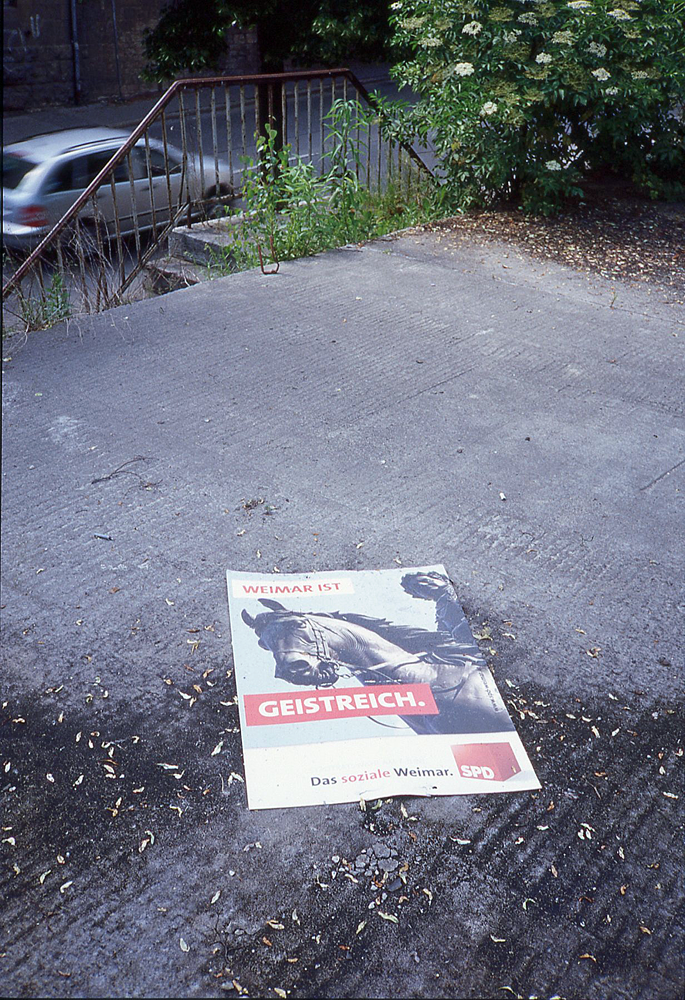
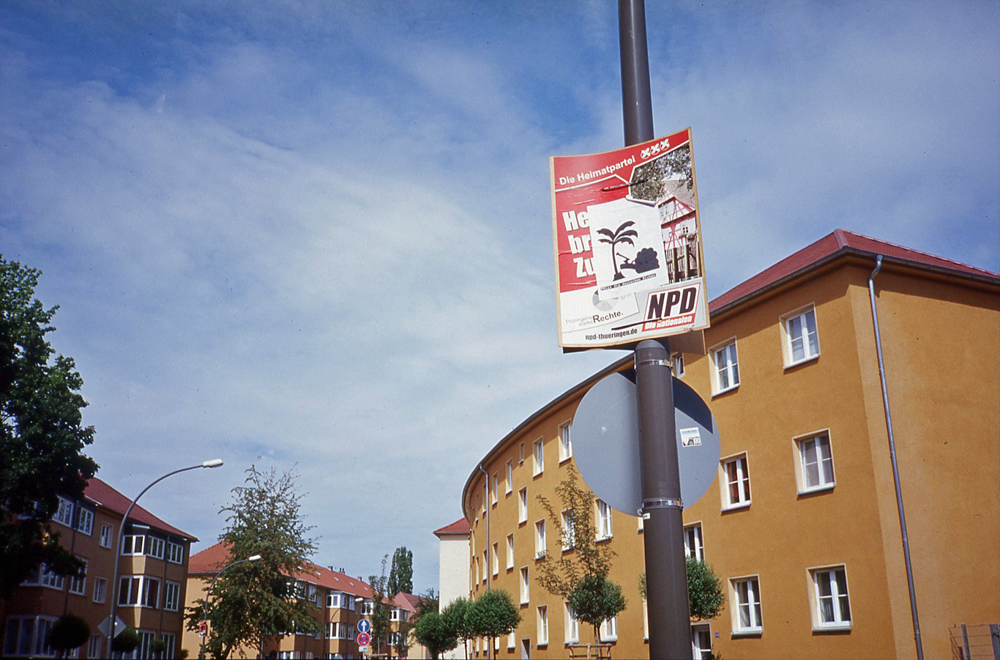
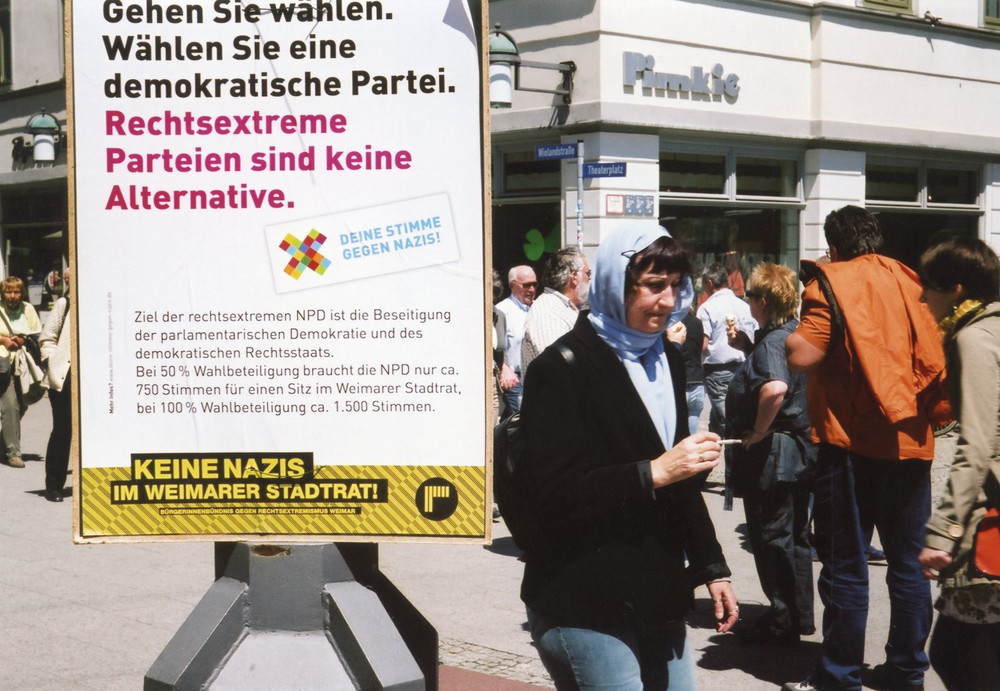
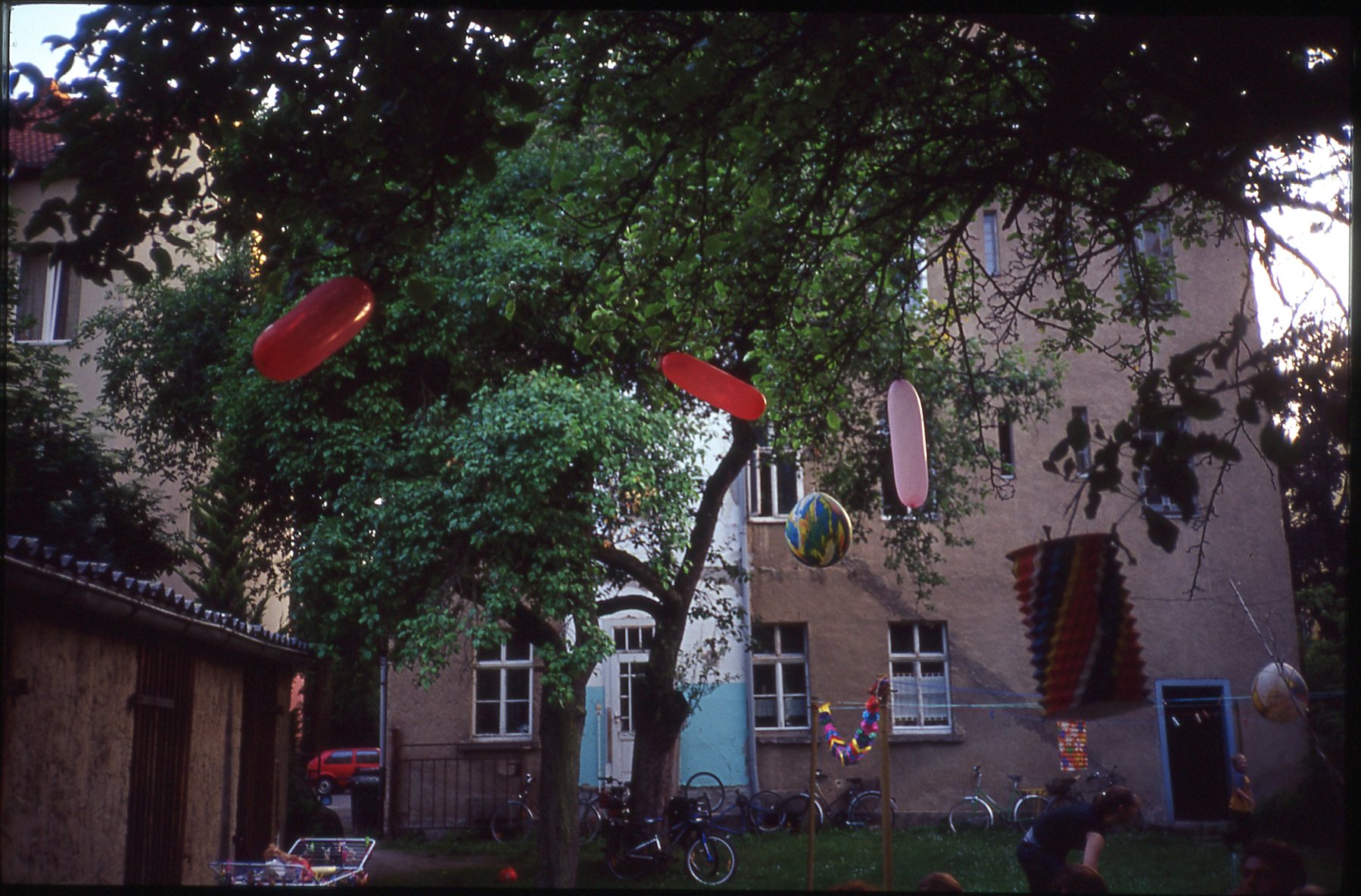
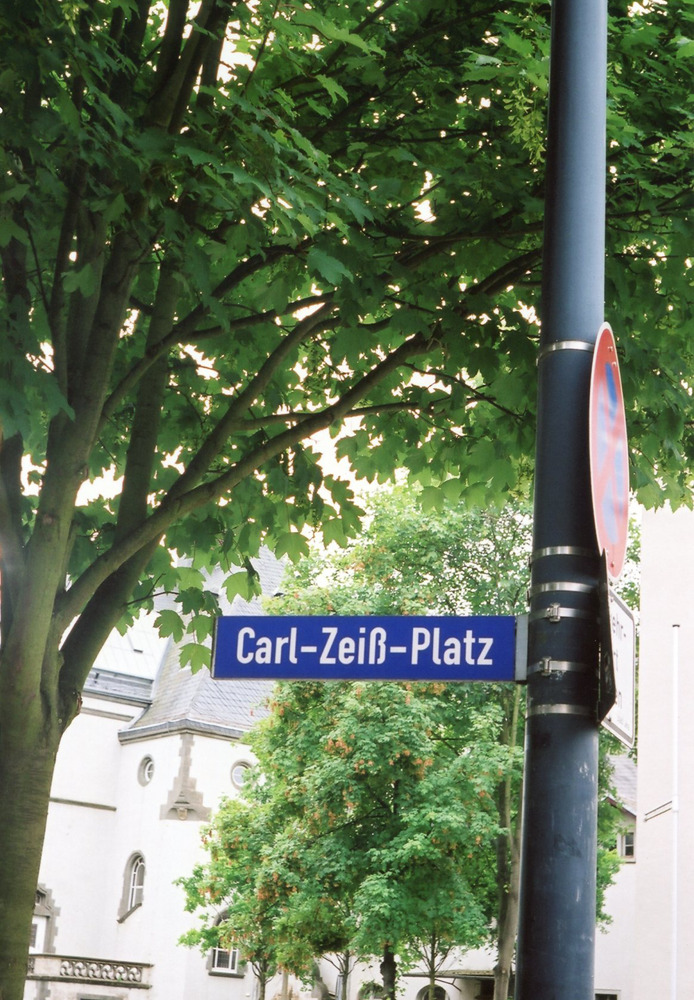



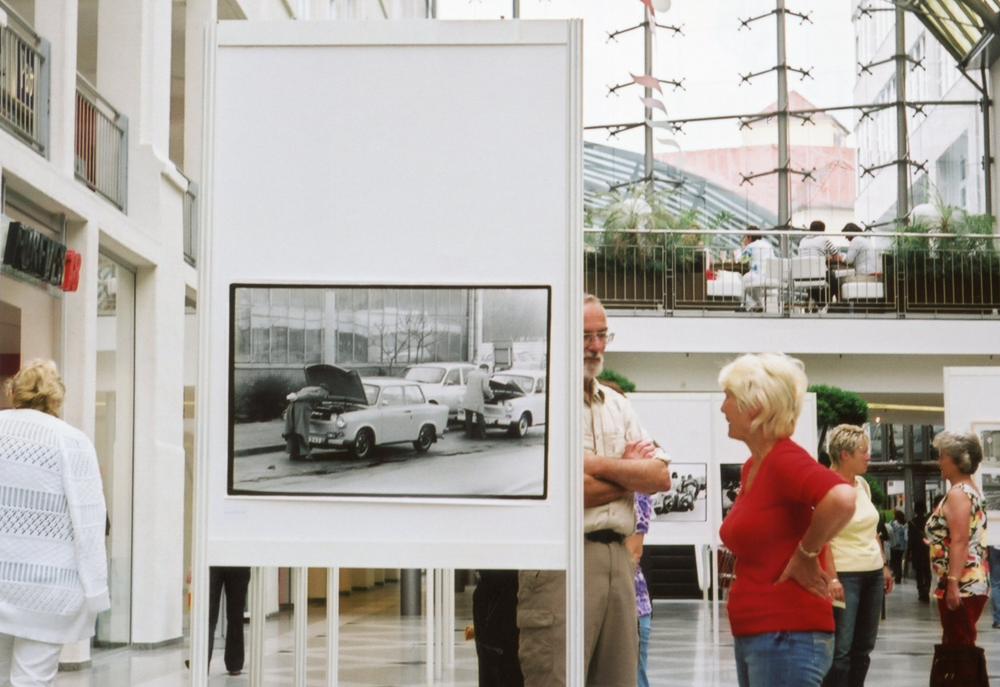
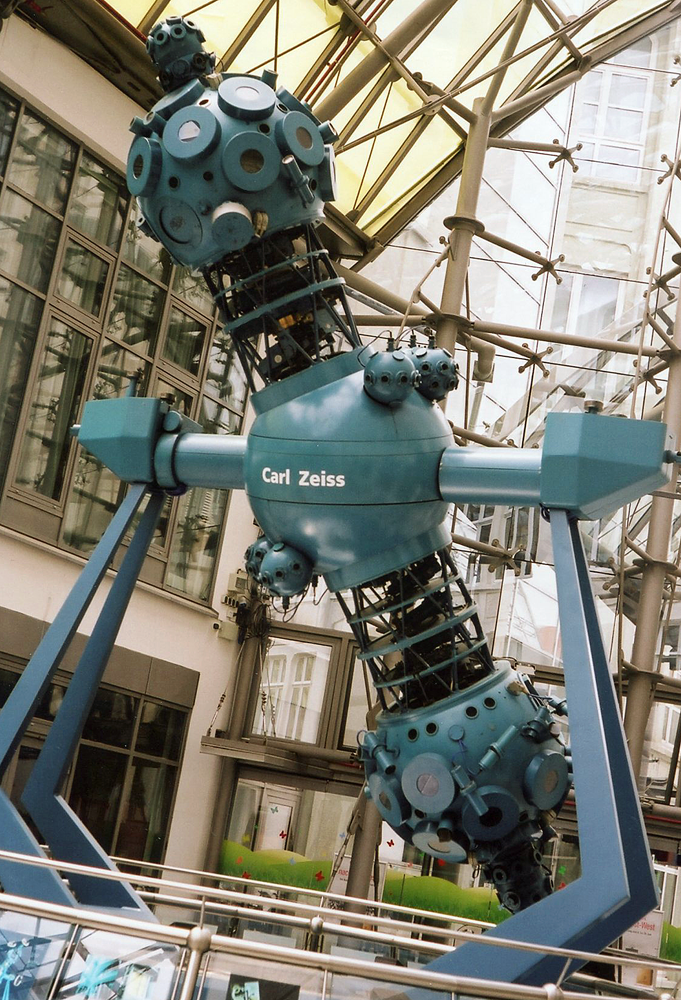

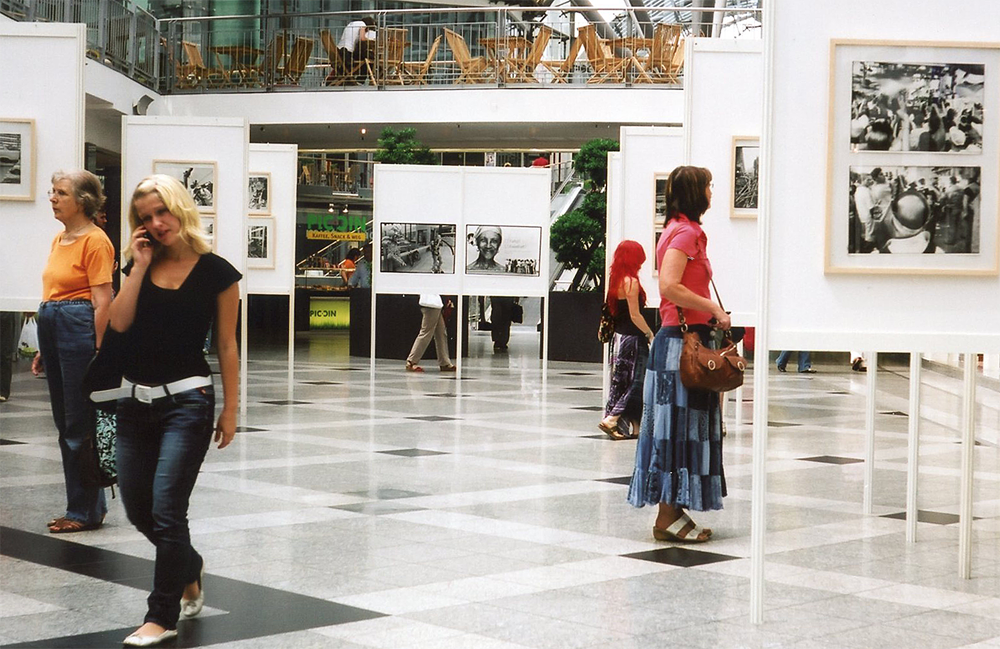




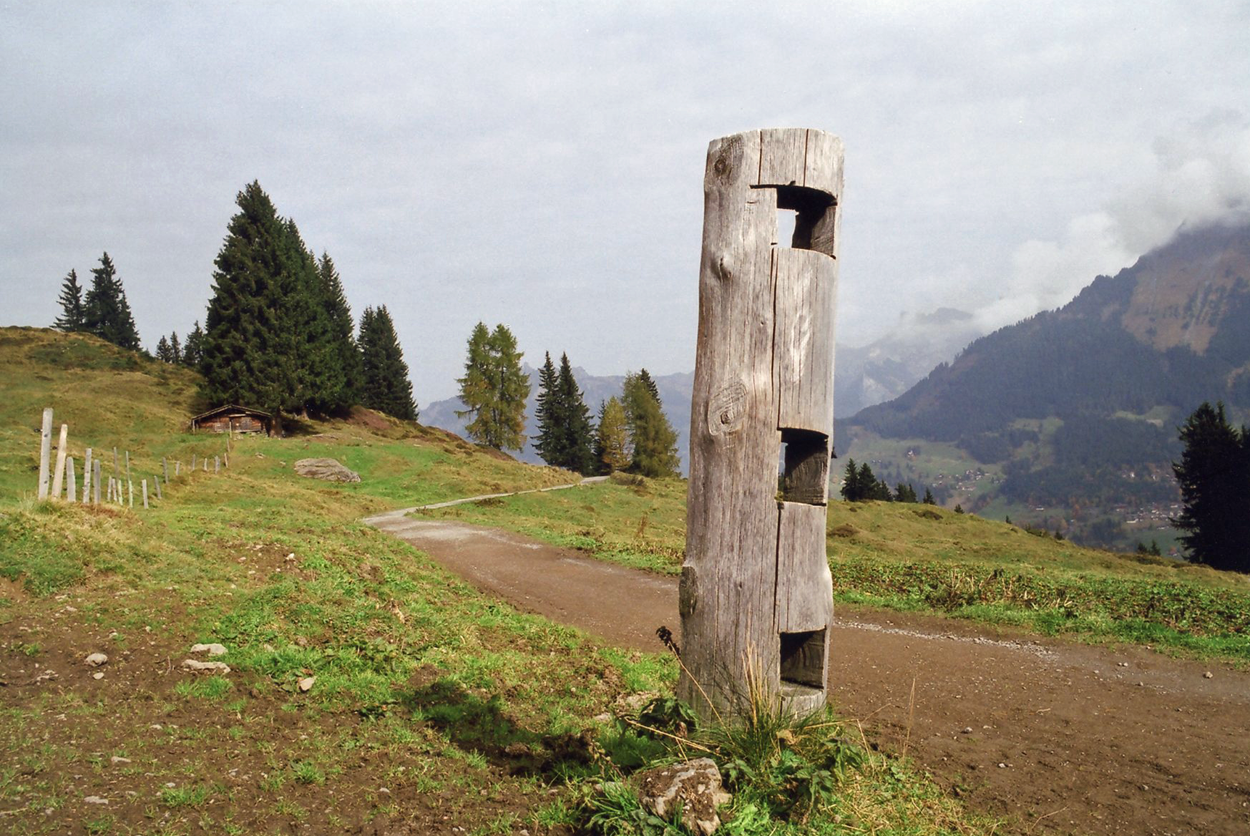



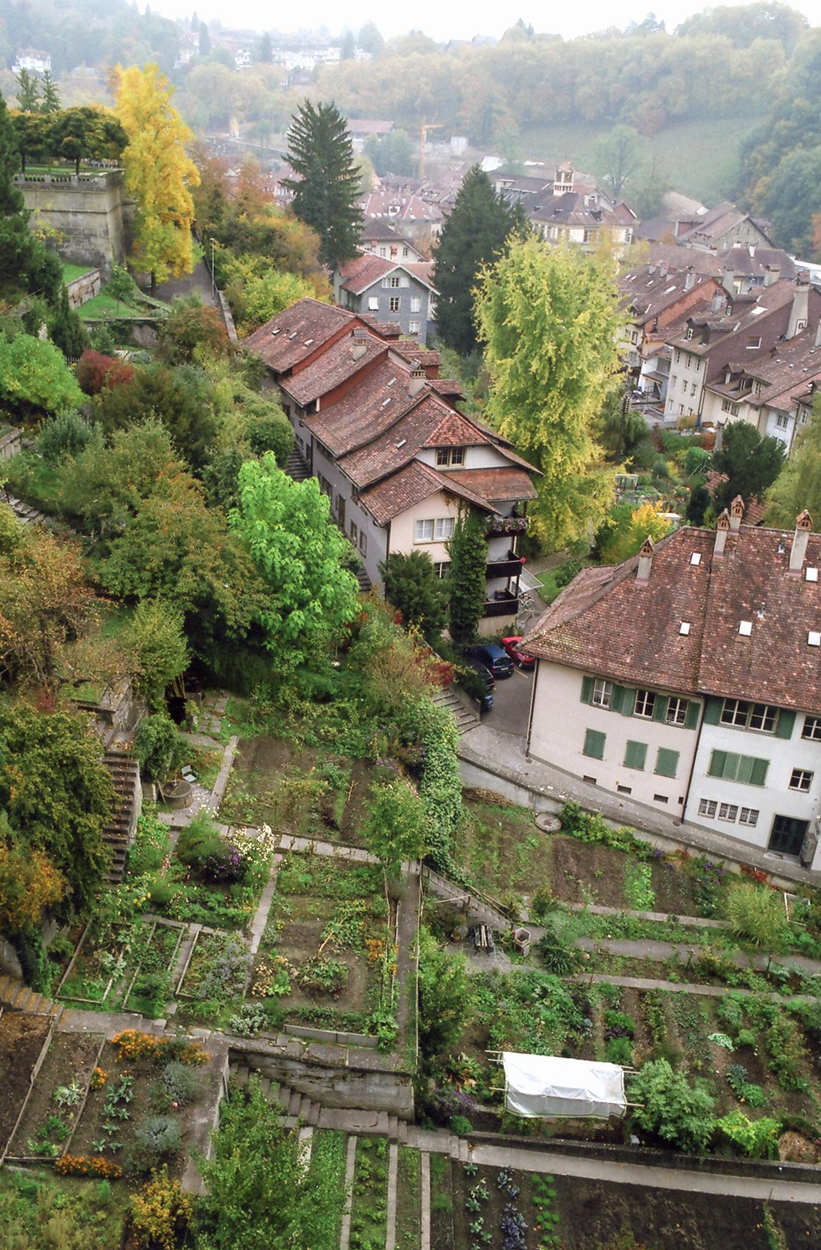


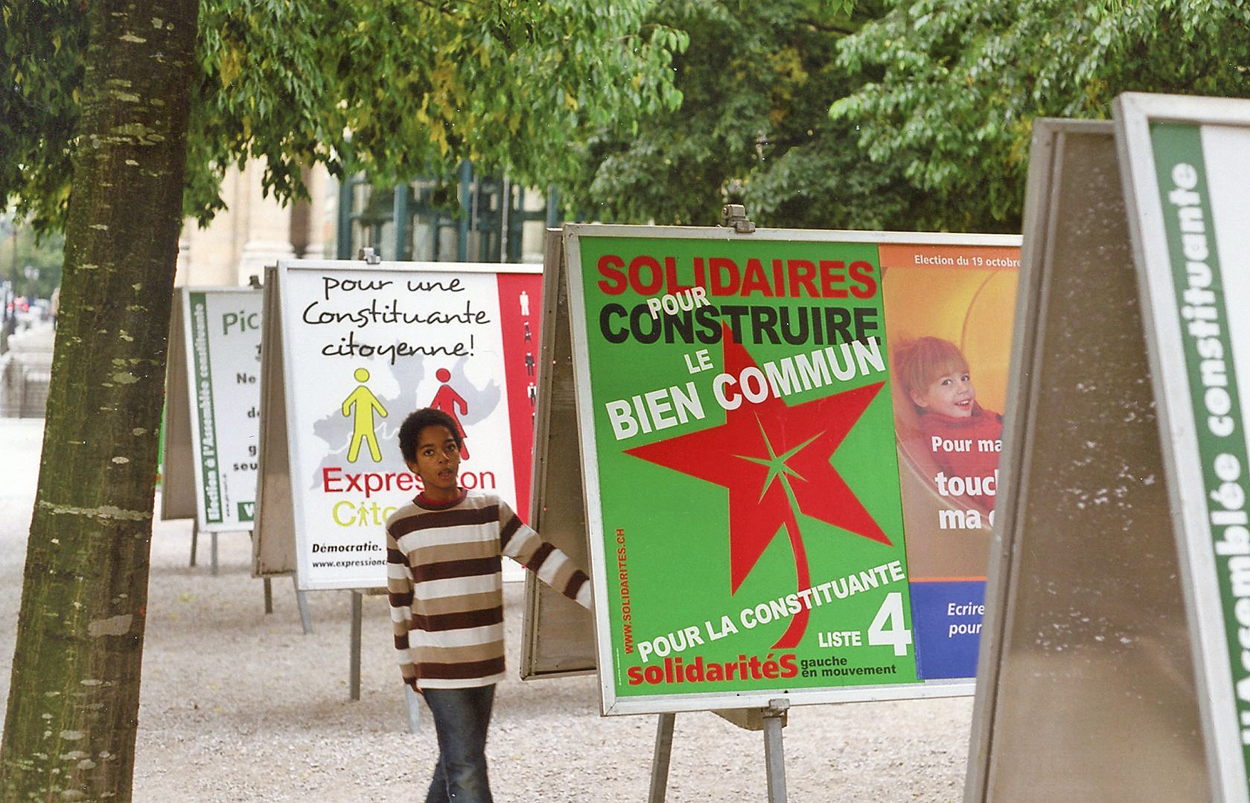
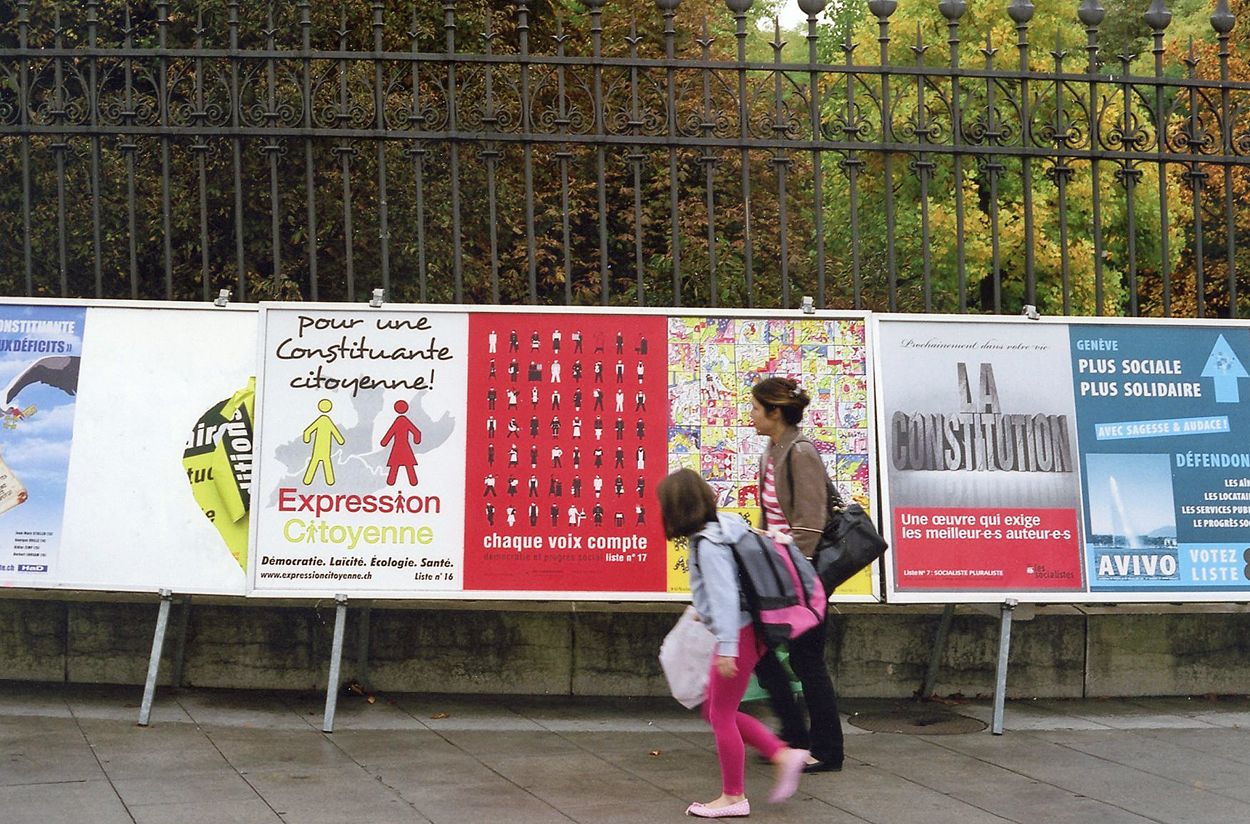


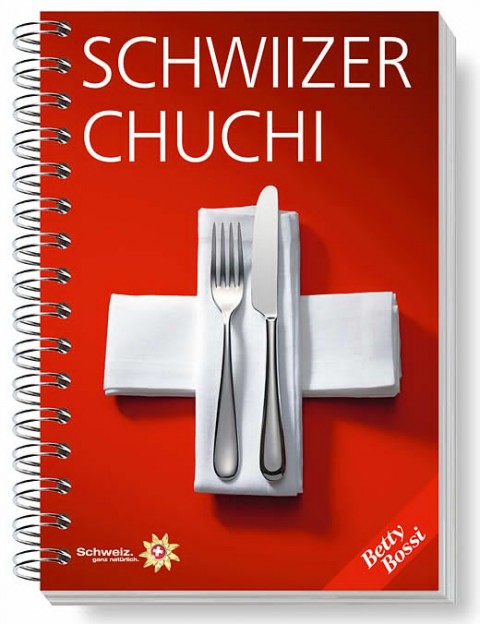
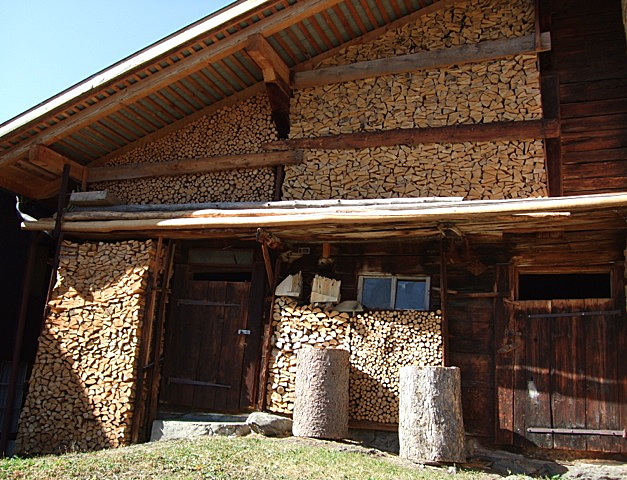


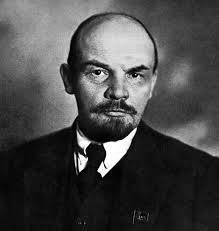

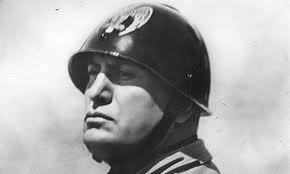








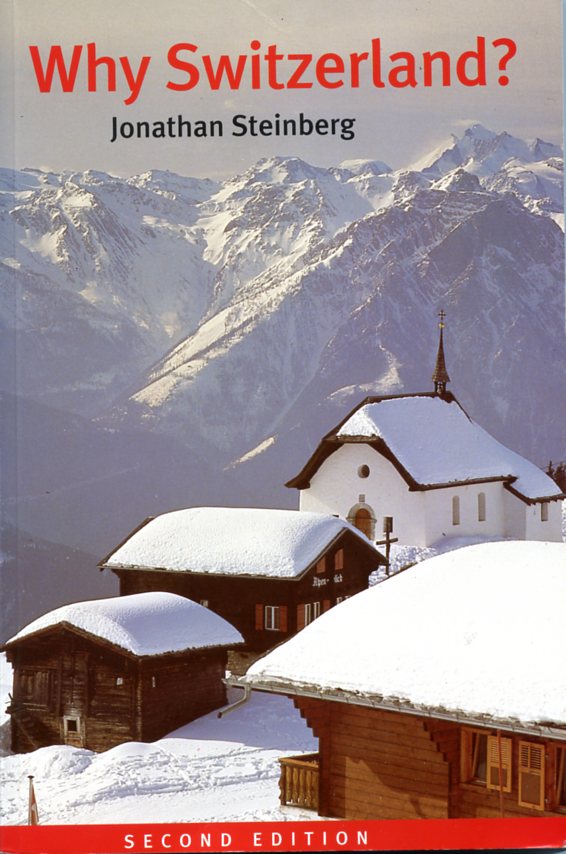
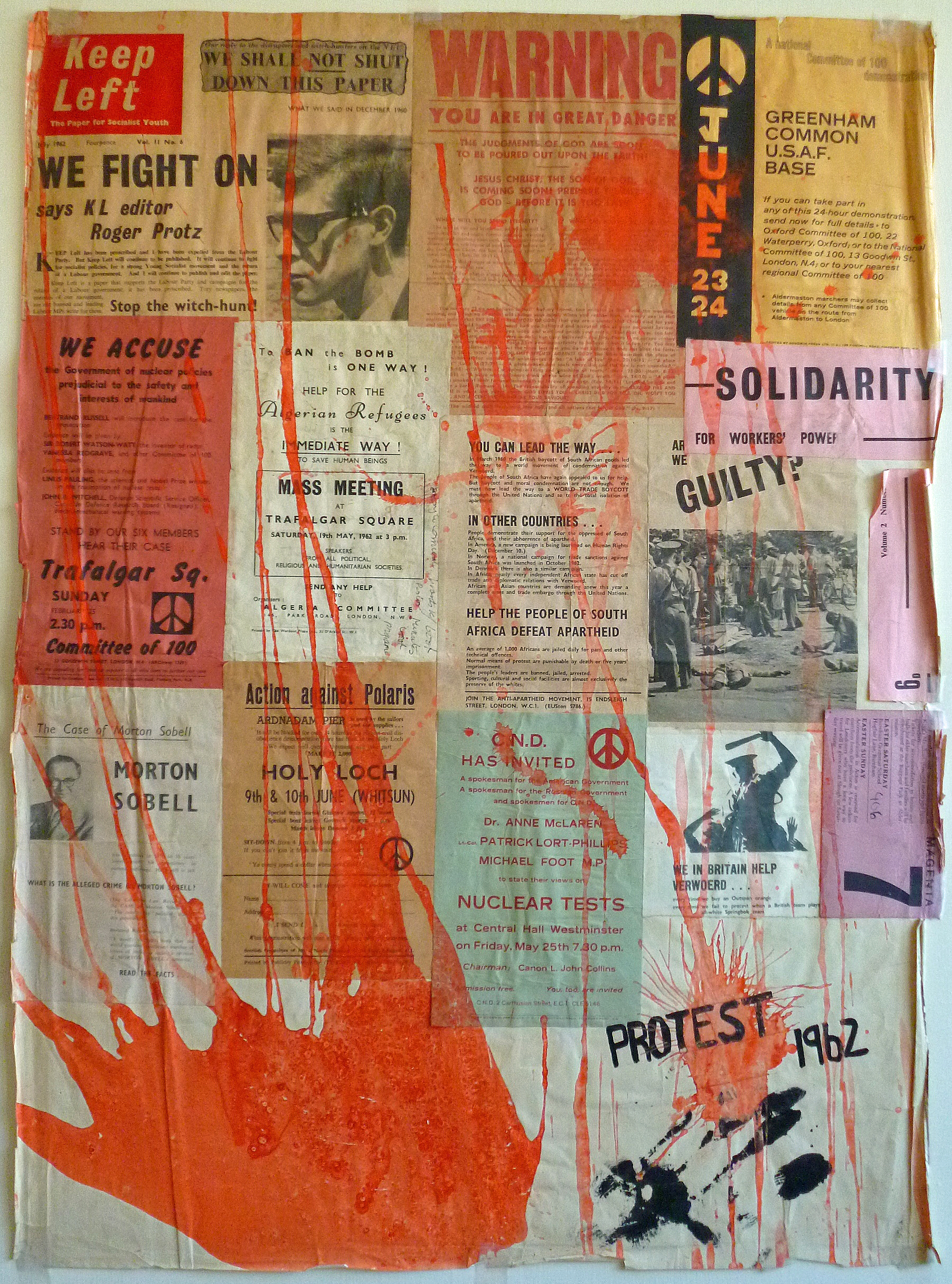
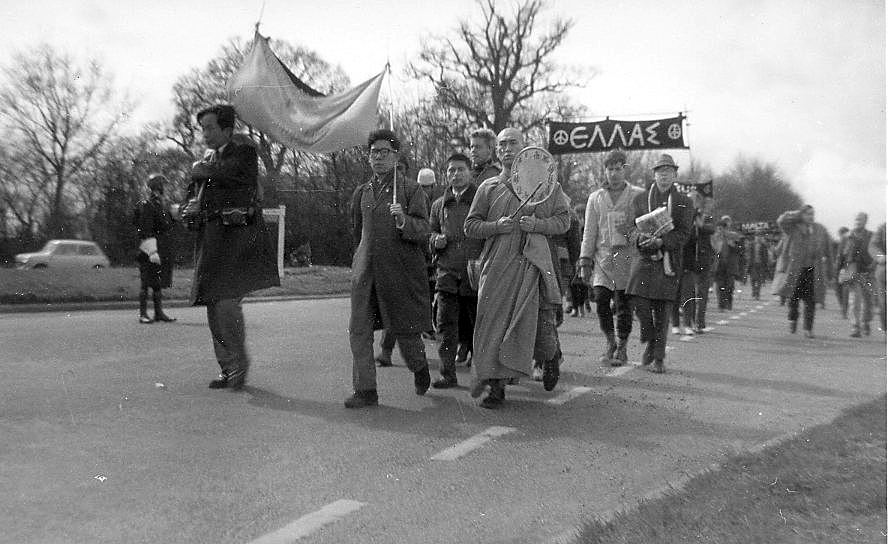

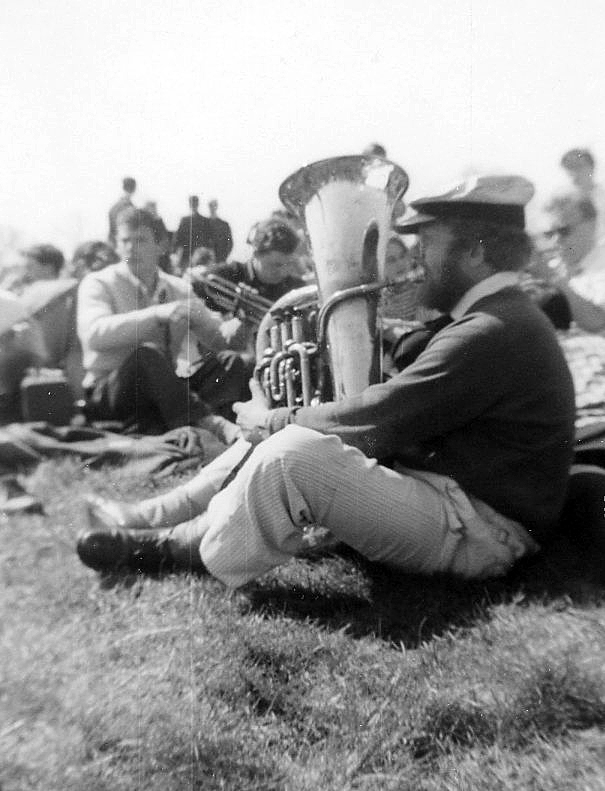


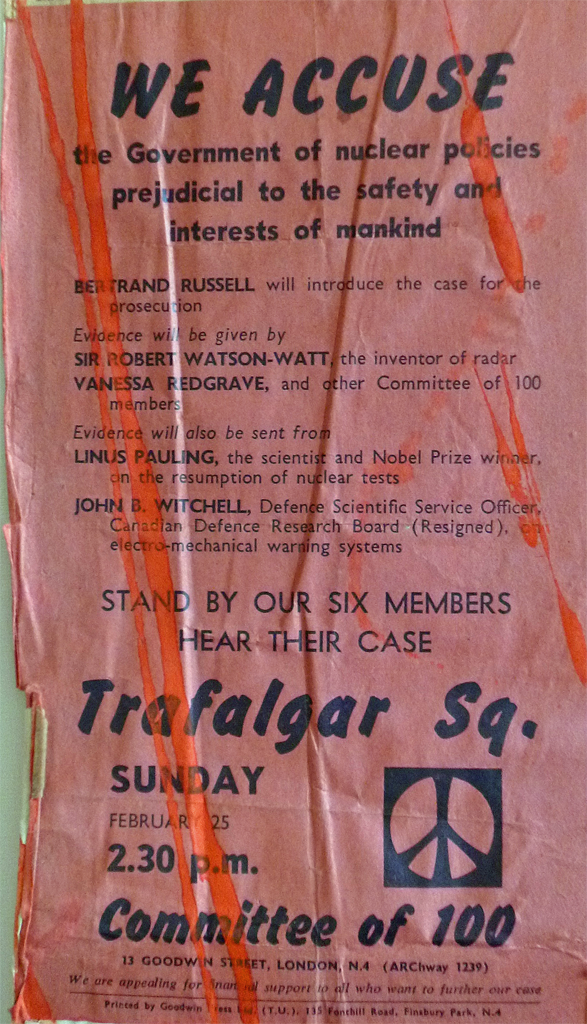
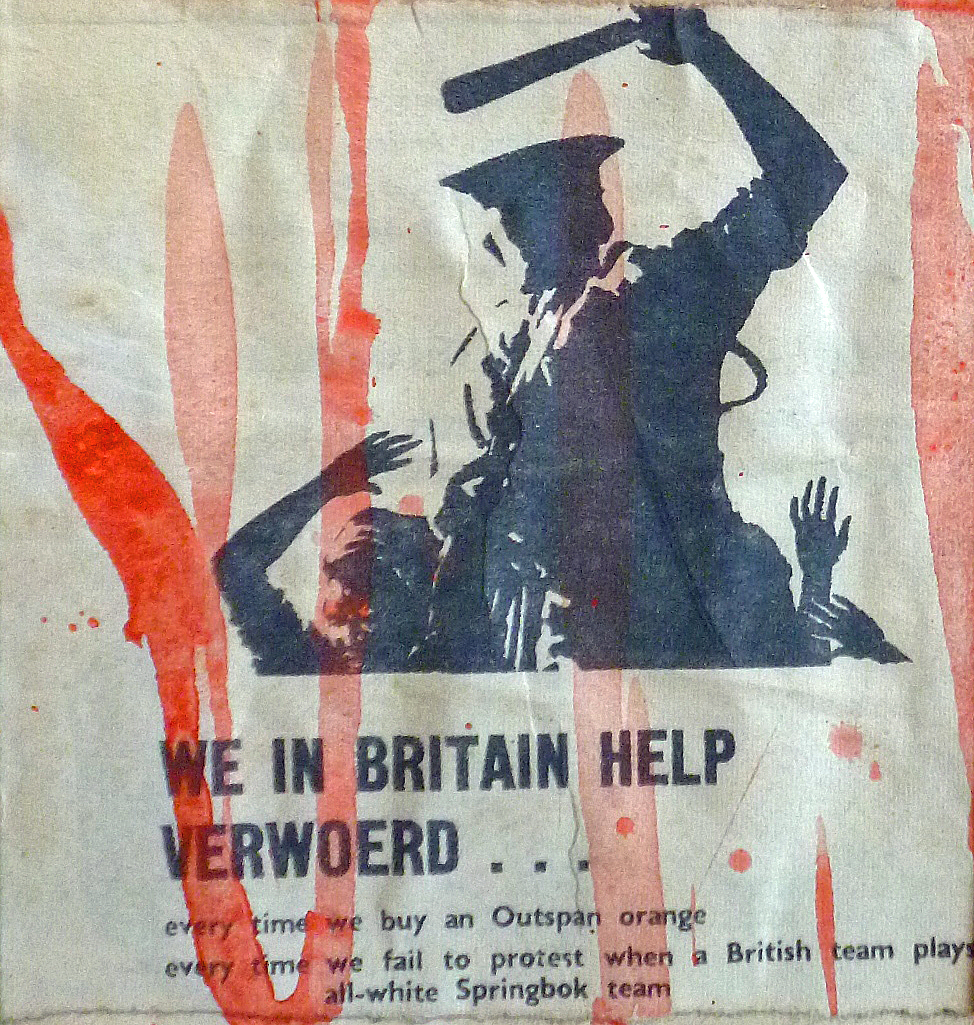
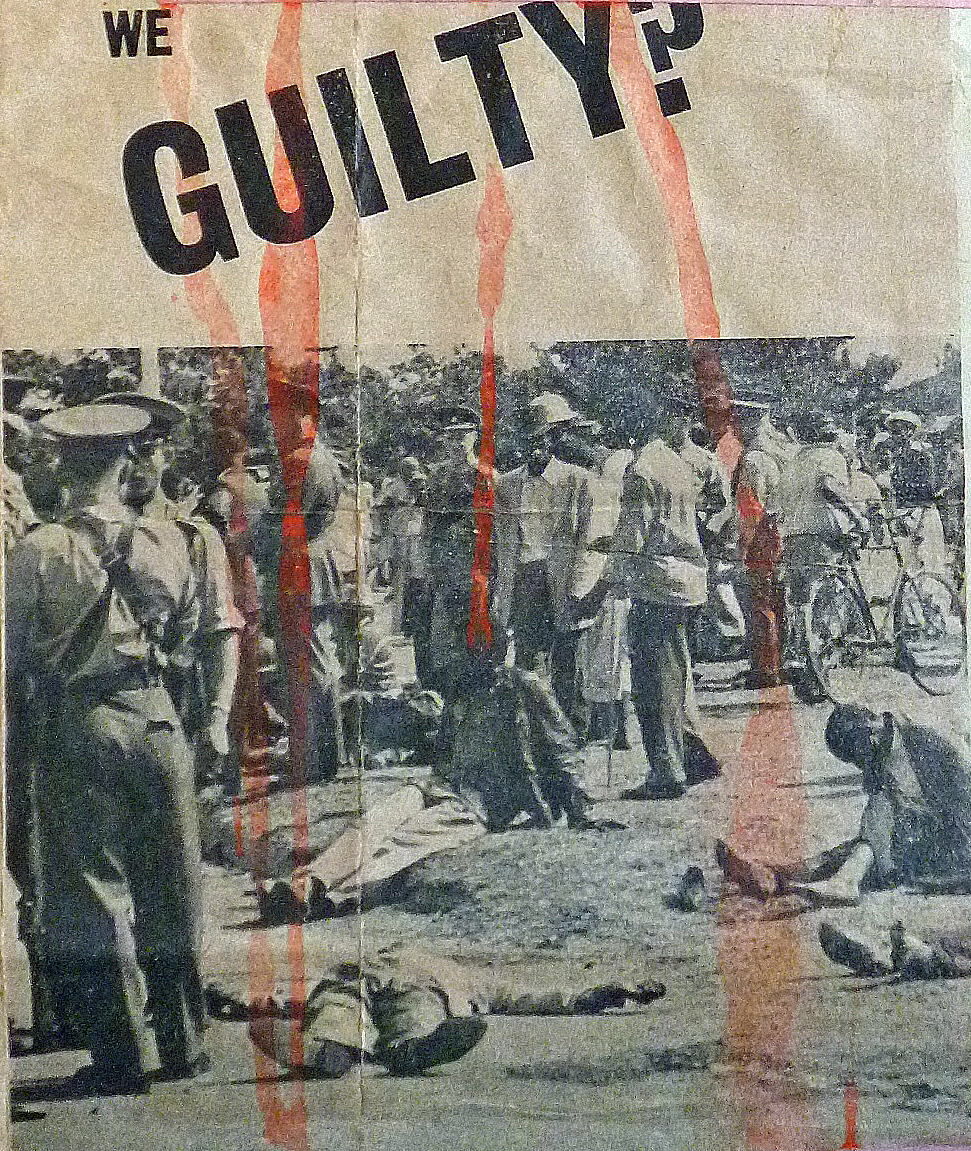


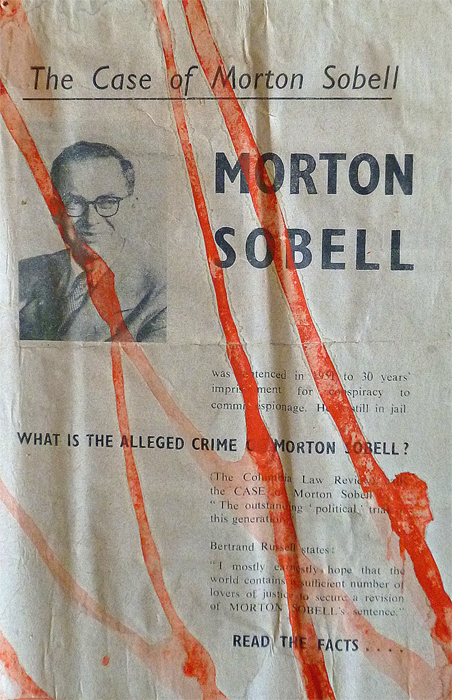
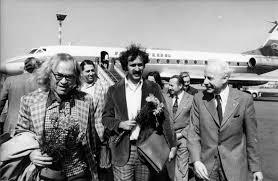
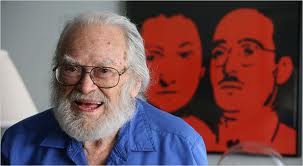
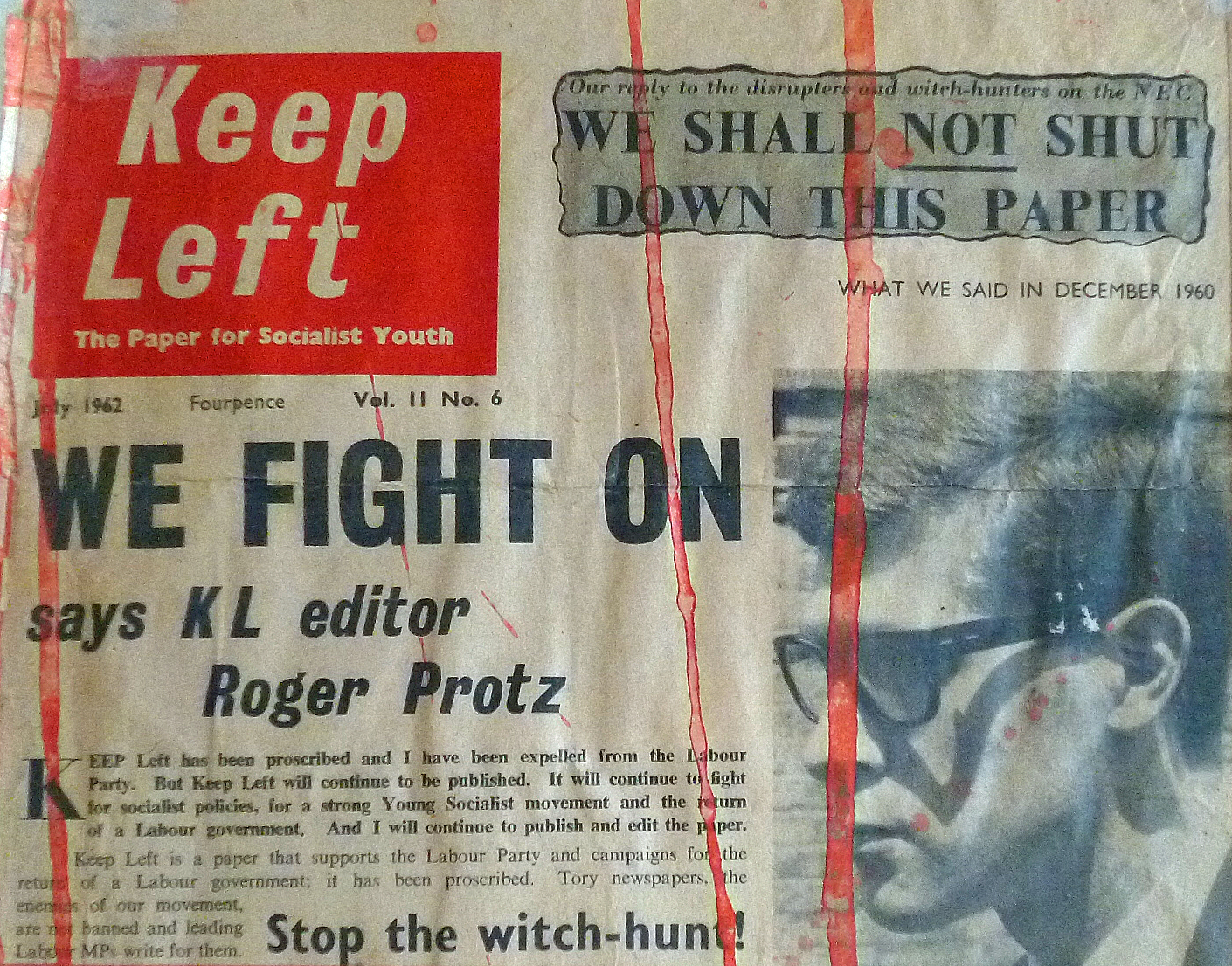
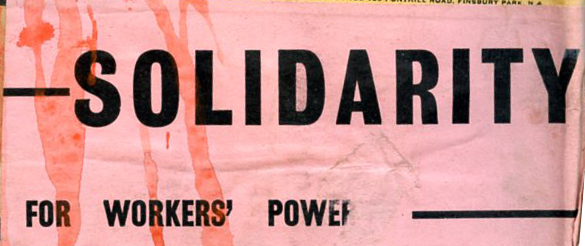


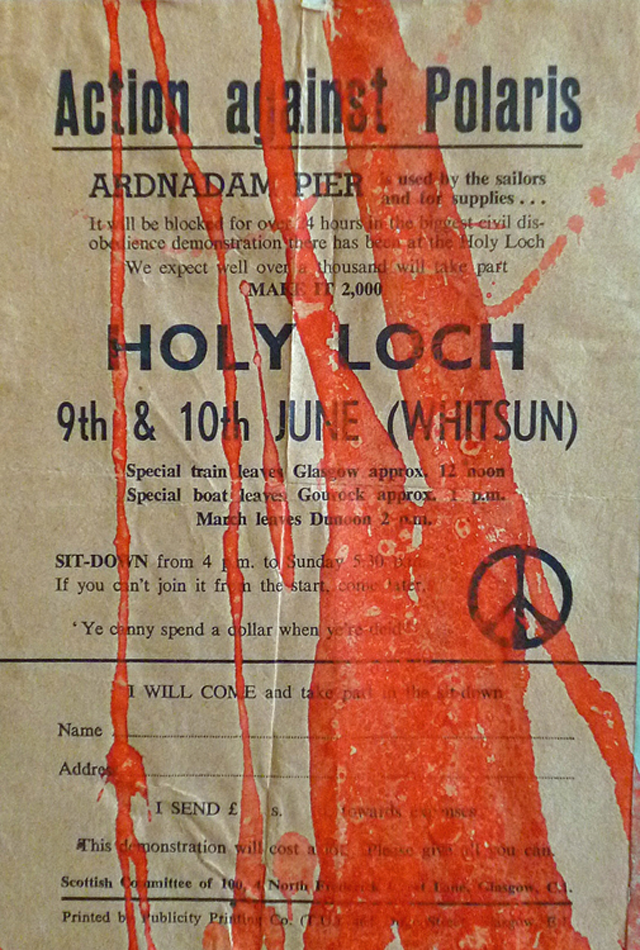
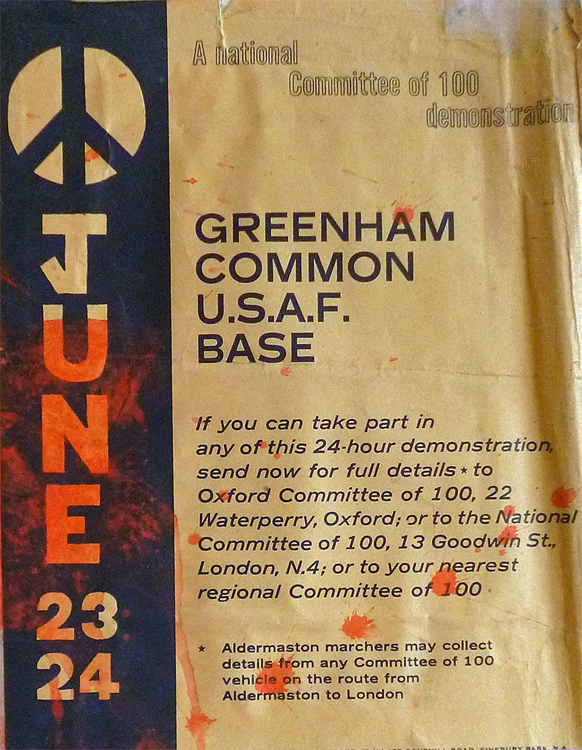

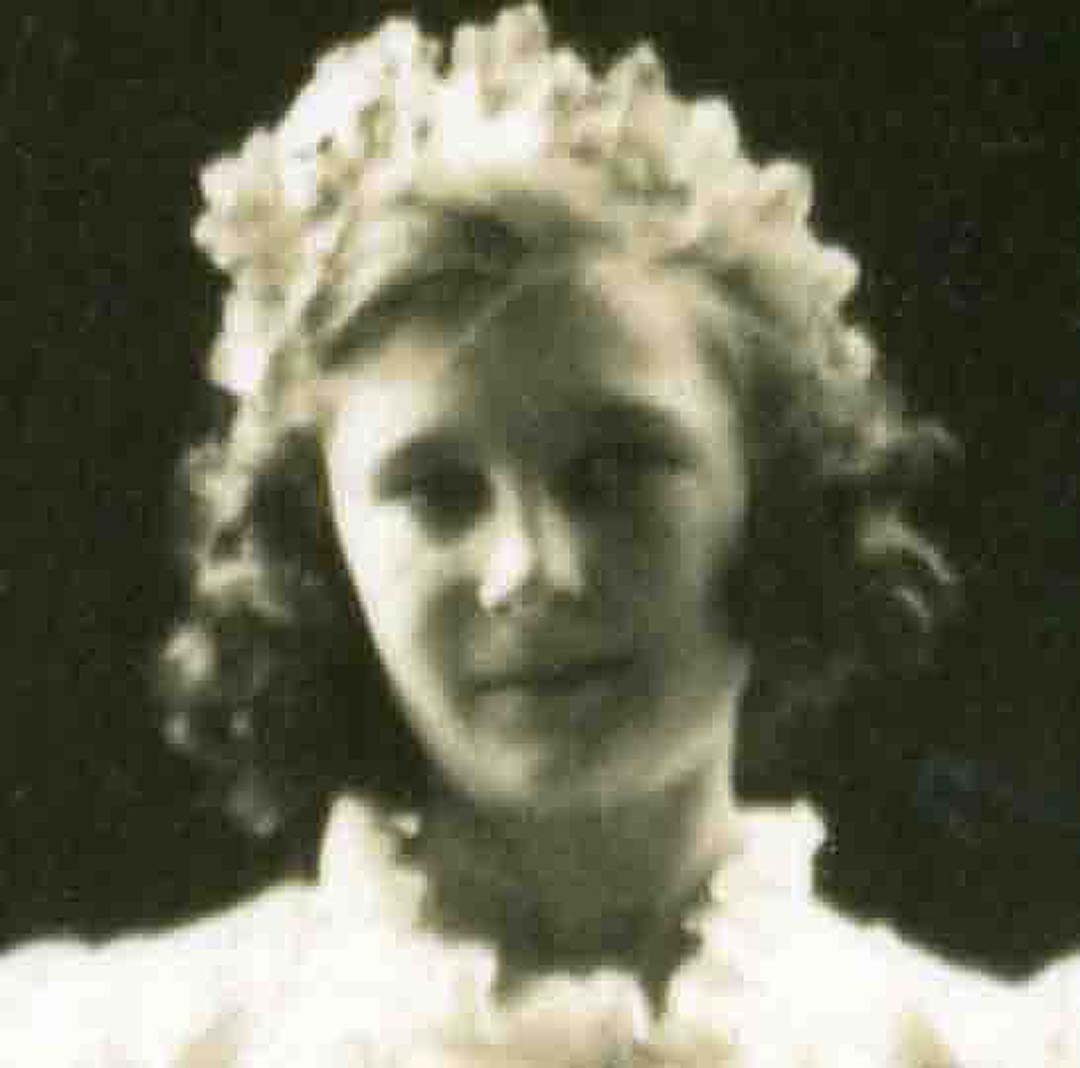


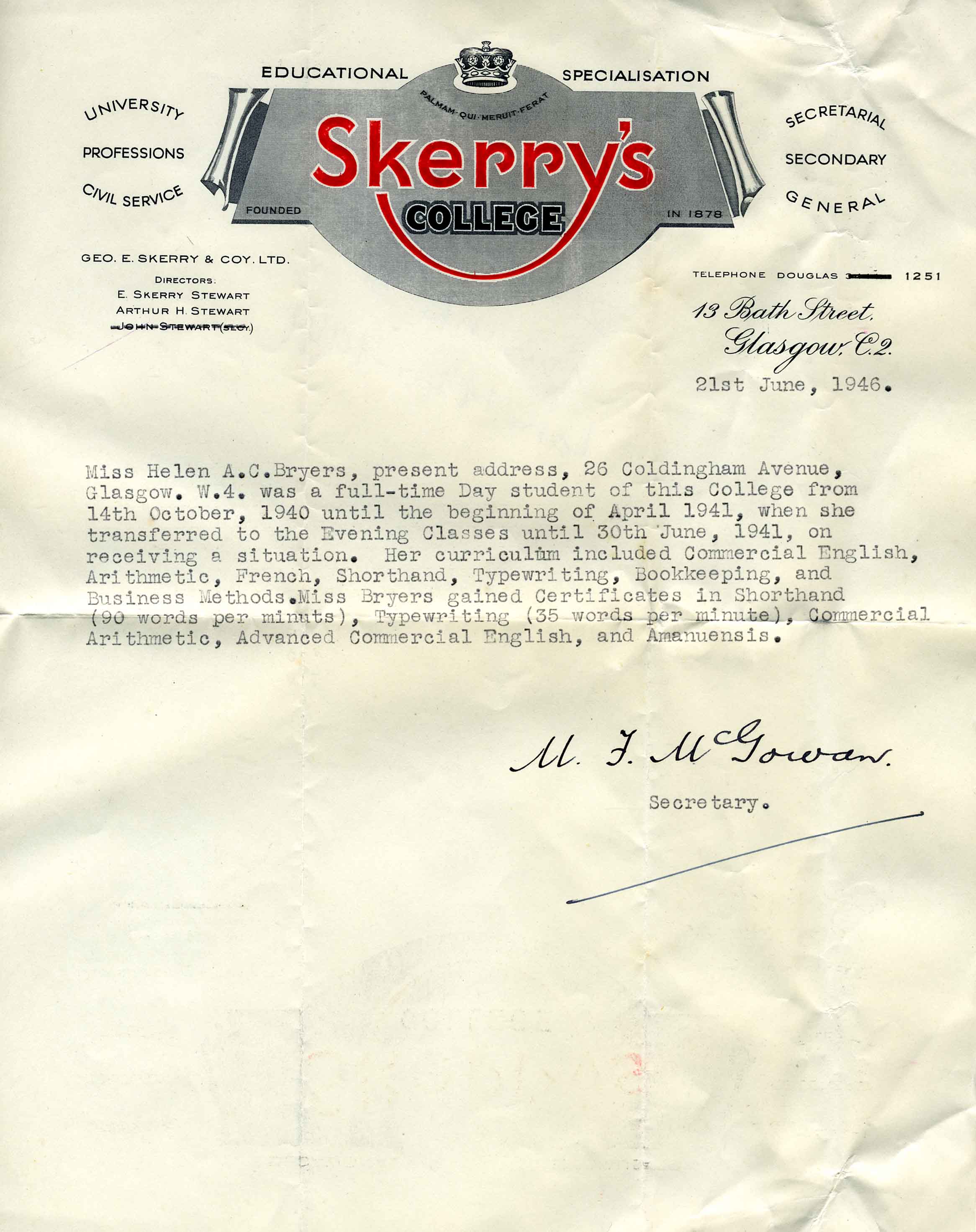


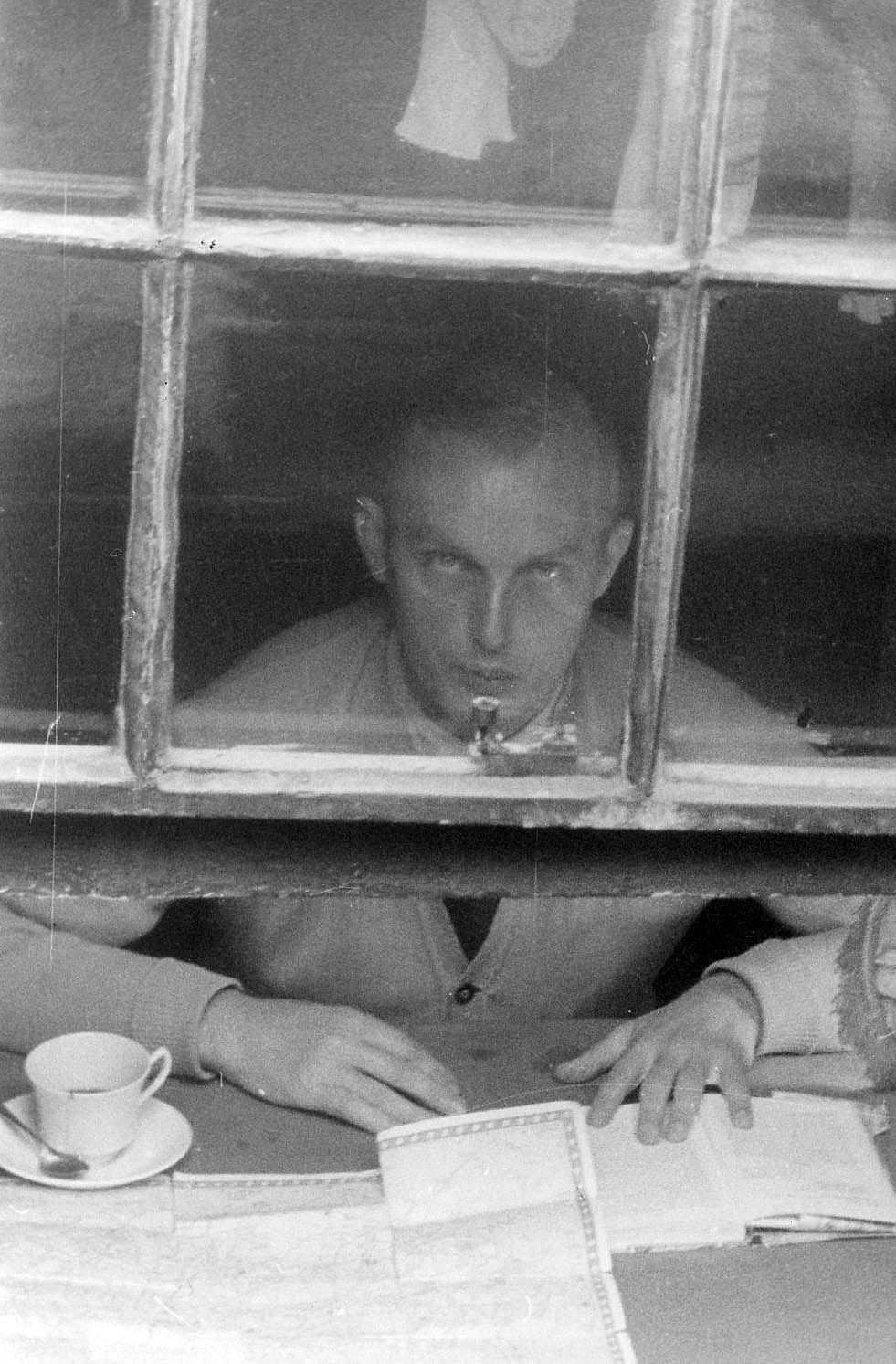

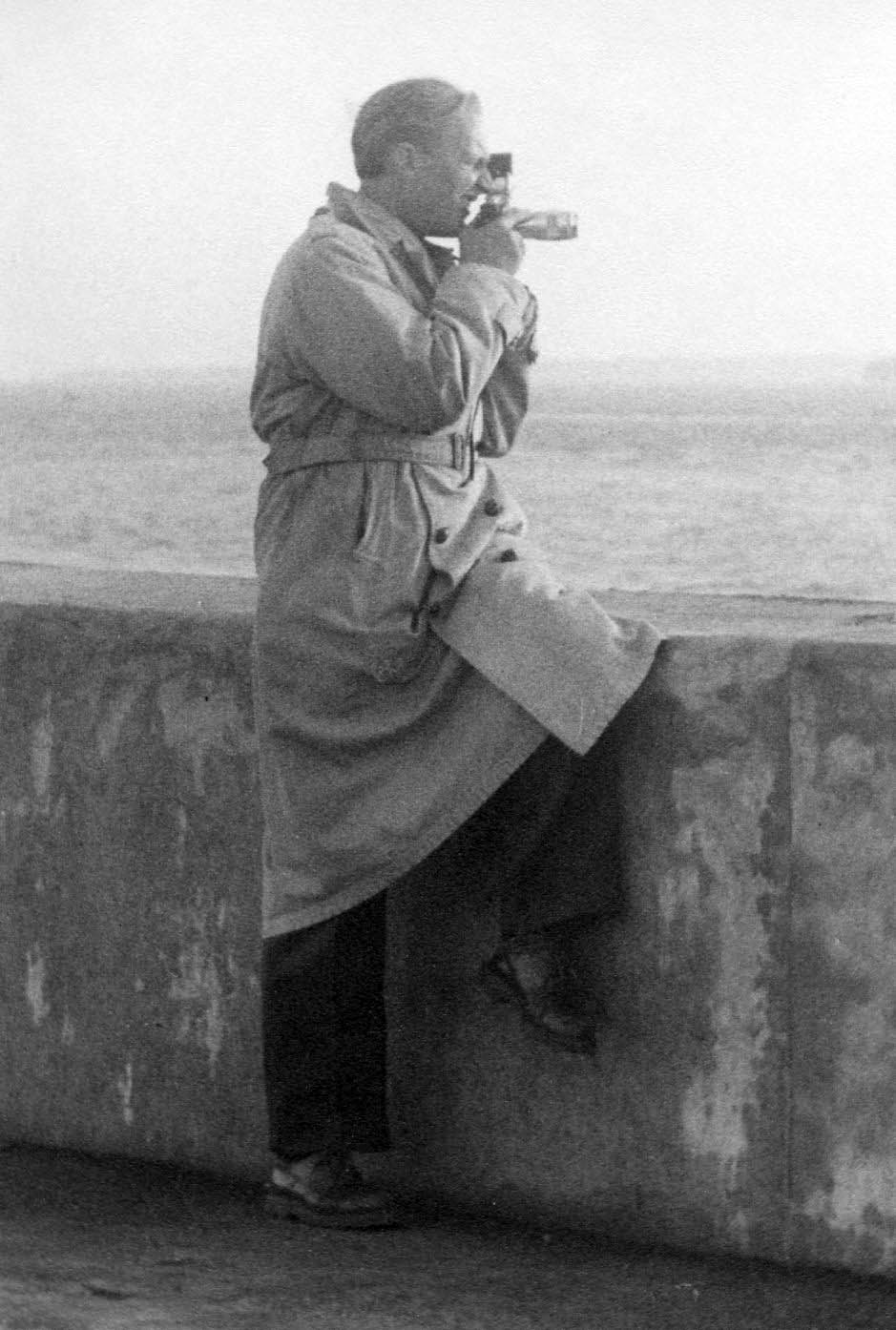
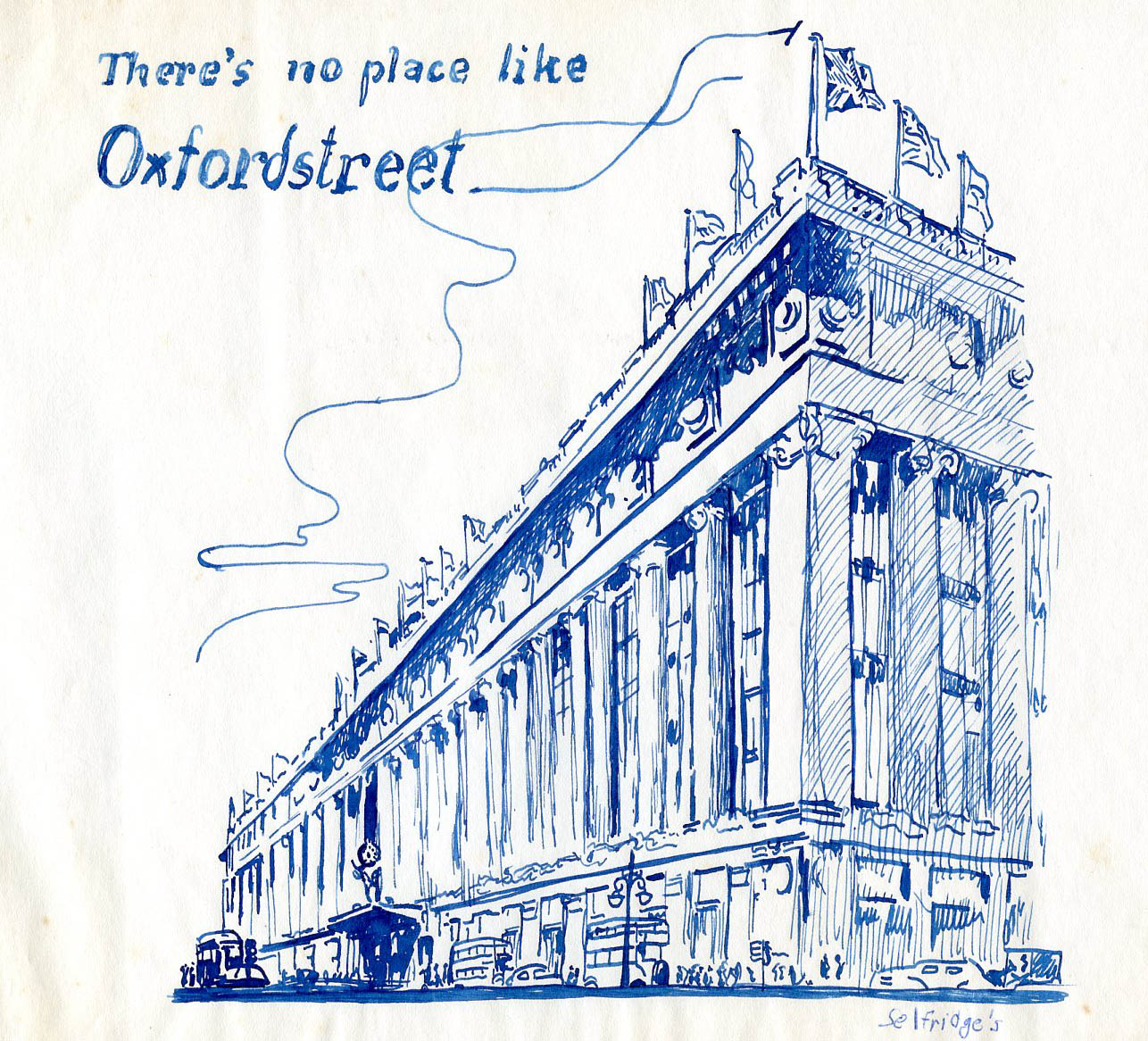
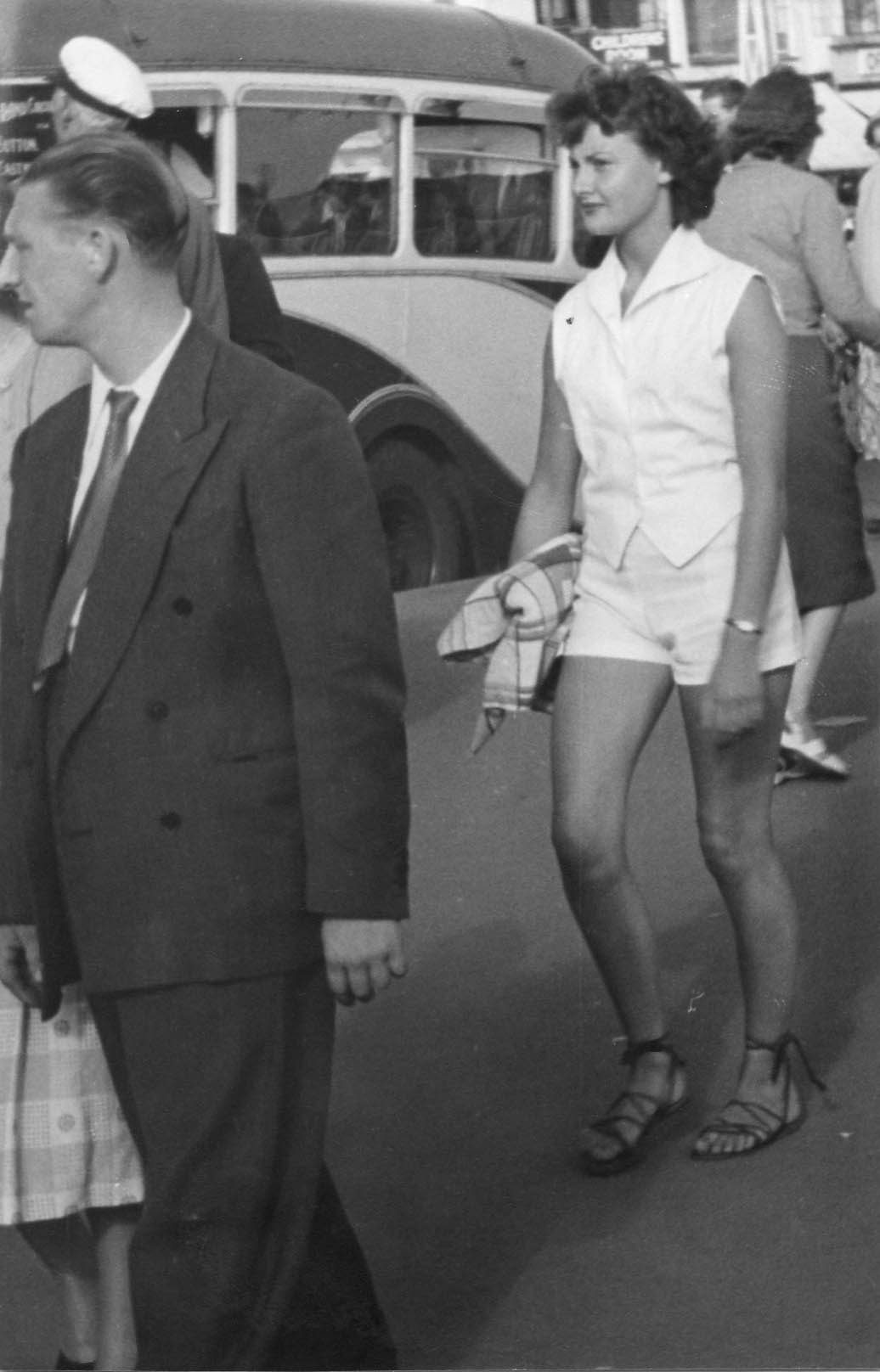

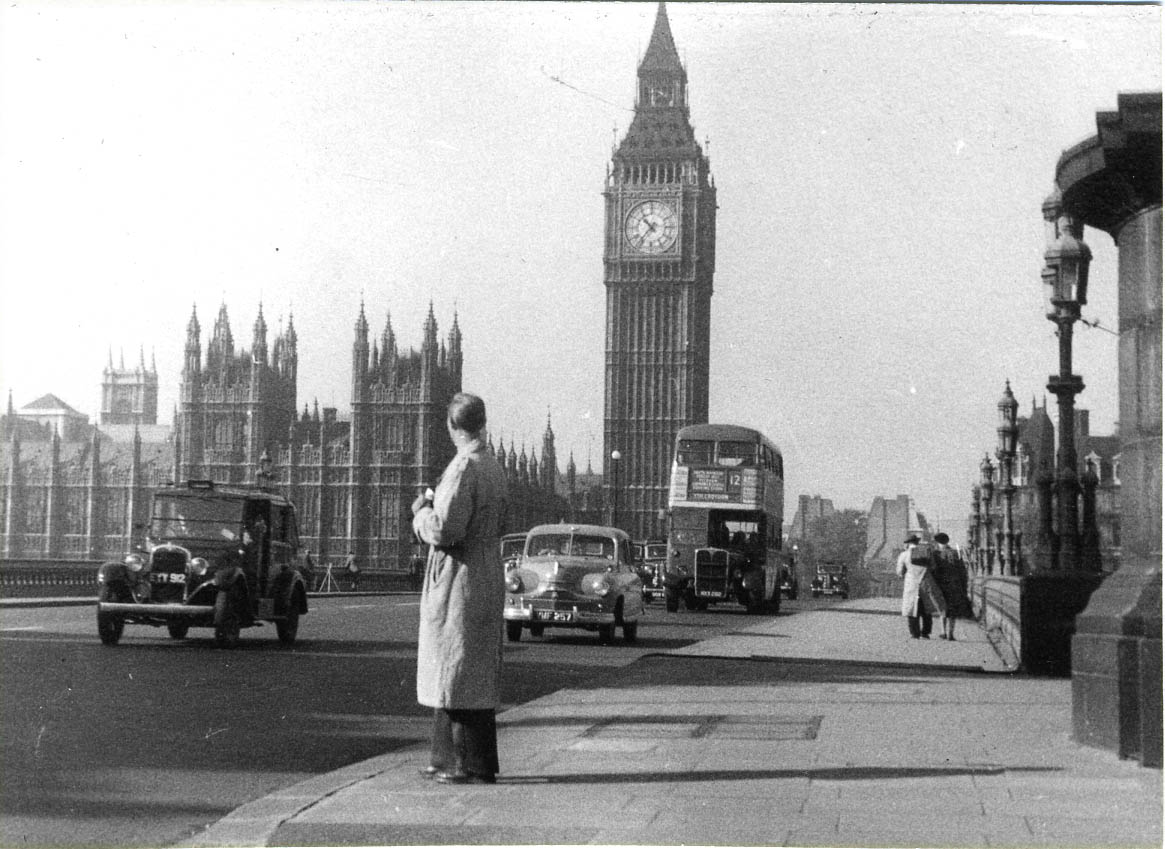
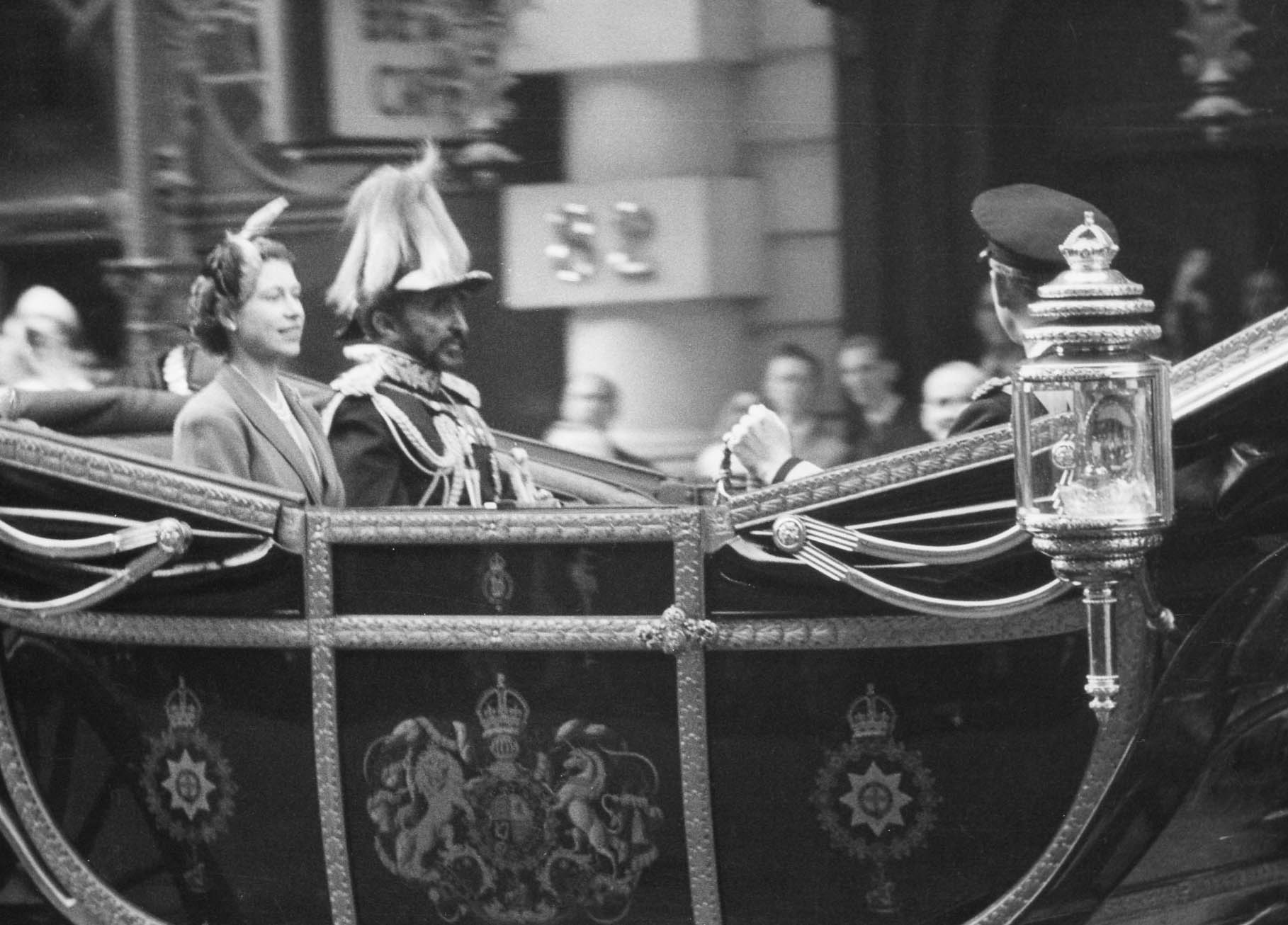


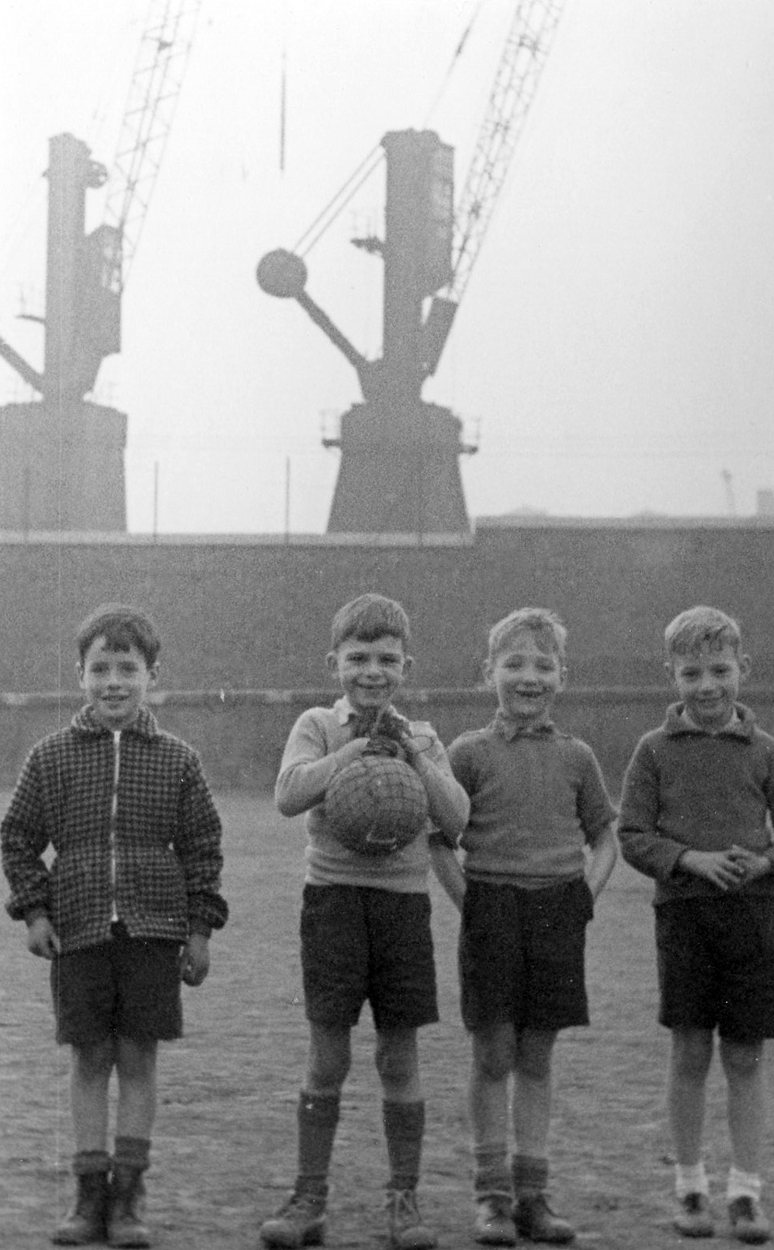


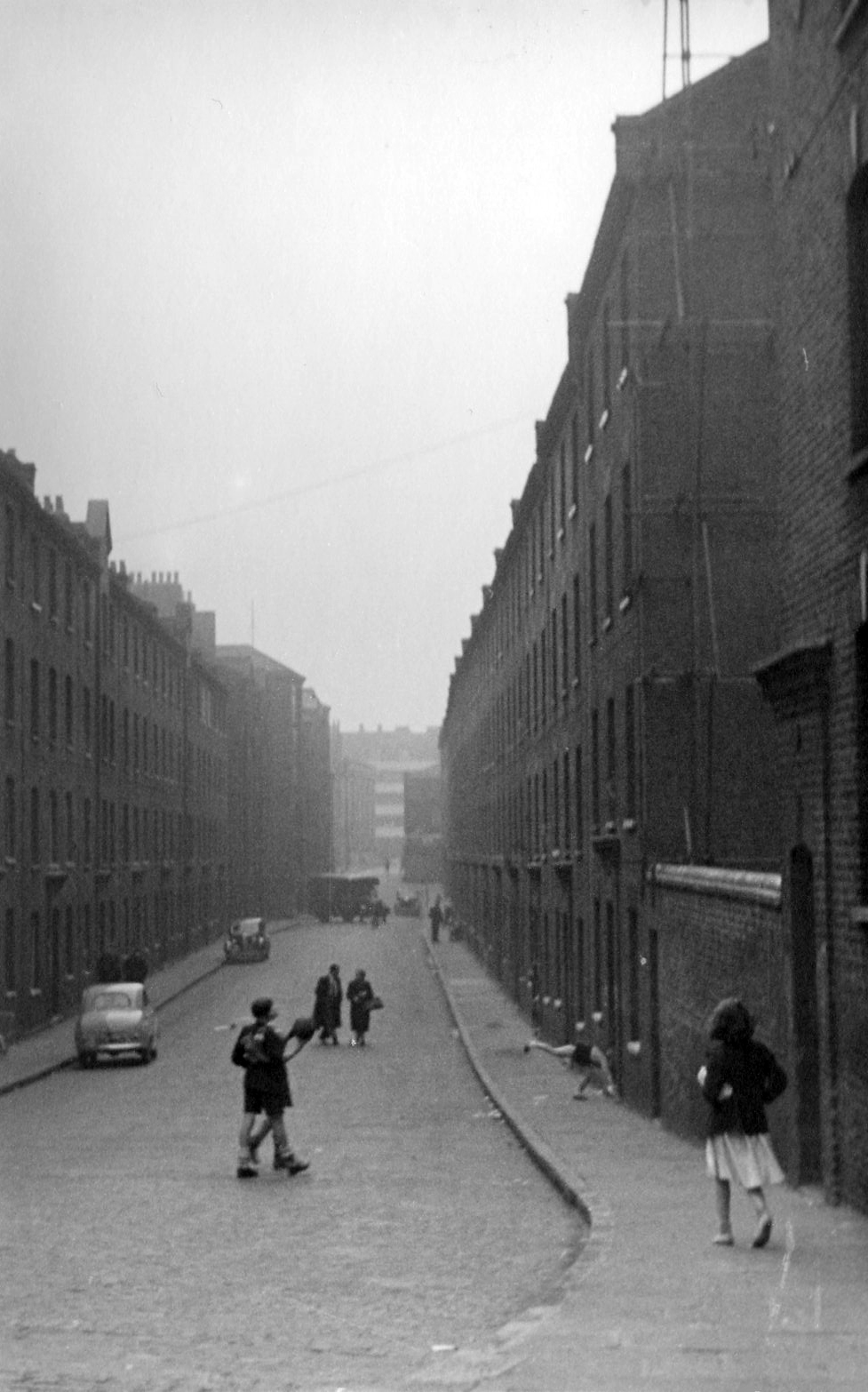


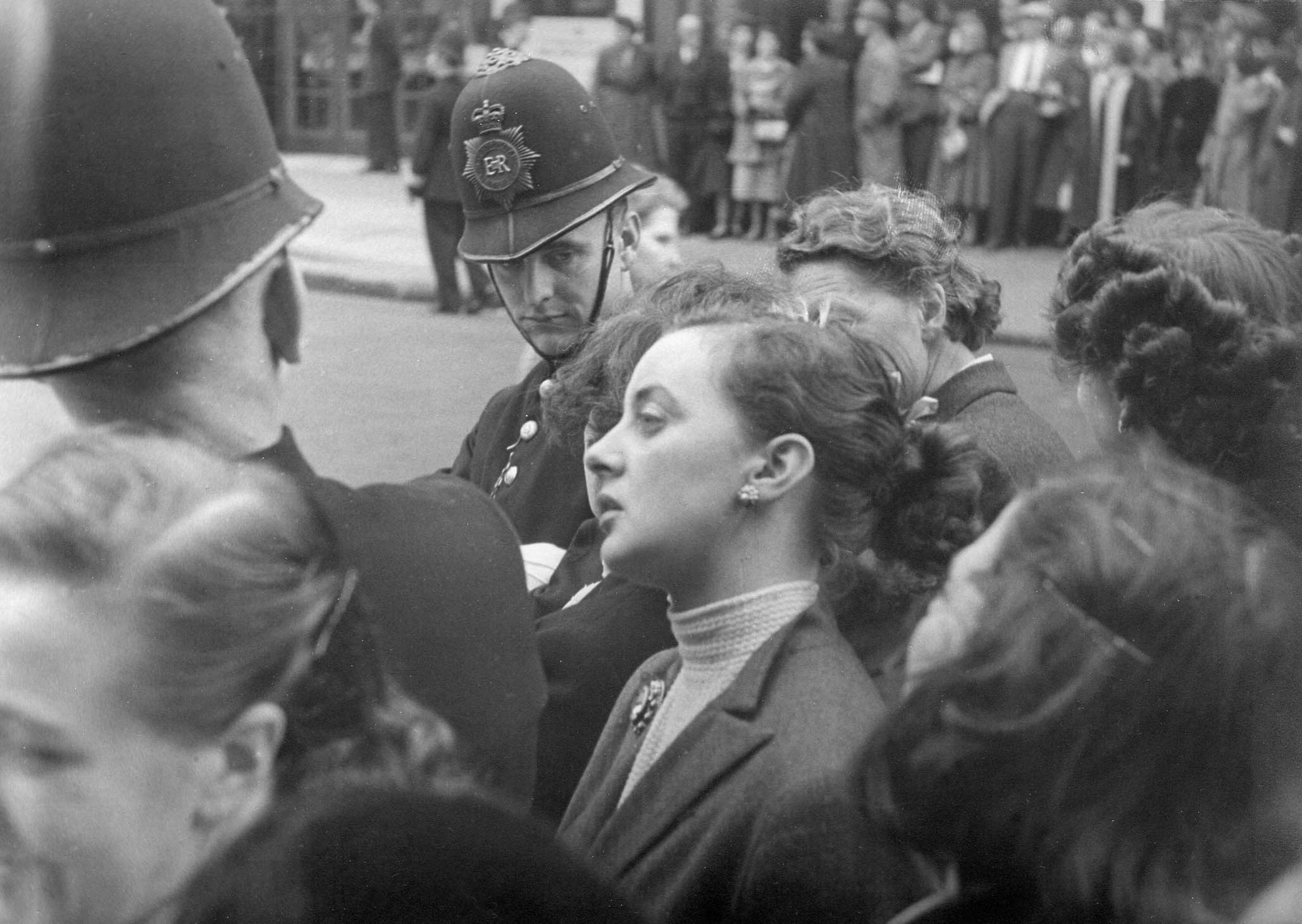
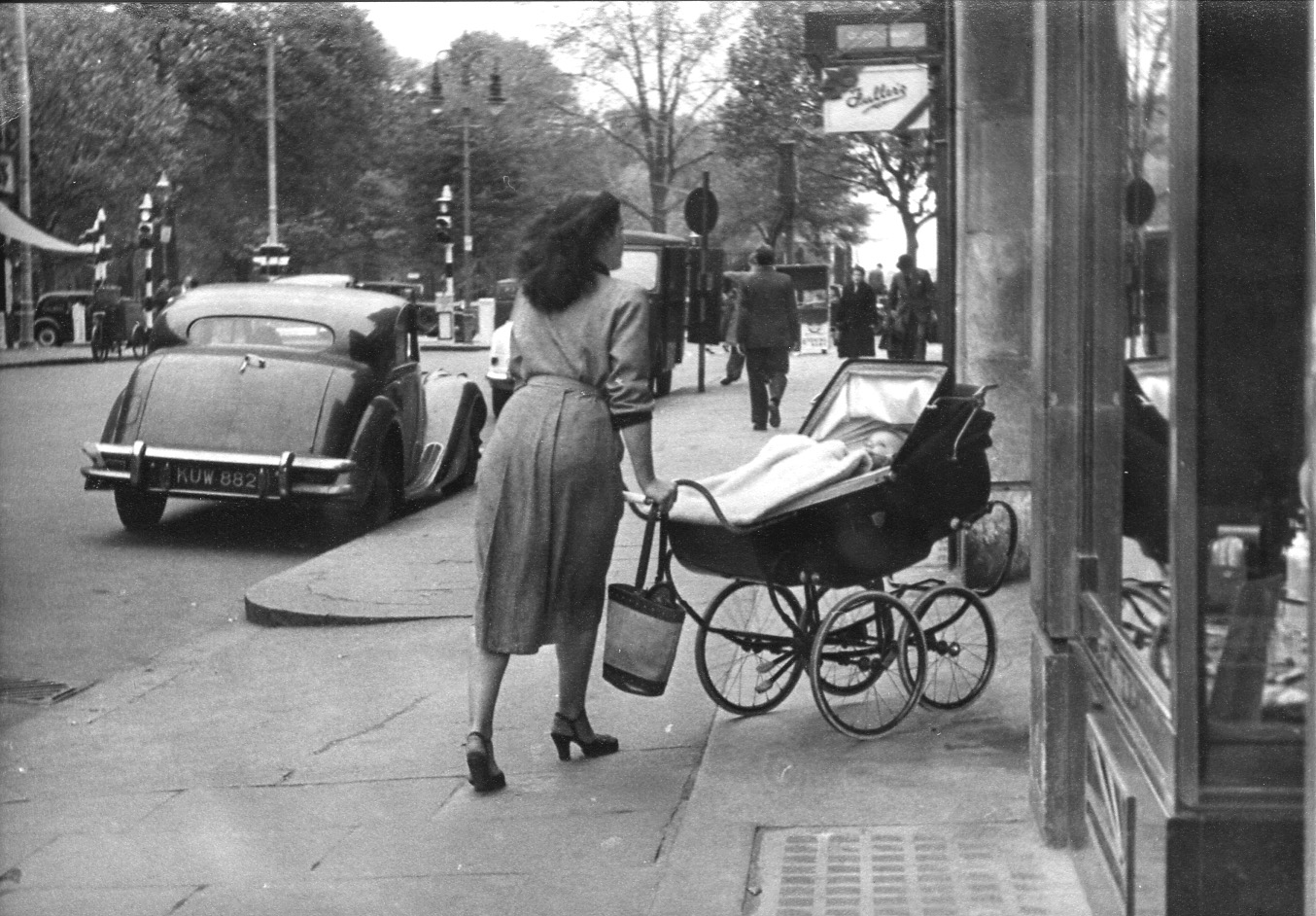




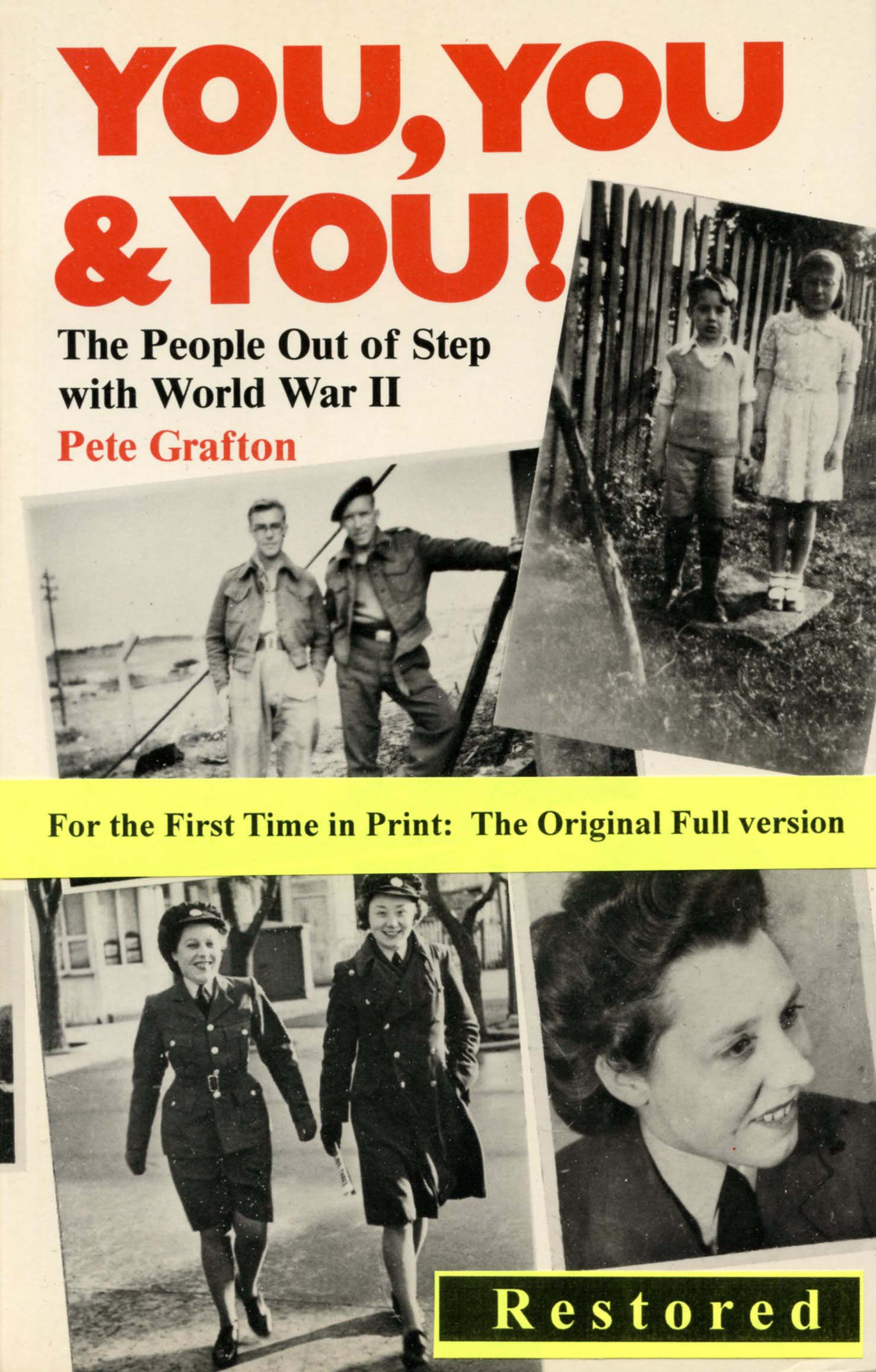


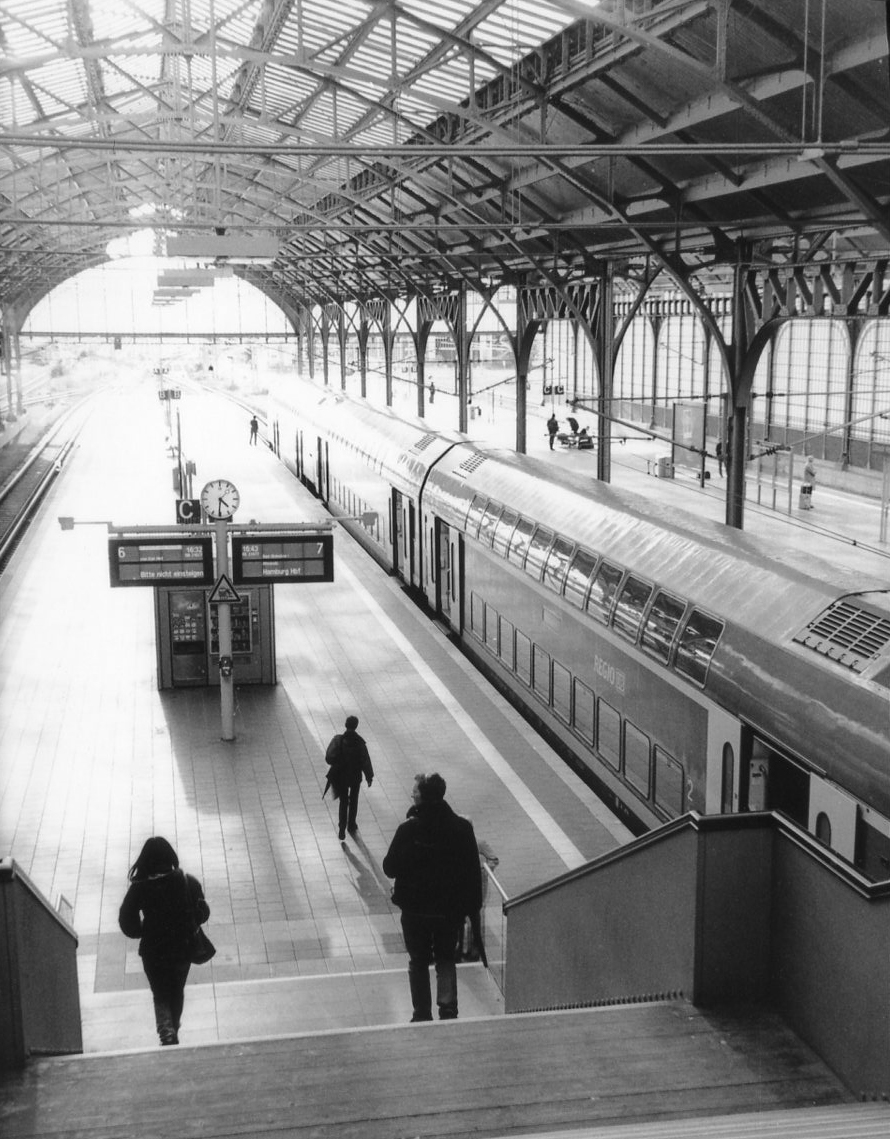


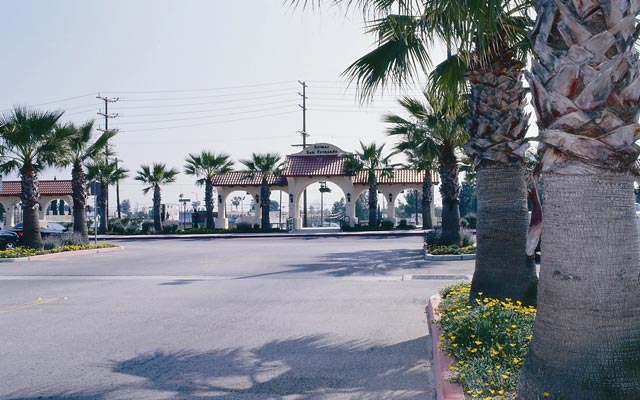


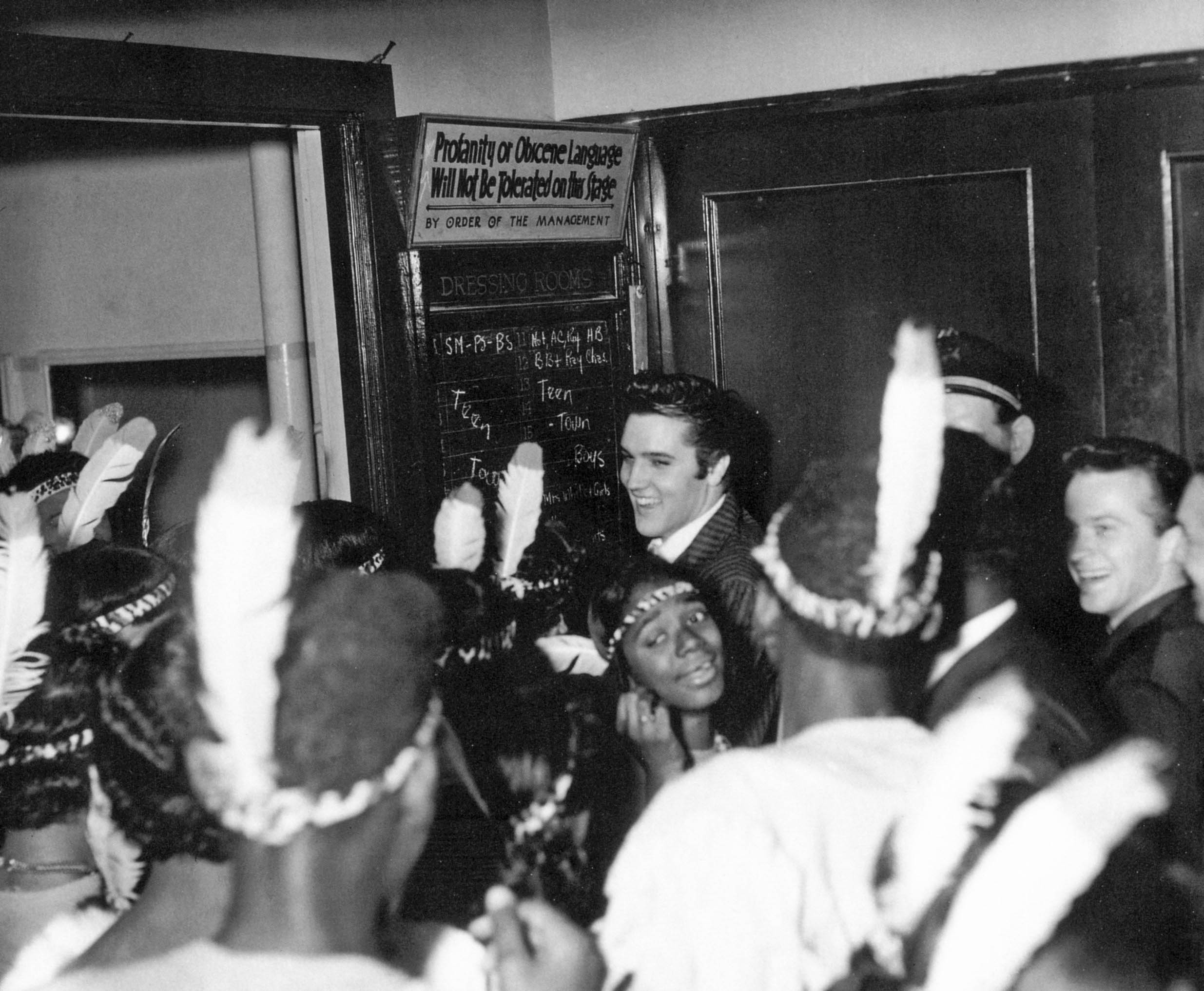


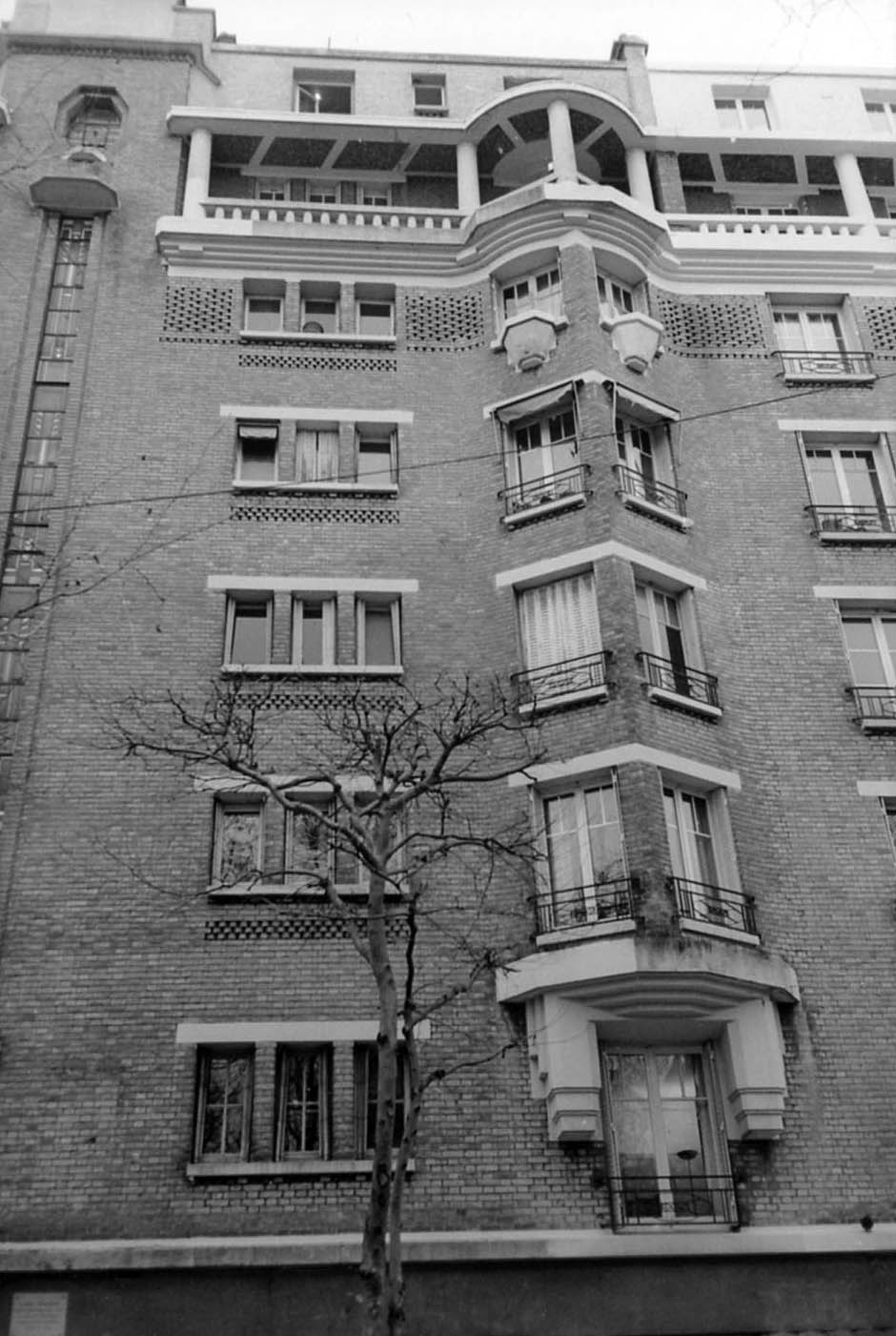


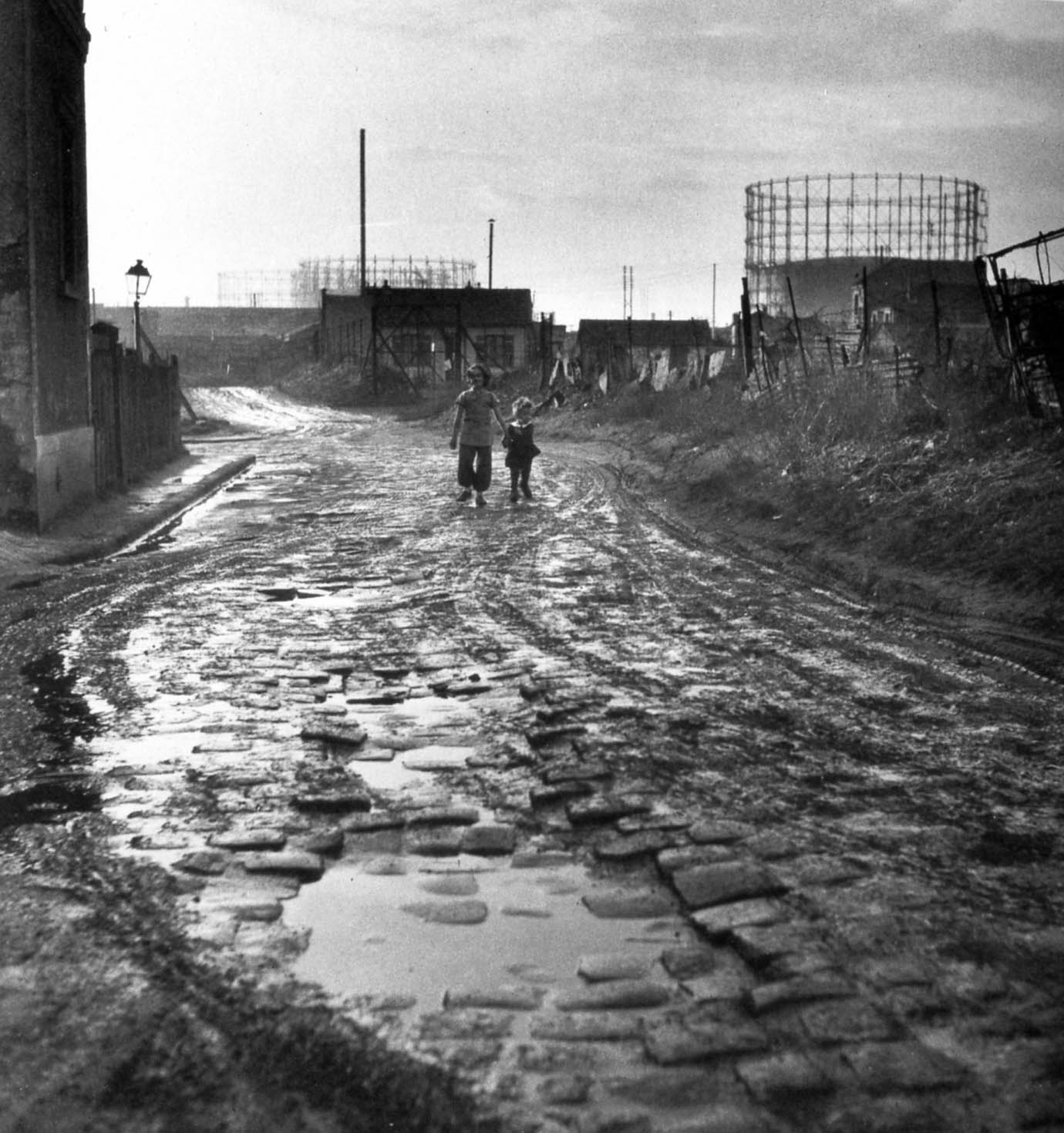


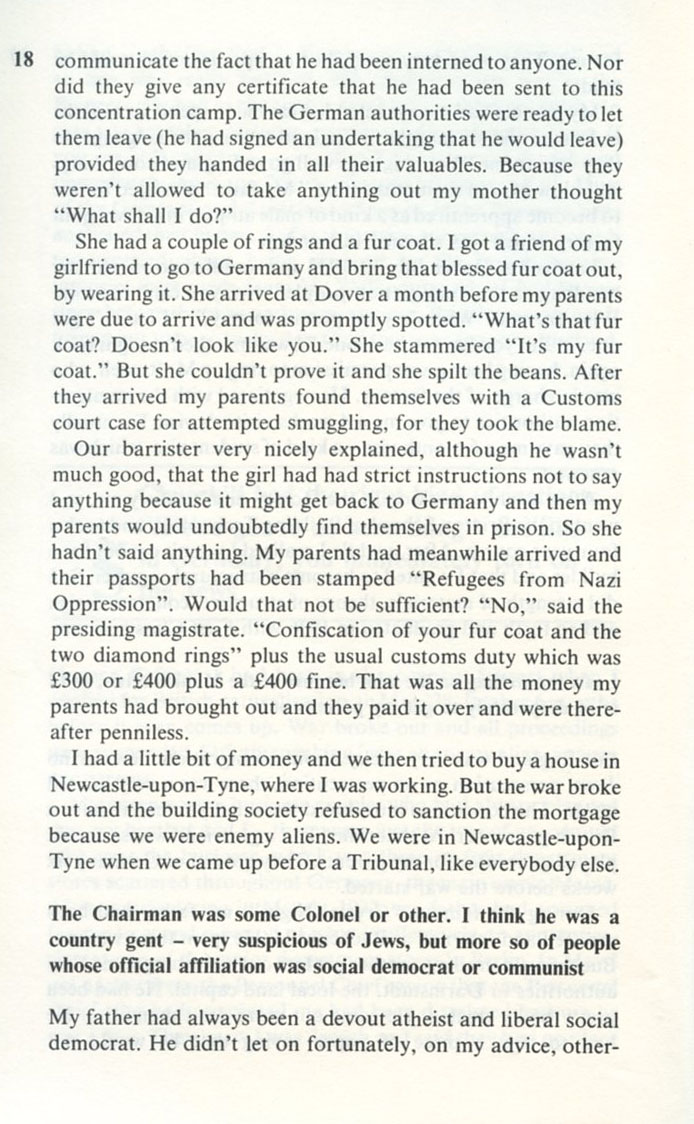




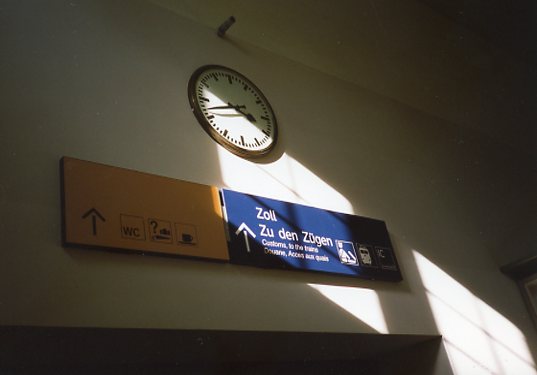


 pete grafton