Man on a mobile, start of the working day for some. Abbesses Metro entrance, Montmartre, Paris 18e. November 18, 2009.Map of Paris 18 area. With grateful acknowledgement Le Petit Parisien/Editions L’Indispensable, Paris.Steps up to Rue Garreau, Paris 18, November 18, 2009.Two women, Jardin Burq, off Rue Garreau, Paris 18.Three women, Jardin Burq, off Rue Garreau, Paris 18.
I had three cameras with me. A pre-1939 camera for black and white, and two for colour, one of which could be slipped discretely into, and out of, a jacket pocket.
Reading the morning paper, Rue Garreau, Paris 18.Seeing, Rue Garreau, near Place E.Goudeau, Paris 18. Rue Garreau, Paris 18.Not seeing, Rue Garreau, Paris 18.Two women, three pigeons, Place E.Goudeau/Rue Garreau, Paris 18.November leaves, buildings, a woman, Place E.Goudeau, Paris 18Hugging a tree or something more sinister? Place E Goudeau, Paris 18.The morning baguette, Montmartre, Paris 18.
The morning started with the sun peeking through the grey clouds, but then settled down to being overcast, before perking up again in the late afternoon.
Escorted tourist group, rear of Sacre Coeur, Paris 18. November 18, 2009.
As I took this photo I did not notice the gentleman, off camera, to my right. In his sixties. He smiled as he glanced and then took a closer, admiring look at the camera. It was a bashed early 1930s Rolleicord I was holding.
The bashed early 1930s Rolleicord.
“A good camera”, he said, with almost a loving smile, before he continued to guide the tourist group around the sights/sites of Montmartre. Soon the camera was also to be admired in the Place de Torcy fish market.
The back of Sacre Coeur, November 18, 2009.The back of Sacre Coeur, summer, 2000. Amelie on a moped with her young man. Closing sequence from Amelie (Le Fabuleux Destin d’Amelie Poulain). Grateful acknowledgement Canal+, France 3 Cinema, UGC.The wall of Rue de la Bonne and a couple. Can love flourish here? To the rear of Sacre Coeur, Paris 18, November 18, 2009.The wall of Rue de la Bonne, to the rear of Sacre Couer, Paris 18.Tree invaded ruin, near Parc de la Turlure, Paris 18.Federation Anarchiste flyer: “A Bas Toutes Les Religions!” (Down with All Religions) Near Parc de la Turlure, Paris 18. November 18, 2009.Place Jean Gabin, Paris 18.“French actor Jean Gabin as an army deserter in a scene from the film ‘Quai des Brumes’ (US title: Port of Shadows), directed by Marcel Carne for Cine-Alliance. (Photo by Hulton Archive/Getty Images)” – source imdb.comTop left, Place Jean Gabin. Right, Rue Doudeauville. Grateful acknowledgement Le Petit Parisien/Editions L’Indispensable, Paris.Another morning baguette and a Mum with child in a push chair, and a hint of Autumn. Rue Doudeauville, November 18, Paris 18.Rue Doudeauville travelling east to the junction with Rue Marx Dormoy. The short Rue d’Oran runs patellel to it just to the north. Rue Leon travelling north intersects both. Paris 18.Wake Up, Dude. Rue Doudeauville, Paris 18. November 18, 2009.
As you walk east along Rue Doudeauville toward the junction with Rue Marx Dormoy there is a greater presence of Africans and Arab North Africans, mostly from the former French colonies, such as Algeria (Algérie)
“No Entry”, Rue d’Oran, and a woman. Paris 18.Halal Boucherie Du Rond Point, area of Rue Leon, November 18, 2009. Paris 18.Dar es Salam store, Rue Leon, Paris 18.The Gospel (Jereme Kinzanza) & The Beat (Luckson Padaud, Cote d’Ivorie). Rue Leon area, Paris 18.Restaurant Best Africa, Rue Leon area, Paris 18.Red, White & Blue. Rue Leon area, Paris 18.Rue Doudeauville crossing the tracks of the Gare de Nord approach. Grateful acknowledgement Le Petit Parisien/Editions L’Indispensable.Eurostar, Gare de Nord, Paris . Photo source Unknown.Overhead wires, approach to Gare de Nord, from Rue Doudeauville. Paris 18, November 18, 2009.Rue Doudwauville, looking toward the junction with Rue Marx Dormoy, Paris 18. November 18, 2009.
A group of young gypsy women with long brightly patterned cotton skirts were approaching me as I walked along the left-hand side of the bridge towards the junction with Rue Marx Dormoy. They were relaxed, perhaps moving from one touting/scam spot to another. I have good street radar and I knew instantly something was going to happen. In a blink of an eye I took in that they had no back up, and there was no-one behind me. And then it happened. They were all attractive and almost with a kind of contempt the one in the middle took a look at me and flicked her skirt up. Revealed at the top of her perfect legs was a magnificent triangle of black pubic hair. I instantly responded with a smile and “C’est tres jolie, madame”. There was a snooty flick of her head and they continued walking. No hassle.
A moment or two later, time to focus my Rolleicord: Rue Doudeville looking up towards Rue Marx Dormoy, Paris 18.
Indian Restaurant (right), Rue Marx Dormoy, at the junction with Rue Douudeauville, Paris 18. November 18, 2009. On Google Maps the Indian restaurant was still in business, May, 2019.
I was making my way north east to Place Herbert, where in 1957 the photographer Robert Doiseneau had taken his well known photograph Les Enfants de la Place Hebert.
Les Enfants de la Place Herbert, Robert Doisneau, 1957. Grateful acknowledgement The Estate of Robert Doisneau.Map of Place de Torcy & Place Herbert, Paris 18. Grateful acknowledgement Le Petit Parisien/Edition L’Indispensable.Place Tourcy, circa 1900. A hot day – note the open roof skylight and the clothes drying from the open windows. Liquers & Vins to wet the throat. Source unknown.Place de Tourcy and bus stop, Paris 18. May, 2019. Google Street view. Grateful acknowledgement Google. The Chapel and building to the left is still there. Everything has been demolished and rebuilt to the right.
On my way I came across an open air market in Place de Tourcy with a lot of fresh fish. Those in the market were predominantly Arab and African, buying and selling. From my past Parisian experience this crowded environment was not good for “candid” photos. My experience was that these groups were usually wary or hostile to photos being taken in their vicinity. However,in the happy celebration that was to erupt later that afternoon, wariness went out the window.
Whilst I was mulling over the pros and cons of of taking a photo, unseen to me a man, a white man, in his 80s had come up to me. Like the guide near Sacre Coure he had spotted the Rolleicord hanging around my neck. He was erect and his clothes were pressed. He had a quiet presence. “C’est tres bon”, and realising French wasn’t my native tounge asked me where I came from. “Ah, Scotland. I know Scotland I was there in 1945. I was in Perth. I had been asked to give talks to your Commandos by Tom Johnstone. I was in the French Resistance, you understand. I liked Scotland. Do you know Tom Johnstone?” Tom Johnstone had retired – two months before I was born in July 1945 – from being Secretary of State for Scotland in the wartime British Coalition Government led by Churchill. I said I knew of Tom Johnston. (1). He smiled and nodded, and after a parting fond look at the Rolleicord, we shook hands and went our separate ways.
Tom Johnston, during his time as Secretary of State for Scotland (1941 – 1945). Photo source Unknown.
I decided not to take a photograph in the Place de Tourcy market, but later wished I had taken a photo of the gentleman who had been in the Resistance..
It was a short walk from there, along Rue de l’Evangile, to Place Hebert and Cafe La Piscine. I’d been there two years before, give or take a month…
White mother and children, Cafe de Piscine, Place Herbert, Paris 18. January 8, 2008. This is a side view of the Cafe de Piscine. Part of the front – the entrance – which has a canopy, can be seen to the left.Arab woman and child, Cafe de Piscine, Place Hebert, Paris 18. January 8, 2008.Les Enfants de la Place Hebert, Robert Doisneau, 1947. Grateful acknowledgement The Estate of Robert Doisneau. The “Coiffeur” and the building is no longer there, replaced by a small single story corner shop. The Police Box has also gone.Place Herbert, Paris 18. November 18, 2009. The front canopy of the Cafe de Piscene is clearly seen. The street to its left is Rue de L’Evangile.
I’d had the Plat du Jour when I was there in 2008, and knew the Cafe had a lively and friendly atmosphere. So sitting inside on the Rue de L’Evangile side of the Cafe I enjoyed the craic, surrounded by locals having their mid-day meal, joshing with each other and the cafe staff. Eating my Crème Caramel I heard a quick blast on a trumpet outside, a happy blast. The meal finished, the pichet drunk, I sat outisde under the canopy with a fresh glass. Again there was a burst on a trumpet and a car went past with the player leaning out the window, and the driving grinning, and then beeping his horn. A wedding celebration?
A woman sat down at the table to my left. I noticed there was a head of a little dog peeking out of the top of her shopping bag, as she put it on the floor. She was joined by a male friend. I was checking my cameras, seeing how much film was left in each, and looking at the notes I had made of what I wanted to photograph near Rue de L’Evangile. At some point I looked up and the man gave a jerk of his head with a smiling hint of a frown as if to say “What are you doing?” I explained I was following in the footsteps of where Robert Doisneau, and others, took photos in the area. He kindly corrected my pronunciation of Doisneau – I didn’t realise the “s” wasn’t pronounced. I showed them the photocopies I had of Les Enfants de la Place Herbert, and Rene Jaques’ La Calvare with the gasometers in the background at the eastern end of Rue de l’Evangile. They told me the gasometers were gone. They told me that above the bar inside was a reproduction of Doisneau’s Les Enfants de Place Hebert. I had never noticed. Like nearly all Parisians of their age they knew their Doisneau’s, their Cartier Bresson’s, their Izis and their Willy Ronis’s. Parisians, old and young, queue patiently to see a major exhibition by any of these Masters.
La Calvare de La Rue de l’Evangile. photo Rene Jacques, Estate of Rene Jaques.
I asked if I could take their photo. “Bien sur”. The little camera in my pocket had a fast film loaded for poor light.
Cafe Piscine, Place Herbert, Madam Fouquet and a friend. November 18, 2009.Madame Fouquet and a friend, Cafe Piscine, Place Hebert, Paris 18. November 18, 2009.
I said I would send her the photos if she gave me an address, once they were developed. She gave me the address of the Cafe Piscine. (I sent the photos. Note: photografton no longer exists. See instead petegraftonphotos.com)
Time to move on, but I needed the toilet. Inside I looked up at the photo of Les Enfants de Place Hebert above the bar. La Patron followed my gaze. “Vous etes Le Patron?” – “Oui”. We shook hands and I went down to the squatter toilet in the basement.
Looking at my street map and the time I decided to skip going down to the very end of Rue de l’Evangile and started heading south making my way to Rue Marx Dormoy. As I almost got there, there was excitement down a one-way side street – flares were going off. Flags were being waved. Algerian flags. This was no wedding, it was a party, a celebration.
Algerie 1 – Egypte 0 celebrations, Rue Riquet, Paris 18. November 18, 2009.
Algerie 1 – Egypte 0 celebrations, Rue Riquet, Paris 18. November 18, 2009.
Algeria and Egypt were fierce football rivals. This was a make or break game played in the Sudan to decide which team would go forward to play in the World Cup.
Algerie 1 – Egypte 0 celebrations, Rue Marx Dormoy, Paris 18. November 18, 2009.
Rue Marx Dormoy, Boulevard de la Chappelle & Barbes Rochechouart Metro. Grateful acknowledgement Le Peitit Parisien/Editions l’Indispensable, Paris.Family group on pavement, Algerie – Egypt 0 celebrations, Boulevard de la Chapelle, Paris 18. November 18, 2009.Algerie 1 – Egypte 0 celebration, man in car smiling at the camera with Algerian flag, Boulevard de la Chappelle. Late afternoon, November 18, 2009.
Walking along Boulevard de la Chapelle towards the Barbes Rochechouart Metro area the light was fading and the crowds and the cars were increasing. Up a quiet dark side street on my right I noticed riot police, “at ease, by the side of parked police vehicles, ready, if necessary. (2)
Algerie 1 – Egypte 0 cleberations , police woman on pedestrian control duty near Barbes Rochechouart Metro. November 18, 2009.Looking back to where the police woman was on pedestrian control. Metro train above. Barbes Rochechouart. Small boy holding the Algerian flag with one hand, and with the other an adult. Barbes Rochechouart, November 18, 2009.
Algerie 1 – Egypt 0, crowd control, Barbes Rochechouart, Paris 18. November 18, 2009.Algeria 1 – Egypt, young woman driving car, celebrations at Barbes Rochechouart, Paris 18.Algerian supporters hold a large photo of the Algerian National Football Team for the camera, Barbes Rochechouart, Paris 18. November 18, 2009.Tati “Les Plus Bas Prix” and two woman and a boy in the celebrating crowds, Algerie 1 – Egypte 0. Barbes Rochechouart, Paris 18. November 18, 2009.
As I walked West towards the predominantly white French area around Place des Abbesses the predominantly Algerian crowds thinned. What a day.
A year later…..
A year later, November 25, 2010, an Algerian flag is still on the steelwork of the Barbes Rochochouart Metro.
_____________________________________________
Footnotes
Tom Johnson (1881 – 1965) was a Labour MP, and was liked by most MPs, irrespective of their Party loyalties, during his time in the wartime Coalition Government. His invitation to the French Resistance gentleman to talk to Commandos in Scotland (or possibly SOE – Special Operations Executive – staff, rather than Commandoes), may have been stimulated by his concern for the possibility of an active Nazi resistance in the immediate post-war period in Germany. He expressed his concern to Robert Bruce Lockhart, a fellow Scot, and Director-General of the Political Warfare Executive, in a private conversation in the North British Hotel, Edinburgh in April, 1945. see The Diaries of Sir Robert Bruce Lockhart, Volume Two, 1939 – 1965.
As far as I know there were no crowd “disturbances” or riot police used during the evening of November 18, 2009, although there were rumours, unconfirmed rumours.
Americans holidaying in the south of France, circa 1956. There is a rack of picture postcards by the door; the woman holds a pencil, the gent is displaying what seems to be a tourist guidebook.
______________________________
A collection of Kodachrome slides from the Pete Grafton Collection.
Chateau D’If, Tourisme Nautique – Vieux Port, Marseilles, circa 1956.
What follows are Kodachrome slides taken by an American couple on holiday in France circa 1956. The year is a guess, based on clothes and cars. The photos are no later than 1957 as Kodak did not start dating the mounts of their Kodachrome slides (when processed) until 1958. The first group of photos including the two above were taken in the Marseilles, Arles and Avignon area in early Spring.
Extract from Michelin Map France Sud, 1965 revision. With grateful acknowledgment to Michelin.
All these Kodachrome slides were bought on ebay by Pete Grafton in 2008, from a vendor who regularly sold slides on the ebay site.
___________________________________
It seems the American visitors above took a trip on the Chateau D’If tourist boat around the old port (Vieux Port), besides taking a couple of snaps of local youngsters fishing.
Vieux Port (The Old Port), Marseilles.Vieux Port, Marseille, 1956.Vieux Port, Marseille. 1956.
Both boys have sand/mud on their hands. In 2019 these boys will now be approaching their mid-seventies.The American couple stayed a night or two in a hotel possibly either in or near Arles or Avignon.The American woman with…? A fellow hotel guest, or Le Patron de L’Hotel ? Or…?
The hotel dining room.The view from the hotel dining room. There is a chance the car seen on the left is a car hired by the American couple. There is a glimpse of a similar car in a photo of Le Palais des Papes (Palace of the Popes) in Avignon.Arles.Arles, Roman ruins.Arles, price of entry to Roman ruins and a cat sniffing the sign.Two young girls. Assumed to be Arles or Avignon. Detail.
Church entrance, with daughter, son and father, possibly. Assumed to be either Arles or Avignon. Detail.
Unidentified town square. “Cycles Magaly” and a Gendarme talks to a car passenger. Detail.
Pont d’Avignon (and dog).Avignon and a parked Cadillac, believed to be a Series 62, with a Norwegian plate. A sign to the right of the Banque de France indicates the way to Le Palais des Papes (The Palace of the Popes)Le Palais des Papes, Avignon.Avignon.Monument du Centenaire (detail), Avignon. Someone is looking out of the window above the Creme Eclipse signMonument du Centenaire, Avignon.Theatre Building, Avignon, detail.
Citroen 2CV and Volkswagen Beatle, believed to be in Avignon. (Detail). The country of origin of the all numeral registration plate on the Volkswagen has not, yet, been identified.
Avignon: “Services Touristiques, Provence Voyages“, and a Gendarme. Detail.
_______________________________________
Eh Maintenant?
Marseille, the Old Harbour, circa 1956. Note the washing drying out on the fourth floor.Marseilles, the Old Harbour. Grateful acknowledgement Vichie81/Shutterstock.
Henri Cartier-Bresson…?Edouard Boubat…?Sniper fire, Paris, August 1944. Photo: Robert Doisneau…?Spain, 1950. Photo: Eugene Smith…?Nehru. Photo: Margaret Bourke-White…?Photo by Willy Ronis…?Photo by Izis…?Photo by Robert Capa…?Photo by Robert Frank…?Photo by David Douglas Duncan…?Audrey Hepburn, 1956. Photo by Bert Stern…?
Photos by Bert Hardy, all of them.
_____________________________________
All above photos are by British photographer Bert Hardy, 1913 – 1995. He was almost to the year an exact contemporary of the marvellous French photographer Robert Doisneau, 1912 – 1994. A Channel on You Tube with examples of Robert Doisneau’s work has, at the time of writing, attracted 40,699 views. A Channel on You Tube with examples of Bert Hardy’s photos, posted in 2016, has attracted 111 views at the time of writing.
At present – October 2018 – there are over twenty books listed on Amazon UK of collections of photographs by Robert Doisneau. There is just one book currently in print that features some of Bert Hardy’s work Bert Hardy’s Britain available from Amazon UK. In fact, Bert Hardy’s Britain, published in 2013, is the only book in print available anywhere in the world, that features Bert’s photographs.
STOP PRESS October 19, 2018. Bert Hardy not listed on the Wikipedia entry for the ground-breaking The Family of Man exhibition at the Museum of Modern Art, New York, 1955. He had three photos in the exhibition. See story further down.
______________________________________
Baby Bert, Bert Hardy summer 1913, Priory Buildings, Blackfriars, London. “My Mum with myself at a few months old“. Source Bert Hardy: My Life, London 1985.
Bert Hardy was born in May, 1913 a year and one month after Robert Doisneau. Robert’s Dad died when he was four, and his mother died when he was seven. He was brought up by an unloving aunt in the working class district of Gentilly, just the other side of the Paris city boundary. Bert was the first of seven children that his Mum and Dad had, and the family lived in one room with a scullery in Priory Buildings, Blackfriars, London, a stone’s throw from the Elephant & Castle district on the south side of the Thames.
Leaving school at the age of thirteen in 1926 he got a job at a place called the Central Photo Service, by chance rather than design. His aunt had seen a “Lad Wanted” sign when she was charring (cleaning) in the London Strand area. It turned out his job was to help a young Scottish girl develop and print rolls of film that he was to collect from some Chemists in central London. He and her were the total staff, the owner being elsewhere in the building.
” (Re. the chemists) I went round twice a day, walking or jumping on the back of carts to save my bus fares. In between rounds, the Scottish girl taught me how to develop and print, and also some other interesting activities you can get up to in a darkroom. I was a quick learner.”
He goes on to describe the primitive set-up and equipment in the darkroom, and then describes the photos that he and the Scottish girl processed.
“Apart from the usual ‘happy snaps’, an astonishing number of people sent in naughty pictures. There were one or two chemists in Soho from whom we expected that sort of thing: pictures of prostitutes for their clients, and we adjusted our rates accordingly. But there was a chemist’s at the top of Northumberland Avenue from which we quite regularly collected films sent in by a famous surgeon.
The surgeon’s pictures were always beautifully taken on a quarter-plate camera on roll film, six pictures in a roll. All the pictures were of popsies: beautiful creatures with nothing on doing the most terrible things, but always wearing marvellous hats. And the last picture on each roll of the film was always of the surgeon himself: a stout gentleman with no clothes on, and the tiniest little withered thing between his legs.
I don’t suppose he appreciated what an opportunity for blackmail he gave. Instead, we charged him double and printed up copies for ourselves.”
Working in the darkroom rubbed off on him and he bought in a pawn shop what he described as an old second hand plate camera – which would make it a turn of the century item. The first photograph he made money from, selling to friends and others, was taken of King George V and Queen Mary, resting the camera on the head of one his sister’s to steady it.
King George V and Queen Mary, Blackfriars Road, London. Photo by a teenage Bert Hardy.
He also photographed his family.
“One of my earliest photos taken with flash powder. Bath time at the Priory Buildings”. Photo by a teenage Bert Hardy.
As his self-taught photo skills developed so did his passion for competitive cycle racing. He began to sell photos to The Bicycle for a good rate.
Photo by Bert Hardy mid to late 1930s. Sold to The Bicycle.
Bert left the Central Photo Service in 1939 and started working for a professional photo agency that supplied photos to the national daily press. His camera skills and his eye for a photo story got noticed and he joined the top British photo news weekly Picture Post on 3 March 1940.
The Picture Post cover on the week Bert Hardy joined the magazine. Picture Post, March 9, 1940 from the Pete Grafton Collection.
Bert was straight away involved in covering stories connected to the Second World War from the British perspective, getting front page coverage.
Mono reproduction of Bert Hardy cover for A Trawler in War-Time, Picture Post March 21, 1942. From Bert Hardy: My Story, London 1985.Bert Hardy photo aboard a trawler in heavy seas, Picture Post March 21, 1942. From Bert Hardy: My Life, London, 1985.
Whilst he was working for Picture Post he received his call-up papers in 1943 (war service in the armed services). His editor Tom Hopkinson tried to get him deferred, arguing that he was valuable as a war photographer with Picture Post. No luck. He had to go in the army and was assigned to the Photo Unit, and had the indignity of being taught as a beginner, and was issued with a sub-standard camera for war work.
Somehow during his time in the army he managed to supply photos to Picture Post. At that time British press and news magazine photographers did not get a credit byline next to their work, so his photos being anonymous, he could get away with it In France post-D Day, and still with the army, photographer George Silk of Life and Robert Capa were working as war correspondents.
“I met up with them. They both knew me and told me they liked my work. They stayed in some luxury at the billet obtained by the canny officer in charge of public relations, who was very talented at that sort of thing: but when they invited me to come and have a drink with them, I wasn’t allowed to – the Mess was for commissioned officers and war correspondents only.”
Carl Mydans and left, George Silk. Life magazine war correspondnets. Photo source: Getty, with grateful acknowledgement.Robert Capa, war correspondent. Photo: unknown source.
Bert Hardy in jeep with Wehrmacht prisoners on the bonnet. The prisoners are possibly there to deter enemy snipers or an ambush. Photographer unknown. From Bert Hardy: My Life, London 1985.“My first frightening encounter with the enemy came when we were heavily mortared. I came closer to death, however, when I nearly detonated a land mine in my efforts to seek cover.” Photo Bert Hardy. From Bert Hardy: My Life, London, 1985. Robert Capa was to die stepping on a landmine in French Indo-China (Vietnam) in 1954.
_______________________________________
“…when we came in sight of Notre Dame, there was a sudden flurry in the crowds of people. It took me a little time to understand what was happening: there were German snipers firing…” Photo Bert Hardy. From Bert Hardy: My Life, London, 1985.
Bert saw and photographed atrocities by German forces on Belgium civilians; went in on the first crossings of the Rhine, was at Belsen at the time of its liberation and concluded his time with the army in Europe by taking a photos of the Soviet Marshall Zhukov with Generals Eisenhower and Montgomery near Frankfurt. Although in May, 1945 the war was over in Europe, he was still in the army. He was a sergeant.
He was next posted to the Far East, where he continued taking photographs, including the hanging of Japanese war criminals. It wasn’t until 8 September 1946 that, still a soldier, he arrived back in Liverpool on the troopship Monarch of Bermuda. He then had to travel through the night to Number 77, Military Demobilisation Unit, Guildford, where a £2 ‘mess fee’ was extracted from him. (At the time, about a third to a half of an unskilled workers weekly wage.) As he wrote “By nine o’ clock that morning, fleeced, I was a citizen again, plain Bert Hardy”.
_______________________
A few days back in England and Bert got in touch with Tom Hopkinson, the editor of Picture Post, who immediately offered Bert his job back at Picture Post, at £1000 a year. Bert said he wasn’t sure, as the price offered might not cover his expenses. A few days later Tom came back with an offer of £1,500 a year. “It was an offer I couldn’t refuse.. It was good to be back at work for Picture Post at a period when the paper was at its greatest”.
Within a month of working on photo stories in England, Tom Hopkinson sent him out East again, this time working for Picture Post and an assignment in India, covering the opening of the Indian Constituent Assembly after independence from Britain. He and a journalist were granted an interview with the new Prime Minister Jawaharial Nehru.
“Nehru was a fine man for whom I had a tremendous respect, but people’s characters only emerge in their actions, or in certain facial expressions… (as the journalist was talking to Nehru) I was shooting away quietly when Nehru absently-mindedly picked up a rose from the bowl of his desk and sniffed it. I took the picture instantly, it was what I wanted.”
Monochrome reproduction of Picture Post Cover, February 8, 1947, featuring Bert Hardy’s portrait of India’s first prime minister, Jawaharial Nehru.
______________________________________
In the post-war 1940s and into the 1950s Bert covered everything, to racial tensions in London’s Notting Gate, emerging star Audrey Hepburn, Cardiff’s Tiger Bay area, downtown Liverpool, Tito and his wife in Yugoslavia, the village life and grape harvest in a French village…. He loved working with available light – he was a genius with it and with his darkroom experience he knew how to get the best out of a difficult negative.
Chinese cafe, Liverpool. Photo: Bert Hardy.Couple in a basement room, from the Picture Post story on the Elephant & Castle area, London, late 1948. Photo Bert Hardy.
The photo of the loving couple with the light streaming in, in the Elephant & Castle area of London is one of this writers favourite Bert Hardy photos, and has been for many years. However, reading Bert’s own story about it, in Bert Hardy: My Life, it’s not quite as it seems. Working on the Elephant & Castle story Bert was only a stone’s throw from where he was brought up in Blackfriars. Wandering around with his camera a woman shouted out “‘Ow about taking a picture of me love?” Looking at some run-down buildings he asked her what they were like round the back. “Bleedin’ awful. Come and see for yourself.”
“Following her down a narrow passageway to a tiny yard about ten feet square… I saw, through a window, a young couple half-lying on a sofa just inside. I asked “What’s it like inside?” She said, “Come and have a look”.
I went inside and asked if I could take a few pictures. They seemed totally unconcerned. When I set up my camera and tripod, they watched me blankly, without moving. In the end we discovered the reason: the girl was a prostitute and the man was a Canadian who had been released from prison the day before; they had spent a hard night in bed celebrating his release.”
It turned out that his guide Maisie, who had told Bert to take her picture, was also a prostitute, and she was a great help to Bert and A.L.Lloyd, the Picture Post journalist, whilst working on the story.
The two of them had just returned from doing a feature for Picture Post on the Gorbals slum tenements in Glasgow. One of the photos that Bert took, and is well known for, was also his favourite picture.
Gorbals boys, 1948. Photo Bert Hardy. “My favourite picture: this reminds me of what I was like when I was a kid. In this story I concentrated on the children, and how they kept their spirits up in conditions which were often dreadful.” From Bert Hardy: My Story, London 1985.
___________________________
The Pool of London
Just over a year later in December, 1949 he and journalist Robert Kee did a story on the Pool of London. It is reproduced here, from the Pete Grafton Collection, as a representative example of Bert’s work. Picture Post, 3 December, 1949.
Some weeks before the Pool of London story was run by Picture Post its writer Robert Kee had been a Witness at the marriage of George Orwell to Sonia Bronwell in the University College Hospital, London, on October 13, 1949. Orwell was being treated for his damaged TB lungs. Orwell was too weak to stand and sat up in his hospital bed for the ceremony. His novels Animal Farm (1945) and Nineteen Eighty-Four (June, 1949) had highlighted the dangers of totalitarian communism and totalitarian societies dominated by cult personalities, such as Stalin. The post-war 1945 period in the Soviet Union, Eastern Europe and China alarmed him. He died in hospital from a burst lung in January, 1950, aged forty-six.
__________________________
Korea, 1950
In August, 1950 Bert Hardy was again sent to the East, this time Korea, with journalist James Cameron.
Inchon landing, Korea, September 1950. “All hell was going on around us when I photographed the actual landing, but my chief worry was to get my pictures before the last light went.” Bert Hardy, from Bert Hardy: My Life, London 1985.
Communist North Korea, backed by the Soviet Union and communist China, had invaded South Korea on 25 June, 1950. The United Nation condemned the invasion and sent UN forces to repel the invaders. The UN troops were not effective at containing the invading communists until UN forces landing at Inchon in September, 1950. Bert Hardy and James Cameron covered the landings.
Bert Hardy in Korea, 1950. Unknown photographer. Copyright, with acknowledgment, Getty.
Political Prisoners
Whilst doing follow up stories in Korea they came across brutal treatment of prisoners taken by South Korean Forces, which Bert said reminded him of some of the scenes he had seen in German at Belsen in 1945. Making enquiries he and James Cameron were told the prisoners were not North Koreans, but political prisoners, people suspected of having ‘the wrong views’. “We wondered how young boys of fourteen could possible be ‘political’ prisoners…… At intervals a batch of them would be separated from the rest and herded into the back of a lorry which then drove off. Our impression was that they were being taken off to be shot. We were appalled, and decided that we must try and to do something about it. We went to the United Nations Office, and they didn’t want to know.”
They went to the Red Cross who referred them back to the United Nations Office, who said what their allies the South Koreans did was not their concern. “Jimmy Cameron and I were horrified by what we saw, and checked very carefully before sending back our story. We knew it would cause trouble, but not that it would also change Picture Post for ever…”
Bound UN political prisoners, Korea, 1950. Photo by Bert Hardy, from Terror in Korea: We appeal to U.N. Text James Cameron, photos Bert Hardy. Supressed by Picture Post owner Edward Hulton.
Their time in Korea over, they returned to London.
“When we reached London we found that Tom (Hopkinson, Picture Post editor) had been holding over our story on the North Korean political prisoners until we returned, just to make sure that everything about the story was quite right, and that we hadn’t distorted or missed out anything. In fact the story about the incident had already appeared in The Times, but Tom was still worried. The combination of Jimmy’s writing and my pictures would really bring what was going on home to people. Because of its implied criticism of the United Nations, it was bound to create controversy. Tom was concerned because Edward Hulton, the proprietor, was known to dislike controversy. He wanted to be absolutely sure about the story before he printed it.”
Bert and A.L.Lloyd (Bert Lloyd) meanwhile were assigned to do a topical piece on the annual British Bonfire Night.
“Bert Lloyd (A.L.Lloyd) and I were wandering around London looking for the best Guy Fawkes we could find… when we heard that Hulton had personally ordered the presses to be stopped at Sun Engraving in Watford, and the issue of Picture Post to be made up again without the story of the political prisoners.
Bert Hardy: “The layout for the story that was never published, for which Tom Hopkinson was sacked.” From Bert Hardy: My Life, Godron Fraser, London, 1985.
… There was talk of mass resignations if this sort of interference in editorial policy happened again….. Tom was sacked for refusing to comply with Hulton’s request… In spite of all the talk of mass resignation, most of the others stayed put. By sacking Tom, Hulton was forced to make him a payment. But anyone who resigned would not get anything except the salary they were owed. Even for Jimmy and me, who had done the story, resignation was not a luxury we could afford. Tom called a meeting and advised us all to stay on. For the photographers particularly there were no other magazines to compare with Picture Post as outlets for their work…. Looking back on it, it seems quite clear that without Tom’s social commitment, Picture Post lost its edge and its popularity. Contrary to the opinion still held in Fleet Street, people aren’t only interested in pictures of pretty girls when they buy magazines.”
_________________________________
Bert continued to work for Picture Post until it went out of business in 1957, and continued to be the Complete Photographer that he was.
Journalist Katherine Whitehorn, Hyde Park, London, 1956. Photo Bert Hardy.Sunday morning on the Champs Elysees, Paris. Photo Bert Hardy.
In a Picture Post feature he took several photos with a cheap box camera, to show that it was possible to take a good photo without needing an expensive camera. From this feature a photo of two chorus girls on the seafront railings at Blackpool became a well known Bert Hardy photo.
Chorus girls on the front at Blackpool. Photo Bert Hardy. Taken on amatuer Box Brownie camera.Kodak Box Brownie, similar to the one Bert Hardy used on the Blackpool photo. A basic camera but one that had extras such as a push-on close up lens and a yellow filter to bring out the depth of a blue sky and increase contrast.
__________________________
STOP PRESS October 19, 2018. Wikipedia wipes out Bert Hardy at the ground-breaking Family of Man photo exhibition at the Museum of Modern Art, New York, 1955, curated by Edward Steichen.
Family of Man exhibition book, New York, 1955.Bert Hardy full page in the Family of Man exhibition book, p.124, New York, 1955.Bert Hardy, Elephant & Castle couple , with other selected photos, p.131 Family of Man exhibition book, New York, 1955.
“…Most photographers were represented by a single picture, some had several included; Robert Doisneau…” Wikipedia entry on the Family of Man Exhibition, on-screen shot October 19, 2108. Bert Hardy had threephotographs selected.“The following lists all participating photographers. (see original 1955 MoMA checklist)” – online Wikipedia detail from their Family of Man item. Bert Hardy is not on this Wikipedia list, but is on the MoMA list.
The MoMA online site, under the Family of Man entry lists the three selected Bert Hardy as follows:
Section 28, Religious Expression, No. 368, Burma, Bert Hardy.
The writer hopes to correct the omission of Bert Hardy from the Wikipedia entry on the Family of Man photo exhibition, New York, 1955, shortly.
_________________________
Life after Picture Post
When Picture Post folded in 1957 Bert worked freelance for Odhams Press, and found that he was earning more money. Then he had a spell working for the Daily Express as their Paris photographer, and then he branched out very successfully into advertising.
“Advertising jobs began to flood in: when I arrived on the scene advertising photography tended to be rather formal. I introduced the 35mm camera and the inventive story-telling approach which had been so popular in Picture Post, to give a fresher, more candid look.”
One of his images, that he created, was for the 1959 promotion of a new WD & HO Wills cigarette, Strand.
“At about midnight we were on the Albert Bridge, with some final shots of the model leaning against the parapet. Terry (his younger son) was holding a strong torch to get just enough light on the man’s face to make it look like a lamp-light.” Bert Hardy from Bert Hardy: My Life.“The Strand picture above was the first 35 mm photograph to be made into a 48-sheet poster” – Bert Hardy from Bert Hardy: My Life.Michael Caine as Alfie walks across a night-time Waterloo Bridge, Alfie, 1966.
It was a strong image, the lone man, never alone with a Strand. People of that generation remember it, even though they didn’t take up the cigarette, which bombed. No smoker of that era wanted to be seen as a lonely person. Perhaps an aspect of the image subliminally entered director Lewis Gilbert’s head when he did one of the final shots in Alfie (1966): Michael Caine alone on the Waterloo Bridge, apart from a dog that befriends him. And crossing the Thames, on the Waterloo Bridge and heading down Waterloo Road he would have come to the Elephant & Castle where he grew up, in poverty, like Bert Hardy. And like Bert’s aunt, Michael Caine’s Mum was also a char (cleaner). And like Bert Hardy he was in Korea, two years later in 1952, in the infantry, a conscript on the front line.
________________________
Bert Hardy earned a tremendous amount doing advertising photographic work, but he wrote that it was no substitute for working for Picture Post. In 1964 he and Sheila, his second wife, bought a farm, and he slowly eased himself out of the very lucrative advertising and promotional photography to retire and run the farm.
Bert Hardy ploughing at his farm. Photo Uncredited. The first time he got on a tractor at his new farm he wrote “I tried my hand at chain harrowing. It was the first time I had driven a tractor since the War when I was doing a story of Land Girls for Picture Post.” From Bert Hardy: My Story.
Retired, he still took the occasional snap, for his own pleasure.
“My two grand-daughters taken in 1978, in the lane leading to my house.” From Bert Hardy: My Life.
________________________
At the time of writing, October, 2018, there is only one book of Bert Hardy photos currently in print: Bert Hardy’s Britain, Bluecoat Press, UK. £19.98.
Bert Hardy’s Britain, Bluecoat Press, UK.
There are two cautionary reviews of the book on Amazon.co.uk
“One of the UK’ s best known photographers and from Blackfriars in South London. As with some photographic books the design and more importantly the layout and repro are poor. The repro of the pictures is poor quality and why designers ever split a picture over two pages I will never know, it kills the original image!
As for the pictures, some are a bit of a mish mash and seem to be added to pad out the book. I don’t think even Bert would be happy with this.”
“This is a laudable effort, but it falls short in limiting the pictures to Britain, unfortunately leaving out some of his best work….
______________________________
There are two out of print books of Bert Hardy’s photos available second hand. They compliment each other. Bert Hardy: My Life is his story in his own words, and it’s an extraordinary and fascinating story. It is full of his photos, often with details of how he took the photo. At the back of the book he also lists his favourite cameras and the one he had no time for when issued it by the British Army. The average price second-hand on ebay.co.uk is £24. It runs to 192 pages. Beware of sellers who are either not very bright, or are “at it”, who when listing it describe it as signed by Bert Hardy. There is such a one listed October, 2018 on ebay.co.uk with an asking price of £155. All editions have a printed Bert Hardy signature on the front page.
The second out of print book of Bert Hardy photos is from the Gordon Fraser Photographic Monographs series No.5: Bert Hardy, London 1975. It runs to 72 pages and the reproductions are not always up to the standard that we expect in photographic monographs published in the present decade. A reasonable price to pay on ebay.co.uk is £44 – £45.
All Bert Hardy photos copyright either Getty or the Estate of Bert Hardy. With grateful acknowledge to both copyright holders. All other material: The Pete Grafton Collection.
Part 8: The Cairngorms, Perth to Glasgow and a day and night hitch back to London.
The Story so Far…. Walking Aonach Eagach. The Warden’s husband with a penchant for blokes. A Tiger in his Tank at Fort William and at Glenelg an old woman with rags for shoes and a hat for a pixie. Trouble brewing with the first Sabbath sailing to Kyleakin. Four free-wheeling young wardens in the Kyle of Lochalsh and Kishorn area. Fresh baked bread at Lochcarron. A bumpy ride to Inverness. Aviemore under construction and a Rank “Road Inn” at Loch Morlich.
To Come: Walking the Lairig Ghru Pass. Expensive mince and tourists in Braemar. All at sea Civil Defence on the start to Glen Doll. A street upset in Perth. Glasgow again and day and night hitching back to London, with a Freddie and the Dreamers look-a-like driving madly over Shap. The brand new automatic service ‘Transport Cafe’ at Forton Services, and a better one at the dead of night at the Blue Boar Services, Watford Gap. Trudging around London’s North Circular at dawn. Home.
The nice but maniac Freddie Garrity look-alike lorry driver. Photo of Freddie Garrity in America Stanley Bielecki.
________________________
June 4. Friday. Inverey YH, evening.
I thought the 24 mile walk from Loch Morlich to Inverey, via the Lairig Ghru Pass was going to be difficult, but it was O.K.
Loch Morlich youth hostel to Inverey youth hostel, via the Lairig Ghru Pass. Acknowledgement Esso Map No 7 Northern Scotland, 1962.Loch Morlich youth hostel – Lairig Ghru Pass – Luibeg. Acknowledgement Ordnance Survey One Inch Tourist Map of the Cairngorms, 1964.Lairig Ghru Pass looking south, from direction of Loch Morlich.
Leave YH around 9.30 a.m. Sun’s out but a strong wind and waves are choppy on the loch. Walk along by the loch and take the track making for the Rothiemurchus ski hut. It’s a moderately new track – white crushed stone. Walking along by this characteristic undulating heather area, and then gradually ascend the slope until you reach the hut. Although built in 1951 it’s an awful mess, made of timber and falling to bits. It’s a shabby, jerry built thing. And so the path that brings you onto the Lairig Ghru Pass path. Follows the valley, ascending slowly, sometimes by the burn, sometimes above it and then crossing over by the Sinclair Memorial Hut. Big scree slops on either side, towering up there. I’m going fast, making good time. Pass a party of school boys and their masters, ask the time – one o’ clock. There’s a couple of patches of snow as you get higher, blinded by the sun and the whiteness, one of the few times I wished I had sun glasses. After the snow there are lots of boulders – easy going though, jumping from one to another and unbelievably make the Pass, thinking – this can’t be it, must be further. But it is and there are the Pools of Dee.
Stop by them for a packet of biscuits, a cig and a rest. In front of me the valley descends gradually.
Summit of Lairig Ghru Pass.View from summit of Lairig Ghru Pass.The Pools of Dee, near the summit of the Lairig Ghru Pass
Big sweeping mountain sides coming down to the Dee. Continue after the biscuits, cig and rest. The mountains on my right getting more definite in outline, especially Cairn Toul – snow capped and some interesting, beautiful shaped corries high up at around 4000′.
Cairn Toul, 4241′.
As you start descending from the Pass and look back you see Braeriach and in its corrie what looks like a small landslide, or scree, shifting.
Braeriach, 4248′.
Come to Corrour bothy hut on the other side of the river, and this is where I branch off. following the slope of Carn-a’ Mhaim.
Corrour Bothy and Cairn Toul. Acknowledement Ordnance Survey One Inch Tourist Map of the Cairngorms, 1964.
A party of oldish nice looking, blouses open schoolgirls pass me on the path, we exchange ‘Hellos’. They’re led by ‘Sir’ who gruffly tells me it’s 3 o’ clock when I ask him the time. Onwards now in Glen Luibeg.
Glen Luibeg to Inverey. Acknowledgement Ordnance Survey One Inch Tourist Map of the Cairngorms, 1964.
Looking back it looks like a hanging valley coming out into Glen Dee. Desolate, wild, barren rolling hills around here. Sun’s gone in but it’s still warm. When I come to Luibeg Bridge it is washed away, part of its concrete foundations lying in the boulders of the river bed. There’s a lot of boulders in the river bed – must be quite a torrent during the melts. There’s a new bridge further up the tributary valley but I decide to ford the stream, being told last night by two blokes in Loch Morlich that you couldn’t. They’d done the route from Inverey yesterday. It wasn’t a problem, so not sure what they were on about.
Along the valley until it starts to get wooded on the slopes, and on down to Derry Lodge.
Derry Lodge, a missing bridge and Inverey youth hostel. Acknowledgement Ordnance Survey One Inch Tourist Map of the Cairngorms, 1964.
There’s a big herd of deer, lots of stags, on the other side of the river. They look at me, undecided, move away slowly and as I go past on the other side they move back. Cross the river by the bridge at Derry Lodge and continue walking along the glen, now called Glen Lui, and thinking about Sima and Shula, Israel, and going out to see them and before I know it I’m coming up to the bridge that crosses the river. There’s pine forest on my left. There’s a couple with camera and binoculars and they ask me if I’ve seen any deer – “Yea -two miles down”. “That’s a long way, isn’t it” they say. “Well, that depends”, say I.
Continue until I reach the road near Linn of Dee.
Near Inverey. Pre-1914 picture postcard.
Make for the bridge, some tents pitched on the common, but when I get there it has also been washed away. Cheesed off as I contemplate having to walk right round Muir, but think – blow it. I retrace my steps and cut down to the Dee through the wooded slope. Wander up and down until I find a place I reckon I can ford. This time I need to take off my boots and socks and roll my jeans up above my knees. Socks stuffed in my boots which I’m holding (no room in the rucksack) I wade in. Water’s not as cold as I expected, but the rocks, pebbles and boulders in the river are slippery and hurt my feet. Move slowly across, water up to my knees, strongish current, until I reach the other side. Feel stupidly pleased with myself as I put my socks and boots back on, cut through the wood, make the road, trot down it. Stop by the first cottage, not sure whether it’s the hostel, move along to the next cottage and yes, it’s the hostel.
Enter. The oldish couple with car, the bloke wearing a kilt, who were at Loch Morlich last night are here, and a young couple who were at Glen Nevis on Monday night are also here. Dump ‘sac, go along to the warden’s house and pay my overnight 3/6d fee (17 p), and return to the hostel. Great hostel – must be the smallest in Great Britain – 14 beds. Nant-y-Dernol, Black sail – 16 beds. Beautiful stove – hot oven. Cook pleasant meal for a change. Talk to the young couple – they’re from Croydon, he’s chairman of the Croydon YHA, he gave references for Anne – small world. The girl’s nice, nice and fruity.
The hostel’s on open common ground by the river, there’s trees, big patch of grass and some campers are in tents out there. Two girls barge in – “Is this the key for the bogs?” Tarts. They take it, go in the bog and probably fix themselves up for the night. I eventually go to bed. Outside you can hear people moving around, trying the back door. Fuck ’em. Sleep.
________________________________
June 5. Saturday. Braemar YH. Evening.
Woke up this morning and sitting in bed patched my jeans by ingenious method of cutting a piece off one of the back pockets. Jeans patched, arse’ole presentable I emerge and have breakfast, porridge minus milk – haven’t had any fresh milk for three days. Bad. Raining heavily outside.
Leave at 10.30 when the rain had dropped off to a steady drizzle. The young couple from Croydon ahead of me, catch them up, walk together for a bit, then leave them as I cross the bridge over the Dee.
Inverey youth hostel to Braemar. Acknowledgement Ordnance Survey One Inch Tourist Map of The Cairngorms, 1964.Inverey youth hostel to Victoria Bridge over the Dee and Mar Lodge. Acknowledgement Ordnance Survey One Inch Tourist Map The Cairngorms, 1964.
Boring walk through parkland, the drizzle eventually eases up
Mar Lodge, between Inverey and Braemar. Pre 1914 picture postcard.
Eventually come to Invercauld Bridge, which is two miles further on from Braemar, on the north side of the Dee.
Invercauld Bridge, near Braemar.View from Invercauld Bridge. Pre 1914 picture postcard.Invercauld Bridge and Braemar. Acknowledgement Ordnance Survey One Inch Tourist Map The Cairngorms, 1964.
Cross the bridge and walk along back along the road into Braemar, past a vile looking Braemar Castle, open to the public 10 to 6, and it looks about 60 years old.
Braemar Castle. Circa 1920s picture postcard.
Into the craphole that is Braemar – there’s fuck all to it. Mostly Victorian hotels, gift shops and coach loads of old people. There’s nothing else – no beauty to it, no age, so why all these tourists, all these hotels.
Braemar, 1960s. Bristol cigarettes and Capstan. “Fancy Gifts”, and a Post Office Land Rover.
The scenery around here’s OK, but it’s not that great. Withdraw £10 from the P.O. and sent a postcard to the warden at Glasgow YH, after buying some food – including ½lb mince that cost 2/4!!. (11p). Me walking out of the butchers murmuring with great feeling “Robbing bastards”.
Walk a bit out of Braemar, going south, past the awful looking Victorian hostel, along the main road with deer fence each side until I find a tight space to sit down behind a crumbled down stone wall on the roadway, deer fence a foot away and eat wads of bread and jam whilst cars zoom past. Eat too much.
Looking down on Braemar
Guessing that it’s around 4 I walk back to the youth hostel.
Braemar Youth Hostel.
It’s full of jerks, and when it’s like this I can only agree with Willie about hostels – hostels are OK, it’s the hostellers who are a problem, is the way he put it.
A party from South Shields – 3 blokes, 3 birds, 2 cars, one pair of skis, one of the blokes a ponce. But to top it all a S.J.P. (School Journey Party), with a woman teacher who’s got no sense. They take over the self-cookers, and each took a frying pan to fry 4 sausages, when they could have fried the lot in two pans. Masses of lard spitting all over, the place a mess, and everyone else – including me – having to wait until they’ve finished and cleared out. I cooked the mince and had it with spuds, and it didn’t taste bad. (The grudging acknowledgement from Le Patron that it was O.K. was not surprising. Being ignorant, he wouldn’t have realised that the bought in Braemar mince was probably prime Aberdeen Angus, and worth the extra pennies to spend on it.)
More people arrive, amongst them Americans and a young couple with children. Oh accursed hostellers. Sitting at the table after my meal are the young couple, who are touring around in a car. They’ve put their kids to bed, and the bloke has got his National Benzole map spread out all over the table, over my things, and keeps disgustingly sniffing all the time as he pours over his map, mouth half open, looking mental, and these deep, take it down the throat, green snot sniffing, until I feel like smashing his face in. Which of course I didn’t.
National Benzole petrol.
_____________________
June 6. Sunday. Morning.
A foul night. Small dormitory – too many blokes – that bloke sniffing, people snoring, stuffy, couldn’t get the window open. Yes Willie, you’re right about hostels being OK, and hostellers being the problem. Not all, though. The answer is be independent – a new tent, sleeping bag, a paraffin stove and Bob’s your uncle.
Gladly left the hostel at half past nine, and oh gladly walked away from it along the main road until Auchallater Farm, the glen getting more definite as I walk. Opposite the farm where the track starts for Glendoll there are a couple of Civil Defence lorries parked. As I cross the road and walk past them a bloke asks “Are you going to Alpha?” – “Do what?” – “Are you going to Alpha?” What the hell’s he going on about. “Have you got a map?” he asks. “Yea.” – “I’ve got a better one in the lorry, I’ll show you where Alpha checkpoint is.” He shows it to me. The map’s the same as mine. Then I point out I haven’t got the faintest idea what the fuck he is talking about. – “You’re a scout aren’t you?” – “No.” – “Ah.” I trot off after he tells me Alpha checkpoint is a good 3 miles down the track, when it’s only 2. Can you imagine after a nuclear attack relying on these people to organise anything? (In the early to mid 1960s Civil Defence seemed to be mostly involved in training for preparation for a post-nuclear Britain. As the Beyond The Fringe sketch of the time wittily put it, in an answer to a question from Dudley Moore (in a pre Pete and Dud voice) about when normal services will be resumed after nuclear attack, a plummy mouthed Jonathan Miller replies “Fair question, fair question. I have to tell you that it will be somewhat in the nature of a skeleton service.”)
Braemar youth hostel to Glendoll youth hostel. Acknowledgement Esso Road Map No. 7 Northern Scotland, 1962.Braemar youth hostel – Auchallater Farm – Loch Callater – Tolmount. Acknowledgement Ordnance Survey One Inch Tourist Map The Cairngorms, 1964.
The track along the Callater Burn is easy walking, scouts pass me every now and then, part of this exercise. Come to Lochallater Lodge which I presume is a shooting lodge. Stop and have a cig and then walk along the loch, steep hill side tumbling down and continue to follow the path up the glen until I start branching off to the left, by a broken signpost saying ‘Footpath to Glendoll’.
Start to climb up to near the summit of Tolmont, at the 3014′ point. I meet three scouts on their way down. It’s a sharp gradient as I climb. I stop, start, panting and suddenly, there I am, unexpectedly on top when I thought I had farther to climb. Roll a cig and look around. Incredible plateau top, the first I’ve seen in Scotland.
Tolmount to Glendoll youth hostel. Acknowledgement Ordnance Survey One Inch Tourist Map The Cairngorms, 1964.
Someone comes up behind me, hadn’t noticed him. Older bloke with Dartmoor cropped hair and turns out we’re both going in the direction of the hostel, so we set off together. Notice a big boulder with ‘Home Rule for Scotland” painted on it as we walk along. It’s a straight-forward walk down Glen Doll. He shows me where when it snows it can pile up in 50’ drifts, and a plaque to the memory of 5 hikers who died in a blizzard New Year, 1955. So what seems an easy going glen can be very different in winter. Reach the hostel and put off by the number of cars parked outside, but it turns out it’s a SYHA work party. Go in, it’s an ex-shooting lodge.
Warden not in, make myself at home. When she does come in she’s a young at heart warden. Sign in and buy some food from the hostel store. There’s also a couple of elderly English touring around in a car, a Swede and a Scot in kilt with a dirty long whispery grey/white beard. The working party left soon after I arrived. It’s a nice hostel.
___________________
June 7. Monday. Perth YH. About 7 pm.
Whit Monday in England, but just a day here. A big breakfast of 3 bowls of porridge with sugar and sterilised milk which the warden sells at the hostel. The hostel’s in a good situation, up here at 1000′, at the head of the glen. Very green, plenty of trees, the mountain-sides sweeping down to the valley floor.
After taking empty crates of orange juice outside bought six heavy ones back in to the hostel, my duty, and then was off.
Walking down Glen Clova – quite a beautiful, green U shaped valley, a few farms – a coach load of kids passes me going up the road to Glendoll. I continue down the glen, Clova further than I thought.
Glen Clova.
Stop and sit on a rock and drag on a fag. Coach returns empty. I look up, coach driver points down the road, I nod. He stops. Great. I get in. Nice driving along in a big modern empty coach, sitting up front next to the driver, driving down to Kirriemuir. The scenery’s getting smoother, rolling hills, lowland and very green. Hedges, fields, ploughing. Kirriemuir is on the plain. Flat around here, not a mountain in sight and a lot of council houses.
Kirriemuir, circa early 1970s.
Driver drops me off just outside Kirriemuir, and as he told me, was continuing up Glen Isle, up the Devil’s Elbow and on to Braemar where he’ll pick the party of school-kids up. Walk back a bit into the town. Into a shop and out with dinner – packet of biscuits, date bar and a 1lb of Canadian honey. Walk back out, past the garage on the corner, out into the country. Not many cars. Eat the biscuits and dates, hitch the occasional car. Spend some time there, then as a Vivia (Vauxhall Vivia) zooms round the corner I hitch and he slams the brakes on. It jolts to a halt, I run down the road, rucksack banging, get in and off we zoom. Got quiet a lot of power those cars.
And then I have a horrible feeling I’ve left my map case on the verge. (These map cases were ex-WD cases, usually from the Second World War, bought in Army Surplus stores.) Feel behind the seat and feel it’s strap. Am I relieved. Driver’s some sort of rep – nice bloke. Notice going dirty white shirt sleeve cuffs, slightly frayed. Tells me about the fruit around here – black currants, etc, that are grown and bought by Chivers, Robertson’s. Tells me about what happened when the ferry went over to Skye last Sunday. Apparently 8 were arrested for obstruction as the cars came off the ferry at Kyleakin. A minister got arrested. I can imagine Fred and Willy going over on the ferry out of interest, Willie drunk and shouting at the protestors about religion being the opium of the masses. That would have made him popular.
No sailings on the Sabbath protest, Kyle of Lochalsh – Kyleakin ferry, May 30, 1965. Photo source Glasgow Herald.
The driver drops me off at Blairgowrie. He’s off to Dundee.
Blairgowrie, 1960s.
Sun now hot. Walk out of Blairgowrie on the Perth road. Stand by a golf course. Bloke with shoulder length blond hair is cutting the grass with a lawn mower. On the other side of the road there’s temporary built asbestos sheet houses, and a woman with a small kid in a push chair waiting by the wooden bus shelter. I’m just up from a bend where cars come zooming round and then roar down the straight. It’s hot. Smoke a couple of cigs. Hitch, but no go. Opposite, bus comes, mother and child get on, and off it goes into Blairgowrie. Hitch, but still no go. Perth bus comes – yellow Northern bus – it stops, some kids get off and with a “Will I? Won’t I? – Ah fuck it” I run up and get in. 2/5d (12p) to Perth.
Blairgowrie to Perth. Acknowledgement Esso Map No.6 Southern Scotland. 1962.
Watching the driver slowly chewing in the reflection of the window where I’m sitting. After travelling through flat green countryside arrive in Perth. Perth. Pleasant enough, although still very hot. Stacks of school children around, it’s just turned 4. School girls trying to look fetching in uniform. Actually, there’s something pleasantly provocative about 17 year old girls in school blouses and blue skirts and satchels. Yes.
Perth, late 1950s, early 1960s.
A long trek to find a bakers, but when I find one no brown bread. Directed up a side street, that also sells milk. Two women, middle-aged, possibly pros (prostitutes) are crying and screaming at each other, one in trousers, cotton tee shirt, long straggly dirty flaxen hair, crying and waving her arms and saying “I’ve had enough”, and her mate trying to restrain her – she’s also crying, wearing a red 1949 type cut suit. The first one pulls away and goes in a telephone box. People stand on the sidewalk looking, shop keepers come out and look. A bloke slowly dragging on a fag. Some watchers are smiling, others have blank expressions. No-one seems concerned.
Hot sweaty walk up to the YH. Along a short drive off the main road, after a lorry driver passed me, leaned out and pointed up the drive. I nod. Victorian house but peculiarly pleasant inside.
Perth youth hostel in winter.
It’s slightly on a hill and looking out of the big windows at the front there’s a view of Perth. 2 Australian women, a sour faced Scot, 2 Scottish girls, a Scottish bloke who’s boring, and tries to get in on everyone’s conversation. Spent a lot of the evening talking to the Australian women and the oldish bearded relief warden.
_________________________
June 8. Tuesday. Perth YH.
Still early morning but it’s incredibly hot – probably going to be the hottest day so far this year. There’s a misty heat haze over Perth and the slate roofs are shining a brilliant white in the sun. Television aerials, spires and buildings.
Perth and the new road bridge over the Tay. 1960s.
A Glasgow Corporation park, around 12 noon. Burning hot, sitting on a green painted bench. So hot you can smell the paint, even though it’s old. Boating type lake in front of me. Several people sitting on the benches, or wandering around, main road outside, heavy traffic. (This was probably Haggenfield Park.)
Left hostel 9.30 am, walked along the road and pursuing a policy of hitching everything it worked – a Jag stops, 1959 type but well kept, shiny black, automatic transmission, feel it pull under you. Quiet engine, sun roof open, radio on. Cruising through the sun burning countryside – very green and somehow foreign, could easily be in Germany or France and strangely there happen to be Mercedes and Fiats passing us on the other side – and even a continental train crossing with the bars up and the warning notice that are all over the continent.
Cruising along, driver’s OK, but says little. Going to Manchester – Jesus what a lift, if I wasn’t stopping overnight in Glasgow. Go through Stirling. Look out at a girl on the pavement, she turns her head and smiles back. If I had an E Type I couldn’t go wrong.
Jaguar E Type. Photo source and acknowledgement Autocar. No photographer I.D.
He drops me off on the outskirts of Glasgow and continues for Manchester. I walk in a bit, and come across this park by the main road. Write this, and will find a bus stop in a moment.
Glasgow YH Yeah-hey. I’ve got the job as assistant warden. Although I sometimes thought I didn’t want it, now I’ve got it I’m looking forward to it. It’s a dusty old hostel – the Glasgow dirt. Got a small, rather dingy room in the finance office cum annexe 2 doors along. Top floor, looking south and a magnificent view of the city, should look great by night. Warden hearing I can do posters wants some for the hostel – directions for where the self-cookers are, common room, dormitories, etc.
So, from the park. Decided to walk into the centre rather than get a bus as still mid-day. Hot, hot day and Glasgow’s a dirty city, but a nice dirty city. Seems to be a lot of poverty – dirty and soiled clothes, dirty tired faces. (Le Patron was walking through the East End.) Bloke’s in boiler suits, women, kids, a few bomb sites, pros, big black dirt grimed tenements. Get to the centre and big shopping streets. Down Sauchiehall Street to Charing Cross. Only 2, walk further on. And remembering that Glasgow has no bogs, I come across one, for Gents only. Green painted iron railings, on an island, circular staircase winding down to it. Have a pee and ask the attendant where the nearest Ministry of Pensions and Insurance office is. Maryhill, he says. Uh-huh, and it’s quite a walk, dropping into a tobacconists, asking if I was near it. “Aye well, you’ve got a wee walk yet” and given directions.
Made it. Exchanged my card, just like that – no comments or questions about why it’s only got 20 stamps in it. Wander around until four, then go up to the hostel in Park Terrace – get the news, shown vaguely what I have to do, then upstairs to their quarters and a cup of tea. Then to next door and the room I’ll be sleeping in and a clear out. My Struggle by Adolf Hitler and Albert Moravia’s Two Adolescents in a drawer. Carpenters have been in to replace the window. Swept out all the chippings and filings but can’t get the window open.
_______________________
June 10. Billericay.
Billericay, Essex. 1960s.
Got a lot to catch up on and try and remember. Left hostel around 8.30 am, and decided to get the bus to Rutherglen – the warden had suggested that as the best way to start hitching south. Warmish cloudy morning. A lot of people around and traffic, all going to work. Walk to George Square and can’t see bus stop for Rutherglen.
George Square, Glasgow. 1960s.
Go into the Information Centre. “Get a No.18 in Argyll Street” bloke says. Find Argyll Street and the bus stop and get the No.18 to Rutherglen – outskirts of Glasgow.
Not much chance of a lift so start a long walk out to Hamilton, hitching as I do. No go, walk, hitch, no go. I’m standing opposite a school, iron railings. Derelict expanse of ground, weeds, pylons, industry and houses in the distance. Now very warm. A woman waiting at a bus stop opposite. Hitch and at last my first lift. Bloke in an Anglia, going to his office, takes me out of his way onto the Carlisle road the other side of Hamilton, youngish bloke who’s done camping, hiking in his time.
Ford Anglia. Photo source and acknowledgement Daily Telegraph
Don’t have to wait long. Hitch and get a lift to Carlisle in a brand new sky blue Morris van, youngish bloke – some sort of photographic salesman, only I mistook him for an engineer. Van pretty filthy. Doing a steady 40 back along the route I came into Glasgow by. Driver going to New York for his holidays, taking wife and kids, got relations over there. Seems to be making some money. Carlisle about 2 o clock.
Carlisle, 1960s.
I get dropped off at the same spot I was dropped off when I hitched from Cockermouth in May. Into that small round bog where the cars are parked. A pee and a walk through Carlisle – about as hot as it was when I did the same walk to hitch to Penrith. Walk out of Carlisle, sit on that bench by the big ad. board and eat a packet of biscuits. Walk on, past the garage, and hitch. No go for a time then a lorry pulls out of the garage, just misses hitting an office. I don’t hitch but driver indicates down the road. I nod, he stops, the Austin behind nearly going into the back of him, and overtakes with an angry blast on the horn. Driver and his mate. “Where yer going?” Penrith way, I say. He tells me to climb up into the back of the lorry, low-loader. I’m thinking he’s only a local lorry, at first it’s OK but when he picks up speed slate dust starts whirling around, blowing in my eyes. Keep my head down, eyes closed – and oh, what a driver.
Really belting that Morris lorry along, getting impatient when he gets behind a lorry and can’t overtake. Feel the engine, hear the engine start up for a spurt, then relax, start up, relax. Get stuck in a jam in Penrith. Driver’s mate leans out the window. “Where yer going?” – “Lancaster”, thinking they’re not going further, “Well Manchester, actually.” Mate talks to driver then leans out. “Here”, he says, “get in cab, we’re going there.” Oh, fucking great.
Get in cab, sitting on the engine, my back to the windscreen – driver puts a heavy coat over the engine as it’s pretty hot. “Aye, we’re going past Manchester, Sheffield way.” says the driver. He’s a youngish bloke, late 20’s, early 30’s, black curly hair, rough textured face, oily almost, needs a bit of a shave, wearing glasses. He looks like Freddie of Freddie and The Dreamers.
Freddie Garrity in 1965.Freddie at the wheel. Believed to have been taken whilst Freddie and the Dreamers were touring in the U.S. photo Stanley Bielecki.
He’s sun-tanned, tattooed arms on the wheel, his mate, Pop, old bloke, wearing a sweat rag. He speaks. “‘Ee, it’s fooking marvellous up here, eh?” They’re great blokes. Been out 2 days, delivering a load of slate to Carlisle. We belt along and then get stuck behind a lorry and trailer on Shap Pass.
Looking up Shap Pass. Before the motorway this was the main road – the A6 – into Glasgow and Scotland from England. Going down the other side there was a sliproad for runaway lorries. Photo circa late 1950s, but would have looked the same in 1965. Note the ‘phone box in the lay-by bottom left for drivers with problems. This ‘phone box is not seen in earlier photos of Shap Pass.
This is Shap – a narrow road with bends. Driver: “Look at that fooking lorry, fooking hell.” Then makes a break for it, gripping the steering wheel, the engine revving madly and start to overtake, driver jerking backwards and forwards frantically in his seat trying to make the lorry go faster and pass the wagons before he smashes into something coming the other way. We make it, but bloody hell. Pop hands Woodbines around. Then he hangs a damp dirty white shirt out the open window to try and dry it. Crazy. We’re now on the M6, belting along, Pop hanging his shirt out, hanging on to it for grim death, hauling it in every time we pass a lorry, clicking of lights lorry to lorry as we pass and pull back in.
Forton Services, on the M6 just north of Preston. Circa 1965/1966. Photo acknowledgement tpbennett.com
Pull off the motorway at a newly opened Rank cafe. (This would have been the newly opened Foxton Services, between Lancaster and Preston. Wikipedia says it was opened in November, 1965, but it was open in June, 1965. November may have been the official opening. The nearest other M6 motorway stop in Lancashire was run by Forte.) It says above one entrance ‘Transport’, so up we go, up the stairs and go on in. Transport? Everything’s money in a slot to get your food. You have to buy your tea from an automatic machine – 6d. I go out and down, to buy some Woodbines. Go in the bog – Christ, I look like a coalman – face black, from the slate dust when sitting in the back of the lorry. Buy the Woodbines from yet another automatic machine. Coaches in, coach crowds. Back to the cafeteria, the so-called ‘Transport’ section. They’re sitting there, looking suspiciously at all the ‘nice’ dressed people. Join them and hand round the cigs. “Ee, this is a fooking place, 4/- for fooking salad.” We get egg and chips for 2/- but a slice of wrapped bread and butter is 6d. Fucking robbery.
There’s a bloody stupid woman going around, sort of manageress, going around asking everyone if their food’s alright. Comes to our table. “Everything alright, sir?” It’s fucking ridiculous. Pop looks at her as if she’s from outer space, but doesn’t say anything about the prices. None of us do, sort of shifting around uneasily in our seats. I nip out to have a wash and brush up. Run across to the lorry. Climb in the back. Rucksack’s covered in black dust. Take out my towel and washing stuff.
Into the washroom. Spend a couple of minutes trying to work out how to get water out the tap. Start to dismantle the tap when a bloke comes in, starts to wash his hands, can’t see where the water’s coming from. Ask him. He indicates the floor. A-ha. Underneath the sink there’s an oval rubber thing you press with your foot, and it works. Wash. Return to lorry, cleaner. They return. Check oil. There’s a lorry parked next to ours, artic with a J.C.B going to Staines. Driver tells me to go and see its driver. Do. – “Are you going to London? Could you give me a lift?” – “I would, yea, but I’m not allowed to.” Fair enough. I get in our cab. Artic. driver comes round to inspect his back tyres. Talks to my driver. “No, I can’t take lifts, we have spot checks, insurance, you know.” They have a friendly chat. Artic driver: “Burnt my breaks coming down Shap.” – “Did you?” And then we’re off again, belting down the motorway.
I’d be wondering if I should get dropped off to where they’re going on their way to Sheffield, but decided to get dropped off when they turned off the motorway at the Manchester turn-off. I do. Friendly waves and thumbs up all round as they pull away. Good blokes.
I’m where the main Manchester – Liverpool road passes underneath the motorway approach roads. Plenty of traffic. Get my fawn socks out of the ‘sac and start to brush off the dust. Got most of it off when Anglia stops. I look up. And get a lift. Within 5 minutes. Great. Quietish bloke going down to South Wales. Dropped me off in Wolverhampton around 8 pm. By now I’ve decided to push on regardless.
Road network in the Wolverhampton – Birmingham area, 1965. The M6 north of Wolverhampton stops at Dunston. No London bound motorway out of Birmingham. Acknowledgement Esso Map No.4, Wales and Midlands, revision 1965.
On Birmingham road – built up, factory type area. Birds dolled up for the evening. Cars with young couples. Hitch and green Ford Prefect stops. Irish chap – looks like a typical Irish labourer – and there is such a thing as a bloke looking like an Irish labourer. Quiet, soft spoken. It’s all built up between Wolverhampton and Birmingham. Drives carefully. Pleasant chat – he’s a ganger for Wimpey. Just about to cross some lights and they turn red and he protectively puts a hand out over my chest as he brakes to a halt. (UK car manufacturers had to fit seat belts from 1967 models onwards, but it was not compulsory to use them until 1983.) Drops me off outside Birmingham, apologising he can’t take me further.
Hitch and a new dark green Zodiac stops. Youngish well dressed smooth bloke, smelling of aftershave. Must have plenty of money as he gets 8 gallons put in the tank at a petrol station. Goes out of his way to drive me to the other side of Birmingham. Now getting dusk, even though it’s only 9.15 pm. Go through the centre that’s called The Bull Ring and surprised me – all mod, underways, overways, looks really mod, lights, colours. Yes, I like it, then back to industrial areas. Drops me off near a sign that says ‘Birmingham Airport 5 miles’.
Start walking. Past a bingo hall around 9.30 pm. Women, nearly all women pouring out, some to get buses, others being picked up by their husbands. Keep walking. A couple of cubs (Junior boy scouts) ask me where I’m going. Walk on and on, never-ending built up areas – no let up in houses, shops, pubs, fish bars. Now getting late – 10.30 p.m, and no lifts. Put 6d (2½p) in a Walls Ice Cream machine, only don’t get an ice-cream or the 6d back. Narked. Into a fish bar, just about to close for the night. Buy a ‘Hubbly’ coke. Further 9d down the drain.
Sit on a bench by a bus stop, a big ghostly empty looking cinema opposite – everyone gone home. Bus stops at the bus stop as I spread honey on my sliced brown bread. Three girls giggle – “Can I have a bite of your sandwich?”. Bus pulls way. Get up, keep walking, keep hitching the occasional motor. Now nearly out in the countryside, of sorts. Lorry stops. Cockney, says he’ll take me to the Blue Boar (Watford Gap). Great lift. Chat in the cab. He’s not going into London, hence why he’s dropping me off at the Blue Boar. Which he does. There’s a specially built transport cafe, proper cafe, beside filling station, a posh cafe for others and large parking space. Around quarter to 1 a.m. Warm night, cloudy night sky, a lot of lorries on the motorway, headlights streaming past, huge amount of BRS (Motorway: The M I and BRS: British Road Services), and a tremendous amount of haulage parked. Go in the transport cafe.
It’s modern, but it is a proper transport cafe. Crowded. Drivers sitting at tables. A young tart sitting by herself. A very young couple – mod couple, can’t be more than 15, at another table. Otherwise, solid with drivers, smoking, drinking tea, talking, arguing, laughing. Two West Indian women serving behind the counter and one white.
Keith Richard at the Blue Boar Cafe, circa 1963. Cup of tea, 6d. Note the West Indian lady behind the counter. (See text above)
Buy two cups of tea and saturate them with sugar, tea like syrup and hot. Idea is to keep me awake. Half eaten plate of egg and chips opposite me on my table. Juke box occasionally plays, pin tables going. Go out to the bogs. Have a wash. 1.15 am.
Outside, walk between the lorries down to where they drive back onto the motorway. Hitch the occasional few that start up and set off, but it’s a car that stops. Austin Cambridge. Young bloke going to London. Casually dressed. Tee shirt and slacks. Gives me the boot key to put my rucksack in. There’s golf clubs in there. Lock the boot, get in and we’re away. 80 – 85 mph all the way. Try not to fall asleep and wondering how it is that the driver doesn’t, as he has the heating on, the windows are up and it’s a warm night. I’m sweating. Pass plenty of lorries, roaring, grumbling along in the night, red tailboard lights. Flicker of acknowledgement lights from one to another when pulling in after overtaking. From picking me up until near the North Circular he doesn’t say a word. Near the North Circular he offers me a cig. Half smoken, he drops me off, him going into central London.
Ah great, cool air after that car. London 2.15 am. Left Glasgow 9 am. Not bad. So a walk round the fucking N.Circular – oh so many times walked. Past familiar landmarks – Hendon Dog Track – making for Edmonton 6½ miles.
The London North Circular (A406). Hendon on the left, Edmonton on the right. Acknowledgement Ordnance Survey One Inch Sheet 160, London N.W, revision 1967.
The traffic has melted. Hitch the occasional lorry. Stop for more bread and honey. Continue, hitching now and then when something passes. Birds are starting to sing. It’s getting lighter. Cars parked outside houses. A few lights start to go on in flats and houses. I’m now 2 miles from Edmonton and it’s completely light. See a first, early morning red London Transport double decker. Go into a bog and have a wash. My back aches. I’m pretty tired. Hear someone in one of the bogs, paper being ripped at spasmodic intervals. As I pack my washing gear a down and out emerges with his bundles. Stands around aimless after, I guess, spending the night in there.
He’s still in there when I emerge. Sit on a bench. Roll a cig. Go across and ask a bloke standing at a bus stop the time. 5.30 am. Wood Green’s only a mile, so I walk there, passing a couple of coppers. No one else. Near Wood Green a couple of old women off to their early morning office cleaning. Find the Eastern National bus depot. Small inconspicuous place. Get on a 151.
Eastern National 151 bus, at the Southend terminus, before the return run to London (Wood Green). Circa 1967. Acknowledgement Photo by Terry Coughlin in the Paul Harrison Collection. sct61.org.uk
Sit upstairs at the front. Two other blokes on it. Around 6.15 am we move off, and it’s ridiculously cheap to Billericay – 3/3d (16p). I’m asleep most of the journey. There’s a pause at Brentwood and I nip off for a pee and then back on. Some blokes going to work have got on. Brentwood 7.15 am. Nearing Billericay from the top deck I see Dad belting like mad in his Austin 1100, overtaking – and think, Christ what a life. Get off at the Green. Walk round the back of the house. Mum’s making the bed in the bedroom. Doesn’t see me, must be deaf. Go in the kitchen. Pour myself a cup of tea, pot’s still hot. Mum enters – “Oh, hello.” And that’s it. Back again. I could have been just round the corner, popped out and come back. And even though I left when the trees were bare when it was March, it seems time’s stood still, it’s just the same as when I left. Yes, I’m back.
___________________
What Happened Next?
Le Patron worked at the Glasgow youth hostel during the summer of 1965. He never got to see Sima and Shula in Israel. In early 1967 he returned to Glasgow and got a job with the Glasgow Parks Dept. Whilst working there he met what became a life-long friend who tipped him off about a job with the Forestry Commission on Arran. He got the job and moved to Arran, September, 1967.
Front cover Ordnance Survey One Inch Series Sheet 66, Isle of Arran, revision 1956.Pete Grafton (Le Patron), Glasgow, 1967. Photo Doreen Marks.
Part 7. Glen Coe, Fort William and Glen Nevis, Kyle of Lochalsh and Kishorn. East to Inverness.
Part 7 is dedicated to the memory of Fred, Kyle of Lochalsh warden, Willie, North Strome warden, Anne, Kishorn warden and Dave, Achnashellach warden, summer 1965. If you’re still around do get in touch, or if you know of them, let me know. Use the Leave A Reply facility at the bottom of this Chapter. Thank you.
___________________________
The Story So Far… Liking sooty Glasgow, mysterious MOD development near Garelochhead, Loch Lomond. Frogs at 3100′ in a peat pool by Beinn a’ Chroin and the Crianlarich hostel warden (at the old original hostel) with a sense of humour. Loch Awe and Ben Cruachan before the dam and power station, (but nearly completed). Oban railway station before it was demolished, and on to Glencoe.
To Come Walking Aonach Eagach. The Warden’s husband with a penchant for blokes. A Tiger in his Tank at Fort William and at Glenelg an old woman with rags for shoes and a hat for a pixie. Trouble brewing with the first Sabbath sailing to Kyleakin. Four free-wheeling young wardens in the Kyle of Lochalsh and Kishorn area. Fresh baked bread at Lochcarron. A bumpy ride to Inverness. Aviemore under construction and a Rank “Road Inn” at Loch Morlich.
Ratagan youth hostel and Loch Duich
__________________________
Glen Coe youth hostel, 1960s.
May 19. Wednesday. Around 9.30 a.m. Glencoe hostel.
To finish off what happened last night. I finished the paper work the warden had given me, but realised he wasn’t the warden after all, but the warden’s husband. When I started on the paperwork he disappeared with the young bloke who’s staying here, to the pub, and then turns up later. He says “Would you like to be the Assistant Warden” and drags me into their living quarters. It’s coming up to 11 p.m. His wife, the warden, is there and a sexy bird – her daughter I think – plus a bearded walker and two other oldish blokes, all of whom I think are local. They’re all drinking whisky and watching the Queen in Germany on the TV.
“This is Peter, he’d like to be Assistant Warden.” “Hello Peter” says the warden who I think has a German accent. “Go out to the wee shed and get yourself a bottle of beer”. I do and return, sitting on a cushion on the floor. It’s not too bad, as we sit there watching the TV. I think the warden is interested in watching the TV as it is the first time the Queen has visited Germany.
The Queen HR Elizabeth 11 arrives at Bonn Airport on 17 May, 1965. She is inspecting the Guard of Honour with the West German Federal Republic President Heinrich Lubke. Prince Phillip is just out of picture to the right. This is the first time a British monarch had been on a Royal visit since the Nazi era and the Second World War.
But within ten minutes the warden’s husband creates a scene – he’s pissed, making unpleasant remarks. People pretend to ignore him but there’s an embarrassing atmosphere. I excuse myself and leave. I didn’t need that. It’s 11.30 p.m. The electricity in the hostel itself is off, so find my way up the stairs to the dormitory in the dark.
This morning there’s a blue sky outside as I write this, just a few clouds, the Common Room windows are open and the air’s warm. I’m about to set off for the Aonach Eagach.
Am Bodach – on the ridge. Left the hostel around 10. Blue sky, some cloud. Warm. Walk along the road until joining the main road at Loch Achtriochtan, small loch at head of Glencoe Pass with the River Coe running into it, and several smaller streams. Walk along and the Three Sisters really impressive, especially Aonach Dubh with layer after layer of crag going up, and trees on these crags and the grain seems to be running down to the valley. Three big buttresses sticking out into Glen Coe.
The Three Sisters, Glen Coe. Aonach Dubh on the right.
Walk along the road – some transport passes – until I come to Hamish MacInnes’s cottage – a delightful low white-washed cottage at the Meeting of the Three Waters.
Bridge of the Three Waters, Glen Coe. 1930s postcard. In the 1960s the cottage was lived in by the climber Hamish MacInnes.Meeting of the Three Waters, Am Bodach and the Aonach Eagach, Glen Coe.
Eat a packet of Glen Garry biscuits and then take the path along, up the stream. There’s a little electrical generator for the cottage, worked off a wheel with paddles that the water turns. Ingenious. So up the steep slope, keeping to the left of Am Bodach. At Am Bodach, 3080′ there’s a view over to the north of Ben Nevis, still quite a lot of snow over there.
From Am Bodach it looks like a challenging walk along the ridge of Aonach Eagach.
The Aonach Eagach ridge, Glen Coe.
Glen Coe Hostel, evening. Yes, from Am Bodach it was challenging walking along the Aonach Eagach. It was more a mix of climb/scramble/walk. At first it doesn’t seem as challenging as Striding Edge, but by Christ, it turns out doubly dangerous, and this is in good weather. In bad weather it would be suicidal. At places it’s a foot wide with sheer drops either side – and that’s no exaggeration. At times the path comes up against solid rock, so it’s a case of crawling up, gripping on rock, luckily there are plenty of hand and foot holds. Then at times it’s a case of carefully working your way down a gully. The ridge is like spire after spire, so it’s not fast or easy going. And fresh white snow sprinkled all over the place. Soft to tread in. Beautiful compared with the other old stuff.And on either side there’s more spires and pinnacles coming up and big, deep gullies going down. Magnificent, but frightening. On my left the Three Sisters and occasionally the valley and road below when you catch a glimpse of it between the pinnacles. And on the right Ben Nevis all the time and Loch Leven. After 3080′ it’s plain forward green grass and wide ridge walking, and you see Loch Leven widening out into Loch Linnhe, and in the distance the sea.
Come to trig point at Sgor nam Fiannaidh which isn’t marked on the map. Yes, there’s a lot of inaccuracies on this map.
Sgor nam Fiannaidh. Acknowledgement Ordnance Survey One Inch Tourist Map Ben Nevis & Glen Coe, 1959 revision.
Built around the trig point is a round stone shelter and some bloke with a misplaced sense of humour has stuck a small Union Jack on the trig point – but I laughed. I continue and all of a sudden I see Glencoe village and Ballachuillish.
Glencoe village and Ballachulish. Acknowledgement Ordance Survey One Inch Tourist Map Ben Nevis & Glen Coe, 1959 revision.
The street down there in Glencoe looks dead straight, with houses lining it, and the main road, looks all planned. And there’s a Sikh wearing a turban going door to door with a suitcase. Probably a Betterware salesman. And the green valley flat, flat and fertile, and the Loch. I can also see the hostel and the wood by it. All very small, like a model. I start the descent, but make a stupid mistake – the descent is steep with loose scree hidden by heather. Treacherous. Try going down a gully, but that’s too steep too, with rocks shifting under my feet so climb back up, swearing gently. Walk further on and descend on the lower, greener slope – running down it, a kind of exhilaration, and at the bottom come right out by the hostel.
Take my boots off outside and enter. The warden’s husband’s there, and so begins the cat and mouse game – only I don’t know who’s the cat and who’s the mouse. “Would you like some soup?” “O.K.” So I have some very peppery home made soup. He’s lurking around. Wash the bowl in the self-caterers. “Come out for a drink, around 9, Peter?” “No thanks.” “Have you read Lawrence of Arabia?” Makes a variation of the usual “Have you read Giovanni’s Room” approach. (Giovanni’s Room by James Baldwin. In the UK in the 1960s the title of this book was used by many male homosexuals to test out the sexual orientation of other men. The former Liberal Party leader Jeremy Thorpe used this approach. T.E Lawrence wrote Seven Pillars of Wisdom. Lawrence of Arabia, a biographical film of his life with Peter O’ Toole, directed by David Lean was made in 1962.)
No, I haven’t, I respond. He tells me he was captured during the war and it shocked him to realise he was a masochist – (he pronounced it ‘machochist’). And then “Did you go public school, Peter?” Presumably he thinks all public school boys are queers. And then I started remembering things from last night – he’d said his wife wanted a male assistant, yet later in their quarters she had said they had a girl assistant in mind. She will know what a young male assistant would be in for. Hence a girl assistant. He continues for a bit with me and I act cool throughout all this. He’s not getting anywhere and takes the hint. The pestering stops, and he makes some excuse about having to check something, and pushes off.
Make myself a meal. Quite a few in tonight, including a couple of Scottish girls, a couple in their thirties, two English girls and a male Canadian and a bloke called Lou. Around five to eleven the warden’s husband comes into the Common Room where we are and gets stupid – nasty. “Lights out in two minutes, folks.” One of the girls asks him where she can hang her washing and he says “Outside”. “How can I get out there?” “Through the door”, not smiling. He follows us upstairs to the dormitory. I’m brushing my teeth, he hangs around. And before we’ve had a chance to get into our beds, he turns the light out.
____________________
May 2o. Thursday. Late morning. In the valley of Allt Coire Gabhail.
Leave the hostel about 9.30 a.m, along the road that leads to Meeting of Three Waters, until I leave it, taking the track from Achtriochtan which runs at a lower level. The track follows the small gorge where the River Coe gurgles and rushes through. It’s wooded and pleasant. Cross by the bridge at the Meeting of the Three Waters to the other side and climb up, following the burn to Allt Coire Gabhail, otherwise called Hidden Valley and it’s really something. Looking at the map you’d think just another V shaped grass sloped valley. But no. It’s a beautiful wide gorge going up to Bidean nam Bian 3766′.
Allt Coire Gabnail, Bidean nam Bien and Stob Coire. Acknowledgement Ordnance Survey One Inch Tourist Map Ben Nevis and Glen Coe, 1959.
Cliff face on one side of Gearr Aunach and on the other side the wet dark cliff face of Beinn Fhada, water running off it. But there’s more to it then that – the gorge is full of large slabs of rock, boulders AND trees, trees, trees, seemingly growing out of the stone. Beautiful delicate green fresh leaved trees – ash and sycamore – and then the scree and boulders and the sun’s so warm, the sky’s so blue. As I made my way up following the stream I thought “Aha – pitch a tent here for sometime”. And I may do if I get the job at Glasgow, and get a break for a week. I’m writing this at the point where the stream emerges, comes pouring out like water from a tap, from the dry stone, boulder filled stream bed.
Bidean nam Bien, photographed in late June.
Hostel, night time. The boulder filled stream bed was quite a scramble, and suddenly and dramatically it opens out into a flat valley, no trees, no boulders with Bidean nam Bian up there, and the flat valley looks like a big arena with three mountain sides, and the wooded valley I’ve just come up below.
Start climbing up the pass between Bidean nam Bien and Stob Coire. It’s a steep climb through snow fields. I’m surprised there is so much snow, it really is extensive, one hundred, two hundred yards up to the pass, where it hangs over, as if it were going to break off. Slowly make my way up, digging my toes in – occasionally my foot goes right through, but it’s mostly alright. Make the pass.
View from Bidean nam Bien. Circa 1930s/1940s postcard.
The other side is extensive scree, nothing but scree. Descend, at times sliding with the scree that in places is the size of chippings.
Get down into the valley and a fairly easy descent along a sheep track to near the farm. I think I can cross the River Coe, rather than go the long way round by the road to the hostel, but after trying to cross twice unsuccessfully I’m forced to go by the road.
River Coe.
Make myself a meal at the hostel. A Scottish couple arrive, we talk. Some other new people too, but not crowded. One of the new blokes, and Lou who came last night have gone down the pub with the warden’s husband. Lou seems to be his attraction for the moment.
________________________________
May 21. Friday. Glen Nevis Hostel. 9 p.m.
Glencoe to Kinlochleven and the Old Military Road to Fort William and on to Glen Nevis youth hostel. Acknowledgement Esso Map No 7 Northern Scotland, 1962.
Walked along to Glencoe village from the hostel this morning and stand on the Kinglochleven road and hitch, but no go, so walk to Kinlochleven. The road follows the loch, above it, looking down.
Kinlochleven foreground and Loch Leven. The road from Glencoe to Kinlochleven is on the left.
And down there at the head of the loch is Kinlochleven surrounded by mountains. Orange roofs amongst green trees.
Kinlochleven at the head of Loch Leven. “Orange roofs amongst green leaves.”
Kinlochleven is a pretty horrible 1930-ish development. Unpleasant council looking houses, grey with green or orange/red roofs. Probably developed with HEP (Hydro electric power) pipe line that comes down the mountain side. (Kinlochleven was built earlier than the 1930s. It was built when a hydro electric power scheme was built by the British Aluminium Company to power an aluminum smelter in 1907. At its height British Aluminum Company employed 700 people at the smelter. Kinlochleven was the first village in the world, in 1907, to have every house connected to an electricity supply. The smelter closed in 1996, with subsequent loss of jobs. In his ignorance Le Patron did not realise that the grey external cement rendering over brickwork on most twentieth century Scottish social and company housing was a necessity imposed by the adverse weather of Scotland – rain and frost in particular).
There’s the inevitable Co-op, but it’s closed, but there’s a grocers that’s open and I buy some food and matches and find out that it’s 1.45 p.m. I ask about a bus in the grocers and am told there is one to Fort William at 20 past 6. Outside I eat a packet of Fruit Shortcake biscuits and decide to walk it, along the old Military Road. A steep sweaty walk up the hillside out of Kinlochleven to the “road”.
The old Military Road from Kinlochleven to Fort William. Acknowledgement Ordnance Survey One Inch Tourist Map Ben Nevis & Glen Coe, 1959 revision.
The Military road is murderous to walk along, pebbles, boulders, crushed rock. Difficult under foot. It follows the valley Allt na Lairige Moire. Pass a couple of derelict farms. Turn the corner and follow it down to Blau a’ Chaoruinn, a derelict cottage.
Blar a’ Chaoruninn, Blarmachfoldach and Glen Nevis youth hostel. Acknowledgement Ordnance Survey One Inch Tourist Map Ben Nevis & Glen Coe, 1959 revision.
Grey/black clouds suddenly forming. Along to Blarmachfoldach, now a properly made up road under foot. Turn to the right, up a track to a small loch and by now it’s raining heavily, and descend down the hillside, through a very dense coniferous forest, until emerging out into a field and the hostel. Hostel is fairly full with school parties and walkers. There’s a youngish Australian bloke here and a Scottish couple, John and Betty, and the four of us natter away in the self-cookers.. I’ve just paused to write this up, whilst John has put the kettle on to make us all a cup of tea.
____________________________
May 22. Saturday. Glen Nevis hostel, evening.
Fort William and Ben Nevis. Acknowledgement Ordnance Survey One Inch Tourist Map Ben Nevis & Glen Coe, 1959 revision.Glen Nevis youth hostel.
The day starts with a downcast, downcloud morning, and John and Betty – who’s attractive – and Barry the Australian and me walk down to Fort William. Barry’s OK, great to listen to. So we walk down to Fort William, the hills covered in white misty cloud.
Fort William and Ben Nevis on a sunny day.Glen Nevis youth hostel (bottom right) to Fort William. Acknowledgement Ordnance Survey One Inch Tourist Map Ben Nevis & Glen Coe, 1959 revision.Fort William, circa 1965.
We wander aimlessly around Fort William, looking in at shops, a Scottish crafts exhibition, 1/- admission (5p.). Into a coffee bar. Whilst we’re in there I nip out to buy a packet of biscuits. First shop I go in there’s this girl assistant packing groceries into a cardboard box, taking no notice of me as I stand at the counter, and then goes into the back and that’s the last I see of her. I say “Excuse me”, but no one comes out to serve me. “Anyone there?” Still no-one comes out, no-one’s bothered, so saying “Sod it” I leave and buy 3 packets of biscuits in another shop.
Go back to the coffee bar, but it’s a curious place – not really a coffee bar – two old women in a small space pouring out miserable cups of 6d. tea. We’re sitting by the window, looking out onto the street. We haven’t got much to say, place is depressing. Finish the tea, leave and into a pub for a pint. First pint I’ve had in Scotland and it tastes sweet. (Scottish beer – “heavy” – is not hoppy like English bitter.) Barry talks and he’s entertaining to listen to, beautiful soft Australian accent and makes Australia sound interesting.
Mostly locals in the pub. Old blokes drunk, arguing amongst each other about nothing. Some very drunk. One bloke concentrating on slowly picking his pint up, and trying to match the glass to his mouth without pouring it down his neck.
We emerge and go into the museum – another 1/-, not that good, and after shuffling round it, emerge, slowly starting to make our way back. Pause to watch a shinty match. Hockey for men, sticks swinging high, looks dangerous.
So wander back to the hostel. Alan joins us, who was there last night, a Scottish bloke who’s a laugh with his yellow cape and “I’ve Got a Tiger in My Tank” sticker on the back, as we walk down the glen back to the hostel. (“I’ve Got a Tiger in My Tank” were stickers that many motorists stuck on the rear window of their car. They were part of a promotion campaign by Esso.)
Esso: Put a Tiger in Your Tank. 1960s promotion campaign.
I cook my tea, but made too much spaghetti and put too much water in the tomato sauce. However. Never mind. We’re sitting around afterwards at a table in the self cookers and a Chinese/American turns up from California, who Barry says he met in Glasgow a couple of days back.
Later in the evening we decide to go back to Fort William for a drink, and I went with them as I was bored. Try to find a quiet pub, going from pub to pub, and Alan’s caught up with us, still wearing his cape, with two bloody awful girls he met in the hostel. And as Barry says “What are we doing?” Yea, what are we doing, so I turn around and start to walk back to the hostel with a mate of Alan’s. We buy some chips from a mobile fish and chip van. Plenty of local drunks around. Half way down the glen road we get a lift and the driver drops us off at the hostel.
And a phoney bloke – a con man – who we’d seen in Fort William earlier in the day seems to be staying the night. Well, he’s hanging around the hostel. He dresses up as a sort of Bonny Prince Charlie, kilt, berry, feather, the whole works like something out a Walt Disney film. He was charging tourists money to let them take photos of himself. And he’s English.
______________________________
May 23. Sunday. Glen Nevis YH. Evening.
Today it was overcast and occasionally it rained. After breakfast eleven of us set off to the waterfall at Steall. Myself, Barry, John, Betty, Tom – the Chinese Yank – Alan, Ian his mate and four girls who remained nameless but two of them were worth looking at. Along the road to Achriabhach.
Achriabhach, Water of Nevis, Steall waterfall and Steall cottage. Acknowledgement Ordnance Survey One Inch Tourist Map Ben Nevis & Glen Coe, 1959 revision.
Where the road finishes there’s a coach parked and lots of tourist cars. Cross the bridge, now on the track.
Water of Nevis, Glen Nevis. 1930s postcard.
Onwards. Mountains towering either side and a mountain in front so that it looks like a cul-de-sac. The track ends and it’s now a footpath that runs into the gorge, the River Ness frothing through it. Me and Barry ahead, Barry taking the rucksack. Along the path and the gorge opens out into a valley and there’s the waterfall, falling down the mountain side.
Steall Waterfall, Upper Glen Nevis. Photo and Acknowledgement Geological Survey and Museum, London.
And Steall Cottage. A tent is pitched by the wire bridge that spans the river. Go over the bridge – swinging around – V – that’s how it looked – one wire to walk on, two to hold. Barry and me work our way across OK. The cottage is locked and belongs to some climbing group. Eventually the others catch up, crossing the wire bridge OK too, and we sit in the woodshed attached to the cottage. Alan’s primus stove going and my coffee, as no-one – who? – remembered to bring any tea. We had five cups – enamel cups – that we took it in turns to drink out of. Eventually we all leave and Alan and I return by the other path, on the other side of the river only when you come to the gorge you’re amongst the boulders and rushing water, so we climb up and over the hill, rejoin the path, continue, cross the river, join the other path and catch up with the others. Barry’s talking to the Swiss girl and her father, who turned up at the hostel last night. As we walk along the road a RAF Mountain Rescue Landrover picks us up and drops us off at the hostel. I spend most of the night talking to two warped Catholic girls.
I don’t feel like writing anymore at the moment. Could write a lot more but won’t.
____________________
May 24. Monday. On the path to Ben Nevis.
Glen Nevis youth hostel to Ben Nevis cliffs. Acknowledgement Ordnance Survey One Inch Tourist Map Ben Nevis and Glen Coe, 1959 revision.
Up 8, left 11. In between had breakfast, collected food people didn’t want, said goodbye to Barry as he left with his heavy rucksack. Yea, nice bloke. The Chinese Yank left too, after doing his job. When asking the warden what his hostel job was he said “Sir”, which I’ve notice all Americans say. Hung around until John and Betty left, said goodbye. And then set off, crossing the bridge over the Ness Water, up the slope and along the path for Ben Nevis summit. And at the moment, sitting here, writing this I feel I’m just standing still. I can’t define how I feel. I’m just not using up my energy. Felt it very strongly at breakfast. I’m drifting and I’m fed up. I want to write. One thing I want to work into a play is the way when you’re listening to someone you look at his girlfriend and she looks at you and he doesn’t notice. It’s a nice touch.
There’s four girls coming up the slope towards me, as I’m writing, and there’s one in tight black tights and tight red jumper that I’d like to screw. However, that’s not going to happen, is it. Cloud again, like yesterday – mist and low cloud on Ben Nevis, so there’s no point in going to the summit. Totally pointless – I won’t see anything and I’ll get wet. Snow capped peaks behind me. Overlooking Lochan Meall an t-Suidhe – a loch perched, or rather, in the saddle between Meall an Suidhe and Carn Dearg. Sweaty walk up to here, boulder pebble path, pass an oldish couple, me still feeling useless, bit of blue sky now, but it won’t last.
Ben Nevis “cliffs” on the north east side of Ben Nevis.
Hostel, evening. So, I continue round to the cliffs, although you can’t see them to their full height as low cloud was swirling around, rather interesting and terrifying. Jagged, rising up, like fairy tale mountains in a cartoon Walt Disney – mountains where wicked witches live in castles. The mist’s swirling around and small streams are running down the face and disintegrating into spray with the fierce wind. There’s a mountain hut for climbers. Go past it, smoke a cig, return. It’s now pissing down and I’m getting wet. Walk back and down to the hostel.
The Bonnie Prince Charlie con man is hanging around again this evening. He’s talking phoney nonsense to anyone who will listen, but most can see through him.
________________
May 25. Tuesday. Near Ratagan YH. 3.15 p.m.
Yes, near Skye – great luck. But first the story. It’s sunny and close when I leave the hostel this morning and walk along the road towards Fort William. Last half mile into Fort William I’m accompanied by one of those insufferable “guess where I’m from” blokes. A very boring bloke from Rotterdam who’s telling me how he spent 25 days in Edinburgh waiting for his passport.
Fort William – that none too pleasant town and turn right and walk along the Inverness road until I get past the turn off for Corpach. I stand just past a filling station and the “Ben Nevis” distillery opposite, and the British Aluminum factory up the road. The leaves on the trees are very green, and there’s something about where I’m standing that reminds me of the Continent – reminiscent of times spent by roadsides waiting for lifts. And I wait a long time. Most traffic turns off for Corpach – big pulp mill there – and I reckon any lift I get will be going towards Inverness. Hitch, smoke, watch a lorry get loaded with barrels of whisky and then driven to the store sheds just down the road and back again, and gravel lorries and contractor’s lorries – “Logan” – going backwards and forwards. They’re widening the bridge into Corpach. So I’m standing there thinking “Where the hell am I going to be tonight – Will I have to get a bus or train?” But they’re so infrequent – MacBrayne’s Royal Mail Highland buses – but Mini stops. Young bloke with little wispy Edwardian moustache, tweed jacket, old school tie, trousers, socks up to knees and shoes. From Berwick upon Tweed. Smoking Silk Cut and, AND he’s going to Kyle. Real luck – and off we go.
Fort William – Invergarry – Shiel Bridge – Ratagan. Acknowledgement Esso Map No.7 Northern Scotland, 1962.
Along Loch Lochy to Invergarry Hotel and turn off left for Skye, driving along Loch Garry, Loch Loyne and Loch Cluanie. Good scenery – getting wild, barren, rocky around Loch Cluanie, the road becoming single track with passing places. Stop at an Inn which has a complete monopoly on this stretch of road – hence 7/- (35p.) for 8 small cheese and ham sandwiches, and I mean small, really tiddly. 7/-. Fucking robbery, only I wasn’t paying. I bought two Mackeson’s – 4/- no draught. Another oldish couple in the place. Edward Gardner, Conservative, Round Table sort, and his wife. (Edward Gardner, Conservative MP for Billericay, Essex 1959 – 1966.)
Kintail Mountains from Shiel Bridge. Early Spring view.
They leave and we leave. Driving along a rough, unmade road – it’s rough as it is being widened, with Ed. Gardner and wife in front in a Rover. I get dropped at Spiel Bridge and again, luck of luck, there’s a petrol station, cafe and store and manage to get OS 26. (OS Map 26: Locharron.) So I’m all set.
One Inch Seventh Series Ordnance Survey Sheet 26 Lochcarron. Published 1957. Minor Revisions 1961.Area covered by Ordnance Survey One Inch Map 26 Lochcarron.
Ratagan YH around 8.30 pm. The hostel’s bang on the shore of Loch Duich.
Ratagan youth hostel, Inverness-shire.Ratagan youth hostel and Loch Duich.
I’m sitting in the common room cum kitchen, small friendly, little window directly in front of me with the loch and the opposite hills. Beautiful, but the place is spoilt by some insufferable inmates. A sun-tanned Englishman with a moustache – looks like a 1928 colonial tea planter – who drove me up the wall making a foul noise eating his meal, slurp, slurp, and two cyclists, a male and female (in electric green glasses) plus the warden, all talking shit, passing bitchy comments. Feel like mowing the lot down. But if I had the place to myself, if it was quiet in here, it’d be as good as Nant-y-Dernol. The men’s dorm is a warm attic in good repair. It’d be a beautiful place to live in.
The view from Ratagan.
As I walked by the side of the loch to the hostel from Spiel Bridge there was a strong smell of salt in the air – it’s a sea loch, seaweed on the shore. Instead of being in the hostel with this lot it would be nice to sitting in a tent by the lochside, and have a scooter. Be really independent. If I get the job at Glasgow I’ll probably buy a scooter.
_________________________________
May 26. Wednesday. Glenelg YH. Evening.
Before I set off for Glenelg this morning I left my rucksack at Ratagan and walked back to Shiel Bridge to get some more provisions. The 1928 English tea planter accompanied me as he was returning eggs he had bought there, which he said they were “Off”.
Low cloud on the hills but lovely day and the Loch very, very still, and again the strong smell of salt in the air. Plus the coconut smell of the yellow gorse in bloom. The coconut cake pointy hills opposite. One has a forest on its lower slopes and the rest is bare – looks as if it’s had a shave. Provisions bought I return to YH, pack them into my rucksack, have a pee in the Gents at the back of the building and set off along the little road that follows the loch.
Letterfearn, Tataig, Eilean Donnan and Ardintoul. Acknowledgement Ordnance Survey One Inch Seventh Series Map 26 Lochcarron, 1961 revision.
Nice little road, grass growing in the middle of it. And yellow gorse bushes growing everywhere, and long grass and bluebells and nettles and primroses. Lettterfearn is the hamlet along this road. A collection of small cottages and a school with about five kids playing football with a red plastic ball. (The school is now closed.)
“Children at Letterfearn”. 1898. Reproduction postcard. Original source/photographer unidentified.
A lot of the cottages have tin sheet roofing. There’s rowing boats on the shore. It’s nice.
Letterfearn, circa 1910. A Valentine’s of Dundee postcard.Letterfearn, Loch Duich. Autumn photo, 1960s.
Walk on to where the ferry once operated from a cottage with a slipway called Totaig across to Eilean Donnan. Eat a packet of Rich Abernethy biscuits, drag on a cig. Walk on. The road, as such, ends here and from now onwards it’s a footpath. It goes into a Forestry Commission area, only it’s not regulated coniferous trees, but a glade and there’s a cove down there with three white boats, no one around. Peaceful. Continue on the foot path to Ardintoul.
Ardintoul and Ardintoul Bay. Acknowledgement Ordnance Survey One Inch Map 26 Lochcarron, revision 1961.
Ardintoul is an interesting place. You look down on it from the footpath, a small peninsula, if you can call it that, nestling amongst the hills. It’s flat with very green fields, about five at the most. Drives of trees and a few cottages and one big Georgian farm house. What’s interesting is that it is completely cut off. No road or track to it. Just this footpath. There’s a tractor down there, so they must use a boat to bring stuff in. Cross Allt na Dalach and sit on the remains of a cottage. Go down passing an empty cottage, with a red oxide paint tin roof, along a drive of trees and then along a stone wall by the shore. Past a second empty cottage and past the big inhabited farmhouse, bottles of butane gas out on the verandah and a friendly black sheep dog accompanying me. (The “farmhouse” was built in the 1700s by the MacRae family about the time of the destruction of their hereditary stronghold Eilean Donnan Castle across the water. The farmhouse building was destroyed by fire August, 2012. It was uninhabited at the time.)
And between the farmhouse and the shore there’s two big gas looking cylinders – like you see at a gas works, one built of bricks and there’s military fencing around them. Interesting. (They were oil storage containers built by the Royal Navy during the Second World War. They were decommissioned a while ago. There is little now to indicate that they were once there.)
Continue to another cottage and a byre for tractors. Plenty of sheep and lambs around. Skye is directly ahead of me, go round Garbhan Cosach, the headland, and walk along the shore of the channel between the mainland and Skye.
Ardintoul to Glenelg youth hostel, Glenelg to Kylerhea ferry, coast walk to Kyleakin and ferry crossing to Kyle of Lochalsh. Acknowledgement Ordnance Survey One Inch Map 26 Lochcarron, 1961 revision.
Climb up the hill. See the ferry and the slipway. Not many cars. (The Ordnance Survey One Inch Map 26 Locharron, “Reprinted with minor changes 1961” shows the Kylerhea – Glenelg ferry as foot passengers only. It also shows a track from the Kylerhea slipway, rather than a made-up road. In 1965 the Kylerhea track was tar-macamed and the ferry vessel could take approx. four vehicles.)
Walk to the hostel. Dr. Johnson is reputed to have stayed in it when it was a cottage. It’s locked, so wait around as I’m not sure about the time. Watch a Ford Anglia turn up at the ferry, then change its mind and go back, and then a GB Mercedes turns up. Hear the door of the hostel/cottage being unlocked and enter. Old couple, bloke looks like a fisherman. Friendly. Have the place to myself. Have a reasonable meal and I’m writing this sitting at a long table by the window of the Common Room, which has one of those old iron ranges that nearly all these small SYHA’s seem to have. From the window I have a view of the straights, Skye and over there the hamlet of Kylerhea. All the cottages are white-washed and spaced out and the fields are open and unfenced. Looks foreign. Unusual. Pleasant.
____________________________
May 27. Thursday. On a bench outside Kyle (Lochalsh).
Made myself breakfast of porridge, Quick Quaker Oats, instead of the usual Crofter or Scots oats, cup of coffee with diluted evaporated milk and away after warden’s wife gave me my card. She’s a funny little woman, wearing a peculiar sort of pixie hat and on her feet what looked like two rags tied at the ankles.
(In the above photo of Isabella MacDonald at Glenelg her children are barefoot. The baby on her back is approximately one year old. In 1965 that baby would be 76 years old. Would she be wearing rags on her feet?)
Wait by the slip, smoke a cig – the ferry’s at Kylerheah. Ferry comes across, car goes on, then me. Ingenious thing. It’s a revolving turntable on the boat. Boat comes up by the side of the slipway and then swings the turntable onto the slipway, the ramp is let down and away you go. So across I go, for 6d. (2½p.)
Glenelg-Kylerhea ferry. 1960s.
Land on the other side, on Skye, and turn right and scramble along the hill-slope until finding the path. So along it, passing the small lighthouse and after that the path flakes out, despite it being marked on the map. So it’s up to your initiative. Until you round the headland it’s not too bad. But after that it’s bloody murder underfoot. You wouldn’t know from looking at the map – there’s trees, fern, bracken, heather, rocks, boggy spots, everything to make it uncomfortable underfoot, stumbling from one spot to the other. There’s a wreck down there, sticking out of the water and on the shore some blokes dismantling a large piece of it. Rusted brown metal. Looks like a frigate.
Stumble, stumble on, at times descending and walking along the shore, and then having to ascend where it gets impossibly rocky and sea’s lapping up against the rocks. And so it continues until I descend to the cove Loch na Beiste and I’m glad to reach the head of it, and then have to climb out of it and – ah moorland! I stride across it, soggy, squelchy, until after this murderous walk the beautiful sight of Kyleakin down there – shops, and the ferry.
Car ferry, Kyleakin. Late 1950s/Early 1960s.
Descend down into it, ducking underneath a washing line with washing on it. Cottages that back into the hill slope. I’m hungry. Go into a shop that has “General Stores” written on the outside but just sells paint. Go into another shop near the slipway and buy food, including a packet of rich tea biscuits and a date bar. Eat the biscuits by a wall, seagulls flying around. Packet half eaten get on the ferry and over to Kyle. Landed and ho-ho, what do I find – most of the shops are open. SYHA handbook says Thursdays are their half-closing day. Stuff is cheaper, like eggs. Oh well.
The Kyleakin (Skye) ferry arriving at Kyle of Lochalsh. A Post Office van waits for the mail bags. 1960s.
Buy some more food and find out it’s 3 and trot out of the town and sit on a bench near the old, tin roofed Victorian school which is the hostel – which looks ghastly from the outside. Iron railings and dead looking.
“Kyle of Lochalsh – Gateway to Skye”. 1960s postcard.
Kyle YH. Evening. The hostel is better on the inside. Whilst I was waiting asked a passing woman with a young child the time. She said she thought it was four. Go up and try the door, and it’s open. Met by a zooty young cockney warden with ginger hair, beautiful white teeth, and friendly. Keen cyclist/hosteller and a good bloke. He’s called Fred. Older woman cyclist turns up, who when she started talking went on and on and on but she was OK. Later, around 8 p.m. a Belfast college bloke comes in. A good evening. Fred the warden, the woman cyclist and me talking, having a laugh. Fred’s been wardening 3 years in Scotland – during the summer. North Strome last summer. A real cockney from Hackney and active with the Central London YH group.
______________________
May 28. Friday. Kishorn YH.
Wake up at Kyle YH and it’s a good day outside and the Cuillins looking clear, seem to rise up out of the sea. It’s a promising day. As I was packing my rucksck to leave a couple from the SYHA turned up. They seem to go round checking things are OK with the wardens at the smaller hostels around here. Fred was talking to them as I leave at 10.30 – gives me a wink – and start what turned out to be one of the best walks I’ve done for a long time.
Kyle of Lochalsh – Plockton – Strome Ferry – Kishorn youth hostel. Acknowledgement Ordnance Survey One Inch Seventh Series Map 26 Lochcarron, 1961 revision.
Trot along the main road, the sea out there, the air warm and I’m already feeling good. Hardly any traffic. A view of Skye and small islands. The single track railway, the yellow gorse bushes, the telegraph poles and hummocks and hillocks. Turn off onto the minor road to Drumbuie and Duirinish. Beautiful road. Drumbuie is a collection of crofts, off the road to the left. Most have tin sheet roofing, presumably replacing heather thatch, or nailed on top of old thatch. The cottages are in a general area, no road between them, just together with chickens running around, scratching in the dust. Cows grazing, sheep, and its flat down to the sea – open fields, no fencing. Strip cultivation – one strip ploughed, another for grazing, another fallow.
Kyle of Lochalsh – Drumbuie – Duiriness – Plockton. Acknowledgement Ordnance Survey One Inch Seventh Series Map 26 Lochcarron, 1961 revision.
Continue along road and come into Duirinish and coming into it there’s several leafy big beech trees and a farm, farm implements. Cottages on either side of the stream which runs through the village and cottages lazily arranged, strung along the road. A couple of young children playing, an old man, the sun’s out, quiet and warm. Over the bridge and take the minor road through a wood that eventually runs by Loch Lundie. There’s a beautiful smell of greenery in the wood and the loch’s beautiful and distinctive. Further on, on my left is a view looking over to Plockton, cottages along the coastline, whitewashed cottages, sea looking beautiful, and the shore of Loch Carron over in the distance.
Plockton, Ross and Cromarty.
Walk on to Craig, a couple of cottages and then along what must be the most beautiful stretch of coast in the British Isles – the sea below you, the single track railway line and cliffs above you. The warm air is heavy with the scent of the yellow gorse and there are crimson/red flowering wild rhododendron and trees and long lush grass, the islands in the distance and the sun on an intensely blue sea.
Craig – Achmore – Stromeferry – Kishorn. Acknowledgement Ordanace Survey One Inch Seventh Series Map 26 Lochcarron, 1961 revision.
Further on pass a derelict cottage just off the track. Go and look at it. By a stream, beautifully situated with this wonderful view. Gorse bushes and sheep grazing by it. Inside it’s in good condition, although the farmers let his sheep in. There’s the old range, and I hang around, dreaming. I’d like to live here, work the land. But oh well, and on I go, joining the A890 – small road, little traffic, through Achmore – a recent Forestry Commission village. Not too pleasant as the houses are, or look like, post war council type houses except built with wood.
Out of Achmore and up the hill, over the hump and down to Strome Ferry. Post Office on the station and by the ferry a small kiosk selling sweets. Buy some chocolate and go across on the ferry for nothing.
Strome Ferry. 1960s.
It’s warm, the water is deep and inviting. Land on the other side, and off again, noticing the SYHA couple are now at the Strome hostel talking to I presume the warden, who looks young.
Follow the coast and take the footpath through a wood, up the slope, and then a steepish descent to Reraig. There’s a new house being built by the edge of the cove. Cross the stream and up and over the next slope, and from the brow there’s a fantastically beautiful view of mountains rising vertically out of nothing on the other side of the loch.
Applecross Mountains from Kishorn. 1970s.
Descend into Ardarroch, white-wash houses on the shore, pass a couple of old blokes, afternoon, afternoon, lovely weather, aye. Round the bay to Kishorn hostel – it’s an old school. Dump my rucksack and try and find the shop. Ask two small boys, they direct me, find it and it’s a great shop – buy bread, milk, spuds, everything I need and return to the hostel. Enter and in the small kitchen there’s litter strewn over the floor. Apparently some dog got in and had a field day with the litter bin. Clear it up.
Loch Kishorn, Ross & Cromarty. 1965.
The warden rolls up on her Lambretta. Young girl, can’t be much more than twenty, pretty, with a nice disregard for her appearance. A shy, retiring Tom Boy and she’s nice – wearing a worn, torn pair of climbing breeches and a pair of broken plimsoles. Her name’s Anne. The SYHA couple roll up, the bloke mends the door the dog got in by, ask if everything’s going alright and they push off. Me and Anne spend most of the evening talking. She does temporary work in the winter – typewriting. She told me that when she started as the warden at Kishorn, on her first week-end on the Sunday she started her Lambretta up and rode out of the village. On the Monday she got told off by a couple of villagers for starting her Lambretta up on the “Sabbath”. So she now wheels it out of sight and out of sound on a Sunday, and then starts it up. Also told me that there is expected to be a demonstration this coming Sunday at Kyleakin as the ferry is going to run from Kyle, the first time it has ever done this on the Sabbath. And so to bed at 11.30. Just me in the place tonight. Good, good day. Good hostel, beautiful place
__________________________
May 29. Saturday. Sitting on a bench by the hostel, 4.30 p.m.
It’s been a glorious day – the weather, the superb scenery – Sguur a Chaorachain, Meall Gorm and Beinn Bhan rising up as I write this.
Beinn Bhan 2936′, from Loch Kishorn. Photographed when there was a dusting of snow. Autumn or Spring.
The weather was beautiful when I set off this morning – still is. Along the B857 road – but just a country road, has the feel of an unclassified road. Through an avenue of trees and out by the small estuary. Tide out, walk along, turn off to the left at the head of the estuary and then up the hill-slope.
Kishorn youth hostel to Beinn Bhan 2936′ and back. Acknowledgement Ordnance Survey One Inch Seventh Series Map 26 Lochcarron, 1961 revision.
Pause to finish off my notes for Friday, long pause. No need to rush. Taking it all in. A tractor ploughing at the head of the loch, the sea, the sun and a car parked down there. So a gradually climb up the slope of Beinn Bhan until reaching the 2232′ point. Sgurr a Chaorachain over there, looking impressive. Flattish on the shoulder of Beinn Bhan as I walk along to the 2505′ point, having taken off my sweater, stripped to the waist, as it’s getting hot. Say hello to some blokes sunbathing at the 2505′ point. Ask them the time – it’s 1.30. Continue making for the trig point, 2936′. The cliff face to my right that juts out is quite something. Wouldn’t like to be up here in mist and take a wrong turn. Opposite Sgurr a Chaorrachain, a great buttress sticking out, casting a shadow over the hillside opposite.
From the trig point I start to descend, a long steep descent, a herd of deer below me. When I get to the 500′ contour line, or thereabouts, it’s easier and I follow it, walking along, above Loch Coir nan Arr and eventually down to the unclassified road. Cross the estuary – the tide’s out, walking across firm sand. Sea weed and pools, and back onto the B road. Walk along to the P.O. looking forward to a meal of bread, tomatoes and cheese – but no bread, so bang goes that. Walk down to the hostel and on the way meet the woman cyclist who was at Kyle – she’s going to Achnashellach. We spend five minutes talking.
Dump my rucksack outside the hostel and sit on the rocks. Anne turns up and joins me. We sit in the sun talking, and go inside when it starts to get chilly. Have a meal of Chow Mein followed by tinned apricots and rice. Afterwards me and Anne spend the evening talking and around 10.30 p.m. young bloke comes in and I recognise him from North Strome – it’s the warden there, Willie is his name. He’s half cut and a laugh. Been drinking in Kyle and decided to come over and see Anne as he reckons she’s lonely, he says. She just smiles. I think he’s got other designs, but he’s so half cut it would take him half an hour to get his flies undone, by which time, even if she had been interested, she’d have lost interest. He takes ten minutes to roll a cig. The surprising thing is that he’s 28, doesn’t look it, looks more Anne’s and my age. He finally finishes rolling his cig. “There”, he says “Cary Grant couldn’t have done better.” I give him a light as he can’t find his matches. We go on talking – it’s mostly him who goes on talking, telling us about a bloke who climbed one of the Swiss Alps wearing plimsoles.
It’s quarter past midnight and we go to bed – Willie and me to the mens dorm. He’s forgotten why he came in the first place. He still talks in the darkness of the dorm as we lie in our bunks. Turns out he’s a Communist, so we have a general argument as he doesn’t think much of anarchism and I’m not a fan of the CP (Communist Party), and then we get onto literature and Gorki and Chekhov. He works at labouring over the winter and blows the lot. He’s broke at the moment. I roll him, and me a cig. It’s two in the morning – I know the time as he’s got a watch, and as I’m smoking it I’m starting to feel peculiar. Soon afterwards I’m sick three times and crap twice. I’m ill – probably sunstroke. Willie is deep asleep.
___________________
May 30th. Sunday. Next morning.
I’m still groggy when I wake up. Willie’s bunk is empty. Put some clothes on. Anne is cooking Willie a meal of bacon, fresh tomatoes, bread and butter. She says there’s enough for me too, but all I can mange is a cup of tea. Willie asks what’s wrong with me. I shake my head and go back to the dorm. And slept till 4.30 p.m. when I hear someone moving around outside. Get up, get dressed, go out. It’s Anne. I make a pot of tea, feel a bit better, drink three cups, she has a cup too. Eat some Rich Tea biscuits and one of Anne’s cakes and write this. A middle-aged couple in a V.W have rolled up. I’ve got a headache and feel like going back to bed. Feel bad again.
_______________________
May 31. Monday. Shore of Loch Carron.
Up around 8.30 a.m. and feeling quite reasonable after going to bed at 10 p.m. last night – after sitting in front of the stove in the kitchen with Anne reading Readers Digest, my jeans, her anorak and breeches hanging on the string across the stove.
The couple in the car went first, then me, depositing my milk bottles at the P.O. and walking along the B road to Lochcarron. Pleasant low, craggy scenery descending into Lochcarron. Buy groceries including cheese, tomatoes and bread – fresh warm bread and a fruit loaf from the baker/grocer recommended by Fred and confirmed by Anne. The village faces the loch, all the cottages on one side of the road.
Lochcarron village. 1960s.
Walk just out of the village and sit on the shore. Hear children playing in the school playground. And what was I thinking about? Well, how I’d like to be a warden around here next summer, if there’s a vacancy.
Lochcarron village from the loch.
Kyle or North Strome or Kishorn, as I say, if there’s a vacancy, but that depends on what plans Anne, Willie or Fred have. If I get the Glasgow Assistant Warden job I should have a good chance of being my own warden somewhere next year. If I don’t get the Glasgow job I’d spend this summer labouring, saving hard and spend the winter in north Africa and Middle East.
Achnashellach YH. Evening. The road out from Lochcarron is good – unfenced. The earth’s shimmering with heat. The road’s quiet and there’s a shepherd up on the hill with his dog, shouting and blowing his whistle as the dog’s running around sheep, crouching, holding them steady. A car stops to offer me a lift. I say no, but thanks. It’s so lovely and peaceful and apart from the occasional car I have the road to myself as I make my way along to Achnashellach. Come to a level crossing on the single track railway and wait as a funny little motorised trolley comes along with three railway workers on it. Ask the level crossing operator the time. 25 past 4. Walk past Loch Dughaill, a freshwater loch and the road is lined with brilliant crimson, purple, red flowering rhododendron. Hillside opposite crashes down into the loch.
Loch Dughaill, Achnashellach. Acknowledgement Ordnance Survey Seventh Series One Inch Map 26 Lochcarron, 1961 revision.Partial view of Loch Dughaill, Acnashellach.
Past Achnashellach Forest and so the hostel. A mess to look at from the outside – old Forestry Commission hut, round the back a lot of old bare cement foundations and weedy grass. But it’s OK inside. Dave, the warden, is a short bloke, with beard and guitar. He looks as if he’s been tall at one time and someone’s cut his legs so that he now walks on the stumps of his knees. A couple of his mates are knocking around. No one else. Had a meal of bread, cheese, tomatoes and that fruit loaf. The fruit loaf was great, only slightly burnt on top. Big Common Room cum kitchen with a big black iron “No 48 President” range in the middle of the room and the ceiling is covered in posters – including that B.R “Fog, Snow, Ice & Rain – trains get you through” one, which is one of the best visual posters I’ve seen for a long time.
Fog Snow Ice Rain Trains Get You Through! British Railways poster early to mid 1960s. Slight distortion on reproduction. Design credited to Dick Negus.Achnashellach railway station. 1960s.
______________________________
June 1. Tuesday. Mid-day. At the pass between Sgorr Ruadh 3142′ and Beinn Liath Mhor 2849′
` Achnashellach, Beinn Liath Mhor, Sgorr Ruadh and Liathach, Torridon Forest. Acknowledgement Ordnance Survey One Inch Seventh Series Map 26 Lochcarron, 1961 revision.
Up early and washed some clothes and hung them on the line and had a breakfast of porridge, bread, cheese and tomatoes. Filling. So left and took the track up to Achnashellach station, on the slope, clustered in by the forest. Warm. Small station. West Highand country station. Along the track for 20 yards and turn off through gate and along a path, despite a notice saying this is not a right of way, that shooting goes on. Follow stream. Pretty straight forward up to the 1250′ contour – where there’s a shelter built last August, built by Dave, the warden, and some “layabouts” as he called them last night. Crawl in, it’s well built, about the best shelter I’ve experienced.
Achnashellach, Beinn Liath Mhor, Sgorr Ruadh, Coulags, Achnashellach. Acknowledgement Ordnance Survey One Inch Seventh Series Map 26 Lochcarron, 1961 revision.
From there it’s a case of following the River Laire between Sgorr Ruadh and Beinn Liath Mhor and when you look back it’s like a hanging valley. Tremendous amount of scree. Both sides of the mountains are bare, the strata jagged, on the left hand side jutting at 50° and at places sticking up like columns. On the other side, severe folds. Interesting.
Climb up to the pass. And suddenly an unexpected, dramatic view of Liathach – a ridge comprising three summits over 3000′.
Liathach in early winter, from Loch Clair. Photo copyright and source, with grateful acknowledgement discovertorridon.co.uk
This massive cliff like wall facing me, four miles over there, rising up into the clouds. It looks as if it is going right up, touching the ceiling of the sky. (Mullach an Rathain 3358′, Spidean a Choire Leith 3456′ and Stuc a Choire Dhuibh Bhig, part of Torridon Forest. Stuc a Choire Dhuibh Bhig is officially 3002′ . The height isn’t given on the Ordnance Survey One Inch Seventh Series Map 26 Lochcarron, but Le Patron worked out it was at least 3000′ from the map contour intervals.)
Mullach an Rathain, Spidean a Choire Leith, Stuc a Choire Dhuibh Bhig, Liathach. Acknowledgement Ordnance Survey One Inch Seventh Series Map 26 Lochcarron, 1961 revision.
Start the return walk to the hostel round by Bealach Ban and follow the stream Fionn-amhainn down to Coulags, a couple of cottages on the main road. And so back to the hostel.
___________________
June 2. Wednesday. Just out of Achnashellach forest.
Craig, east of Achnashellach, over the wooden bridge and following the Forestry Commission track. Acknowledgement Ordnance Survey One Inch Seventh Series Map 26 Lochcarron, 1961 revision.
Left hostel and walked along the road to Craig, cottages, a small school, cross the railway line walk down to and cross the wide wooden bridge over the River Carron and follow and follow the Forestry Commission track this far. The sweet smell in the air – like coconut, of yellow gorse growing by the track.
Achnashellach youth hostel – Craig – Sgurr na Feataig – Loch nan Gobhar – and back to Acnashellach. Acknowledgement Ordnance Survey One Inch Seventh Series Map 26 Lochcarron, 1961 revision.
I fucking detest flies. Buzzing around my head as I write this. (These were not midges, but flies, about the size of house flies, that can detect the faintest moist pore of homo sapiens from a mile off and home in on the face and hair in a unpleasant black cloud. Often found in coniferous plantations in Scotland.) They’re flying around in a cloud and irritating me to insanity. I’ll roll a cig and see if that fixes the fuckers.
The Hostel, evening. The cig didn’t work, but the further behind I left the trees, and the higher I got, the better it became. Continued along the track until leaving it, I stumbled down to the burn and crossed the ropey old bridge – wires slung across with boards but most of the boards are missing, and when you get to the other side there is no footpath, despite one shown on the map.
Ropey Bridge to Sgurr na Feataig. Acknowledgement Ordnance Survey One Inch Seventh Series Map 26 Lochcarron, 1961 revision.
Start climbing up and suddenly there it is, or it seems to be, rather than a sheep track. Despite planning last night to swing round to the south of Sgurr na Feataig I follow the path zig-zagging up and just before Loch Sgurr na Feartaig there’s a marvellous view of the mountains all around, lochs and the sea in the distance. And it’s very quiet and peaceful. Walk on and there’s frogs in the water, like at Crianlarich and yesterday high up there were newts in one of the pools. Extraordinary.
Resume and Sgurr na Feataig has an impressive cliff/crag face, and walking along the top it’s almost like a ridge in parts. The slope from here is sweeping down to the road and the railway. Yes, I like it up here.
Continue walking to Coire Leiridh, steep in places.
Loch nan Gobhar, Caire Leiridh and the return to Achnashellach youth hostel. Acknowledgement Ordnance Survey One Inch Seventh Series Map 26 Lochcarron, 1961 revision.
Golden Valley on my left, a curiously English name, given that everything else – hills, mountains, lochs have a Gaelic name. I wonder why. Follow the path through the wood (conifers). Pause on one of the wooden bridges over the river. It’s wide, white bouldered sun drenched. Big river bed with a small stream – presumably it gets swollen when the snow on the mountains melts in the Spring. Which reminds me, I went through some snow fields higher up – and it’s June 2.
When I got back to the hostel Dave was not back from seeing Fred, which he said he was going to do last night. I cook an indifferent meal of Vesta Beef Curry – I’ve gone off it. Gone off food. Youngish couple here tonight, cyclists. Dave turns up later.
______________________________
June 3. Thursday. Loch Morlich YH. Evening.
It’s been a day of great luck and glorious weather. The luck: leave the hostel saying good-bye to Dave and am hardly a hundred yards from the hostel when I hear a car coming. I’m just about to walk under the railway bridge on the Z bend.
Achnashellach youth hostel (Lair), the railway bridge and Z bend. Acknowledgement Ordnance Survey One Inch Seventh Series Map 26 Lochcarron, 1961 revision.
Look back, it’s a Land Rover, raise my thumb and then think Fuck It and give the idea up. But I hear the Land Rover screech to a halt – long wheel base Land Rover painted blue. Man and wife, tweedy, cap, and what’s great is that they’re going to Inverness.
Achnashellach to Inverness. Acknowledgement Esso Map 7, Northern Scotland, 1962.
I get in the back and off we set. But ah what a ride along that narrow twisting pot-holed road, and I’m sitting sideways on one of the bench seat that’s on either side and trying not to get thrown around. The driver’s belting along, jamming on the brakes, pulling hard into Passing Places, starting off again, jostling, thumping around and it’s starting to have an effect on me – like making a cocktail of the breakfast I’d just had – slipping around – so I’m beginning to feel sick as we pass from wild barren country into the more green rolling hills and estuary towards Inverness until mercifully we make Inverness. They drop me off, and I’m very grateful, despite the husband’s hairy driving.
Inverness, 1960s.
Buy a birthday card for Dad and Cairngorms Tourist OS that is fucking awful – shitted up with vile contour colouring and uncoloured roads, so no quick way of knowing which is A, B or unclassified. Who ever designed it should be shot.
The contour colouring of the 1964 OS Cairngorms Tourist Map that Le Patron thought “vile’.Ordnance Survey One Inch Tourist Map of the Cairngorms, 1964.Area covered by Ordnance Survey One Inch Tourist Map of the Cairngorms, 1964 edition.
Walk out of town by the high cement wall by the railway and railway sidings and stand by the A9 for Perth and Aviemore. Have a look at my map, car toots, look up, blue Mini, driver nods in that direction, I nod, car stops, and another lift without hitching. To Carrbridge, six miles from Aviemore.
Zooty, plumpish, dark haired wide boy from Glasgow, plastic flowers on dashboard, radio, some sort of salesman, belting his Mini along. Radio loud – some crummy programme called Mac’s Back – Ken MacIntosh Band with a bunch of lousy singers. Zooming along through scenery that’s a great contrast from the West Highlands. Here it’s rolling hills and deciduous trees, very fresh and green leaved. Pass a peculiar Swiss looking church and there’s the snow capped Cairngorms in the distance. There’s bits around here that remind me of Bavaria and Switzerland.
His driving was hairy too, in a different way – dangerous. He overtook a lorry on a dangerous corner. We’re behind it, he was hesitating, starting to go, pulling back and then blowing a fart in a – Ah fuck it, if I get killed, I get killed mood he overtook and nearly killed us both as a car came around the corner the other way. He managed to nip in between the lorry he’d overtaken and one in front. Surprised they didn’t blast their horns at him. Drops me off at Carrbridge. Which was a relief. Went into a cafe and had a piss. Had a tea and bought some tobacco and a packet of biscuits.
Carrbridge, circa mid to late 1960s.
It’s nice and warm and sunny and a pleasant walk along the road to Aviemore, except you have to watch for the cars that quite often zoom past and you nip onto the verge. Aviemore is in a wide green valley. String of houses, moderately new council type looking houses, Victorian hotel, the railway station opposite and a Lipton’s store where I buy a lot of groceries. There’s also a lot of development going on – new ski slope, new string of shops and the most fantastic thing is a big development site going up – sponsored by a couple of breweries and Shell and BP, which includes a cinema, swimming pool, bowling alley, artificial ski slope – the lot.
The new Aviemore swimming pool and centre completed, late 1960s.The new Aviemore, late 1960s.The new Aviemore and surounding countryside, late 1960s/early 1970s.Aviemore to Loch Morlich. Acknowledgement Ordnance Survey One Inch Tourist Map of the Cairngorms, 1964
Start on the road to Loch Morlich – walking underneath the railway bridge and then over the army type steel bridge that spans the River Spey – wide gravel bedded river here, lined by delicate green tinted leaves.
The road out of Aviemore to Loch Morlich. Acknowledgement Ordnance Survey One Inch Tourist Map of the Cairngorms, 1964.
Then on a wide road until Rothiemurchus, a hamlet – a school, kids playing rounders, a forge. On to Coylumbridge, a camp site, stream, trees, looks pleasant.
Campsite at Coylumbridge. Circa early 1960s.
A stout, tweedy woman with a big old Humber Snipe offers me a lift. I say Thanks, but I’ll walk. It’s warm, the scenery’s good, so I’ll walk, but thanks.
1956 Humber Super Snipe. Source Humber/Rootes advertisement.
And so I do. The scenery’s interesting – flat plain of heather, pine trees, hills rising up. Yes those wonderful pine trees, not the trees the Forestry Commission plants. They remind me of the pine trees on the coast at Paksostan where the tent was pitched. (The summer of 1964 in the former Yugoslavia). Heavy smell of warm pine resin and pine needles in the air. Reach the loch.
Loch Morlich, 1960s.
Quite a longish walk along by the lochside making for the YH. Tourist cars pass, and I pass a big Rank ‘Road Inn’ being built. Yes, there’s money in them hills, skiers money. Further on there’s a shop, mostly catering for a camp site. Go in and buy some porridge oats. Finally reach the YH. Run by a Manchester bloke, glasses, pipe smoking, seems to be in a daze half the time, and there’s an Arts Conference (whatever that is) happening at the YH, so I decide to move on to Inverey tomorrow. As it is, it’s pretty full with Scottish school kids tonight. Eat an overpowering meal of omelette and chips and had an urge to drink water all night.
_____________________
Walking to Scotland 1965
Next
Journey’s End
Part 8: The Cairngorms. Perth to Glasgow. A day and night hitch back to London (with a Freddie Garrity look-a-like driving his lorry madly over Shap).
Summit of the Lairig Ghru Pass, Cairngorms.Invercauld Bridge, near Braemar.Tolmount to Glendoll youth hostel. Acknowledgement Ordnance Survey One Inch Tourist Map The Cairngorms, 1964
Kodachrome slide, 1968. USA.A page in a German photo album of 1938.From The German Experience, a future Post at Pete Grafton Photos.Girl in a straw hat, England. 1914Girl in a straw hat, 6″x4″ glass plate negative.
________________
Photos by Pete Grafton
Fernandel at Bern bus station. September 2009.Girl wearing FCUK top, Edinburgh Festival. 2006.
Dawlish Air Show visitors. August, 2015.Lavassa, Bern Railway Station. October, 2008.
Pete Grafton. Self-portait. Dawlish, 2014.
Pete Grafton Photosare a monthly selection of photos taken by Pete Grafton throughout Europe, and from the Pete Grafton Collection – photos, slides, photo negatives and photo albums that he has collected in bric-a-brac shops in Europe, and on eBay. They have been posted since November 2016 at petegraftonphotos.com
______________________
Next Post here is on 22 March, 2017:
Walking to Scotland 1965
Kishorn Loch, 1965. Scotland.
Part I: Forest of Dean and Wales goes online here at petegrafton.com on 22 March, 2017.
Postcards to Mrs Pye is part of the “Occasional Postcards” series.
Sporthotel, Igls, Austria. 1961.
Mrs Pye, along with Mr Pye, lived in Brandville Gardens, Ilford, Essex, nine miles to the east of London.
In the late 1950s, when this small collection of postcards starts, Ilford was still part of the county of Essex.
Manor Road, Ilford, 1955.
By the end of 1965, when the last postcard in this collection was sent to Mrs Pye, Ilford was no longer in Essex. It had been absorbed into Greater London.
Package holidays to continental Europe from the UK didn’t, literally, take off in a big way until the mid 1960s.
Package Holidays about to take off: Euravia.Package Holidays about to take off: Britannia.
It took a bit of money, and a bit of initiative, even if booking through Thomas Cook & Co to travel and stay in Paris, or Switzerland or Italy before the mid 1960s. These Technicolour countries of wine, street markets and foreign sights and smells and customs were usually glimpsed in films such as the 1955 David Lean directed Summertime with Katherine Hepburn falling in love in Venice.
Or Paris with Gene Kelly in the 1951 An American in Paris.
A free-wheeling Gene Kelly in Paris… well, in a Hollywood studio set, but the establishing ‘shot on location’ shots gave an authentic taste.
And then there were the saturated Kodachrome pages of National Geographic magazine in the 1950s that in between head hunters in Borneo would feature a spread of the castles and steep vineyards from the perspective of a Rhine cruise boat.
In the postcards that follow, the house number of the Pyes in Brandville Gardens has been brushed out to protect the privacy of the present occupants.
________________
1958
“Lovely little village with beautiful walks all round…..”
____________________
“Arrived here 1.30 pm… after delayed journey due to London train being late… and missing our connection at Paris!…. Plenty of sunshine and not excessive heat.”
_________________
“The more I see of Paris the more I like it….Can find my way easily on the Metro now….Have taken Valerie up the Eiffel Tower…. she is thrilled with it all.”
_________________
1961
“Weather still “scorcher” although had 3 short thunderstorms. Tonight, hundreds of bonfires burning on mountain tops to celebrate mid summer’s day…..”
_____________
1962
“We are going on this little railway this afternoon…. “
____________
“We are enjoying a lovely holiday & think Lauterbrunnen a delightful spot… “
________________
1963
“… We have had several drives through the forest of Xmas trees. Yesterday we had a barbecue picnic in the Jura mountains We collected our own wood, made a fire & roasted our meat. Grand fun… “
_____________________
1965
“We left Luxembourg yesterday having spent 5 days with my cousin and family… Greetings to all the grand girls.”
___________________
For the British, travelling abroad has changed tremendously since the 40 or so years since the postcard from Aachen was sent to Mrs Pye at Brandville Gardens, Ilford. Countries and continents that were exotic, and unreachable for millions are now one cheap flight away. In 2015 Majorca and Tenerife were the most popular holiday destinations for the British, followed by the Algarve, Ibiza, Lanzarote, Orlando in the Unites States, Gran Canaria, Benidorm, Crete in Greece and Disneyland Paris. Snapping on their tails are developing tourist hotspots in Turkey. The top five countries for holidays by the British, in order, were Spain, Greece, the US, Portugal and Italy.
Remarkably, London, nine miles from Ilford, is now the most tourist visited City in the World, according to the annual Master Card Global Destinations Cities survey. The Top Four visited cities in 2015 were, in order: 1. London, 2. Bangkok, 3. Paris and 4. Dubai.
But some things don’t change. Lauterbrunnen in Switzerland is still regularly visited and is very much as it was in 1962….
Above Lauterbrunnen, October, 2008. Photo Pete Grafton.
……and the Sporthotel in Igls, Austria is still there, still run by the same family, the Becks.
Sporthotel, Igls.
Different motors, though….
_________________
The small collection of postcards to Mrs Pye sent between 1958 and 1965 were found in a bric-a-brac shop in Exeter in 2014.
__________________
Next in the Occasional Postcards series: Postcard from the Eastern Front, due Winter 2016 – 2017.
Michael from Shadwell, East London. Photo Hans Richard Griebe.
London Bobby, The City Photo Hans Richard GriebeWomen, Regent Street. Photo Hans Richard Griebe.Three Coins in the Fountain and Three Squaddies . Photo Hans Richard Griebe.Girl in the crowd, Emperor Haile Selassie State Visit, 1954. Photo Hans Richard Griebe.London Bobby, Oxford Street. Photo Hans Richard Griebe.
Photographs taken in London by Hans Richard Griebe of Kiel between August and October in 1954. The link is here: londontown54.com
Former anarchist agitator Danny Cohn-Bendit, left and Agit-Prop Marxist film maker Jean- Luc Godard on the cover of Télérama, May, 2010. These days Godard has swapped his proletarian Gauloises for the plutocrat cigar. Now let’s see that again:
and again…..
and…..
Whoops, something’s not quite right. So back to the magazine:
and now the advertisement for the magazine in the Anver Metro station, Paris, May, 2010:
Où est Le Cigare?
___________________
Danny Cohn-Bendit, 1968.Jean-Luc Godard, 1960s
The anarchist of the 1960s, Danny Cohn-Bendit is a child of upper class parents.
The Marxist film maker, and Maoist (1968 – 1980) Jean-Luc Godard is also a child of upper class parents – very wealthy parents at that. His grandfather on his mother’s side was the founder of the Banque Paribas, now BNP Parabis that almost went under in 2015 and was restructured. The group describe themselves as “Global Corporate and Institutional Banking and Retail Banking and Services”.
Le Patron would not normally draw attention to their background were it not for the contempt that Cohn-Bendit and Godard have shown for their own class. In Soviet propaganda terms, or in a Moscow Pravda editorial they would themselves be described as classic “spawn of the bourgeoisie.”
For a while “Red Danny” (Cohn-Bendit) was almost as much a pin-up as Che Guevera. A recent news item (December 2015) that claimed Cohn-Bendit had, at age 70, got married, prompted broken hearted responses from would be suitors. They can recover their composure: it seems the story is untrue.
Cohn-Bendit became one of the photographic images of the May Days in Paris, and his fame was cemented as much by government supporting opponents highlighting the German origin of his family, and his Jewish background. The May, 1968 students took up the chant Nous sommes tous des Juifs allemande – ‘We are all German Jews’. The chanting didn’t prevent him being expelled from France as a “seditious alien” on 22 May, 1968.
During the 70s, initially living in the family home in Germany, he continued to be involved in the ‘movement’: working in the Karl Marx Buchandlung bookshop in Frankfurt. As most anarchists regard Karl Marx in the same way a Primitive Methodist would regard the Pope, it seems his theoretical ‘position’ was in flux.
He also worked as a member of a ‘radical’ nursery. He got a lot of erotic pleasure being with five and six year olds and wrote about it in Le Grande Bazar (1975), talking about engaging in sexual activities with the young children. The German Green Party into the 1980s had a tolerant attitude to paedophilia. Since then Cohn-Bendit has unconvincingly excused himself by saying he was being ‘deliberately provocative’ in La Grand Bazar. If so – to what end? To upset the ‘bourgeoisie’? To stay in the spotlight?
Staying in the spotlight seems to be his emotional need. It’s a Lights, Camera, Action scenario, whether on the Paris boulevards, or on a confrontation with a Czech president. And where ever he is, he is sure to make sure the media knows where he is, and are briefed to what he is going to say and do. His greatest love is himself. His website features the toddler Danny, Danny the boy, Danny the teenager, Danny the young activist. If he was in the nursery, instead of an adult having erotic feelings about a five year old, and was a child, a five year old, he’d be the one elbowing the other kids out of the way pushing himself to the front if the local media were visiting, or on a daily basis creating an upset to get attention.
In the late 1970s Federal German melting pot of opposition to nuclear power stations and other ‘green issues’ Cohn-Bendit was drawn into the movement that would eventually result in the emergence of the Green Party in Germany.
________________
The film maker Jean Luc Godard who had had a left sentiment prior to 1968 went the whole horrible hog and stuck his colours to Chairman Mao, at a time of appalling repression in the People’s Democratic Republic of China. This grotesque manifestation at this time effected some others in the ‘Arts’ in the West, particularly the performing arts.
Re-education on the land: Xinsheng commune, Qingan county, 4 November 1969. Photo Li Zhensheng, from Red-Colour News Soldier.
If Godard had been in China in 1969 given his class background he would have found himself being ‘re-educated’: forcibly sent to work on the land. He would be getting off lightly. Other perceived enemies of the People’s Democratic Republic got shot.
Photos Li Zhensheng, from Red-Colour News Soldier. ( 1.)
During the period of his support of Chairman Mao he denounced his former cameraman Raoul Coutard for being the cinematographer on a film that had American company backing. Raoul Coutard was one of the best things about watching Godard’s films in the early to mid sixties, for instance Pierrot Le Fou (1965). This was gesture, megaphone politics at its worst. (Is there any other kind?)
Cohn-Bendit, megaphone operative. May, 1968.Cohn-Bendit, 2010, supporter of the E.U. bureaucracy.
In August 1968 when Soviet Pact forces invaded Czechoslovakia, Cohn-Bendit was selling Lenin’s Left-Wing Communism, an Infantile Disorder in the Frankfurt bookshop, and Jean-Luc Godard was reading the Maoist People’s Cause in Paris.
An estimated 200,000 troops and 2,000 tanks (a higher figure of 5,000 tanks is sometimes quoted) invaded Czechoslovakia on the night of 20 August, 1968. It was the largest use of military force against a European country since the end of the Second World War, even exceeding the Soviet military force that invaded Hungary in 1956. The crime that Czechoslovakia had committed? To have a little bit of what citizens (including Cohn-Bendit and Godard) in Western Europe took for granted: the freedom to travel, freedom to express oneself, without being imprisoned, or having your passport taken away, or your children being prohibited from going to college. (Or in Mao’s China, being shot.)
‘A protestor holds a blood stained Czechoslovakian flag in front of a Soviet tank.’ Photo source Czech Press Agency archive.
The loosening of the Marxist straight jacket had started under Alexander Dubček when he was elected First Secretary of the Czechoslovakian Communist Party. Although he wanted the Czech Communist Party to be firmly in control of the State and the reforms – the economy was in a mess – the enthusiasm in the country for the change of direction was endangering the rule of the Communist Party. Dubček was reluctant to use force to reinforce the central role of the Communist Party. It was this that alarmed Moscow. The period was known as the Prague Spring. The winter came early, in August.
‘Protestors throw stones at the Soviet tanks entering Prague’. Photo source Czech Press Agency archive.
photo Josef Koudelka (2.)photo Josef Koudelka.‘Soviet tanks are surrounded by crowds of Czechs protesting against the invasion on Prague’s Wenceslas Square, August 21.’ Photo source Czech Press Agency archive.‘Soviet soldiers try to extinguish a burning tank set on fire by protestors near the Czechoslovak Radio headquarters in Prague.’ Photo source Czech Press Agency archive.
At Radio Prague, journalists refused to give up the station and twenty people were killed before it was captured by the occupying force. It is estimated that a further 100 protesting Czechoslovakians were killed by the occupying forces, upholding the power of Marxist-Leninists to continue the building of the Workers Utopia, not just in Czechoslavakia, but in the rest of central and eastern Europe and the Baltic. As late as 1980 the Central Committee of the German Democratic Republic (East German) were urging fellow Warsaw pact members to use military force to invade Poland and put down the Solidarity movement.
Protester confronts Soviet Tank, morning of 21 August, 1968. Main Square, Bratislava, Slovakia. photo Ladislav Bielik
Whilst Jean-Luc Godard remained committed to the Mao-ist version of Marxist Leninism, and Cohn-Bendit worked in the Karl Marx Buchandlung, the negatives of the photographs that Czech photographer Josef Koudelka took of the Soviet invasion were smuggled out of the country, and published anonymously in the British Sunday Times.
photo Josef Koudelka
Unaware that Josef Koudelka was the photographer who took the invasion photos, the Czechoslovakian authorities allowed him to travel to England on a 3 month working visa issued by the British government. Once there he applied for and was granted political asylum.
Czechoslovakian New Wave film directors and scriptwriters, such as Milos Forman (Loves of a Blonde, and The Firemens Ball) and Ivan Passer (Intimate Lighting) managed to escape to the West. (Foreman happened to be in Paris when the Soviets invaded.) The director of the Academy Award winning Closely Observed Trains, Jiri Menzel, was not so lucky. During 1968 and early 1969 he was shooting Larks on a String, set in a Stalin era industrial scrapyard where the male and female civil and political prisoners were forced to work, and lived in overcrowded, barbed wire surrounded huts. This was no political allegory. This was the reality of 1950s Czechoslovakia.
Larks on a String, Jiri Menzel, 1969.
Larks on a String, Jiri Menzel, 1969.
Film director Jiri Menzel, circa 1968. (3.)
Larks on a String, Jiri Menzel, 1969
Once the film was completed it was immediately banned, and was not seen until 1990, following the collapse of the Communist regime. In an interview recorded for the DVD release of Larks on a String Jiri Menzel said he was not able to leave the country – his passport had been taken away from him.
It was five years before he made another film, and seven years before he made Seclusion Near a Wood (1976). In 1985 My Sweet Little Village was released. These post Prague Spring years were the years of “Normalisation” as the Communist Central Committee, with First Secretary Gustáv Husák at the helm, called it.
Normal. Ostrava, 1974. Photo Viktor Kolár (4.)The years of ‘Normalisation’. Ostrava, 1984. photo Viktor Kolár.My Sweet Little Village, 1985. Jeri Menzil.
The Czech photographer Viktor Kolár covertly photographed the years of “Normalisation” in the industrial city of Ostrava, and the surrounding area, whilst earning a living, at one point, working as a labourer in the Nová Hut’ steelworks.
Jeri Menzil’s My Sweet Little Village still remains one of the Czech and Slovak Republic’s favourite films. Menzil had the ability, almost in a Good Soldier Švejk way in the period of “Normalisation” to get one past the authorities, by re-affirming what is best about being human. Both My Sweet Little Village and Seclusion Near a Wood are loving, and sometimes rye observations of human inter-action, irrespective of the political background of the time, typical of all his films from Closely Observed Trains onwards. It is an approach that Jean-Luc Godard would, at best, not understand, and at worst would dismiss as either ‘bourgeois’ sentimentality or of ‘not facing reality’.
The writer on Film, Ray Durgnat, said about Godard in 1967: “Godard keeps babbling on about the world being absurd because he can’t keep an intellectual hard on long enough to probe for any responsive warmth”.
Durgnat said a lot of pungent and insightful things about Godard in the essay the quote comes from Asides on Godard, in The Films of Jean-Luc Godard, Studio Vista 1967. As much as Le Patron likes Ray Durgnat’s writing, in this instance it isn’t intellect you need for responsive warmth, but an open heart. Godard’s shrivelled damaged little heart naturally leapt, a year later, into the sloganising Marxist-Leninist-Maoist rhetoric, where he found a sense of purpose, and with equally sloganising people, a sense of belonging. Despite supporting a Maoist paper called The People’s Cause, he (and the paper) had no understanding of ‘The People’ and loathed and rejected just about everything they, the people, enjoyed.
Theses days Godard is no longer a Maoist, but still identifies himself as a Marxist.
These days Danny Cohn-Bendit has travelled a long way from being a part player in Parisian street theatre. In the journey the anarchist ideal of a bottom up democracy has been replaced by a top down authoritarianism. Benito Mussolini took a similar journey, from Italian anarcho-syndicalism to the fascist corporate state. The journey that Cohn-Bendit embarked on in 1968 led to a grotesque position – equal to Godard becoming a Maoist – when, with other European MEPs he travelled in December, 2008 to Prague to meet and berate the Czech President Václav Klaus. More of this in a moment, but first some details to where he had arrived at in the 1990s and beyond.
In 1994 he became a Green MEP in the European Parliament, and has remained one since. He is a significant politician within the French and German Green movements, and his belief in the necessity of the European Union to force policies – environmental policies, for instance – on member states is authoritarian. In 2003 during the Convention that was preparing the text of the European constitution – which was to become known as the Lisbon Treaty – he demanded that EU member countries who voted No in referendums to the conditions of the constitution should be forced to hold a second referendum. If the result was still No, then those countries should be expelled from the E.U. The planned constitution (The Lisbon Treaty) was rejected by French and Dutch voters in 2005. Irish voters rejected it in June 2008, but accepted it in a second referendum in October 2009.
There are some significant differences between the Green Parties in Europe. The German Green Party, for instance, approved the rejection of Scottish Independence by voters in the 2014 Scottish Referendum on the question, at odds with the pro-independence position of the Green Party in Scotland. And although the Czech writer, dissident, thinker, and Czech President (1993 – 2003) Václav Havel supported the Czech Green Party from 2004, he remained committed to Direct Democracy, even though some Green Parties stance on environmental matters is authoritarian. A clash in democratic approaches resulted in Cohn-Bendit resigning from the French Greens. More of that in a moment.
______________
At the invitation of the then Czech President Váklav Klaus a group of MEPs who were members of the “Conference of Presidents of the European Parliament” flew to Prague on 5 December, 2008. To put what happened when they got there in a context, imagine any other President of an autonomous European nation – say Mary Robinson, President of the Republic of Ireland between 1990 and 1997 – getting this kind of drubbing from visiting politicians from Brussels.
Christopher Booker wrote about the extraordinary meeting for the British Daily Telegraph on 14 December, 2008.
“There was…… a remarkable recent meeting between the heads of the groups in the European Parliament and Václav Klaus, the Czech head of state, in his palace in Hradcany Castle, on a hill overlooking Prague. The aim was to discuss how the Czechs should handle the EU’s rotating six-monthly presidency when they take over from France on January 1.
The EU’s ruling elite view President Klaus…. with a mixture of bewilderment, hatred and contempt. As his country’s prime minister, he applied to join the EU in the days after the fall of Communism in the 1990s. But now Klaus is alone among European leaders in expressing openly Eurosceptic views, not least about the Lisbon Treaty, which the Czech parliament has yet to ratify.
Klaus was an outspoken dissident under the Communist regime, and he has come to regard the EU as dangerously anti-democratic. But he compounds this sin with highly sceptical views on global warming, on which he recently published a book, Blue Planet in Green Shackles…….
So when Klaus was due to meet the MEPs, one of them decided this was a moment to display the Euro-elite’s hostility to him. Daniel Cohn-Bendit, who is German born but lives in France, first came to prominence in Paris in 1968 as a student agitator. He is now leader of the Green MEPs. Talking loudly in the plane to Prague, he made no secret of his intentions, and briefed French journalists on how to get maximum publicity for his planned insults.
As Cohn-Bendit was aware, the only flag that flies over the castle is the presidential standard (though the “ring of stars” is much in evidence elsewhere in Prague, flown outside every government ministry).
As described to me by someone present, President Klaus greeted the MEPs with his usual genial courtesy. Whatever his own views, he assured them, his countrymen would conduct their presidency in fully “communautaire” fashion. (Communautaire: supporter of the principles of the European Community.)
Cohn-Bendit then staged his ambush. Brusquely plonking down his EU flag, which he observed sarcastically was so much in evidence around the palace. (Le Patron: News reports from many sources said that Cohn-Bendit went on to say that the European Flag should have been flying from the Presidential palace.)
(Cohn-Bendit) warned that the Czechs would be expected to put through the EU’s “climate change package” without interference. “You can believe what you want,” he scornfully told the president, “but I don’t believe, I know that global warming is a reality.” He added, “my view is based on scientific views and the majority approval of the EU Parliament”.
He then moved on to the Lisbon Treaty. “I don’t care about your opinions on it,” he said. If the Czech Parliament approves the treaty in February, he demanded, “Will you respect the will of the representatives of the people?”
He then reprimanded the president for his recent meeting in Ireland with Declan Ganley, the millionaire leader of the “No” campaign in the Irish referendum, claiming that it was improper for Klaus to have talked to someone whose “finances come from problematic sources”.
Visibly taken aback by this onslaught, Klaus observed: “I must say that no one has talked to me in such a style and tone in the past six years. You are not on the barricades in Paris here. I thought that such manners ended for us 19 years ago” (i.e when Communism fell). When Klaus suggested to Hans-Gert Pöttering, the president of the EU Parliament, who was present, that perhaps it was time for someone else to take the floor, Pöttering replied that “anyone from the members of the Parliament can ask you what he likes”, and invited Cohn-Bendit to continue.
“This is incredible, said Klaus. “I have never experienced anything like this before.”
After a further exchange, in which Cohn-Bendit compared Klaus unfavourably with his predecessor, President Hável, he gave way to an Irish MEP, Brian Crowley, who began by saying “all his life my father fought against the British domination [of Ireland]… That is why I dare to say that the Irish wish for the Lisbon Treaty. It was an insult, Mr President, to me and the Irish people what you said during your state visit to Ireland.” Klaus repeated that he had not experienced anything like this for 19 years and that it seemed we were no longer living in a democracy, but that it was “post-democracy which rules the EU”.
On the EU constitution, Klaus recalled that three countries had voted against it, and that if Mr Crowley wanted to talk about insults to the Irish people, “the biggest insult to the Irish people is not to accept the result of the Irish referendum”…..
Everntually Pöttering closed the meeting by saying that he wanted to leave the room “in good terms”, but it was quite unacceptable to compare himself and his colleagues with the Soviet Union. Klaus replied that he had not mentioned the Soviet Union: “I only said that I had not experienced such an atmosphere, such a style of debate, in the Czech Republic in the last 19 years.”
Czech Communist Secret Service (StB) surveillance files on future Czech President Váklav Klaus. Source Radio Praha. (Radio Prague.)
The hectoring nature of the meeting was reported in Czech media, and was a news item throughout the former Communist Eastern Bloc countries. It is reported that across all political sentiments in the Czech republic the reaction was similar: that the comments of Cohn-Bendit and the other MEPs was an “undue interference in Czech affairs”. The MEP and the leader of the United Kingdom Independence Party (UKIP) Nigel Farage went further and compared Cohn-Bendit’s actions to a “German official from seventy years ago or a Soviet official from twenty years ago.”
______________
Cohn-Bendit’s contempt for democratic processes continues.
French Greens’ Cohn-Bendit quits party in fiscal Pact row.
European lawmaker Daniel Cohn-Bendit revoked his membership of the French Greens on Sunday (23 September) in protest at the party’s decision to oppose the ratification of the European Union’s budget discipline pact.
The move threatens to rob the Europe-Écologie Party of one of its most recognisable deputies – known for his rabble-rousing during 1968 student riots in Paris – and may exacerbate tensions within the group, which supports France’s Socialist-led government and has two ministerial posts.
The French Greens voted overwhelmingly against the terms of the pact at a grassroots assembly on Saturday, concluding that it would not provide long-term answers to the EU crisis nor help foster environmentally friendly policies.
France is expected to ratify the pact early next month, though a major revolt within the coalition could force the Socialists into an embarrassing reliance on the conservative opposition.
“Yesterday’s federal council was dramatic. Dramatically pathetic,” Cohn-Bendit told French television station i-Tele.
“I’ve decided to suspend my participation in this movement. It’s clear to me that deep down, things are finished between me and Europe-Ecologie.”
Cohn-Bendit said the French Green party’s position on the fiscal treaty was “completely inconsistent” arguing that the party should pull out of the French government and vote against the budget.
“I don’t want to endorse this leftist policy drift,” the Franco-German MEP further went on.
Cohn-Bendit, nicknamed “Danny the Red” for his student activism, has served as deputy for French Green parties since 1999 and is co-president of the European Parliament’s Greens group.
– Reuters, 24 September, 2012.
Just in case you missed it: it was a collective decision taken by a meeting of grassroots members. Paris, ’68 anyone?
______________
And, oh yes, that Disappearing Cigar.
It’s marvellous what you can do with Photoshop. Not only remove the cigar, but reposition the fingers. In France 2010 it was not permitted for advertising posters in public places to even inadvertently include cigarettes, cigars – (and goodness knows what has happened to Maigret’s pipe). Cohn-Bendit the Green politician would not have a problem with the Photoshopping out of his pal’s cigar. And Godard, like Cohn-Bendit is happy to comply with the distortion. He is, after all, promoting the product: himself. Anyway, as a Marxist who probably knows his Russian Revolution history, he will know that anything that offends the ruling elite gets removed. Long live the Revolution, Comrades.
Before: Lenin left, Trotsky circled right. After: Trotsky removed.
____________________
Sources and Notes
All photographs used in this Post: Copyright the respective owners.
Li Zhansheng is a photojournalist. He was a photographer with the Heilonjiang Newspaper, and photographed the Mao Cultural Revolution as part of his work with the newspaper. However, besides allowed ‘positive’ images of peasant meetings, etc, he managed to secretly take photographs of the realities behind the Cultural revolution, including those forcibly sent to the countryside to help the ‘revolution’ (hard labour camps), and executions without trial. These latter negatives he hid underneath the floorboards in his family one room flat in Harbin. He and his wife, Yingxia, were themselves sent to a hard labour camp for two years, in 1969.
Li Zhansheng with his wife Yingxia and children in their Harbin flat, September 1972. Taken with a self-timer.
The photographs he took during the Cultural revolution are published as Red-Colour News Soldier by Phaidon, 2003. It is still in print.
2. The photographs that Josef Koudelka took during the Soviet invasion of Czechoslovakia are published as Invasion 68: Prague, Aperture, 2008. It is still in print.
3. Jiri Menzell’sLarks on a String and Closely Observed Trains are currently available DVDs, with English sub-titles, and an English Menu. Vesničko Má Stredisková (My Sweet Little Village) and Na Samoteu Lesa (Seclusion Near a Wood) are Czech DVDs, with English sub-titles and a Czech Menu. It is not too difficult to figure out from the Menu how to switch on the English sub-titles. subtitlescafedalston.co.uk sell by post or in person Na Samote u Lesa (Seclusion Near a Wood) which is how Le Patron got his copy. They also sell online a small selection of other Czech films, film posters and items. All the DVDs are otherwise available from amazon.co.uk
4 The photographs taken by Victor Kolár in Ostrava, during the period of Czech ‘Normalisation’ are in Viktor Kolár, Torst, Prague, 2002.
Viktor Kolár, published by Torst, Prague, 2002.
Unfortunately only very expensive second hand copies of this soft back are presently available, although a search through ebay might yield copies cheaper than the current asking price on abebooks, which varies between £111 to £207, at the time of writing (January, 2016). Fortunately Viktor Kolár does have a website where some of his work can be seen. victorkolar.com
Glasgow, George Square. 2005.Glasgow, George Square. 2005.Glasgow, George Square. 2005.Glasgow, George Square. 2005.
Edinburgh, Duddingston Loch
Edinburgh, Duddingston Loch. “The Reverend Robert Walker Skating on Duddingston Loch”, 1780s. Attributed to Henry Raeburn. National Gallery of Scotland, Edinburgh.
Paris, Hotel de Ville.
Paris, Hotel de Ville. 2008.Paris, Hotel de Ville. 2008.Paris, Hotel de Ville. 2008.Paris, Hotel de Ville. 2008.Paris, Hotel de Ville. 2008.
Paris, Hotel de Ville. 2008.Paris, Hotel de Ville. 2008.Paris, Hotel de Ville. 2008.Paris, Hotel de Ville. 2008.
Princess Juliana & Prince Bernhard, on a town visit, Holland, 9th May, 1940, the day before Germany unexpectedly attacked Holland. Private photograph. Collection Pete Grafton Reverse of Julianna & Bernhard, 9-5-40 photo.
Le Patron spotted this photograph in a bric-a-brac shop in Haarlem in 2005, and bought it for €1.50. For a while he didn’t realise the significance of the photograph, until he discovered that on the 10th of May, 1940,the day after the photograph was taken by an on-looker, German forces attacked Holland, and Belgium, 75 years ago this month.
It is conjecture when the person with the camera handed in the roll of film for developing and printing, and in what Dutch town this was, (it was not necessarily Haarlem) but she or he probably got the prints back after Holland had been forced to surrender on 15 May, 1940. The day before, 14 May, 1940, the Germans had blitzed central Rotterdam, and had demanded that if Holland did not capitulate they would flatten Utrecht the following day.
The centre of Rotterdam, May 1940, flattened by the Luftwaffe.
The photo has been printed on the Belgium made Gavaert ‘Ridax’ photographic paper. Without consulting the Belgium Parliament, the Belgium King, Leopold III, ordered Belgium Armed Forces to surrender on 28 May, 1940. Writing in his diary at the time, the soon to be Director-General of the British Political Warfare Executive Robert Bruce Lockhart wrote:
“Reynaud has spoken on Paris radio at 8.30 a.m. “I have grave news to announce. King Leopold of the Belgians capitulated to Germany this morning at 4 a.m.” A day of gloom, although Leopold has always been suspected. Frank Aveling (friend of Leopold) who knows him better than any Englishman has always told me that the King is (1) a totalitarian in his political views and (2) a Peace Pledge pacifist in his religious and sociological views!” (1)
Although a German, and with a brother in the German Army, Prince Bernhard didn’t intend to be part of a Dutch capitulation to German National Socialist forces. A keen photographer he took the following photographs “between raids” at the Palais Noordeinde in Den Haag (The Hague) the day after the German attack, on 11 May, 1940.
“Resting in the sun” From left to right, the Dutch Queen Wilhelmina, Princess Juliana, a close friend of Juliana’s, the daughter of her close friend, and Princess Beatrix. Note the Queen has a coat on, and Juliana has a fur over her lap. Caption and Photo: Prince Bernhard“Interval Between Raids” Left to right, Princess Juliana, with Princess Irene on her lap, the nanny, Princess Beatrix, Juliana’s close friend, with her daughter on her lap. Assumed to have been taken later in the day when the sun was warmer. Note the rifle leaning up against the wall. Caption and photo: Prince Bernhard.German army demolishing a road block in Holland, May 1940.
German army units in Grote Markt, Haarlem, May 1940.
“During the German Invasion, the Prince, carrying a machine gun, allegedly organised the palace guards into a combat group and shot at German planes. The Royal Family fled the Netherlands and took refuge in England. In disagreement with Queen Wilhelmina’s decision to leave the Kingdom, the young Prince Consort, aged 28, is said to have refused to go initially and wanted to oppose the Nazi occupation within its borders, but eventually agreed to join her as head of the Royal Military Mission based in London. Once safely there, his wife Juliana and their children went on to Canada, where they remained until the end of the war.” – source, Wikipedia entry “Prince Bernhard of Lippe-Biesterfeld.”
Queen Wilhelmina in England. Note Dutch Royal insignia on headlamp. Photo: Prince Bernhard.
Prince Bernard in Britain, in modified RAF uniform. He was in the RAF 322 “Dutch Squadron”. Note his Leica camera. Photographer: Unknown. Taken from Het Fotoarchief van Prins Bernhard.
Prince Bernhard went on from flying Spitfires in the 322 “Dutch Squadron”, to flying a variety of planes in missions over France, Italy and the Atlantic.
King Leopold III of Belgium continued to live in Belgium as the ruling monarch, with the assent of the National Socialists.
King Leopold III
Another monarch, the war hungry absolutist Kaiser Wilhelm II, had been living in forced exile in a country mansion in the Dutch village of Doorn (near Utrecht) since 1918. When Hitler invaded Poland, and when the German forces occupied Paris, the ex-Kaiser sent letters of congratulation to Hitler. Kaiser Wilhelm II had been regarded with contempt as a military strategist by his equally belligerent German Army Officer class since 1908, and Hitler, who was anti-monarchist, shared their sentiments. When the Germans invaded Holland, both London and Berlin invited him to move to their countries. He declined. He died at Doorn in 1941.
Kaiser Wilhelm II, 1905.
What’s Happening in the Photograph?
Princess Juliana and Prince Bernhard are no longer the centre of attention as the photo was taken. Note that two women in the crowd are smiling and looking at the person or people who is/are behind Juliana and Bernhard. The Queen, Wilhelmina? If so, the photographer will not have had time to wind the film on and manually cock the shutter for the next shot. Why would she or he be more interested in snapping the Queen’s daughter and husband?
It’s a warm late spring day, with the sun shining in from the left hand side of the photo, and Juliana and Bernhard are lightly dressed. The onlooking boy wears short trousers.
Who is the man walking in front of Juliana and Bernhard. A plain clothes policeman? Then why is he looking down, and not up, and alert?
Bernard has his hand on the winding arm of a 16mm ciné camera, possibly either the American Bell & Howell, or a German Agfa. Going by the shape of the camera case, Juliana has a German Leica 35 mm camera. In general, the feeling is that this is not too formal an occasion.
There are no clues in which Dutch town this is.
The date on the reverse of the snap says 9-5.1940, which gives the photograph the significance, but the detail that caused Le Patron some unease was the pollarded trees with no foliage. On the 9th of May? Other photos of the day of invasion show trees with foliage. There are shadows of young leaves, for instance, in the photo with the Royal Family resting between air raids, taken on 11 May, 1940. On 19 May, 2015, mulling this worrying detail over, on a bench by the brook known as the Dawlish Water, Le Patron looked up and almost next to him he was suddenly aware of a tree that was showing similar characteristics, when all the trees around him were well in bloom, and even the characteristically late ash trees were pushing out foliage. He took a couple of photographs of this tree and sent them to a horticulturist friend. This was his reply:
“Definitely either a Black Poplar (Populus nigra), or alternatively an Aspen (Populus tremula).
If I had to guess, from the pics and the look of the not quite fully out leaves and the bud shape/spacing,….I’d say the former, as its’ a larger tree generally, as your example is!
Having consulted my Hilliers reference book, both these are “late “ to come into leaf, in the U.K.”
This isn’t to suggest the pollarded trees in the “Juliana & Bernhard 9-5-1940” photo are black populars, but does show that some trees can be very late, compared with others.
_____
After the Allies had landed in Normandy in June 1944, in anticipation of their advance, Heinrich Himmler ordered that the Belgium King Leopold III and his family be moved to Germany. When the war in Europe finished on 8 May, 1945, in anticipation of serious political instability in Belgium the Allies did not allow him to return and his brother Charles acted as Regent. When he was allowed to return in 1950 the country was violently divided, with three people shot dead by Belgium police at a demonstration during what has been described as the most violent General Strike in the history of Belgium. The King was forced to abdicate to his son, Baudouin.
Photo: Prince Bernhard.
Because of a cruel twist, western Holland (including Amsterdam and Haarlem) remained occupied until the end of the war (with a dreadful famine in the winter of 1944 and spring of 1945 that is estimated to have killed 18,000 people). Prince Bernhard arrived with liberating forces and was closely involved in the surrender negotiations of the occupying German forces in Holland in 1945, and deliberately chose to speak Dutch, and not German – his native tongue – in the surrender negotiations with the occupying German forces.
Queen Wilhelmina had remained in England during the war, and returned to liberated Holland in May, 1945. Princess Juliana also returned, from Canada, to Holland in May 1945. The Dutch Royal Family were feted by crowds where ever they went.
From Het Fotoarchief van Prins Bernhard. Photo: Prince BernhardPrincess Juliana, Prince Bernhard and family at Teuge aerodrome, 4 August, 1945. A new little Princess, Margriet, born in Canada in 1943, is in the middle of the photo. Note a Royal Aide or Dutch military personal aide with dolly on the right. The Prince now has a multi turret lens cine camera. (Teuge aerodrome was used by the Luftwaffe, and is approximately 95 km east of Amsterdam, and 36 km north of Arnhem.) Photo from Het Fotoarchief van Prins Bernhard
The Hongerwinter (Hunger Winter), besides the estimated 18,000 deaths, had a permanent effect on the growth of many young people (including Audrey Hepburn), pregnant women, and their babies. Many people were forced to eat sugar beet and tulip bulbs, although not, as far as is known, tree bark, that had happened in the famines in the Ukraine and China.
Grote Markt, Haarlem. May 1940.Grote Markt, Haarlem, 2006. Photo: Pete Grafton.
__________
1. The Diaries of Sir Robert Bruce Lockhart, Volume 2, 1939 – 1965. Macmillan, 1980.
NOTES
All photos taken by Prince Bernhard and of the Dutch Royal Family are from Het Fotoarchief van prins Bernhard de Jaren 1940 – 1945, Verzetsmuseum Amsterdam, 2005. ISBN 90-74159–75-3.
The cost of sending a postcard in Britain was relatively stable between 1956 to decimalisation in 1971. In the examples below, between 1956 to 1968, a period of 12 years, the price increased by one penny. (The going 1956 rate of two pence (2d.) had first been introduced in 1940. It was increased to 3d in 1965.)
The new 1971 decimal rate 0f sending a postcard doubled overnight, from 3d to the equivalent of 6d (2½p.) Even allowing for the inflation of the 1970s, the cost of sending a postcard sky-rocketed. By 1986 it was 12 new pence – a touch under 2/6d, that is: a touch under 30 old pennies per postcard. The feeling at the time that the introduction of decimalisation in 1971 led to some financial shenanigans in public and private sector pricing was not always wide of the mark.
Nairn, 1956.
_____
Bournemouth, 1957.
_____
Minard Castle, 1960.
_____
Leven, Fife. 1960.
_____
Cirencester, 1962.
_____
Bournemouth, Central Gardens. 1968.
_____
Loch Rannoch and Schiehallion, Perthshire. 1968.
_____
The Sea Front, Anderby Creek, Lincolnshire. 1972.
_____
Girvan, Ayrshire. 1974
_____
Banf from MacDuff. 1975.
_____
Mountain and River – The Sma’ Glen, Perthshire. 1979.
_____
Best wishes from Scotland. 1986.
And, if you still send a postcard – rather than a photo from your mobile – Royal Mail will charge you 97p, a touch under one pound, if you send it to Germany, or any other European country. If, however, you send a postcard from Germany to the UK (at the time of writing, November 2014), Deutsche Post will charge you 75 cents. At present conversion rates, that is 59p.
Greetings from Germany, April, 1958.
“We are having a wonderful time, going sight-seeing this afternoon. Food is marvellous. Everybody is very friendly and helpful. Going to the night clubs to-night, the bottom right hand photo is the street of 1000 night clubs!! Quite a place……” (Reeperbahn, in St.Pauli)
At it’s peak, in the Edwardian period, the picture postcard was the 2014 equivalent of the mobile phone text and photo. As some Royal Mail delivery services may soon be history (there have been noises about their pulling out of some rural deliveries), and as stands of picture postcards spin forlornly in the occasional gust of wind on British seaside fronts (yellowing each summer), and costing up to 50% less than the stamp you put on it, Le Patron will post occasional pieces inspired by the picture postcard.
Photos taken in the former DDR 2000 – 2009, using German cameras made between 1932 and 1959. All photos by Pete Grafton, except where stated.
The Deutsche Demokratische Republik: DDR (German Democratic Republic: GDR), a one party Marxist-Leninist satellite state of the Soviet Union was established on 7 October 1949. It’s guarantee of ‘legitimacy’ was the Soviet Union and the Soviet Army armed forces. These forces were used in 1953 to suppress the protests and industrial actions of DDR workers and farmers protesting against the government imposed working conditions and output expectations. In 1961 the Marxist-Leninist government built the Berlin Wall, and a national boundary concentration camp fence that ran from the Baltic in the north to the Czechoslovakian border in the south to keep their own citizens in. The Stasi, the secret police, meanwhile developed a labyrinth of spying on virtually all the citizens of the Democratic Republic, pressurising, or blackmailing it is estimated, by some, of up to one third of citizens to spy on each other. The collapse of the Democratic Republic, along with the other satellite states (Poland, Czechoslavakia, Hungary) became inevitable when the Soviet Union First Secretary, Gorbachev told (in secret) the First Secretaries of these states that they would no longer be guaranteed the armed intervention of Soviet Union forces to uphold the legitimacy of their regimes.
Summer celebrations leading up to the 40th anniversary of the DDR, 1989. Photo: Harald Hauswald
Four weeks after the 40th anniversary of the founding of the DDR, and with First Secretary Honecker boasting of the improvements that were going to be made to take the Berlin Wall into the 21st Century, the Berlin Wall was breached on 9 November 1989. In the months following, some of the DDR Central Committee hastened to the safety of Moscow, including First Secretary Honecker, who then, with others, followed in the 1945 footsteps of some German National Socialists, and made their way to South America. Following multi-party elections in March 1990, the reunification of the West German Federal Republic and the German Democratic Republic took place in October 1990.
2000
From the train, Hamburg to Berlin, passing through the former DDR
The main railway line between Hamburg and Berlin ran through the DDR and the track was deliberately kept on low maintenance (it was the main link to the Federal Republic ) by the DDR. The station buildings , however, reflected the low maintenance of all buildings in the DDR. In 2000, ten years after reunification, many of the small farmyards viewed from the carriage window still had a DDR built Trabant parked next to the tractor. The former DDR border was not so far east of Hamburg, and a sure sign one had crossed into it was the characteristic low slung national grid electricity pylons, that seemed to only just clear the trees in the meadows and flat farmland. Berlin FC arriving back at Berlin Schönefeld Airport, following a 3 – 1 defeat against Barcelona, March 2000. Berlin FC, a DDR team, almost went under following reunification because of lack of financial support in the new German republic. They clawed their way back and continue to have a strong fan base similar to that of Hamburg’s St.Pauli FC. Berlin Schönefeld was the DDR Berlin airport.
2007
Schwerin in the former DDR is to the east of Hamburg, and is a comfortable day trip away, using the Hamburg Haupbahnhof to Rostock (on the Baltic) train. Online picture searches of Schwerin show photos of the ‘picture book’ palace in its large grounds with the lakes. In 2007, however, away from the Palace – now the administrative centre for the state of Mecklenburg-Vorpomern – Schwerin was a town that architecturally was a striking reminder of pre-war Germany, and the post war DDR. Both eras in March, 2007 were bathed in dust and decay. One or two streets and their buildings in the centre had been spruced up with fresh plaster and repointed brickwork and bright coats of paint, but round the corner, any corner in town was the reminder of a national socialist and Marxist-Leninist socialist imprint. A Federal German 1955 manufactured Agfa medium format camera took the pictures. The train from Hamburg was almost like a ghost train – few passengers. A group of black men (for that is how they identified themselves) from Africa moved through the open compartment, saying to another group (using English as their common language) that there was “more black men” near the front of the train. The got off onto an empty platform in the middle of the flat countryside at a station called Hagenow, 30 km from Schwerin. It seemed to be stranded in the flat countryside, with a lone round brick tower as the only landmark. My curiosity aroused, I saw from the timetable that I could get off at Hagenow on the return to Hamburg, and pick up another train an hour later. When I got off on the returning train there were no signs of the black men. There were no signs of anyone. A goods train passing through Hagenow Bahnhof. The only sign of life. Work in progress: a new underpass at Hagenow Bahnhof, linking the platforms. Note the coiled power cabling. Locked sheds by Hagenow Bahnhof, a few metres across the tracks. A few more metres from here was a road, a quiet road, and some houses, possibly railway worker, or ex- railway worker housing. As I was taking this photograph a man in his eighties passed by on a path, and paused. He liked my camera. He said that he too used to have an Agfa. Given his age, it would have been one from before the war, before the creation of the DDR. “Berlin ruft de Jugend” – “Berlin summons the youth”.
Empty schnapps bottles, Hagenow.
2008
A lot of West German money was being spent renewing and bringing up to date the infrastructure of the former DDR. Wage earning citizens of western Germany were, and are still taxed (2014) towards the costs of this continuing work. Examples obvious to a visitor is the upgrading of the railway network – new stations, track, signalling and rolling stock. This is one of many, many examples. However, even eighteen years after reunification, the physical skin of the old DDR was still everywhere in 2008, including Berlin. Helsingforser Strasse, near the Sunflower Backpacker hostel. Ostkreuz S Bahn station, Berlin. Ostkreuz S Bahn station, Berlin. DDR Weighing Machine, S Bahn, Berlin. The new Berlin Haupbahnhof (Central Station), viewed from near the restored Reichstag – the German parliament since reunification.
2009
DDR design: Lampshade in room, Weimar, June 2009. Open window, Weimar, June 2009. Fly Me to the Moon, Weimar. The new indoor Atrium shopping centre, Weimar. Taken on a 1932 Ikonta, manufactured in nearby Jena. Street scene near the new Atrium indoor shopping centre. Note the tourist landau bottom left of picture. Nationalist Socialist (Nazi) buildings, near the Atrium indoor shopping centre, Weimar. In June 2009 they were being renovated, for a possible use as offices. Although Weimar gave its name to the democratic multi-party German Weimar Republic, 1919 – 1933, it was an early centre of Nationalist Socialist activity and support. Weimar had a special significance for National Socialists because of the association with Schiller and Goethe, symbols of German culture and civilisation. The Hitler Youth movement was started in Weimar, and it is said that in the 1933 elections 50% of the voting population of Weimar supported the National Socialists. The local No.6 bus to Buchenwald from Weimar. Buchenwald, and the site of the concentration camp, is on a wooded hill a few miles to the north of the town. However, like other former regional DDR administrative states, Thuringia, which includes Weimar and Jena and Erfurt, a notable number of voters revealingly support Die Linke (The Left) party since its formation in 2007. Political Party posters in Weimar, June 2009. “No Nazis in Weimar”. Poster in the centre of Weimar, June 2009.
The vote for the Left Party, in both elections to the European Parliament and legislative elections within the German federation in 2009 showed a striking split between the former West Germany and East Germany.
“The party was founded in 2007 as the merger of the post-communist Party of Democratic Socialism (PDS), successor to the Socialist Unity Party of Germany (SED) that ruled East Germany until 1989, and the Electoral Alternative for Labour and Social Justice (WASG), a left-wing breakaway from the Social Democratic Party of Germany (SPD).” – Wikipedia
Within the former East Germany there is still a discussion amongst a significant number of people about the kind of society that they want. Many are unhappy about a society based on profit as a gaol and competitiveness. Many (and not just some of the older generation) value aspects of a socialist society with its equitable goals. There was a discussion in 1989 and 1990 within some of the community in eastern Germany that the former DDR should remain separate from the West German Federal Republic, and establish its own multi-party democratic state.
In Thuringia in the Legislative Elections of 2009 the results were: Christian Democrats 31.2%; Social Democrats 17.6%; Liberals (Right wing free market) 9.8%; Greens 6% and the Left Party 28.8%.
20 years after the Berlin Wall was breached the striking difference in support for the Left Party in the 2009 elections between the former Federal West and DDR East is shown in results such as these, from a sample of former DDR local regions, compared with a sample of former West German Federal Republic regions:
2009
Former DDR
Thuringia 28.8%; Mecklenburg-Western Pomerania 29%; Berlin 20.5%; Saxony 24.5%
Former West German Federal Republic
Bavaria 6.5%; Schleswig-Holstein 7.9%; Hamburg 11.2%
In 2013 the appeal of Die Linke (The Left) in the former DDR was, on the whole, only slightly less. It is difficult to know whether the slight dip reflects an ageing population dying in eastern Germany, or whether there were other factors at work.
2013
Former DDR
Thuringia 23.4%; Mecklenburg-Western Pomerania 21.5%; Berlin 18.5%; Saxony 20.0%
Former West German Federal Republic
Bavaria 3.8%; Schleswig-Holstein 5.2%; Hamburg 8.8%
At a Garden Party in Weimar in June 2009 these were some of the issues talked about, along with a resentment, from some, that salaries for teachers, in eastern Germany were less than teachers in western Germany. This was a reflection of the occasional tensions that occur between Ossis and Wessis. (‘Easties’ and ‘Westies’) Jena, to the east of Weimar is home to Carl Zeiss, manufacturers of cameras, lenses and optical equipment. Of the former DDR towns and cities I visited since 2000, it was in the summer of 2009 the one that seemed – superficially to a visitor – the one that was the most vibrant.
There were still reminders of the former DDR – a Trabant parked in Carl Zeiss Place, and the monolithic buildings, but there was a freshness too.
photo on display: Harald Hauswald
Carl Zeiss optical innovators and manufacturers has been in Jena since the nineteenth century. During the economically depressed 1920’s it merged with and absorbed other German optical and camera manufacturers to become Zeiss Ikon. It already had world leading camera lenses such as the Zeiss Tessar lens, and their lenses were fitted on the medium format Rolleiflex cameras. In the late 1930’s they introduced the Contax rangefinder camera that many argued was a better camera with a better lens than the Leica rangefinder. (There were reliability problems, due to complex engineering, though).
After the war Jena like the rest of Eastern Germany came under Soviet control and industrial plant throughout the Soviet zone was dismantled and sent back to the USSR, including manufacturing capacity at Zeiss Ikon. Carl Zeiss with some of its technicians established itself in the south west of Germany, in the Federal Republic. But in Eastern Germany Carl Zeiss Jena remained, and the quality lens and the cameras that it started to produce again, and develop, were a valuable and desperately needed hard currency export for the DDR. Unlike most other DDR manufactured products Carl Zeiss Jena cameras – which included the Werra and then the Praktica range, amongst others – were well put together.
When I walked out of the Jena railway station in the summer of 2009 a taxi driver in the stance across the road spotted my Werra and shouted across “Is that a Werra?” “Naturally”, I replied, and he beamed back. Since reunification Carl Zeiss has also reunited, manufacturing photographic lenses, optical lenses, specialist glass and other products, either as Carl Zeiss, Jenoptic or Schott AG.
photo on display: Harald Hauswaldphotos on display: Harald Hauswald
photos on display: Harald Hauswald
June, 2009, the Goethe Gallery, Jena: Exhibition of photos by Harald Hauswald, taken from his book Seitenwechsel, published by Aufbau Verlag. (Roughly translated: Seitenwechsel = Changeover)
“Switzerland is a special and fascinating place. Its unique institutions, its direct democracy, multi-member executives, absence of strikes, communal autonomy, its universal military service, its wealth, and four national languages make it interesting in itself. But it has a wider significance, in representing the ‘Europe that did not happen’, the Europe that escaped the centralisation of state and economy associated with the modern world. Today there is a new special feature. Switzerland is an island surrounded by the European Union and resists membership.” – from Why Switzerland?, Jonathan Steinberg, Cambridge University Press.
FASS-90, Swiss made.
“You don’t see where the problem is when every male citizen who has been in the army has an assault rifle (FASS-90) under his bed.” (see You Know You’re Swiss When… below)
Swiss politician corners electorate Photo Pete Grafton
Swiss Facts
Eight million people, 23% of which are “resident foreigners”, a third of this group having Swiss citizenship. A Federal Government, with 26 self-governing cantons, and a seven member cabinet, representing different political parties and a rotating President. Four spoken languages: 63.6 % German; 19.2% French; 7.5% Italian and Romansch 0.6% (40,000 people), plus 8.9 “other languages”. (1990 Census). Those who believe in a God: 38.4% Roman Catholic; 52.8% Protestant; 0.88% Jewish Faith, Hindu and Moslem.
Pinned to a wall in a Lausanne backpacker hostel, some years ago, was the following witty list:
You know you’re Swiss when…
1. You complain if your bus/train,tram is more than five minutes late. Make that 1 minute.
Commuters for Interlaken on the Wengen – Lauterbrunnen cogwheel train, (change at Lauterbrunnen for Interlaken). Photo Elspeth Wight
2. You’ve ever been confused with a Swede.
3. You laugh when Americans believe that Swiss Miss is a Swiss product, but then have no clue that Néstle and Rolex ARE.
4. You get frustrated if you go grocery shopping abroad and there aren’t at least 10 different kinds of chocolate and 15 kinds of cheese available.
5. You have learned three to four languages and think this is completely normal.
6. You have been asked – upon stating your nationality – whether you live in the mountains and whether you can yodel.
7. You can pronounce Chuchichäschtli and you know what it means. (1)
8. You have ever been asked who the President of Switzerland is and then failed miserably trying to explain why you’ve lost track.
Bern, the Federal Capital of Switzerland. Photo Pete Grafton
9. You know what Röschti are and you have crossed the Röschtigrabe at some point. (2)
10. You went to a state-funded ski camp every year with your class mates in high school.
11. To you, skis are like the extensions of your feet, because you’ve skied since you could walk.
12. You are amused when people ask you what language is spoken in your home country and/or you have to explain that “Swiss” is not a language, that there are four national languages and none of them is called “Swiss”!
13. You owned a Swatch growing up… or still do.
14. You’ve even seen Sandmännchen dubbed into Romansch. (3)
15. As a female, you give all your friends three kisses on the cheek as a greeting…
16. You love Migros and you swear that some of their products are better than anything you’ve ever seen elsewhere. (4)
17. You’ve ever been asked by your non-Swiss friends to intervene in a fight and used “Hey, I’m Swiss” as an excuse not to.
18. Your country has six different public television channels in three different languages – and you don’t think this is unusual.
19. You get amused when you see Swiss German people being subtitled on German television. (5)
20. You firmly believe it is more important to do things accurately than do them quickly.
21. You were legally allowed to drink beer and wine at the age of sixteen.
22. You walked to kindergarten without supervision, wearing a large orange triangle around your neck.
23. You think it’s normal that everyone has a bunker underneath their house, or is registered for one of the public bunkers under the school building, for emergency situations. By the way, here’s a fun thing to do: invite over some of your foreign friends (Americans make very good candidates) and take a picture of the look on their face when they SEE the bunker. Priceless!!!!!
24. When being asked to explain how certain things work in your country, you have to use the phrase “it differs for each canton, so…”
25. You are asked to vote on a “Referendum” or “Initiative” at least 6 or 7 times a year.
Geneva Photo Pete GraftonGeneva Photo Pete Grafton
26. You are used to drinking water from any public fountain in the street unless there is a warning sign that says “No drinking water”.
Fountain, Bern. Photo Pete Grafton
27. You grew up believing all cows must wear bells.
Happy Cow Photo Pete Grafton
28. You think driving somewhere for four hours is a hell of a long time.
29. You get slightly irritated or at least confused if your foreign visitors ask to see a chocolate factory.
30. You don’t see where the problem is when every male citizen who has been in the army has an assault rifle (FASS-90) under his bed.
FASS-90, Swiss made.
31. You know what Betty Bossi books and products are and have bought one. (6)
Betty Bossi book
32. You know someone that collects the tin foil lids from coffee cream tubs.
Wood store. Everything is saved and used in Switzerland. Photo Elspeth Wight
33. You have to pay twice the prices for museum entries because you’re not a citizen of the EU, although you live in Europe.
34. You are in a non-European country and can hear people talking Swiss German and just go up and strike up a conversation with a complete stranger.
35. No matter how much of a “bad-ass” you think you are, you will still pick up your candy wrapper off the floor if an old lady asks you to.
36. You think everything is cheap abroad compared to Swiss prices!
Some More Photos
Vevey Photo: Pete GraftonLausanne. Photo Pete GraftonThe path to Murren Photo Pete GraftonChess in the Park, Geneva. Statues of John Calvin and John Knox are in this park. Photo Pete GraftonBasel Photo Pete Grafton1950s picnic sign, Jura. Photo Pete GraftonGeneva. Photo Pete GraftonRed Cross Museum, Geneva. Photo Pete Grafton
The Red Cross and the Geneva Conventions on warfare started in Geneva in the mid nineteenth century. They flowed from the stimulation caused by the publication of Geneva born Jean-Henry Dunant’s A Memory of Solferino, an eye witness account of the aftermath of the battle of Solferino, June, 1858 , when thousands of soldiers of both sides were left dying or wounded unattended in the aftermath. The battle was fought between French and Sardinian armies against the Austrian army near Solferino on the Italian mainland. The arguments, in his self-published book, for the care of the wounded and dying, and for introducing conventions in warfare, were initially championed by a group in Geneva. As the momentum developed the Swiss Federal Government hosted a congress that led to the first Geneva Convention on Warfare being ratified, on 22 August, 1864.
Photo Pete GraftonPhoto Pete Grafton
The Swiss Federal Council
“The Federal Council is the seven member executive council which constitutes the federal government of Switzerland and serves as the Swiss collective head of state. While the entire council is responsible for leading the federal administration of Switzerland, each councillor heads one of the seven federal executive departments” – Wikipedia
The Swiss Federal Council, 2014
The Swiss Federal Council 2014, left to right: Johann Schneider-Ammann, FDP Liberals, Dept. Economic Affairs, Education & Research. Eveline Widmer-Schlumpf, Conservative Democrats, Dept. of Finance. Simonetta Sommaruga, Social Democrats, Vice President for 2014, Dept. of Justice and Police.Didier Burkhalter, FDP Liberals President for 2014 & Dept. of Foreign Affairs, Doris Leuthard, Christian Democrats, Dept. of Transport, Energy & Communications. Ueli Maurer, Swiss People’s Party, Dept. of Defence, Civil Protection & Sports. Alain Berset, Social Democrats, Dept of Home Affairs. Federal Chancellor Corina Casanova.
Political Enemies of Direct Democracy
Historically
LeninStalinMussoliniHitlerMao
Presently, within the United Kingdom, amongst many, many others….
Lord KinnockLord Mandelson
IN? OUT? Shake it all About…
A British opinion poll in November 2012 revealed that 56% of those polled wanted the United Kingdom to leave the European Union, 30% wanted to stay, and 14% who were undecided. In a March, 2001 Swiss referendum, 76.8% of those voting rejected applying for membership of the European Union. However there does remain a minority in favour of full membership, including both the Swiss Social Democrats and Swiss Green Party. Meanwhile, surrounded by the European Union, unelected Commissioners in Brussels periodically bluster, and bully the Swiss Federation.
With the Conservative Party leadership rattled by such polls, and the growing electoral support for the United Kingdom Independence Party, the Conservative Party has promised a referendum on continuing European Union membership should they win the 2015 British General Election. The promise is based on Conservative leader Cameron re-negotiating aspects of Britain’s membership with Brussels, and then going to the electorate with an In – Out referendum on the outcome of the renegotiations. At the time of writing, (March 2014) the Labour Party and Liberal Democrat Party policy is to oppose offering a referendum.
Labour Milliband: No ReferendumLiberal Democrat Clegg: No referendum
The mechanism for creating the referendum was for Conservative backbencher James Whitton to introduce a Private Members Bill, based on the Conservative Party draft EU referendum bill. It went through the House of Commons, and then was debated in the unelected House of Lords. There were two ‘readings’ (debates) in the House of Lords, the second on 10 January, 2014. What follows are some of the press reported quotes of those unelected “Lords” opposed to the proposed referendum.
“Peers have been accused of showing contempt for British voters over the proposed EU referendum, saying the public cannot be trusted to make the right decision.”
Lord Mandelson
“Lord Mandelson, the former EU Commissioner, said any vote would be a ‘lottery’ in which the electorate would be swayed by irrelevant issues…’We should be very wary of putting our membership in the hands of a lottery in which we have no idea what factors, completely unrelated to Europe, will affect the outcome.’
Lord Kinnock
“Lord Kinnock, a former Labour leader and European Commissioner, said the referendum was a ‘lame gesture’ in response to the daily drum of the unyielding Europhobes.”
Lord Oakeshott
“Lord Oakeshott, Liberal Democrat, said there is ‘no need’ for the Bill because voters can have their say in the 2015 General Election. Referenda are a ‘cowards wayout’ for politicians who don’t want to make decisions.’ “
Baron Thomas of Swynnerton
Baron Thomas of Swynnerton (aka Hugh Thomas, historian and academic) said that referendums were alien to British philosophy. ‘Parliament makes decisions, not people’ he said, quoting the former Labour Prime Minister James Callaghan.
Gripen fighter aircraft. Photo copyright: Anders Zeilon
Four days later the Swiss online edition of The Local (14 January, 2014) ran a story that would have flabbergasted most of Britain’s professional ‘democratic’ politicians – whose unstated motto is “I trust myself, but not those who elected me” The following story would have caused them palpitations. Think of the implications in a British context.
“May referendum looms on Gripen plane deal”
The Swiss public could vote as early as May on a deal to buy 22 fighter planes from Sweden after opponents on Tuesday submitted over 100,000 signatures seeking a referendum
The goal of the campaigners is to block the purchase of the Gripen fighters, which would cost the mountain country 3.13 billion francs ($3.47 billion). Under Switzerland’s system of direct democracy, citizens can have the last word on a huge array of issues if campaigners muster enough signatures from voters in order to force a plebiscite. Polls have shown that a majority of voters oppose the Gripen deal. Approved by the government in 2011 and backed by parliament last year, it cannot be blocked as such. But opponents have been able to contest the law that allows the purchase to be funded by drawing an annual 300 million francs from the army’s budget over ten years. The coalition campaigning against the deal is steered by the left-leaning Socialists and Greens, as well as anti-militarists, but also includes economic liberals opposed to the price tag. The opponents also argue that the model of Gripen chosen by the authorities only exists on paper, as its maker, Sweden’s Saab, is still developing it. Last month, Saab’s Gripen beat the Rafale, made by France’s Dassault, and the F/A 18 Super Hornet built by US company McDonnell Douglas in the race to sell 36 planes to Brazil. The estimated value of the Brazil deal is $5 billion.
The air force of neutral Switzerland currently has 32 Super Hornets in service, purchased in 1996.
There are currently 166 Gripen fighters in service globally, with 100 in Sweden, 26 in South Africa, 14 each in the Czech Republic and Hungary, and 12 in Thailand, according to Saab.”
And Then………
Bern cancels Swedish fighter-jet air show
The Swiss government’s eagerness to avoid graft accusations could explain why Switzerland cancelled Swedish fighter jets taking part in an air show, reports from Stockholm said on Tuesday.
Sources told Sveriges Radio (SR) that the Swedish participation had been cancelled because the Swiss government did not want to be accused of trying to sway public opinion in favour of the Jas Gripen.
The government is facing a citizens-initiative referendum that will have final say over whether the country should buy the Swedish jets.
Saab headquarters in Sweden told SR that the company was not engaging in any marketing activities in Switzerland whatsoever ahead of the plebiscite, which is scheduled for May.
And the Outcome……..
Voters shoot down Swedish fighter jet deal Published: 18 May 2014 18:41 GMT+02:00
The Swiss allowed a multi-billion-dollar deal to buy fighter jets from Sweden to crash and burn Sunday, when a majority turned out to nix funding for the purchase.
Swiss reject world’s highest minimum wage (18 May 14) New Swede named to Bern amid Gripen flap (30 Apr 14) Defence minister under fire for ‘sexist’ speeches (28 Apr 14) Critics charge Gripen jet costs could triple (31 Mar 14) In all, 53.4 percent of voters balked at releasing the 3.1 billion francs ($3.5 billion) needed to purchase the 22 planes from Sweden’s Saab, according to official referendum results.
Polls ahead of the referendum predicted that voters would turn down the government plan, which called for the new fighter jets to replace the Swiss Air Force’s ageing fleet of 54 F-5 Tiger aircraft to defend Switzerland’s air space.
Citizens from French-speaking Switzerland were the biggest opponents of the deal.
Voters in Neuchâtel, for example, voted 69 percent against, while those from Geneva, 67 percent.
Almost 55 percent voted against the Swedish jets in the Italian-speaking canton of Ticino.
Support for the planes was strongest in German-speaking cantons, but a majority opposed their purchase in Zurich (51.4 percent) and Basel City (67.7 percent).
Another example – reported in the Swiss 26 February 2014 edition of The Local – of the referendums that occur in the Swiss Federation was the following:
“Swiss to vote on world’s highest minimum wage”
A proposed minimum wage of 22 francs an hour ($24.80) would have a damaging effect on Switzerland’s job market, says Swiss economics minister Johann Schneider-Ammann, as voters prepare to decide
Schneider-Ammann launched a campaign on Tuesday objecting to the proposal, which will be put to Swiss voters in a referendum on May 18th. Switzerland does not currently have a national minimum wage.
If the plan is approved, Switzerland’s lowest hourly salary will exceed that of current record holder Australia by more than ten US dollars. Australian workers are entitled to A$16.37 per hour ($14.67).
The UK’s minimum hourly wage is £6.31 ($10.55), while Germany recently agreed a €8.50 ($11.69) minimum from 2017. The current US rate is $7.25.
Speaking at a media conference reported by Reuters, Schneider-Ammann said: “The government is convinced it would be wrong for the state to impose a nationwide wage.”
“A minimum wage of 4,000 francs could lead to job cuts and even threaten the existence of smaller companies, notably in retail, catering, agriculture and housekeeping.”
“If jobs are being cut, the weakest suffer most,” he said.
In an interview with newspaper Tribune de Genève, Philippe Leuba, economics minister for canton Vaud, agreed.
Bringing in a minimum wage would compound the problems created by the recent anti-immigration yes vote, he said.
“Don’t forget that one franc in two is earned through exports. Our standard of living depends on our ability to export and if we fail to maintain relations with the EU there will be considerable difficulties for the economy, for salaries, for jobs and for apprenticeships. So let’s not multiply our mistakes by saying yes to a minimum wage.”
In November, Neuchâtel became the first Swiss canton to propose a minimum wage of 20 francs ($21.75), to come into effect in 2015, after residents voted to accept the principle.”
Decentralisation, Direct Democracy and Anarchism
As a historian, Hugh Thomas (aka Baron Thomas of Swynnerton) wrote one of the earliest standard works on the Spanish Civil War, a well regarded book that was seen as a well-balanced presentation. This is quite a feat as the Spanish Civil War still arouses strong viewpoints, as what happened, and what the outcomes were, are still pertinent to how societies organise themselves, politically, economically, socially and militarily. No historian dealing with the Spanish Civil War can avoid dealing with one major element of that War: the decentralist, communal anarchist inspired revolutionary events on the mass scale that occurred. In the areas where they had mass support: the appropriation and communal organising of the land, and factories (particularly in Barcelona), the sexual politics – encompassing the freeing arrangements of looser marriages and abortion rights, a progressive education approach and the organisation of their FAI/CNT militias were unique in the history of Western Europe. Nothing like it had happened on this scale before, nor has happened since. It is a credit that Hugh Thomas stuck to impartiality when writing his The Spanish Civil War, given that he may have been hostile to the egalitarian anarchist ideal, and frustrated at its lack of military effectiveness on the campaign front.
The other Western European country that had significant numbers of believers in the de-centralist anarchist ideas of how societies should be organised was Switzerland between the mid nineteenth century, through to the early twentieth century. There were various groups – in Geneva, for instance – but the Swiss watchmakers in the Jura region were the significant body. They fascinated the Russian anarchist theoretician Prince Kropotkin, who like his fellow anarchist Bakunin, was also a political refugee in Switzerland from Tsarist Russia. He visited them in 1871 to find out more about them.
Switzerland was a noted haven, besides Britain, during the mid to late nineteenth century for political refugees. The British periodical The Spectator noted this, in a 8th August, 1885 edition:
“SINCE the time when the English regicides found a safe asylum at Vevey, Switzerland has always extended a generous hospitality to the political waifs and strays of neigh- bouring nations. Whether the refugee be a princely Pretender with views inimical to the welfare of France, a German Minister fleeing from the wrath of Bismarck, a Communard, red- handed from a murderous conflict in the streets of Paris, or a Russian Revolutionist with a price on his head, he may count an a quiet life and freedom from molestation on the sole condition of respecting the laws of the land and refraining from acts which might embroil the Confederation with foreign Powers.”
Not So, Orson
The Swiss Confederation has a set of prejudices against it and about it, just as all nations have, but it is remarkable that the prejudices about them and false observations are so wide of the mark – even by the normal Richter scale of misinformed prejudice.
Orson Welles as Harry Lime in “The Third Man”
In trying to weasel his way out of any condemnation of his immoral trade in fatally diluted penicillin Harry Lime says to his former friend Holly Martins (played by Joseph Cotton)
“In Italy for thirty years under the Borgias they had warfare, terror, murder, and bloodshed, but they produced Michelangelo, Leonardo da Vinci, and the Renaissance. In Switzerland they had brotherly love – they had 500 years of democracy and peace, and what did that produce? The cuckoo clock. “
Er, not so Orson. (Orson Wells claims he added these lines himself, to the Graham Greene Third Man screenplay). A stable peace within the Swiss Federation did not arrive until the mid nineteenth century. In addition, at the time of the Borgias in Italy, Switzerland was reckoned to be the most powerful and feared military force in Europe, according to some historians.
Italy, at the time of the Borgias (approximately 1455 – 1503) gave the world Machiavelli, who lived in a similar time period as Calvin. And Machiavelli’s contribution to the development of a democratic society? Many of his Machiavellian followers, even if they are unaware of, or have never read his The Prince, crowd out the parliaments of ‘democratic’ countries. Some of the British variety have recently been de-selected, expelled or imprisoned for massively falsifying their expenses claims.
It could be argued that the French Protestant John Calvin, who was a religious refugee to Switzerland, and eventually built up a large following and influence from Geneva (where he died in 1564 and whose lying in state was crowded out) had a historically massive effect in the development of what became humanistic rationalism (even if he wouldn’t have approved of it). And like the German protestant Luther, the sovereignty of individual human conscience, alongside non-hierarchical religious assemblies were central to his beliefs. These elements, in a secular world, became part of the progress to a more humane and democratic ethos to aspire to and live by.
And cuckoo clocks? Really Orson, Switzerland would not have one of the highest per capita incomes in the world if it depended on the export of cuckoo clocks (which are, incidentally, mostly made in German Bavaria). Chemicals, pharmaceuticals, micro-engineering and the conservation and imaginative use of their resources are just some reasons why this is so.
Why Switzerland? by Jonathan Steinberg. Published by Cambridge University Press
For those interested in developing genuine political democracy the question is simple: Why not Switzerland? Why not the Swiss model?
And why Social Democratic Parties, and the Green Parties are – beneath the ‘progressive’ sheen – inherently dictatorial and anti-democratic (like the forces they criticise) is another story, and another Post.
p.s. The Latest from Switzerland
“Swiss seem happiest with their lives: OECD”
Published: 18 Mar 2014 23:28 GMT+01:00
Updated: 18 Mar 2014 23:28 GMT+01:00
Swiss residents live longer than those in any other country in the Organization for Economic Co-operation and Development (OECD) and have the highest level of life satisfaction among the group’s 34 members, a new report says.
Residents in Switzerland have an average life expectancy of 82.8, compared with the OECD average of 80.1, says the Society at a Glance 2014 report of OECD social indicators.
According to its data, the mountain country is also the place where people “seem most satisfied with their lives”, compared to other OECD nations.
“When asked to rate their general satisfaction with life on a scale from 0 to 10, the Swiss recorded a 7.8, much higher than the OECD average of 6.6,” the report said.
Overall, the report gives Switzerland high marks for avoiding the social problems faced by many developed countries in the wake of the 2007-08 financial and economic crisis.
“In no other country is a smaller share of the population (around four percent) reporting that they cannot afford to buy enough food,” it says.
The report highlights the country’s low fertility rate of 1.52 children per woman as one of its challenges.
This is below the OECD average of 1.7 and well beneath the “demographic replacement rate” of 2.1 needed to avoid population shrinkage.
Switzerland has been offsetting its low native birth rate by admitting more immigrants.
The report notes that more than a quarter of Swiss residents are foreign born, more than double the OECD average.
Among other findings of the report:
— Public social spending at 18.9 percent of GDP in Switzerland is lower than the OECD average of 21.9 percent
— Health expenditures, averaging $5,600 per capita, are exceeded only by the US and Norway
— Swiss annual disposable income ranks among the highest in the OECD but the ratio between the average income of the richest and the poorest residents is seven, compared to an OECD average of 9.5 percent.
1. Chuchichäschtli: classic Swiss German, meaning “kitchen cupboard”.
2. Röschti: a fried potato dish, a Swiss German favourite. Röschtigrabe: a humorous term to describe the ‘divide’ between German speaking Switzerland and French speaking Switzerland.
3. Sandmännchen: “Sandman”, a popular children’s TV programme, particularly, but not exclusively, throughout German speaking Europe. Although there was a West German produced series, it is the former East German series that is the most popular, and continues to be watched, including by Le Patron’s enklekinder – grandchildren – when younger.
4. Food supermarket.
5. Schwyzerdütsch – Swiss German has its own grammar and many different words, but it is particularly the soft pronunciation and the almost Scandavnavian ‘sing-song’ intonation that foxes most people when heard for the first time, when trying to identify the country of the speaker.
6. Switzerland’s favourite series of cook books.
Sources and Links (highlighted)
Why Switzerland, Jonathan Steinberg, Cambridge University Press.
Photos Copyrighted where stated. Photos by Pete Grafton and Elspeth Wight: free dissemination with photographer credit for non-commercial use. For commercial use, contact Le Patron.
March 2014: Additional photos from Shadwell, East London added, and identified. Scroll two thirds of the way down – Le Patron.
London Town ’54 A large scrapbook of photos bought on ebay, with line drawings and ephemera
Trafalgar Square, September, 1954
London Town 54, the complete book of photos is now online. londontown54.com
The ebay auction details, from the German seller, followed by a brief selection with a commentary
Southend pier.
Hans Richard in his Westbourne Grove digs (self-portrait)
Hans-Richard Griebe of Kiel went to London in September 1954 to take part in a short course of ‘Colloquial English’ run by the The London School of English in Oxford Street.
He brought with him a 35 mm Exakta camera with a standard and a telephoto lens, and a medium format Rollei.
From the album we can see he is a very good illustrator, but it is his photography that is outstanding.
His album which he called Camera Abroad is an extraordinary record of a London emerging from the rigours of the 1940’s, travelling on its way towards Harold MacMillan’s ‘You’ve Never Had it so Good’. It also upsets notions of grey, wet foggy London Town of the early 1950’s. This is a mostly vibrant, stylish city, with the Festival of Britain only a few years old, and many of its features on the South Bank intact.
We have at the moment no idea what his occupation was, or how he financed his eight weeks in London. His interest in battleships and boats, and coming from Kiel, suggests the possibility he had been in the Third Reich navy.
As with all great photographers he had the ‘eye’ – yes, for women, but also the ambience of London, and its people. Hans-Richard’s delight in London’s women captures the wonderful styles of clothing that were around that Indian summer. Although some of the sequences of women might seem disturbing – basically he was following them along busy streets – he had no difficulty in asking them if he could photograph them. He spotted Wendy when he went on a day trip down the Thames by boat to Southend.
And then he asked to photograph her, and took over ten photos of her.
He used his Rollei often to photograph himself, on, for instance, Westminister Bridge. He’d put it on the pavement with a mechanical timer screwed into the cable release socket. Anyone who has done this will know how difficult it is to position yourself just right. Hans-Richard always got it right.
Big Ben. Rollei. Photo cropped by Hans Richard
Using the Exacta with a telephoto lens he got a head and shoulders picture on September 15 of Queen Elisabeth and the visiting Emperor Haile Selassie that is the equal of any Fleet Street shot.
Like most keen photographers of his generation he developed and printed his own negatives (his negative thumb print – bottom right – is visible on one of the many photographs he took in Southend).
‘Wir bleiben in Southend’ is his photo essay spread over 14 pages featuring 45 photos and line drawings by him of what was East London’s pleasure ground. The model of the Royal Hynd, the mile long pier and it’s train, Madame Rene, clairvoyant, the crowded sea front and beach, dripping ice cream cones and a placard protest against German rearmament, juxtaposed with a gent holding a placard demanding Rearmament of the Soul are some of the subjects. There is also a photo spread of Wendy, who posed for him in her shorts and blouse, and then shed those for bathing costume shots.
Hans-Richard travelled down to Southend on the crowded Royal Sovereign, embarking at Tower Bridge. The photo essay on this section of the outing runs to 31 photos.
‘Pflasterkunstler und Sanwichmen’ Four photos on the page, none captioned. ‘Pall Mall East’ sign, top left. This is at the bottom of Pall Mall. This is a typical example of Hans-Richard grabbing the moment perfectly. Another second and the downcast man with cigarette would have walked across the outlines of the people looking at the pavement artist (Pflasterkunstler). He knew exactly when to press the shutter.
‘Rush Hour. In German Rasch nach hause!’ There are three photos on the page with a nice little drawing, in his own hand, of a clock dead on 5 p.m. To take this shot he would have been walking directly behind them, trying to keep them in focus and, as he’s shooting into the light, at the same time metering for the shade. Bert Hardy in his My Life, London, 1985, says that this backlighting technique was one of his own favourites.
Hans-Richard took several photos of Indians and West Indians, a novelty for a visiting German from Kiel. He also befriended Indian seamen at the Pool of London, and the album contains several portraits of Indian seamen and the pasted in address in India of one of them.
Probably Oxford Street. Selling ladies purses out of a suitcase. His ‘look-out’ is momentarily distracted.
Probably Oxford Street. Eve eats the apple
The Shadwell Photos
Watney Street, Shadwell, identified by Christopher Matheson.
‘London Docks und East End’ 14 photos spread over 4 pages. They mostly concentrate on the streets, rather than the docks. (He has a separate extensive photo essays on the Pool of London and its ocean going ships). One striking photo, above, is of a street market on a dull dark afternoon, with a barrow of oranges piled up pyramid style foreground, folk in the street and in the distance a railway engine pulling a passenger carriage over the elevated bridge. There is something about it that reminds Le Patron of Andre Kertesz’s Meudon, Paris, 1928. Hans-Richard identifies the five photos on the page as Limehouse. However, since this article was posted online in September, 2013 Le Patron was contacted by Christopher Matheson in February, 2014, who grew up near the above street. He contacted Le Patron using the Leave a Reply facility at the bottom of every online article. (Scroll right down to the bottom to see the original correspondence.)
Christopher identified the street as Watney Street, in Shadwell, not Limehouse. Le Patron sent Christopher more photos from “London Docks und East End” and he has kindly identified where they are. He no longer lives in Shadwell, but still has family there. He has lived in California for many years. Le Patron has now added (March, 2014) several of these streets and places identified by Christopher, and Le Patron thanks him very much.
The railway bridge in the photo above now carries the Docklands Light Railway.
“This is Watney Street, facing south from near Commercial Road. Blakesley Street popping in from left at Players advert on wall. The flats in the distance are Tarling Street Estate” – CM.Christopher and his brother, who still lives in Shadwell, identified this. “It’s St Katherine’s Way, E.I., basically facing east for the street used to wind about a bit.” – CM
The grim warehouse, the deserted street and the two children at the pub corner reminds Le Patron of a very similar photograph Bert Hardy took in Thomas More Street for Picture Post in the Pool of London story, Picture Post, 3 December, 1949.
“East End Beauty”, Hans-Richard Griebe’s title. Christopher comments “Well she isn’t my sister so I don’t know who she is. However, I do remember those Smiths Crisps bags.”“The boys are standing in the King Edward V11 Memorial Park with Glamis Road, and the wall of the Shadwell Basin, behind them. The cranes are in Shadwell Basin. When I was in primary school that’s exactly where they took us to play football, and we always called it Shadwell or Shaddy Park.” – CM“Hardinge Street facing north from beneath the Fenchurch Street/Southend train line. Hardinge Street was very wide and this is one of the two arches which spanned it.” – CM
“Juniper Street, facing west, from near the corner of Glamis Road.” – CM“I am certain this is Limehouse facing south with the bridge being in Narrrow street… The row of houses looks to have been messed about and made into a longer row.” – CM
End of the Shadwell photos sequence
Interior, Lyons Corner House. Hans-Richard attended the Colloquial English course at the London School of English seen through the window. He captioned the photo ‘Lyons. Im hintergrund School Entrance’. His focus on the stylish woman, of course, makes the picture.
‘Piccadilly Circus’. 18 photos spread over 4 pages, featuring Piccadilly Circus night and day. In this shot white walled tyres on the Ford Zodiac in background, and WPC’s. (Thanks to viewer Paul Gatty spotting that it was a Zodiac, and not a Consul, as I had originally described it. Paul wrote “It is a Ford Zodiac, newly introduced, and top of the range. Very glitzy with the two tone paint as standard, as are the whitewalls.”
‘Hanover Square. Lunchtime’. Five photos on the page. This is the only one captioned: ‘Auf dem schild rechts steht: Resen nicht betreten!’ (The sign on the right says: Please keep off the grass!)
The photo essay on the State visit of Emperor Haile Sellasie is headlined ‘The Last Day but Two’. There are 28 photos. This photo is from the page with the caption ‘The Crowds’.
“Tower” (Tower of London). 19 photos spread over four pages plus line drawings by Hans-Richard. Some photos are captioned. This one isn’t. The pleasures, the pleasures… of smoking. And look at the cuffs on their coats. Wonderful.
In one or two of the prints there is a slight double exposure at the edge, suggesting a slippage with the wind-on mechanism, plus some photographs are soft, suggesting a problem with the standard lens. The repair bill was equal to about a third of a manual workers weekly wage.
And then it was time to go home to Kiel. He left from Victoria railway station, catching the Ostend train.
Again, this photo shows his photo journalist talent. To get the shot of the train he is departing on, he has walked down an adjoining platform at Victoria. Above the couple someone is trying either to slide open the compartment window, or close it.
The complete set of photos from London Town ’54 is now online at londontown54.com It concludes a loose trilogy of online books by Pete Grafton that look at life in Britain from the 1930s through to the mid 1950s.
Where is the King? Photo books celebrating 150 years of the Art of Photography, published around the time that the Twentieth Century was on the way out, were noticeably lacking one photo – that of Elvis.
These books had photos of not quite a King – Edward 8th – always taken with his American wife. (The photographer Phillipe Halsman had them jumping – his trademark shot – in their stockinged feet). Then there was the not-quite-an-artist Andy Warhol who repeated his 15 minutes of ‘fame’, every fifteen minutes, for 15 years, usually with a photographer on hand.
But Elvis? Yes, there were nods to popular culture – Marilyn Monroe, for instance shot by Eve Arnold on the set of The Misfits. But Elvis? True, his manager ‘Colonel’ Parker tightened the reigns on unofficial exposure to Elvis by autumn 1956, including photographic exposure, but that can’t be the only explanation.
A New Star in the Galaxy
Elvis, Memphis, July 4, 1956. photo copyright: Alfred Wertheimer.Elvis onlookers, Memphis July 4, 1956. (Photo cropped from original) Photo copyright: Arnold Wertheimer.Elvis onlookers, Memphis July 4, 1956. Crop from same original photo, as above. Photo copyright: Arnold Wertheimer.
By the time RCA had released his first single with them in early 1956 ( having been signed from Sam Phillip’s Memphis Sun label) the King had not so much as arrived, as exploded in the North American white popular culture cosmos. White audiences had never seen sexual gyrations like it, let alone heard a style of music that blended country and rhythm and blues or was pure rhythm and blues, such as Hound Dog (released shortly before the Independence Day Memphis show, above).
Elvis’s incendiary sexuality caused kittens for the nationwide Steve Allen TV show and its sponsers. To neuter him for the white TV audience Elvis had to perform in a suit and and tails, with a basset hound wearing a top hat on a pedestal, as Elvis sang Hound Dog. The show had a higher rating than Ed Sullivan’s, who allegedly had said he would never have Elvis on his show. After being knocked off the Number One perch by Allen (and Elvis), he relented.
Two days later Elvis was back home in Memphis. When Elvis took the stage on July 4, 1956 at the Independence Day show at the Memphis Russwood Stadium he told the 14,000 people at the show: “I’m gonna show you what the real Elvis is tonight”. And he let rip.
The White Supremecists were incensed at his “Nigger music” (in Alabama they went on TV to protest at everything Elvis stood for, using the above phrase). In Florida a Judge banned Elvis from gyrating whilst in venues within the jurisdiction of the Judge.
The White Supremicists were right to be alarmed.
Two Kings: Elvis and B.B., backstage at the Ellis Auditorium, Memphis, December 7, 1956. Photo copyright: Ernest C. Withers.Elvis backstage at the Ellis Auditorium, December 7, 1956. Photo copyright: Ernest C. Withers.
Two years after his death, the book Elvis ’56: In the Beginning was first published. It was packed with intimate photographs of Elvis taken by freelance photographer Alfred Wertheimer, with a commentary by him to the photographs, and the circumstances in which they were taken.
Alfred had been contacted by the Pop Division of RCA records in March 1956 to take some shots of Elvis. Liking what they saw from the first batch he was contracted to continue shadowing Elvis (with a Nikon S-2 camera) through to the July 4 concert in Memphis. In his forward Alfred reckons that by the time that Elvis appeared on of the Ed Sullivan show in September, 1956 the Colonel was having his way with increasingly isolating Elvis from the impromptu and un-authorised contacts Elvis had with the media.
Luckily, Elvis wasn’t always taking notice and the Colonel couldn’t be everywhere at once. Because of this, in addition to Alfred Wertheimer’s intimate photographs of Elvis we have the stunning photos of him, arms around some of the cream of the black r & b, ballad, and doo-wop scene, taken by Memphis based Ernest C. Withers backstage and on stage at an all black concert for an all black audience (segregation was still a reality in 1956) at the Memphis Ellis Auditorium, December 6 – 7.
It is unclear in The Memphis Blues Again, the collection of Ernest C. Withers photos of local and visiting black artists, from the early 1950’s through to the 1980’s, whether the photos taken of Elvis having a ball were published locally or nationally at the time. It is doubtful. The Colonel would certainly have spiked them. As Ernest C. Withers comments “Elvis was young and he was not chaperoned by Colonel Parker and them around black people…” but he goes on to say that was soon to change.
Ernest’s photos show Elvis on stage with Rufus Thomas, and backstage hanging out with Junior Parker, Bobby Blue Bland, Brook Benton, B.B.King, amongst others. Also on stage were The Moonglows, and Ray Charles.
That early December – just after Thanksgiving Day – was some week: December 4, two days before, Elvis dropped in on Sam Phillips cramped studio and caught Carl Perkins trying some ideas out, with Jerry Lee Lewis on piano. Always with an eye for publicity Sam Phillips rang up Johnny Cash and got him to drop by for a Photo Opportunity: The Million Dollar Quartet was what it became known as.
And yes, the White Supremecists were right to be outraged. Here was a white boy crossing the line, against a background of segregation in the South and the fight back from a concerted black Civil Rights movement. In less than a year – 1957 – there was a stand-off between the Arkansas State and the Federal Government over integration in the classroom. In September of 1957, to enforce de-segregation President Esienhower had to send in the US Army 101st Airborne Division to escort what were known as the Little Rock Nine black high school students into the High School. At the time, in the Billboard R & B charts the second only ever white singer was Number One: Jerry Lee Lewis with Whole Lot of Shaking Going On. (Four years later Jimi Hendrix did time in the 101st Airborne).
Jerry Lee had also crossed the line. In 1956, the year of these revealing photos, Elvis had been the first ever white artist to make it into the Billboard R & B charts, with Hound Dog, a hit amongst the black record buying public when released by Big Mama Thornton in 1953, written by the white duo Leiber and Stoller. In 1956 Elvis was in the R & B company of black artists including Ray Charles, Little Richard, Bill Doggett, Shirley & Lee and Fats Domino.
Fans seeking an autograph in the street after the Steve Allen show. Photo copyright: Alfred Wertheimer
At every level Elvis was one of the most significant ‘phenomena’ in the United States, and his impact and influence, in music and/or style eventually permeated large parts of the Globe. He was and remains the undisputed King. And his picture in Photo Anthologies? Absent. Why? A Cultural Stitch-Up? Not consciously, but many of those assembling the photos wouldn’t even think to include him. There are, however, a lot of other significant musical Royalty and Aristocracy missing, who also had a huge impact on racial relations within the United States. Without them, a recent commentator has suggested, Barack Obama may never have made it to the Whitehouse.
King Oliver, Duke Ellington, Count Basie, Earl Hines… All missing. But there is a King Edward (not to be confused with the potato that was named after his grand-father), and there is a minor artist called Andy Warhol in these anthologies. Never mind. There is one photo book collection that does include a snap of Elvis, by Bill Ray. It isn’t an anthology of 150 years of photography, but it’s the one book of photographs Le Patron would have above all others: The Great Life Photographers.
Notes & Sources Elvis ’56 by Alfred Wertheimer is still in print, and sold in the US with a different cover to the UK 1994 edition. Also still in print is The Memphis BluesAgain, by Ernest C. Withers. Ernest C. Withers was one of the foremost photographers of the Black Civil Rights movement, and his photographs of that movement have been, over the years, on exhibitions throughout the United States. The Great Life Photographers is also still in print. Many of the great photographers of the Twentieth Century such as Margaret Bourke-White, Robert Capa, Gordon Parks, Eugene Smith, Larry Burrows, are in it.
Note on photo cropping: No photographer likes someone else to crop their photos. Unfortunately the double page spreads of some of Arnold Wertheimer’s photos of his time with Elvis in Elvis ’56 were too large for Le Patron’s photo scanner. He humbly apologises and urges the interested to buy a copy of Elvis ’56 to see the uncropped originals.
Elvis, June 1956. Crop from the original print. Photo copyright: Alfred Wertheimer.
Here is a link to a You Tube homage to Elvis and the Black American community:
Robert Doisneau: I go to Paris every day, but I can’t get rid of the impression that I’m a visitor. My suburban childhood sticks to my skin. Paris was on the other side of the city walls. I used to watch the yellow tram going by, the number 93 from Arcueil to Chatelet, with my nose pressed to the window pane. Robert Doisneau, born Gentilly 1912, died Montrouge, 1994
Montrouge & Gentilly, 1920’s map.Robert Doisneau, Paris, 1968. Photo copyright: Arnold CraneLa Stricte Intimite (In the Strictest Intimacy), rue Marcelin Berthelot, Montrouge, 1945. Photo: Robert DoisneauCouple, Montrouge, January 2013. Photo: Pete Grafton.8 avenue Raspail, Gentilly. January, 2013. Doisneau’s father lived on this site pre-First World War. Photo: Pete Grafton.
Robert Doisneau’s father was a plumber, and lived at 8 Avenue Raspail, Gentilly. When Robert was four his father was killed in the First World War. His mother died three years later, and he was brought up, it is reported, by an ‘unkind’ aunt. In his teens he was sent off daily for four years to study and practice engraving at the Estienne College in Paris. Wanting to be a photographer, he detested it. (Although the engraving skills did become useful when, as part of the Underground Resistance, he forged documents during the war).
In the 1930’s he was employed at Renault’s Billancourt works in west Paris, taking industrial photographs, at which he was very good. He was there for five years. A combination of not liking the work that much, and having sympathy with the grievances of the Billancourt workers meant he branched out in the late 1930’s as a freelance photographer, working for the Rapho Agency.
He and Pierrette, his wife, married in 1936 and moved into a flat at 46 Place Jules Ferry, Montrouge in 1937. It remained the family home up until their deaths. Robert died six months after his wife, who he had been caring for. She had had dementia and Parkinson’s disease. Their two daughters were brought up at 46 Place Jules Ferry. The front of the flat looks out onto a small park. Since his death it has been renamed Square Robert Doisneau.
Locked gates, Square Robert Doisneau, Montrouge. January 2013. Photo: Pete Grafton.Square Robert Doisneau, Montrouge. 46 place Jules Ferry is adjacent to the new flats on the left. January 2013. Photo: Pete Grafton.46 place Jules Ferry, Montrouge. January 2013. Photo: Pete Grafton.Monique Foucault’s First Holy Communion in the basement of 46 place Jules Ferry, Montrouge, 1943. Robert Doisneau.Robert Doisneau at home, 46 place Jules Ferry, 1968. Photo: Arnold Crane.
The immediate suburbs of Paris, historically were, and still are, different from the suburbs of London. The London Underground and the London suburban railways spawned a genteel suburbia. The Paris suburbs were different: a mixture of muddy fields and industry, the other side of the remains of the City Wall, that writers like Celine had bitter memories of: shanty towns of the nineteenth century that survived into the 1970’s, and beyond. Or shabby industrial areas with wasteland and workers flats that would not have been out of place in the former Eastern Block.
Near La Courneuve, 1945. Robert Doisneau.
Nearly all his working life, Robert Doisneau’s patch was Paris and the suburbs. He caught the fleeting moments (at 1/15th to 1/125th of a second) of mostly the everyday pleasures of the people (despite the adversities of poverty, and – from the 1940’s onwards – the Le Corbusier inspired barracks in the sky).
In the 12th arrondissement, 1953. Robert DoisneauBoulevard Richard-Lenoir, October 1959Le Java, 1951. Robert Doisneau.
But there was a darker commentary to his photographs, as well. Doisneau, like Jaques Tati – who he photographed – was for the human being, and against enviroments that de-humanised their life, whether in the workplace or where and how they lived.
Turning into rue Chaintron from place Jules Ferry, Montrouge. The Phantom of Robert Dosineau? Circled: A postman on a modern Post bicycle. January, 2013. Photo: Pete Grafton.Jaques Tati photographed by Doisneau in Paris Vogue studios, 1949
Jaques Tati film posters, and school children, avenue Henri Ginoux, Montrouge. January 2013. Photo: Pete Grafton.
The City Walls that Doisneau remembered as a young orphan have gone, replaced by another barrier – the roaring Peripheral Dual Carriageway, that effectively cuts the inner suburbs off. The traffic of Paris, and the Le Corbusier inspired barrack housing were snapped by him from the late 1960’s onwards. His photographic commentary was not so different from Jaques Tati’s in Mon Oncle and Traffic.
Gentilly, 1990. Robert Doisneau.Place de La Concorde, 1969. Robert Doisneau.
In his Breathtaking Memories, reproduced in Robert Doisneau: For Press Freedom, published by Reporters Without Frontiers, Paris, 2000, Doisneau wrote:
One day… I came upon a brand-new concrete neighbourhood and waited there, as I did everywhere. (To take a photograph). Nothing happened. I wasn’t going to take pictures of vertical perspectives or look for ornate effects. All right, people are out during the day, so I would have to wait for the evening. Lights went on without my noticing a living soul. The residents had slipped into their underground car parks and been sucked up by their lifts, managing to return to their televisions while remaining invisible…
However, there is a tension in his work. The concrete neighbourhood he mentions above is within Paris. He continues to write how good it is to get back to the humanity of the suburbs. Yet one thing the Peripheral Road does not segregate are barracks in the sky, and the roads that radiate off the Peripheral Road cut through these same suburbs.
Gentilly Cemetery. January, 2013. Photo: Pete Grafton.The A6, Gentilly. January, 2013. Photo: Pete Grafton.
Towards the end of his life there were other stresses. One, which was a reflection of the changing times was when a couple wrongly claimed in the early 1990’s that they were the subjects in his La Baiser de l’hotel de ville (The Kiss) and took him to court for cash. It caused Doisneau a lot of heartache. The case was eventually thrown out. The real couple were Francoise Delbart and Jaques Carteaud, and had been asked by the shy Doisneau if he could photograph them. (He had spotted them kissing). As they said later, the embrace was re-enacted, but the kiss was real. An irony, that wouldn’t have been lost on him, was that the The Kiss and The Kids in Place Hebert, two of his best known photos, were taken within the city. But city or suburb, like his contemporary photographic chroniclers of Paris – Izis and Willy Ronis – he has left us a collection of life affirming work, whilst highlighting also the sometimes hostile environment those living in Paris and the suburbs experience.
Kids, Place Hebert, Paris 18. 1957
Sources Robert Doisneau, Peter Hamilton, Cartago, London, 1992; Doisneau Paris, Brigitte Ollier, Hazan, Paris 1996; Robert Doisneau: For Press Freedom, Reporters Without Borders, Paris, 2000 (English language edition); The Other Side of the Camera, Arnold Crane, Konemann, Koln, 1995. All Robert Doisneau photographs are copyright Robert Doisneau/Estate of. All Arnold Crane photographs are copyright Arnold Crane/Estate of. Pete Grafton photos: with photographer I.D.: free dissemination for non-commercial use; for commercial use contact Le Patron.
Robert Doisneau’s photographic collection is administered and promoted by his daughters, Annette and Francine, from 46 place Jules Ferry. (Other children who look after a parent’s photographic collection are, amongst others, Anthony Penrose (Lee Miller) and Russell Burrows (Larry Burrows).
Madame Fouquet, and friend. Bar La Piscine, Place Hebert, Paris 18e. November 2009. Photo: Pete Grafton. Like all Parisians of their generation Madame Fouquet and her friend know Dosineau’s works intimately. Le Patron of the Piscine proudly showed me a framed reproduction of the ‘Kids in Hebert Place’, hanging centrally above the bar. Photo taken on November 18, 2009, the day Algeria beat Egypt in a World Cup qualifier, and Algerian Paris ecstatically celebrated, including Place Hebert with honking horns and trumpet blasts.
____________________________________
photo Bert Hardy.
See also Bert Hardy: The Complete Photographer at petegrafton.com
National Socialists used the Leica. International socialists used Leica copies. The images were the same. These photos were taken in the German Democratic Republic, and published in the DDR’s Seht,welche Kraft!, Berlin, 1971, as was the photo of the mandolin strumming girls in the post “Two Ideologies – One Truncheon”.
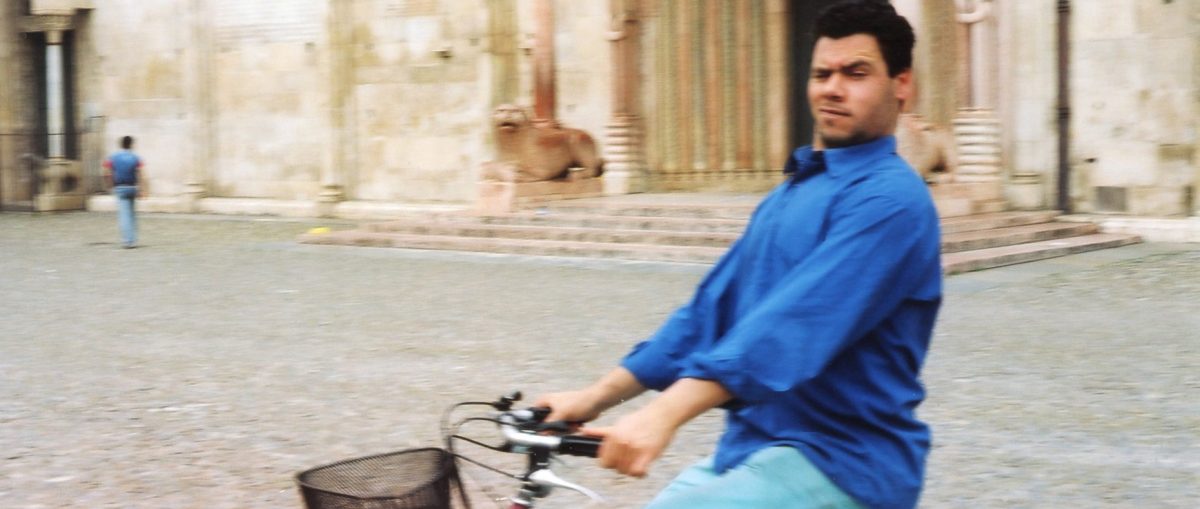


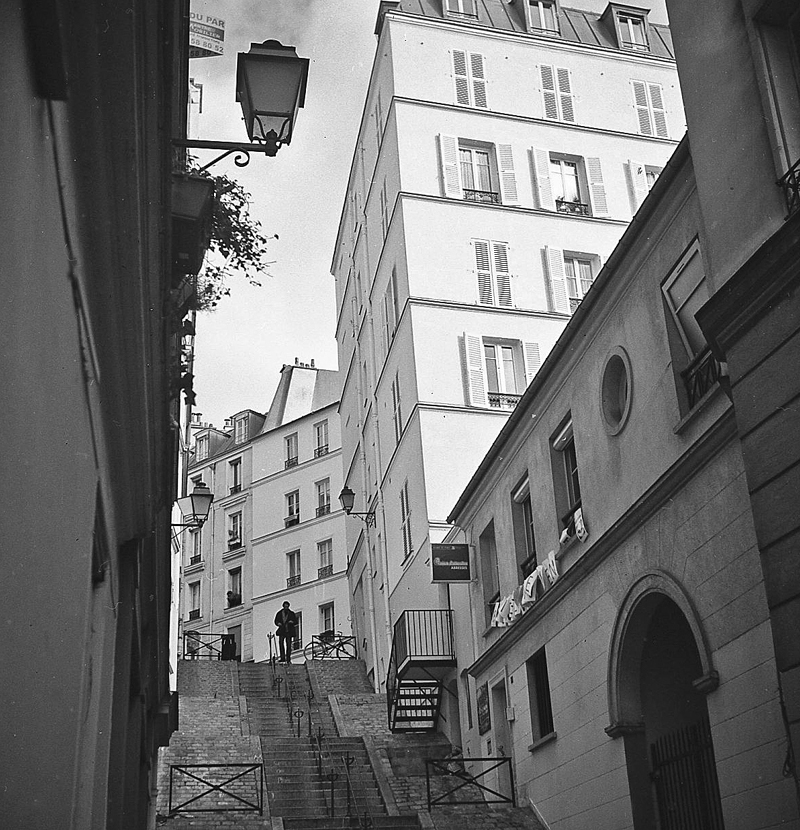
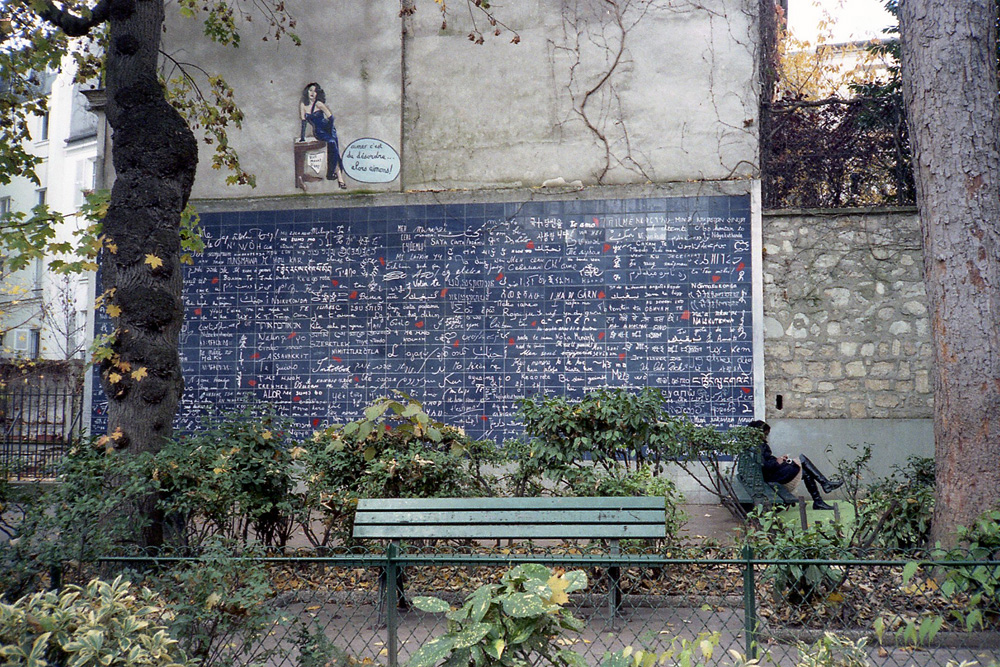


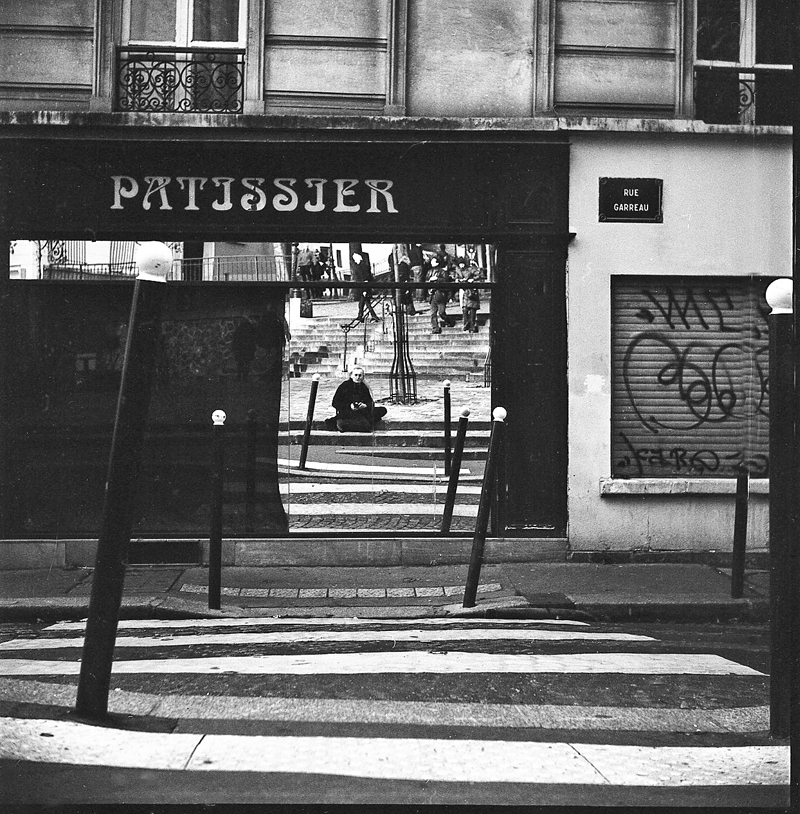


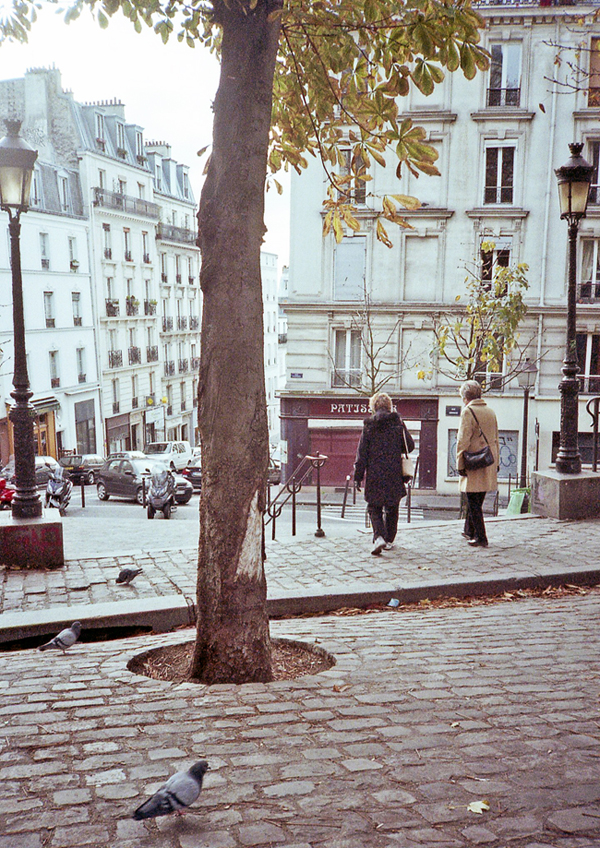
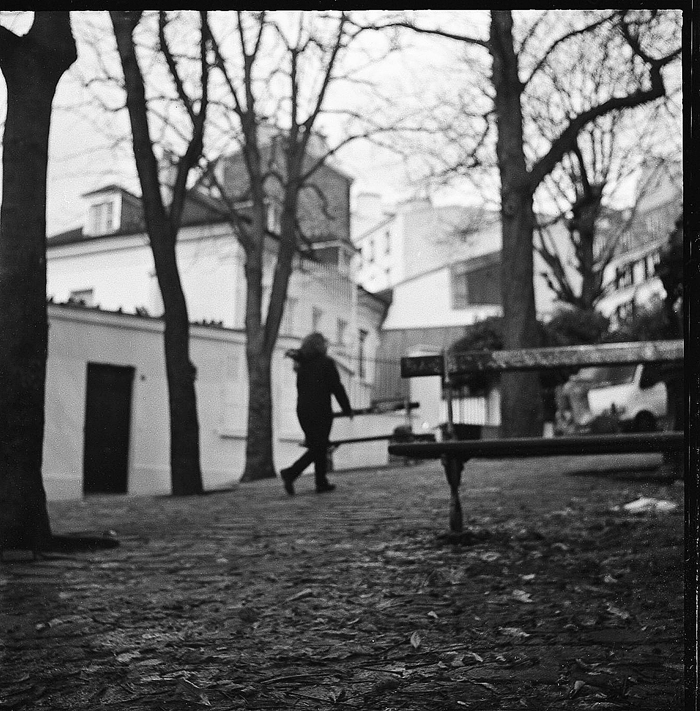

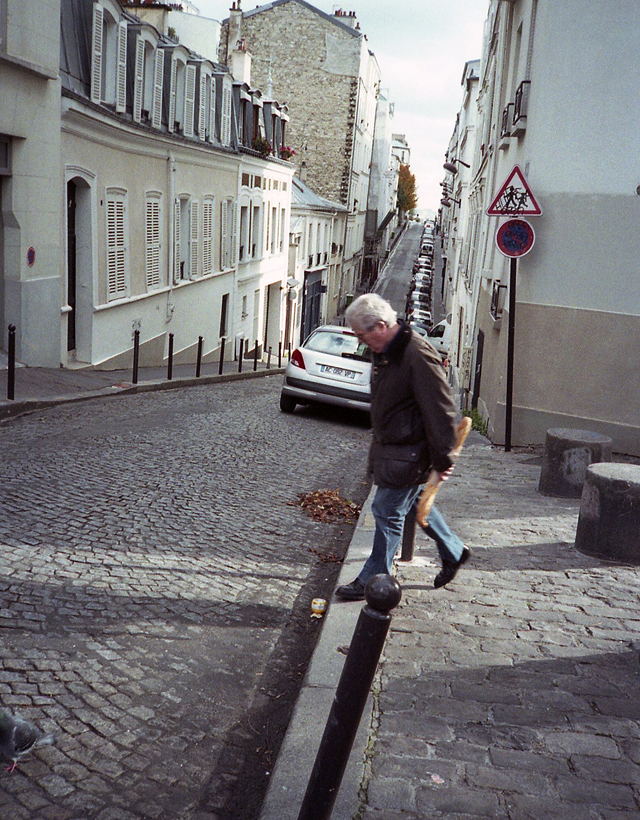
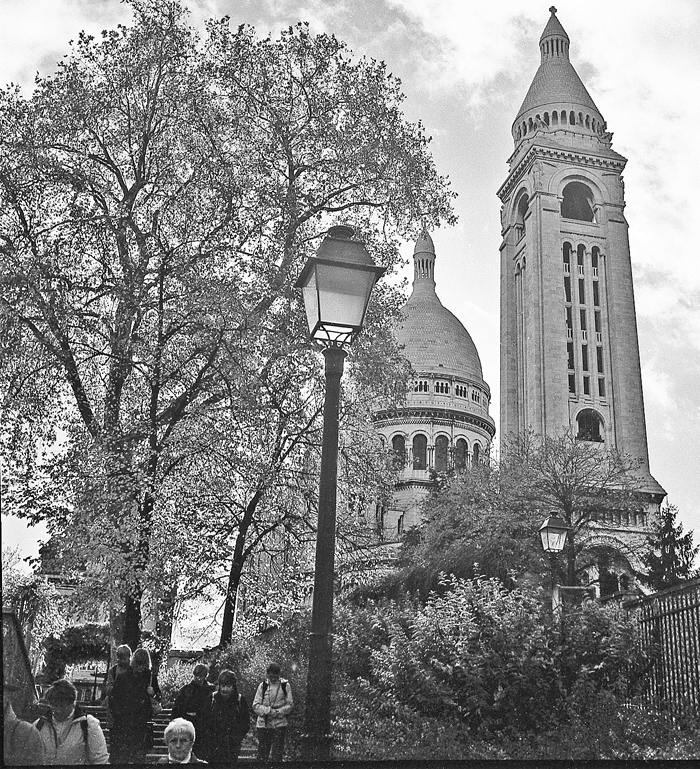


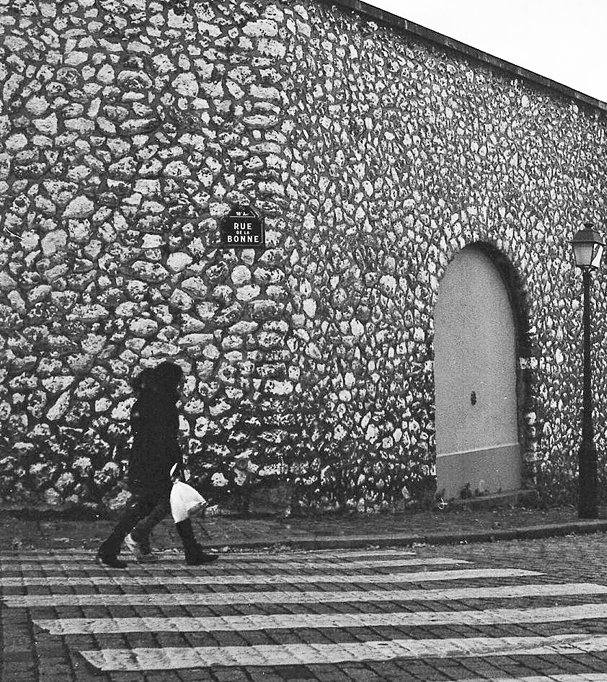


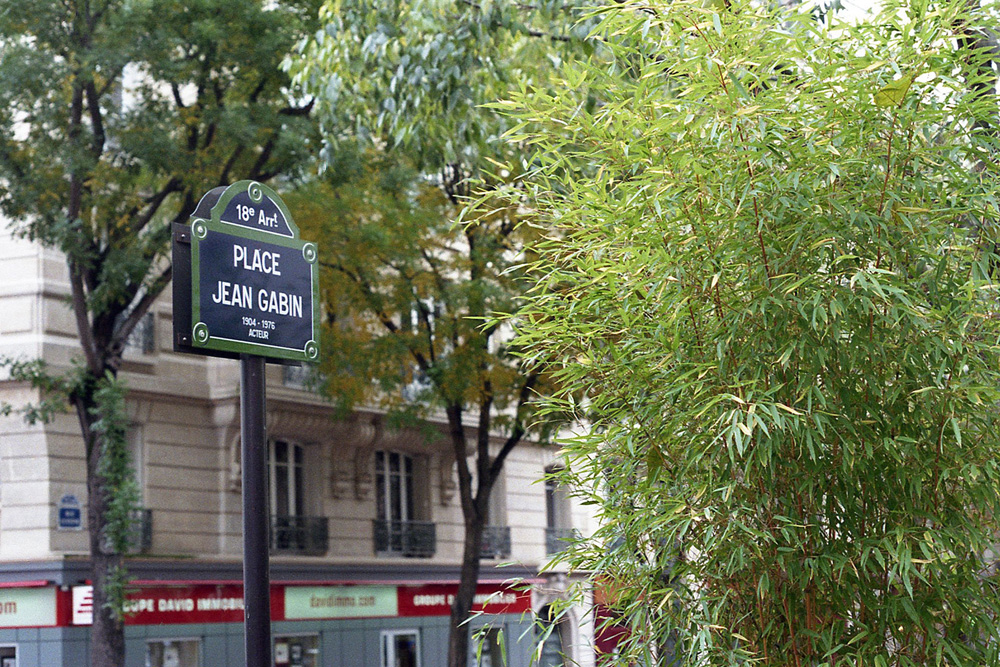


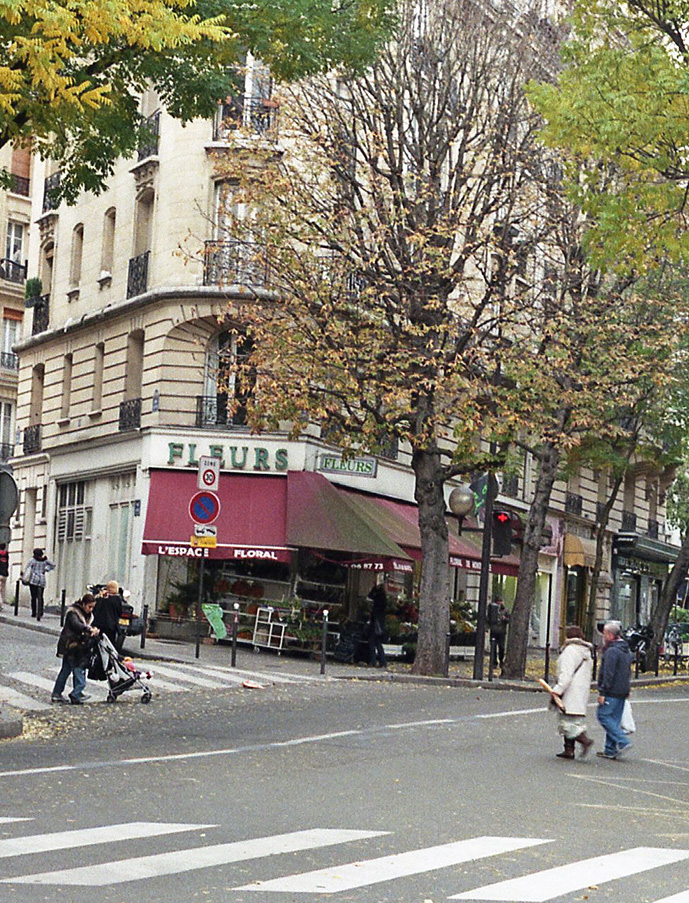

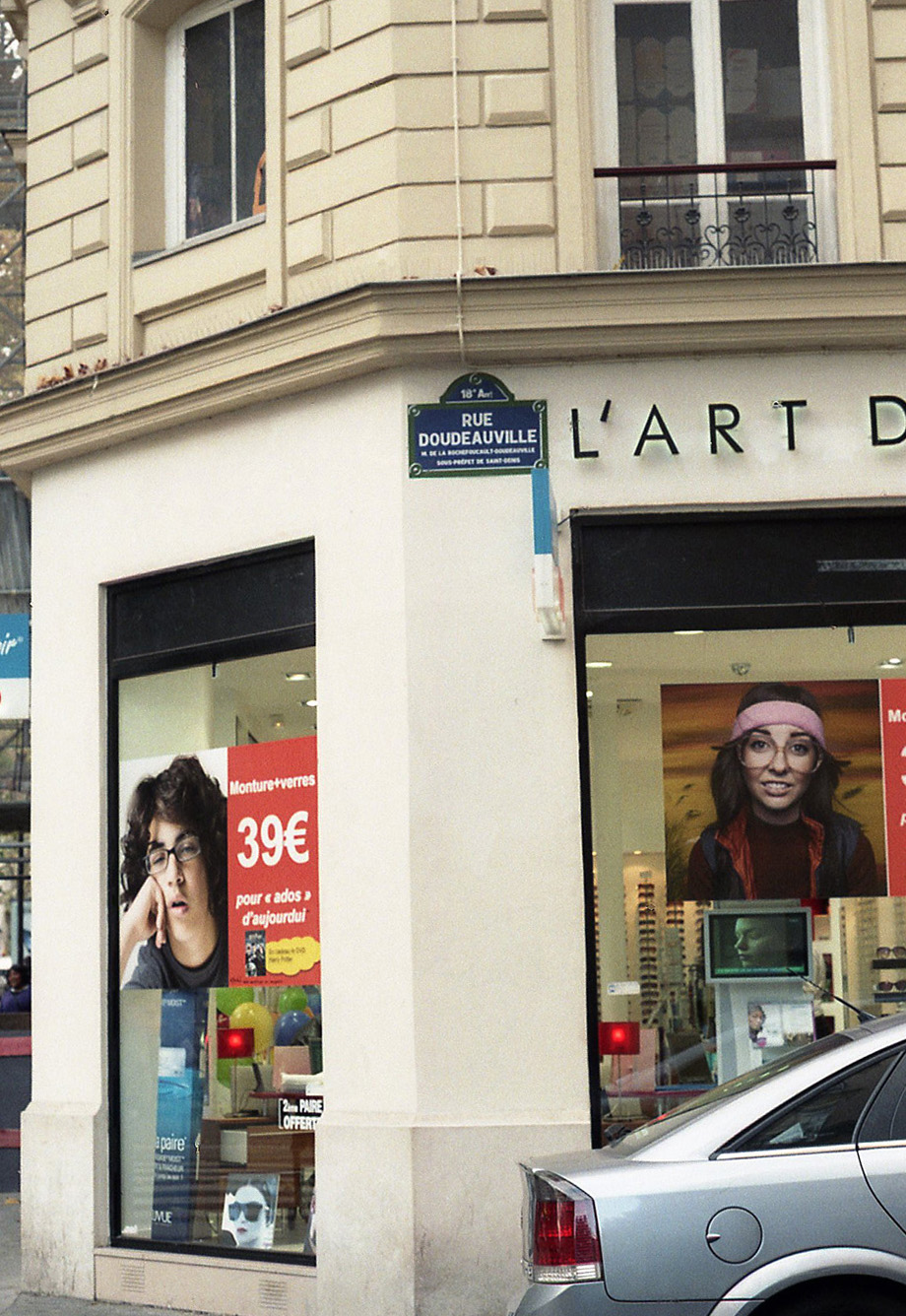
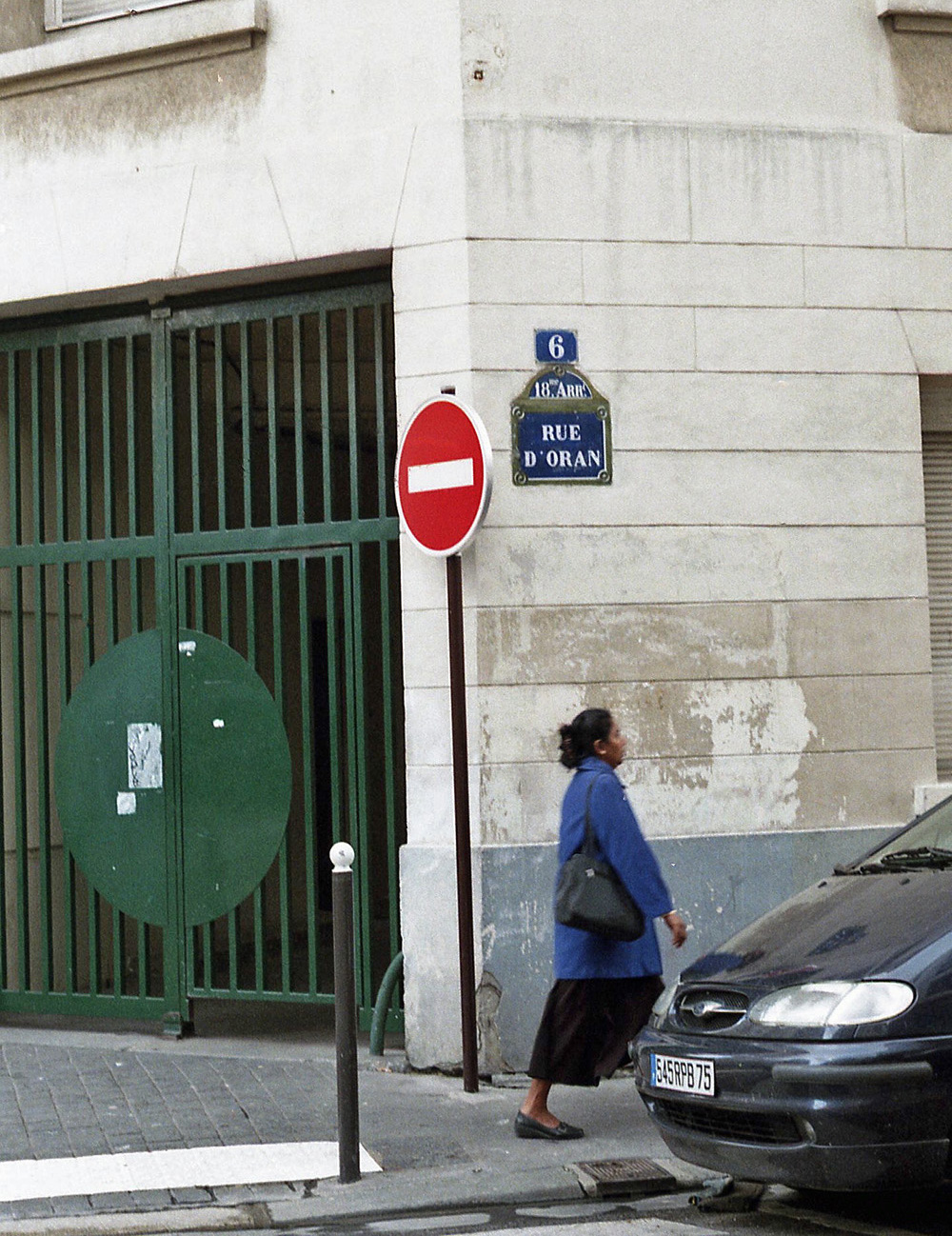
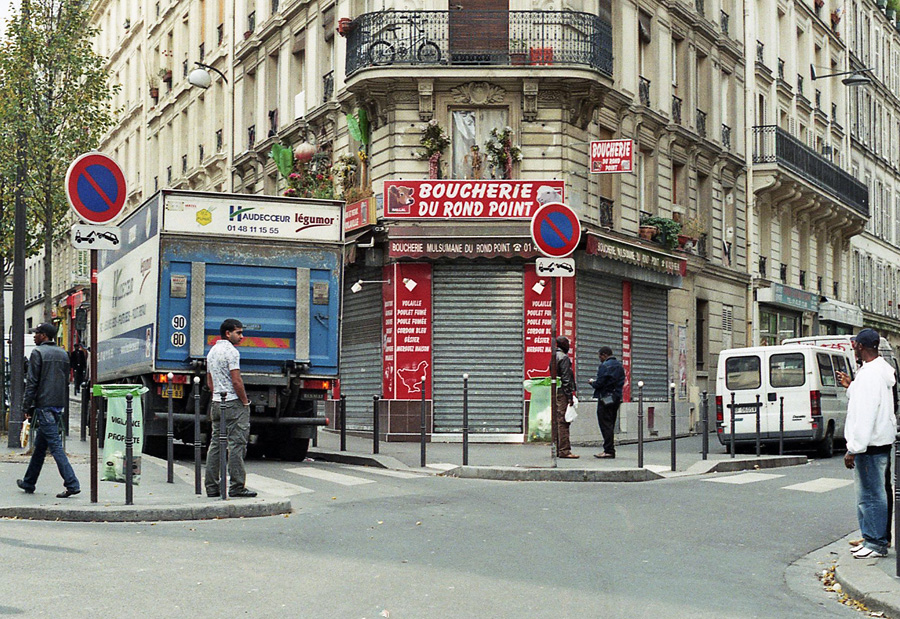


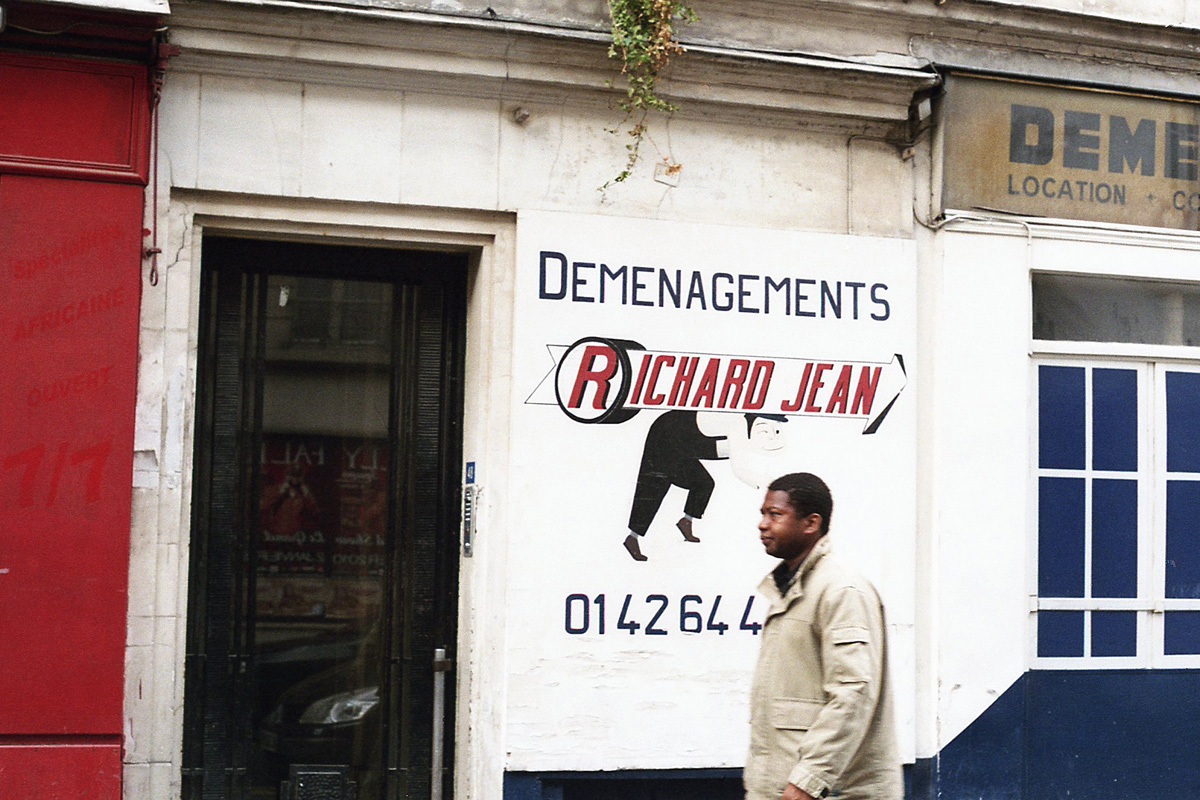

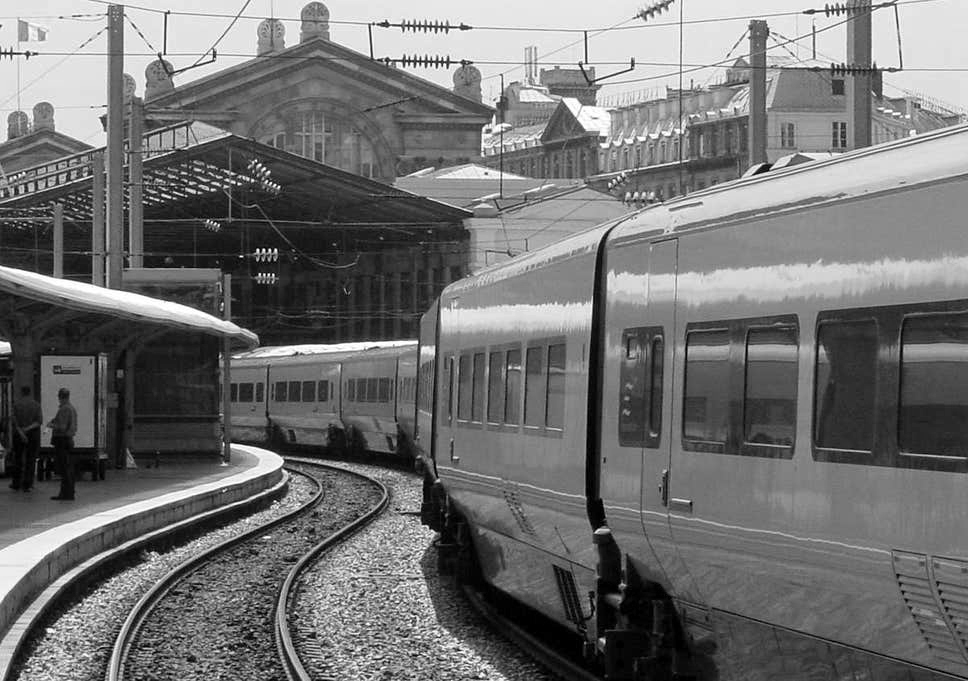


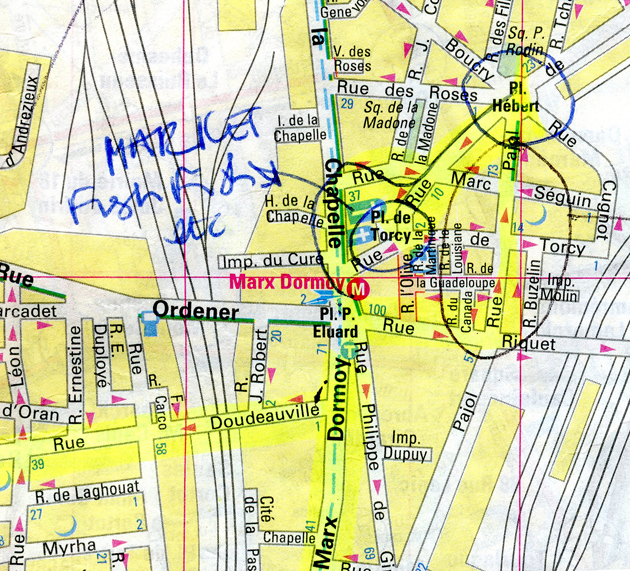

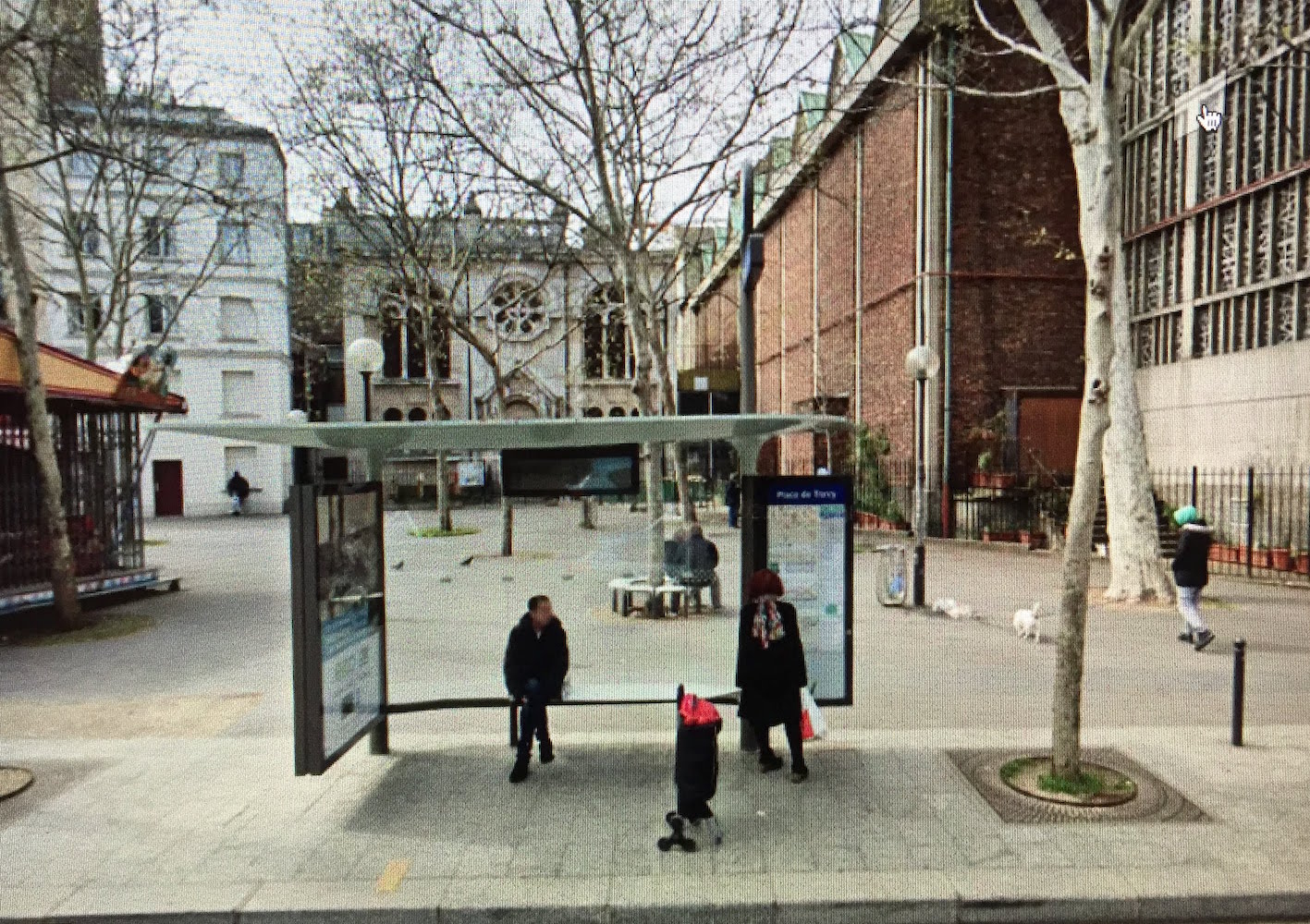

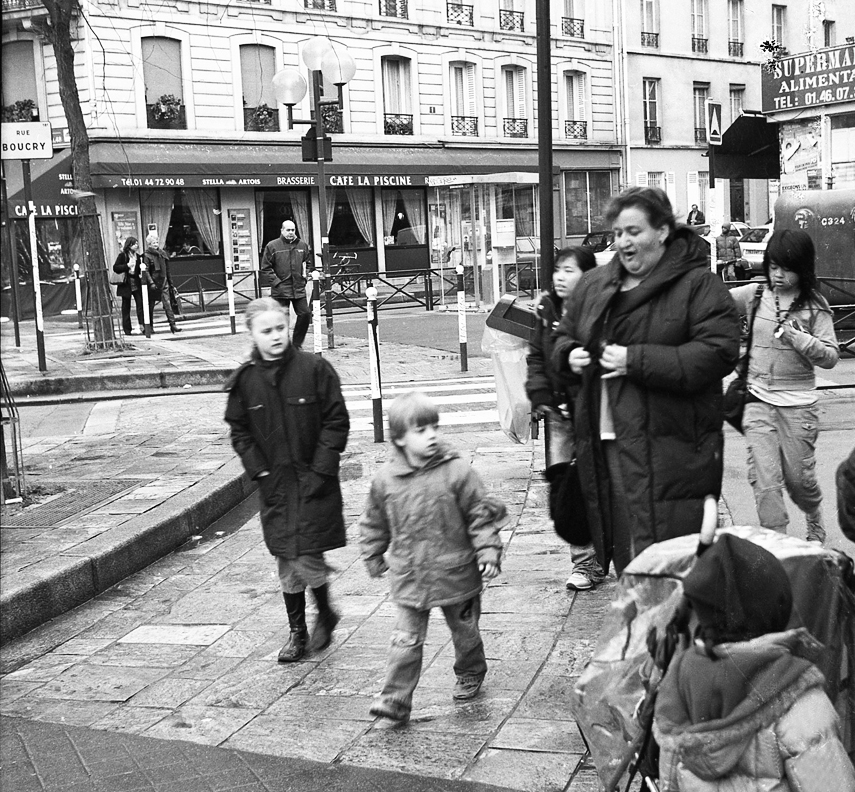


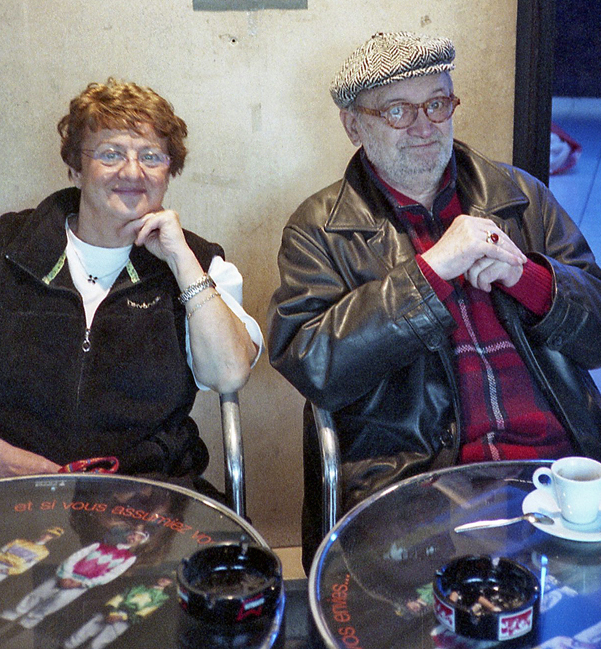
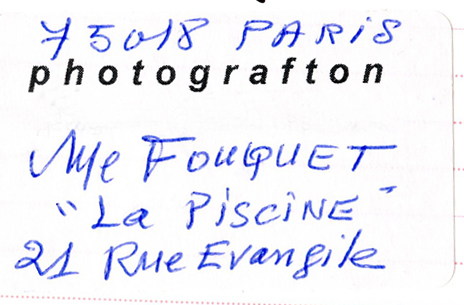
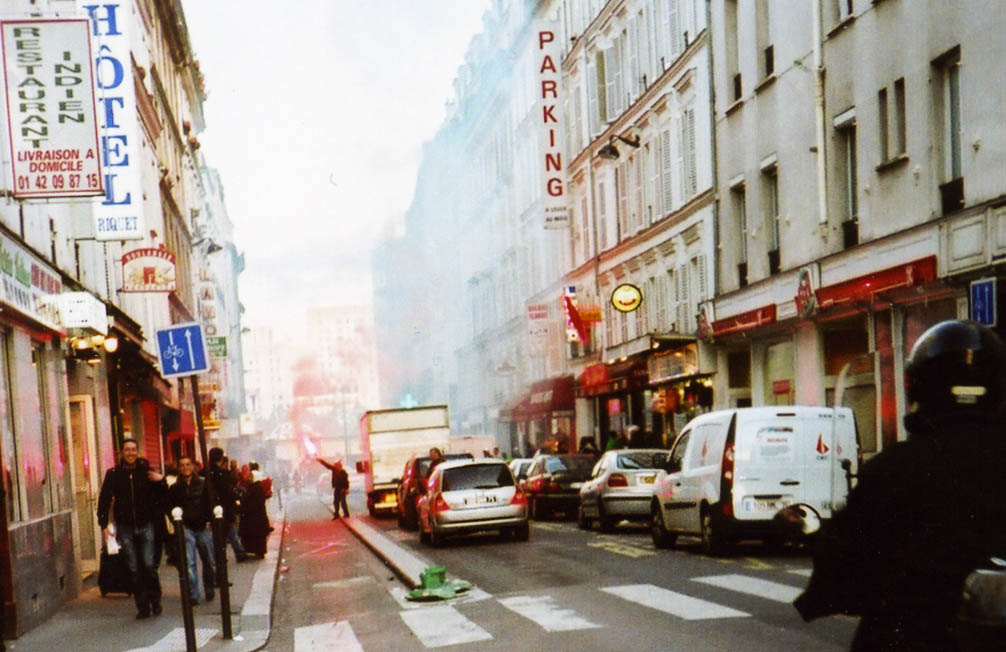


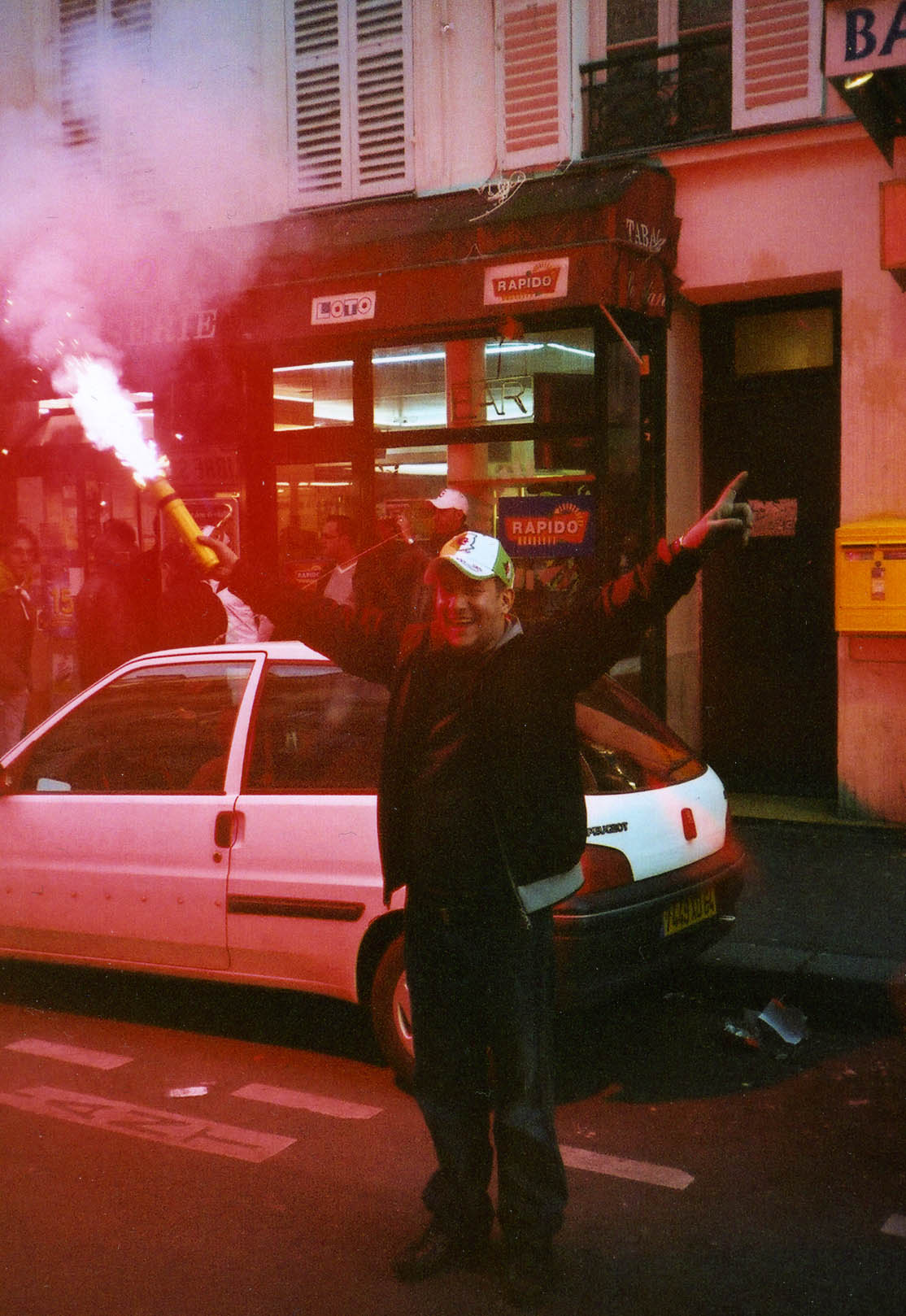


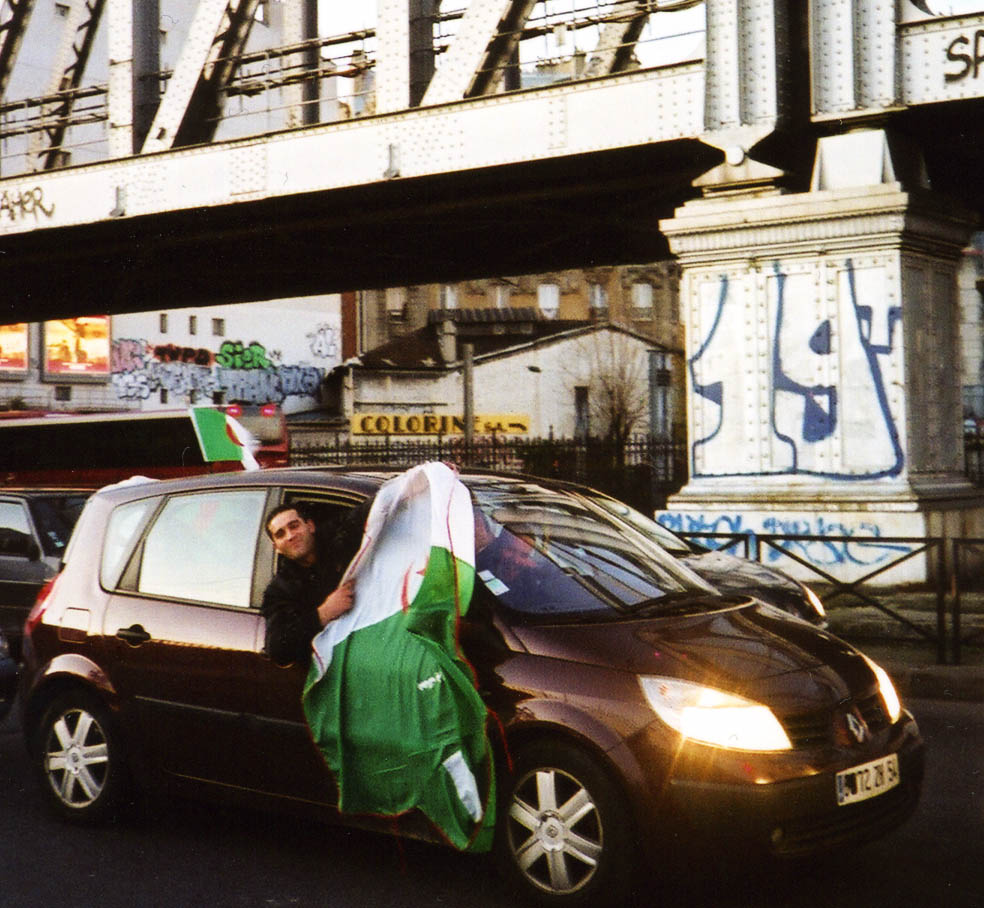


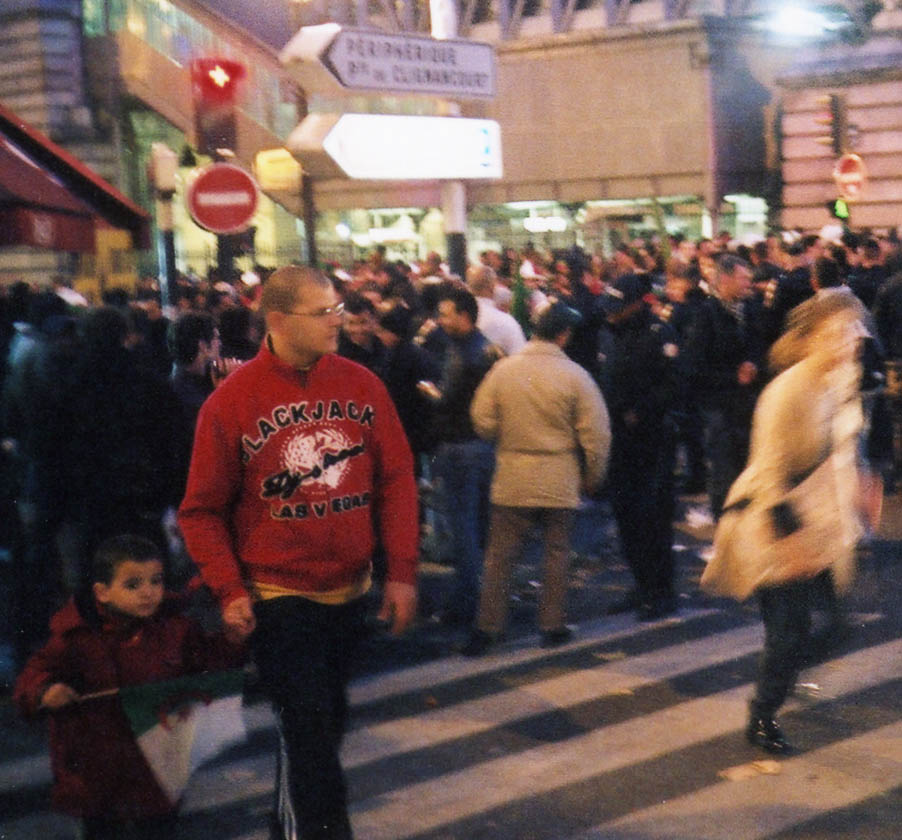


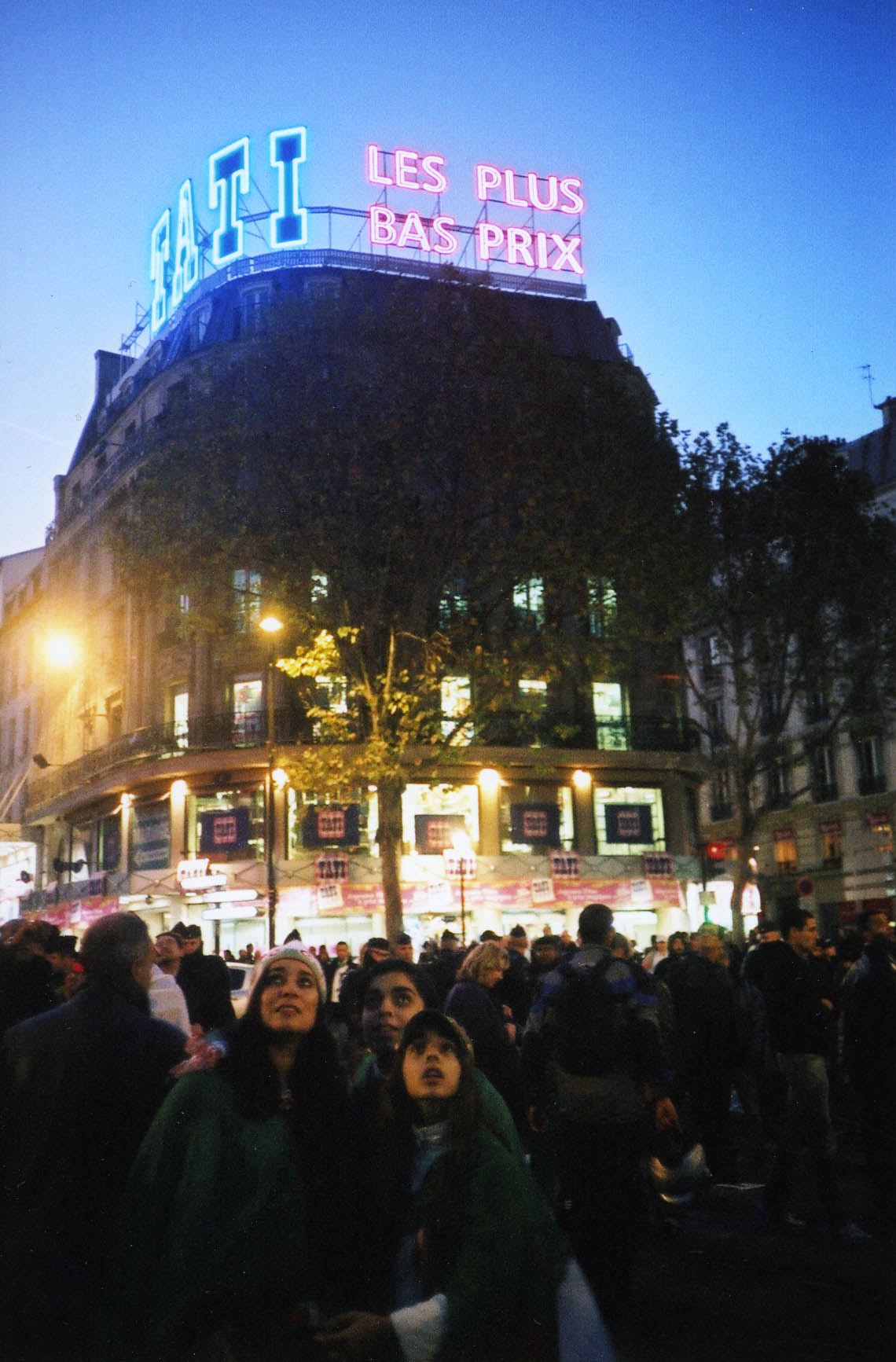
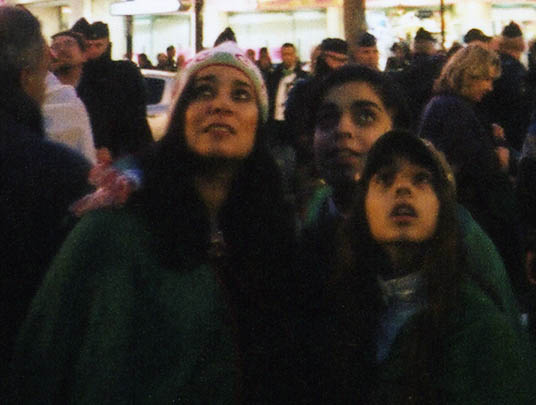


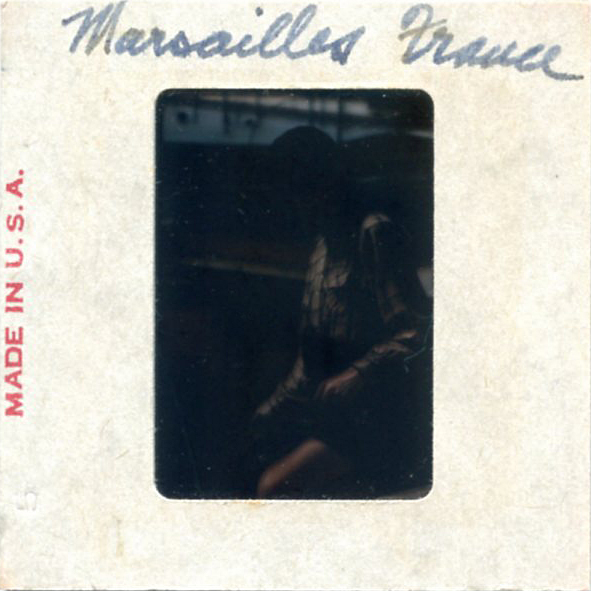

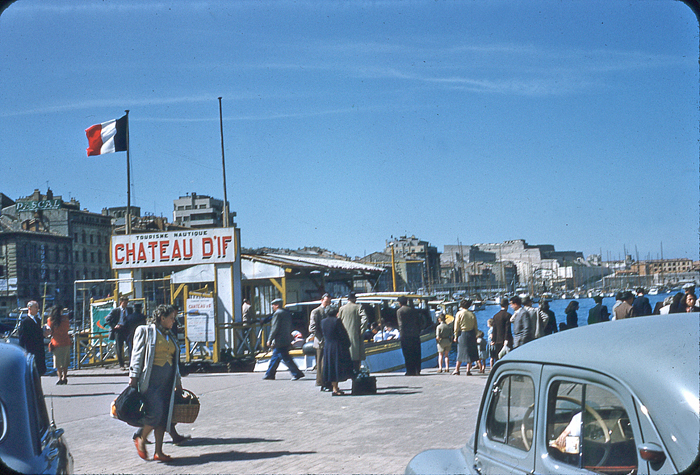
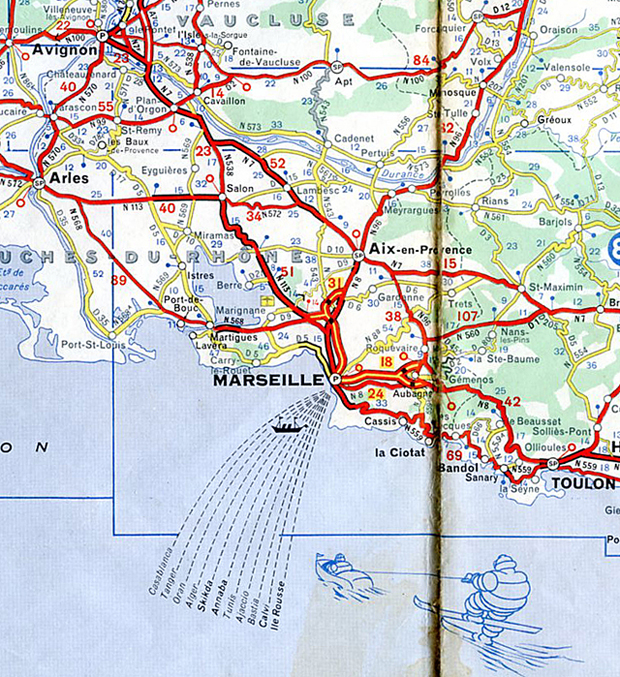

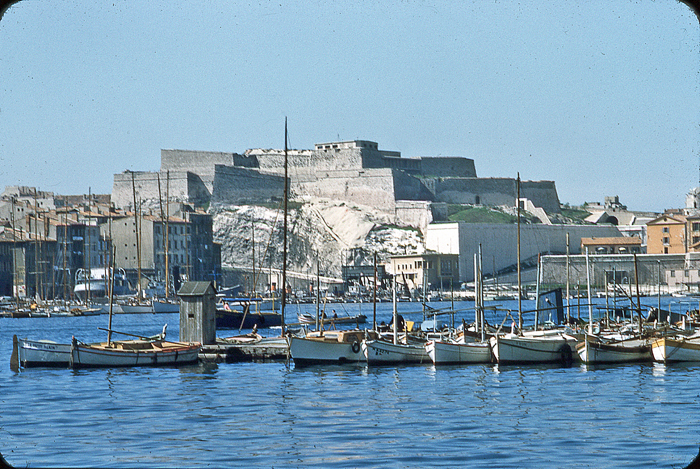
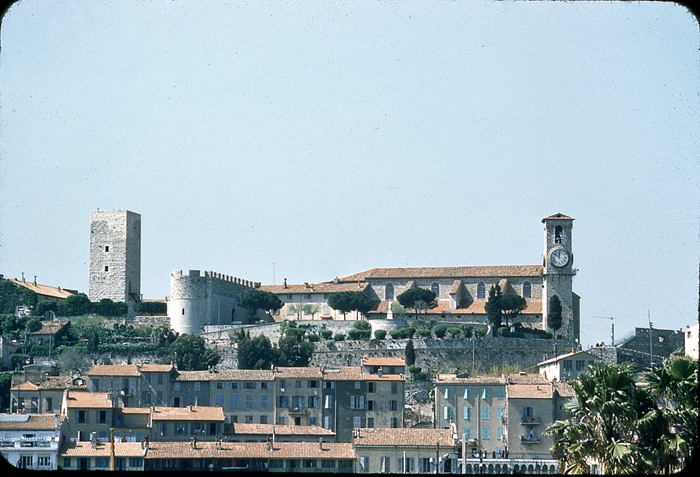


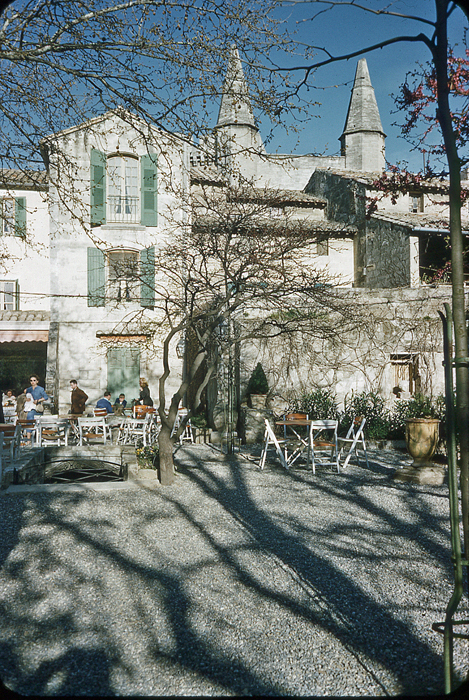


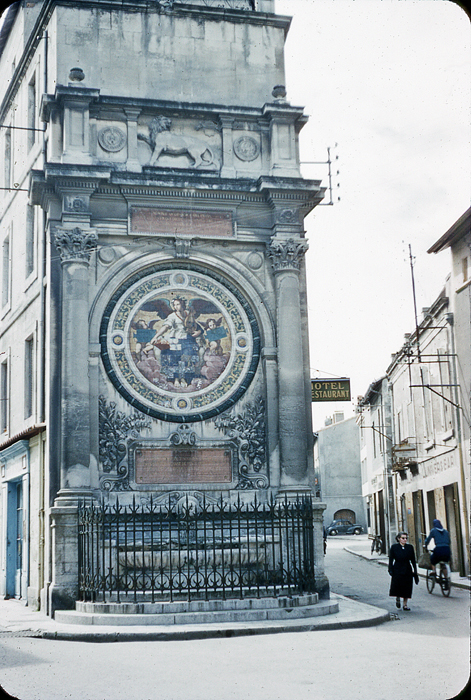
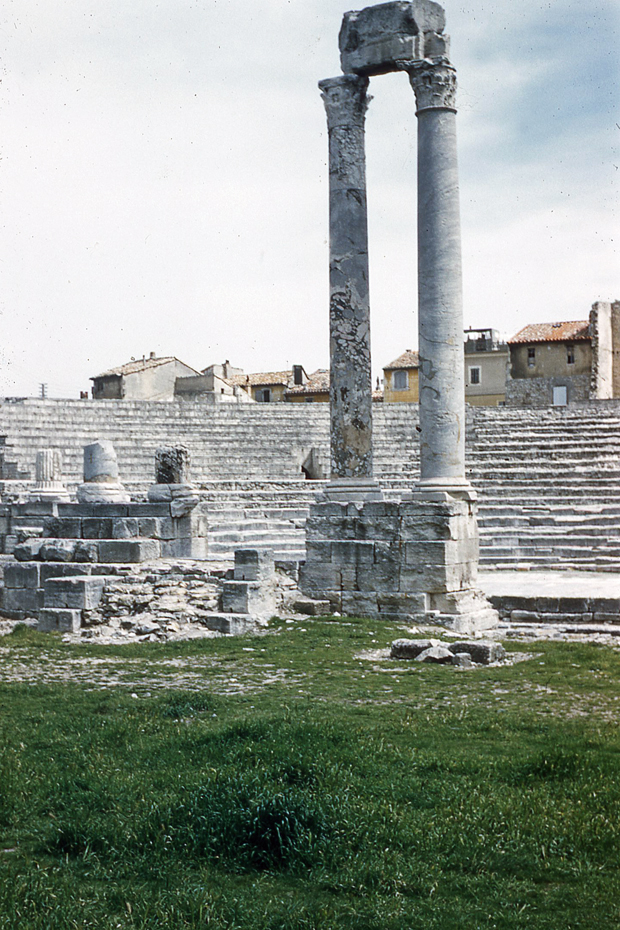

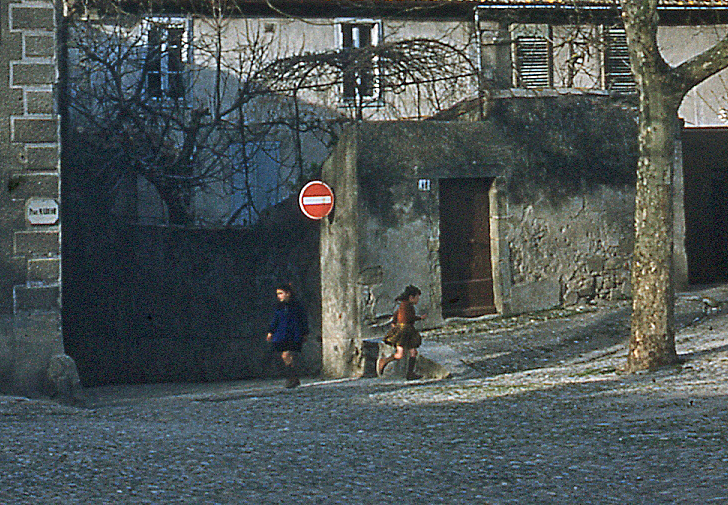

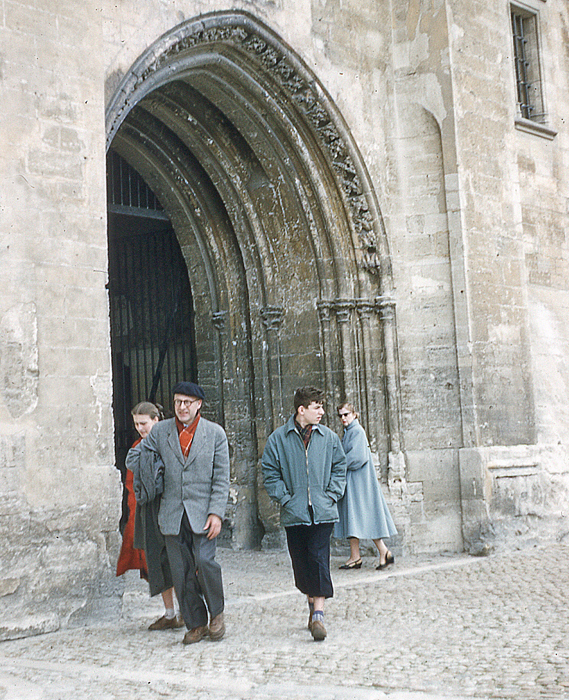
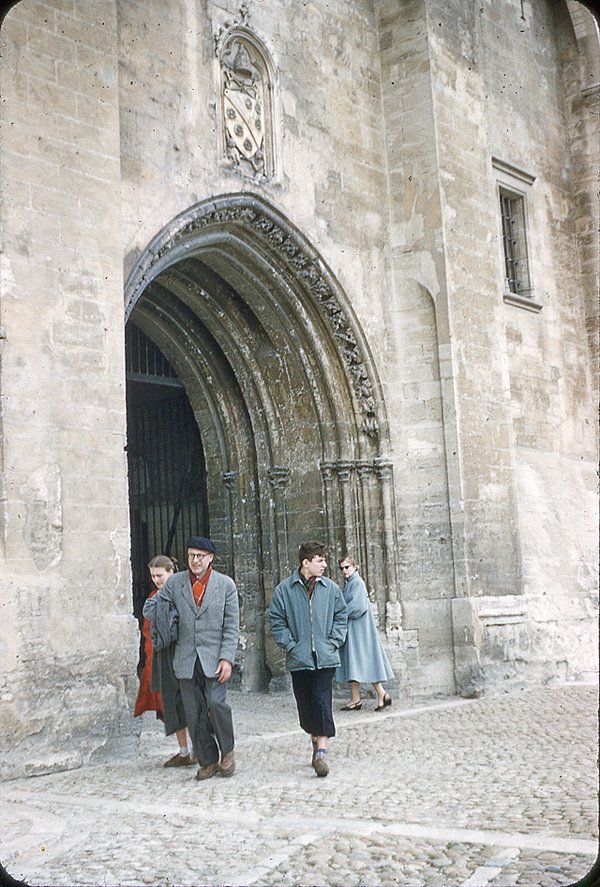

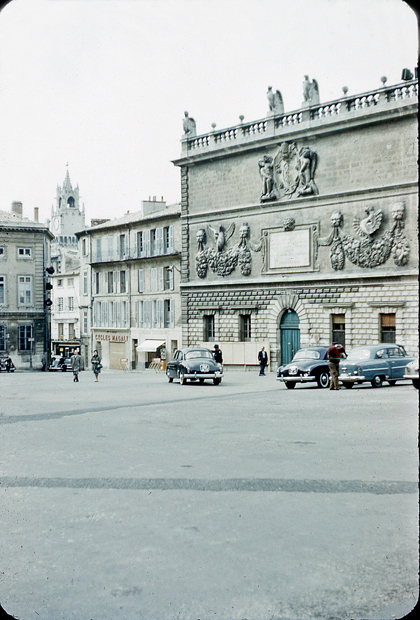
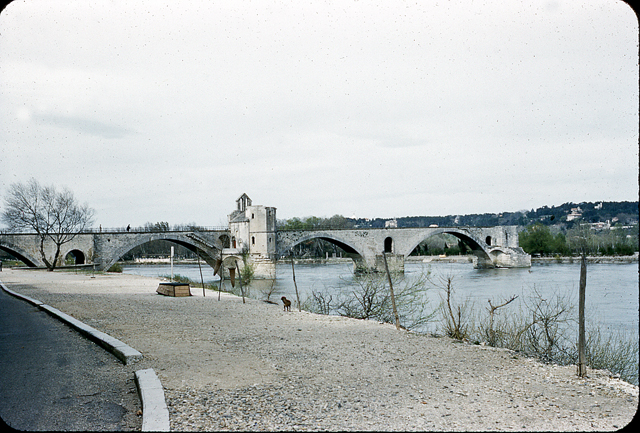


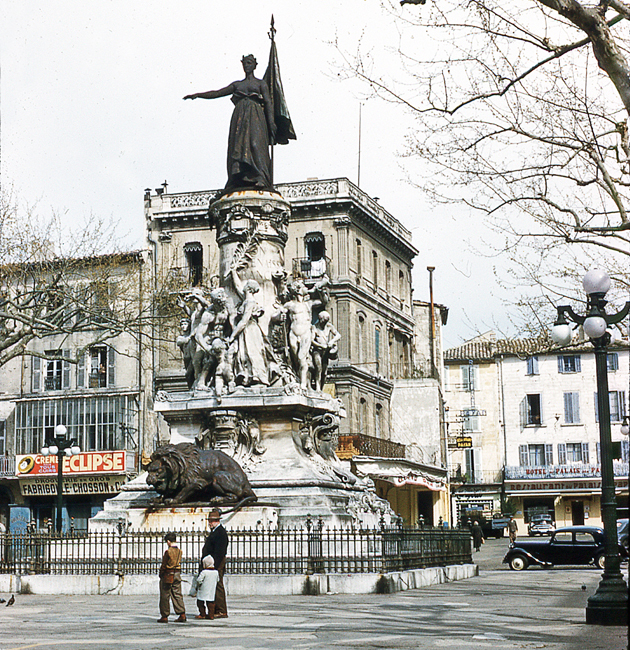

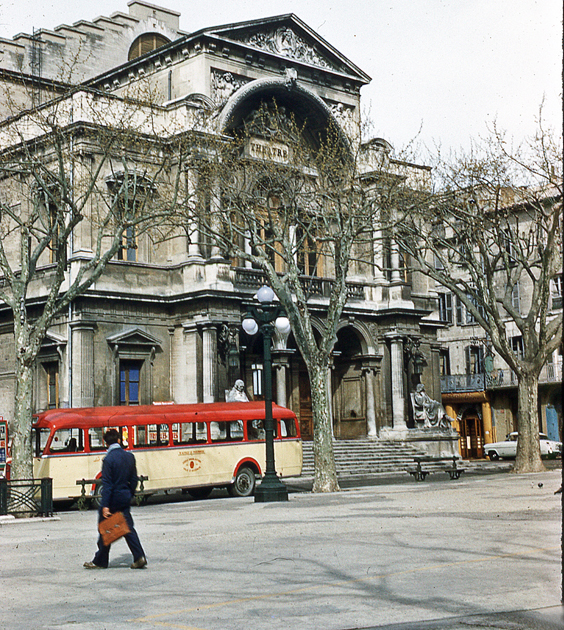

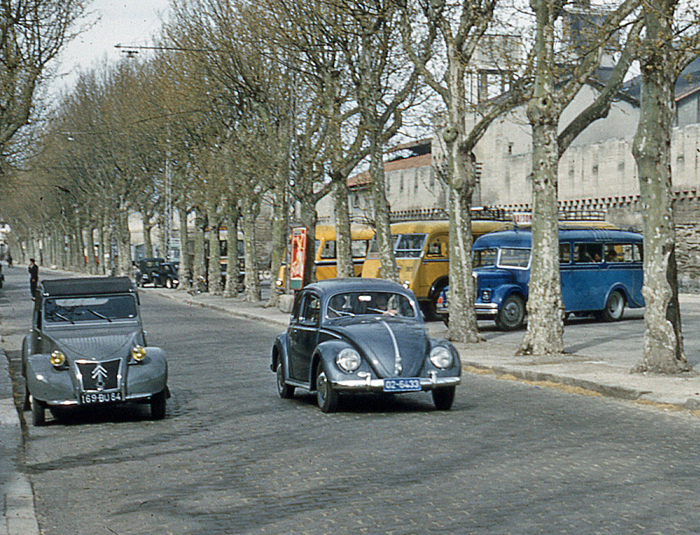


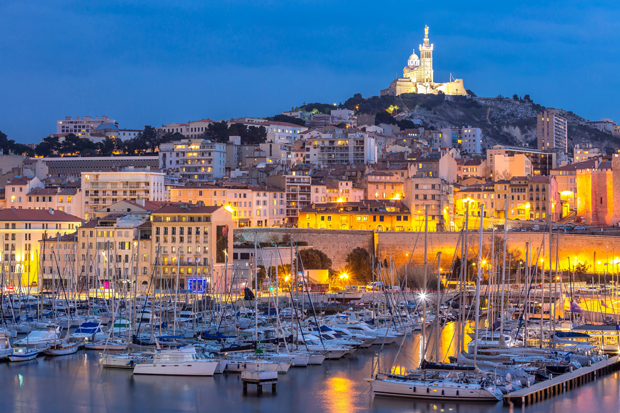


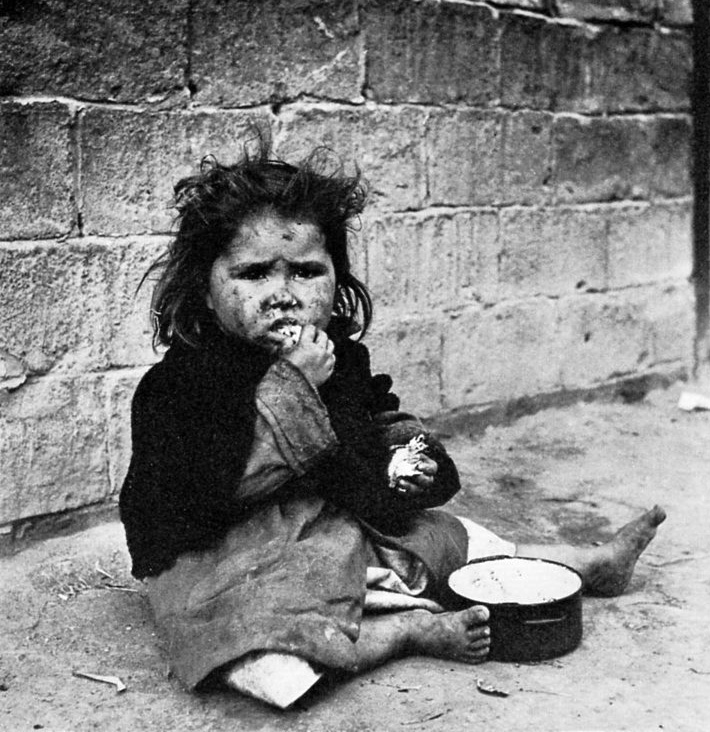

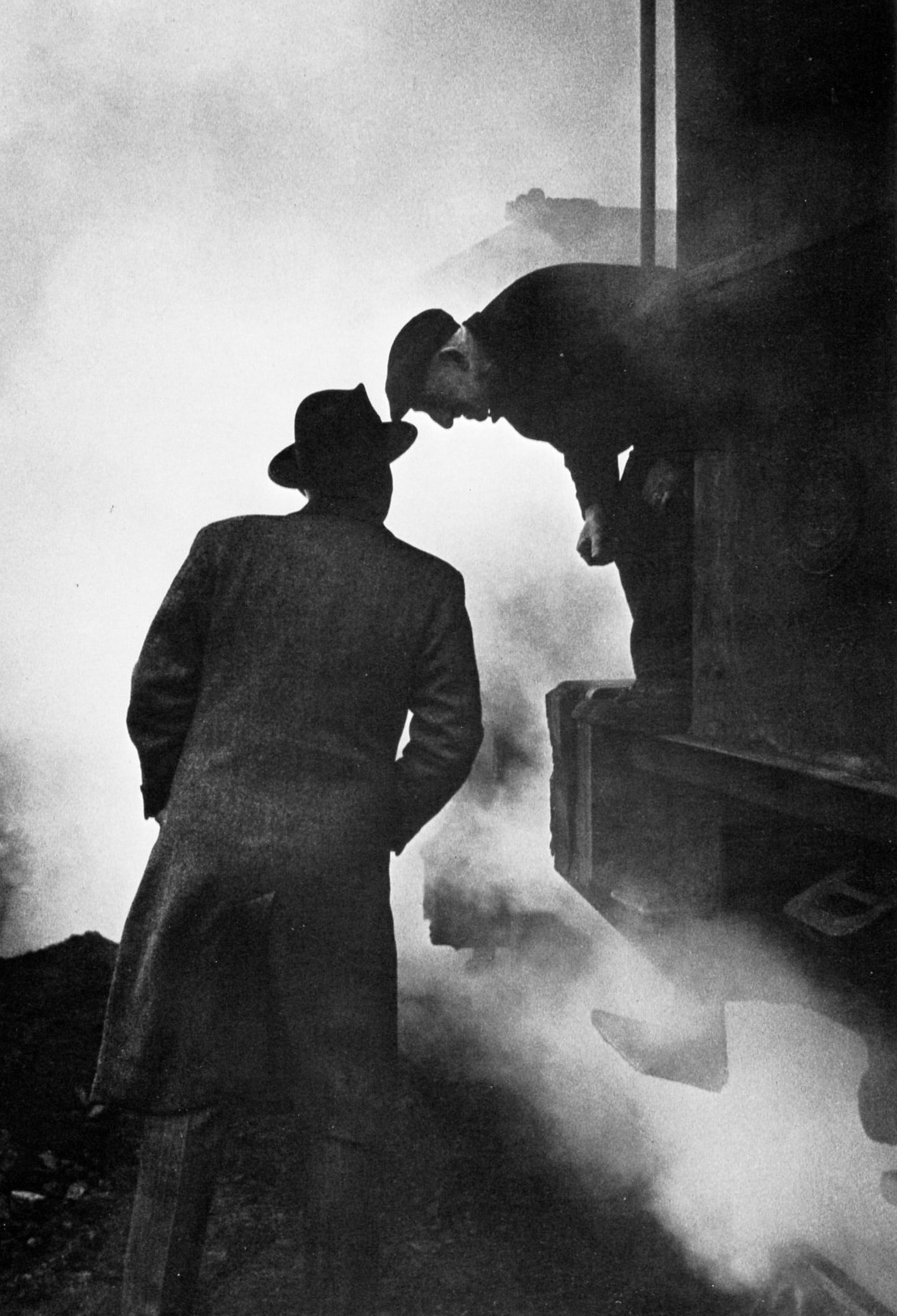


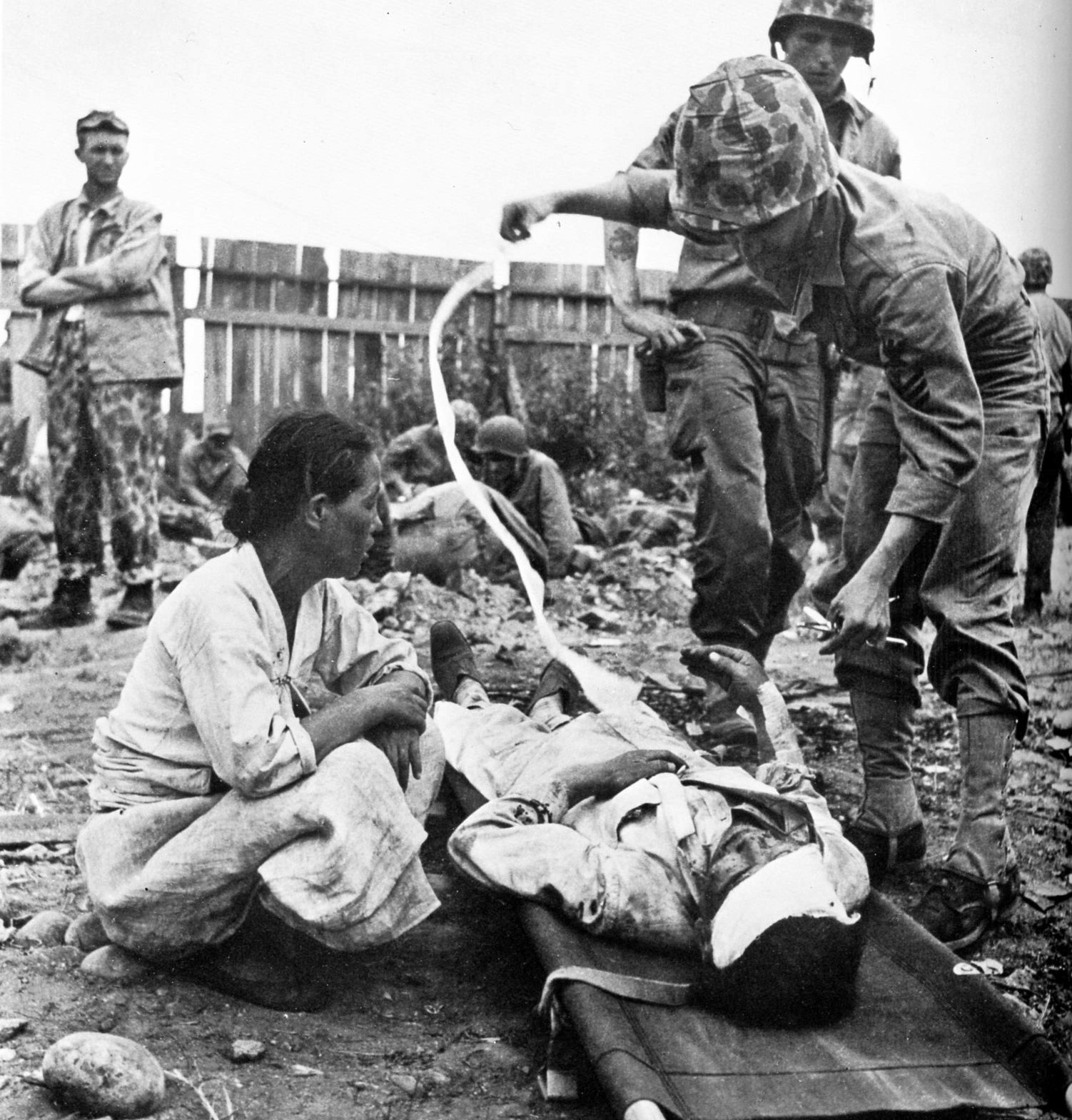
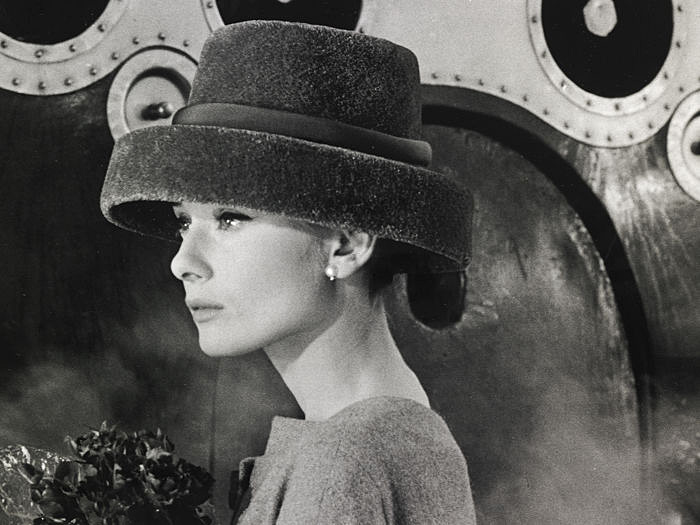


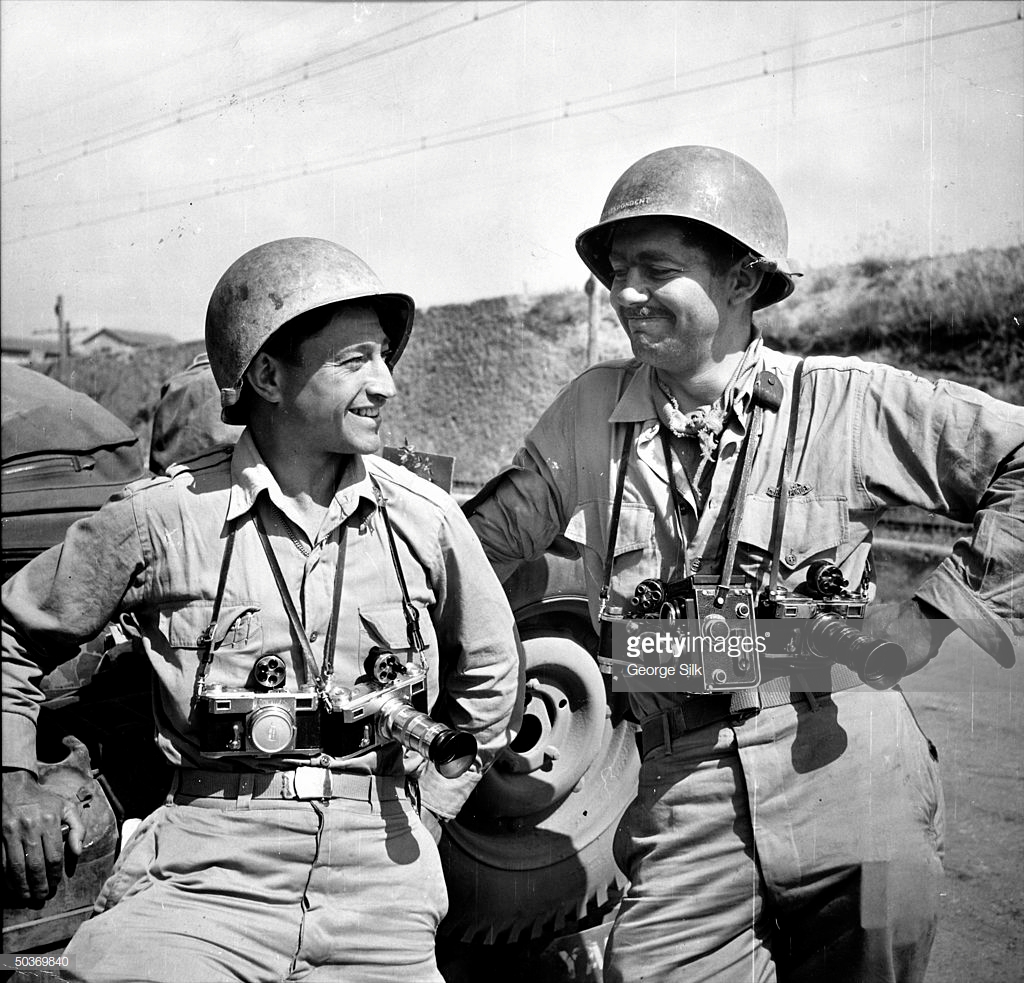


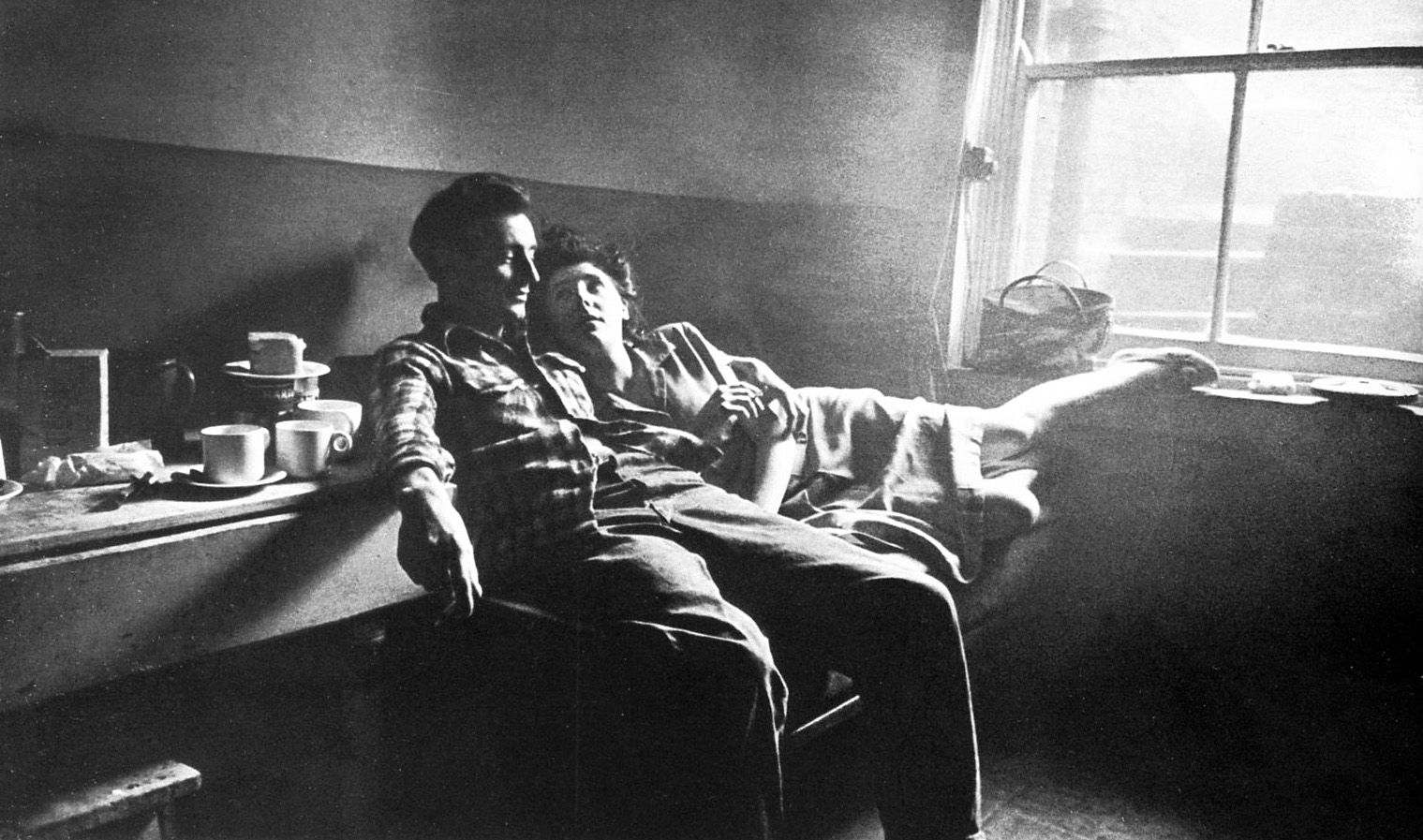


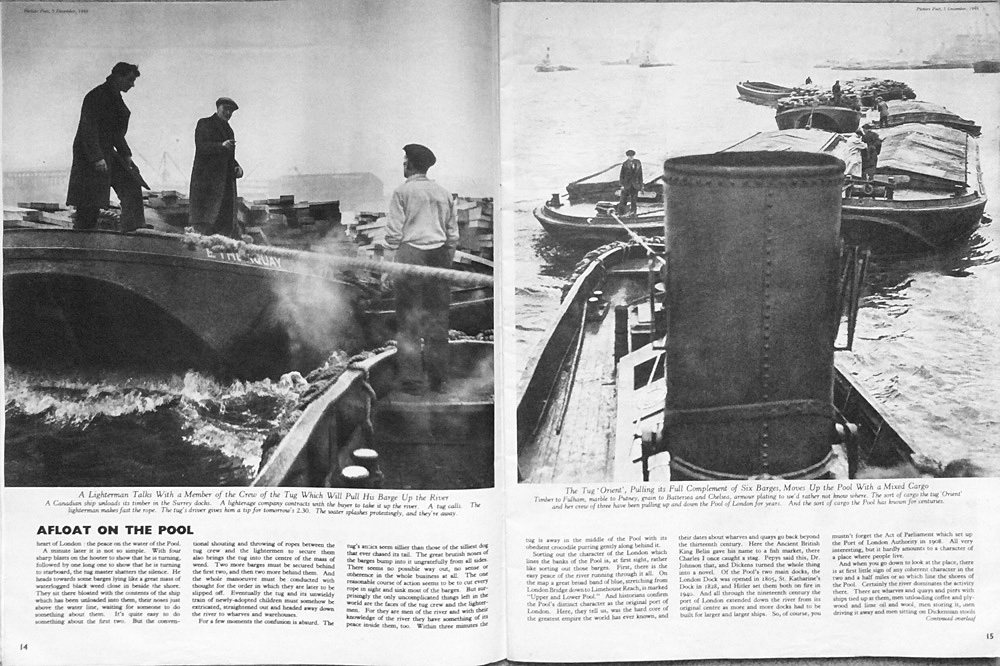


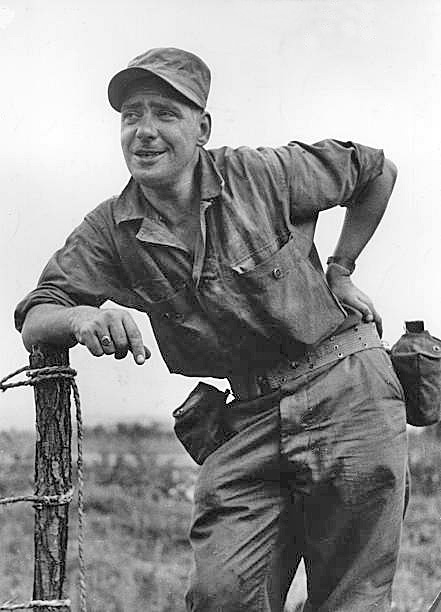


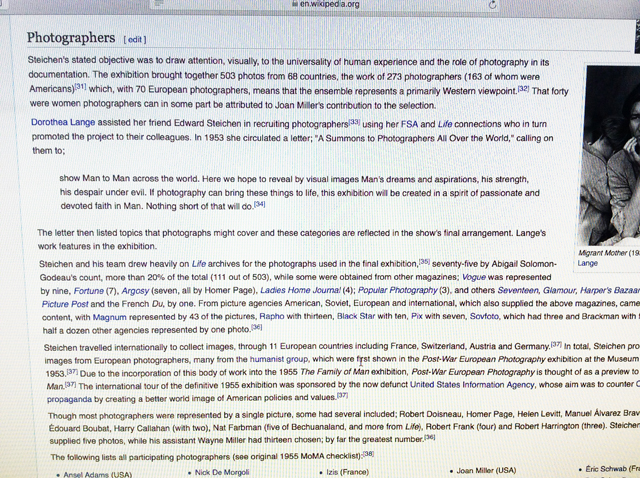

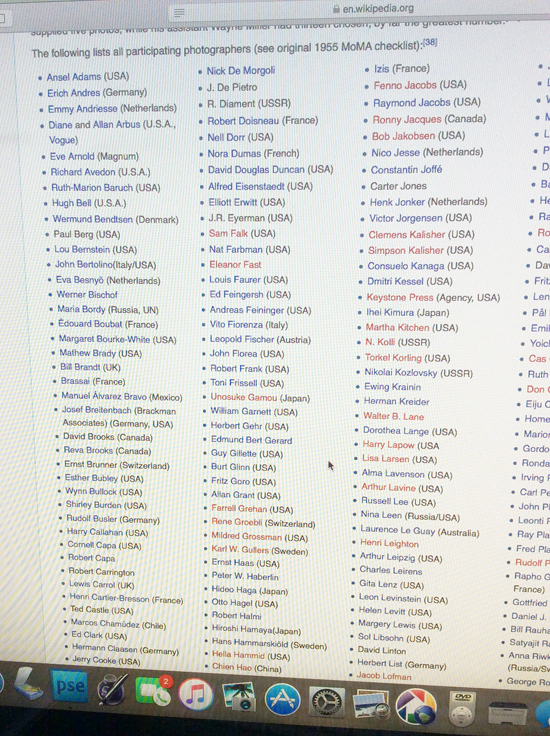


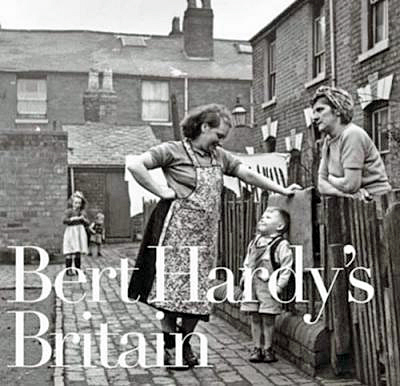

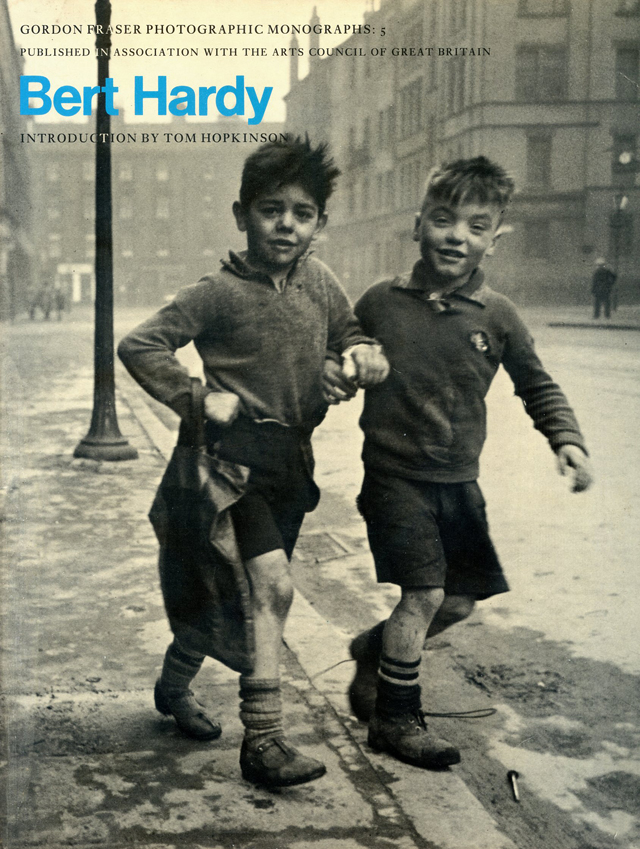 ______________________________________
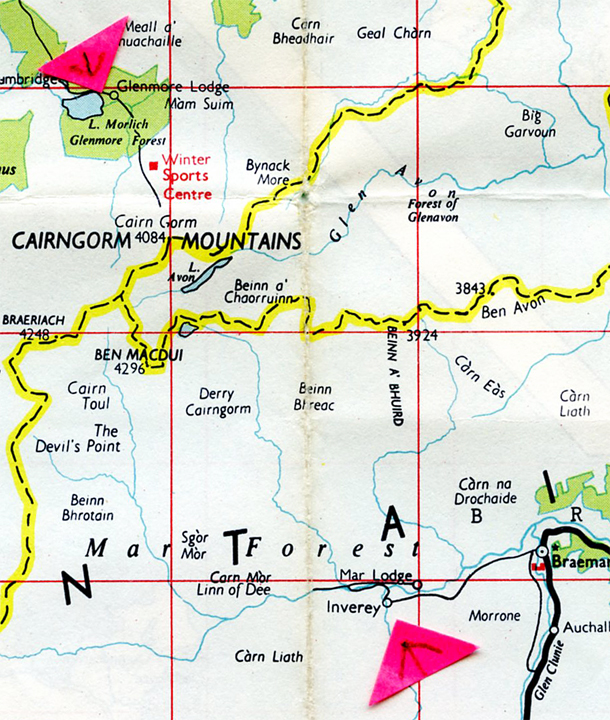


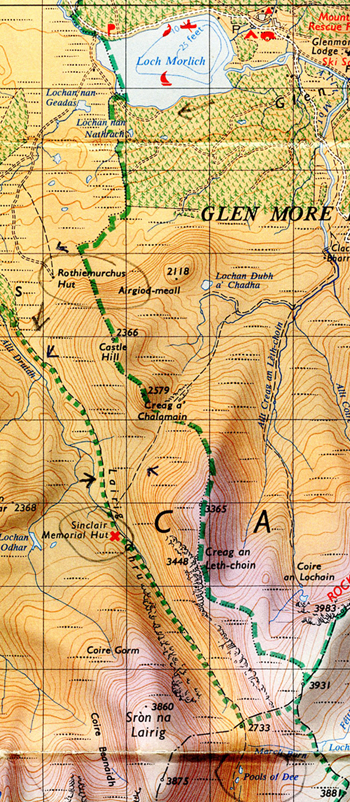


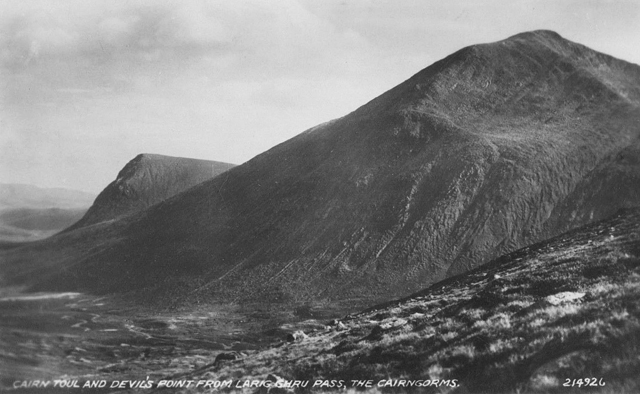


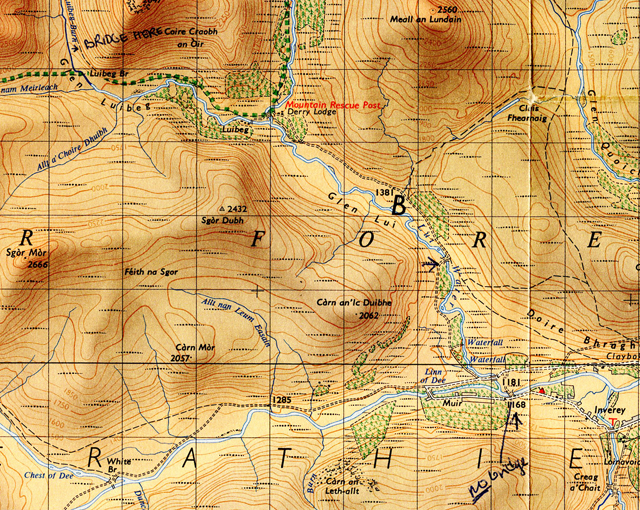


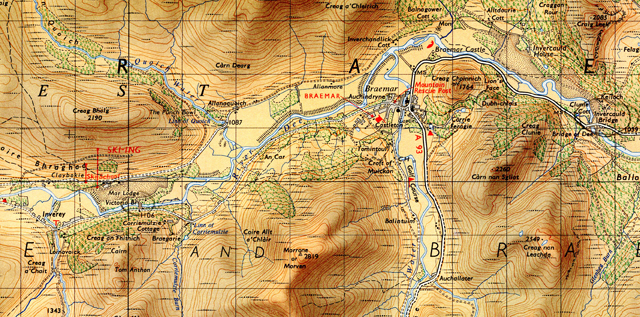
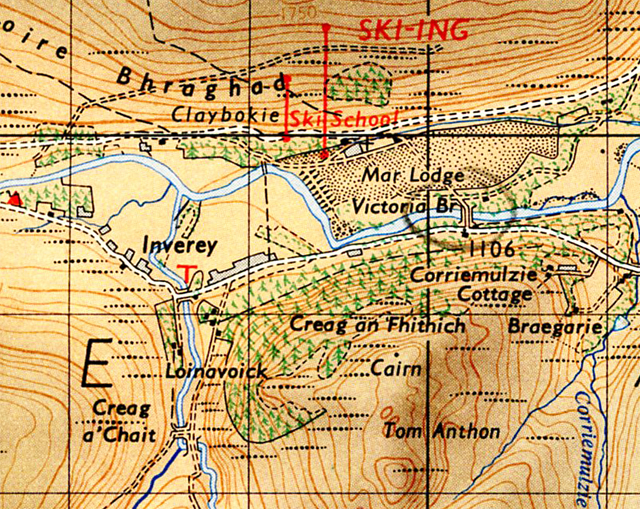
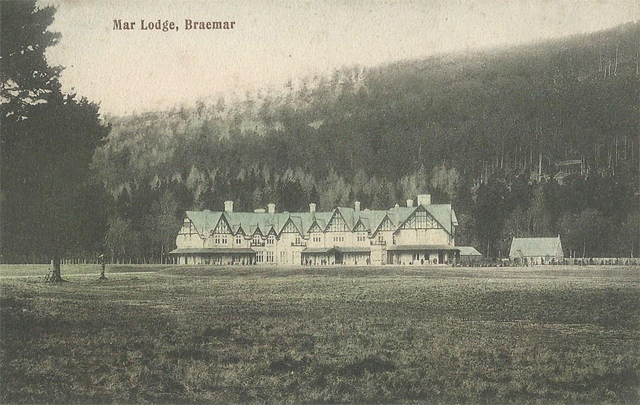
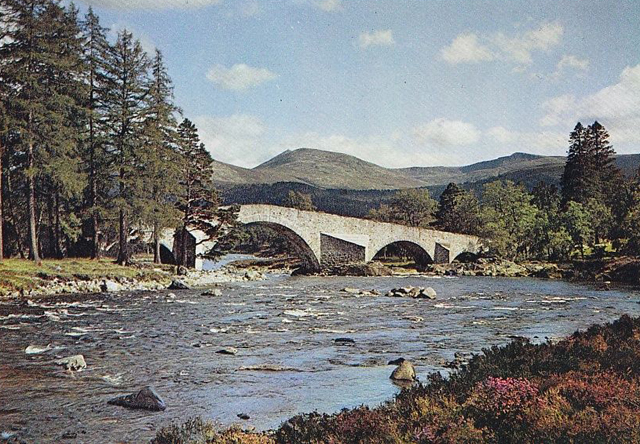
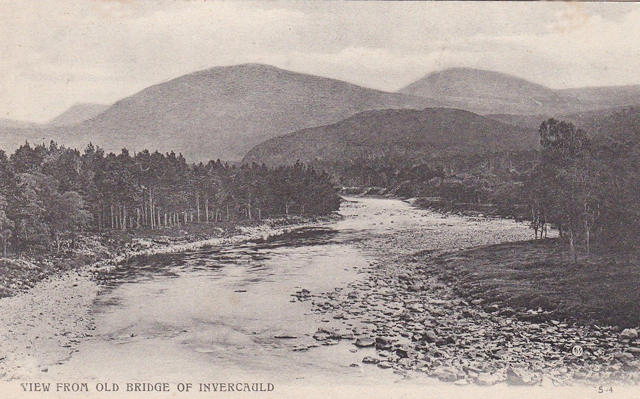
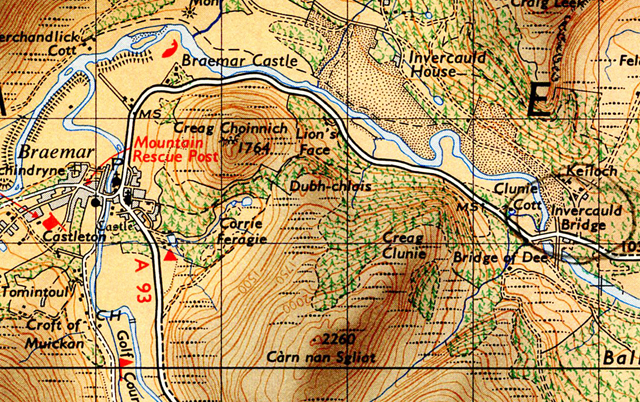

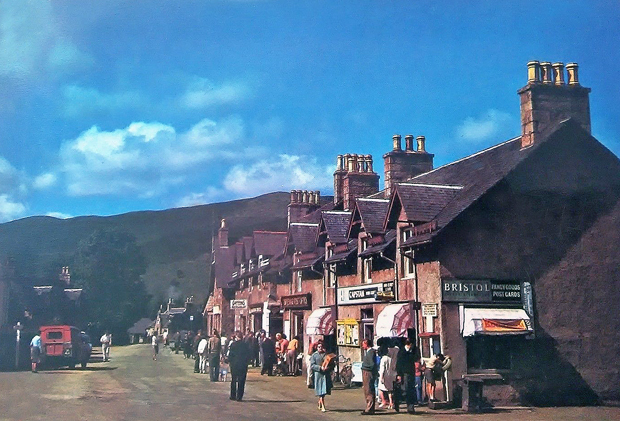


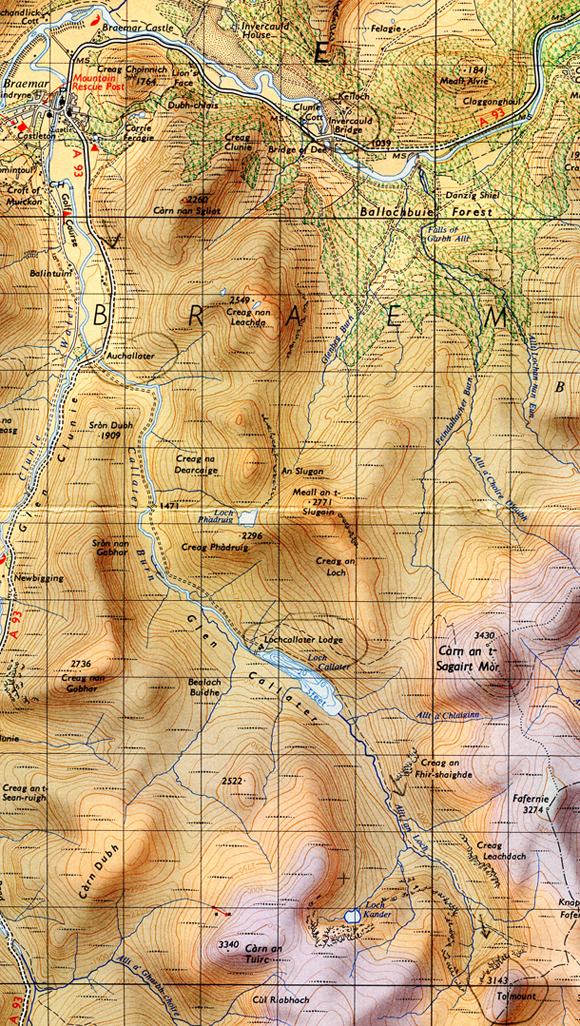
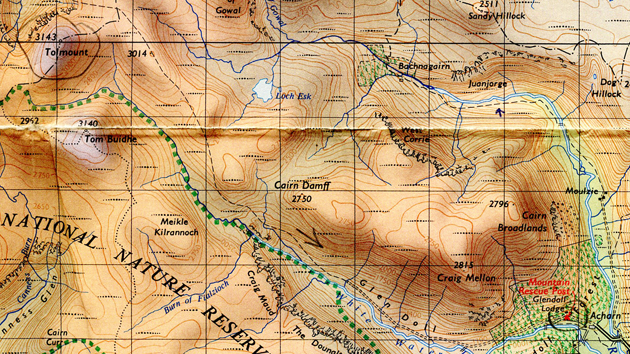

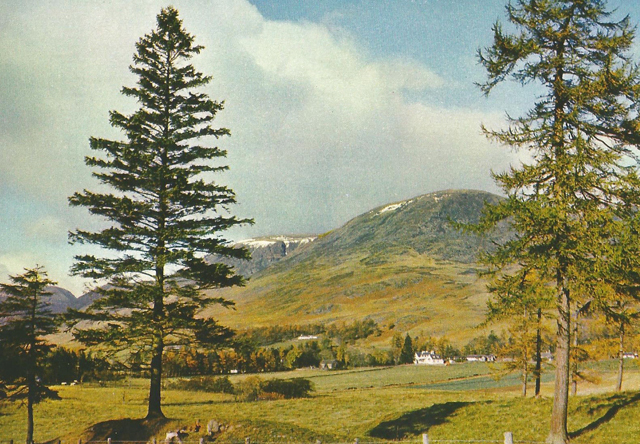
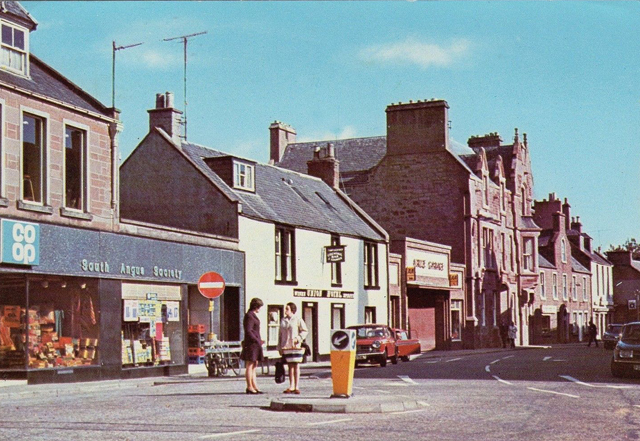
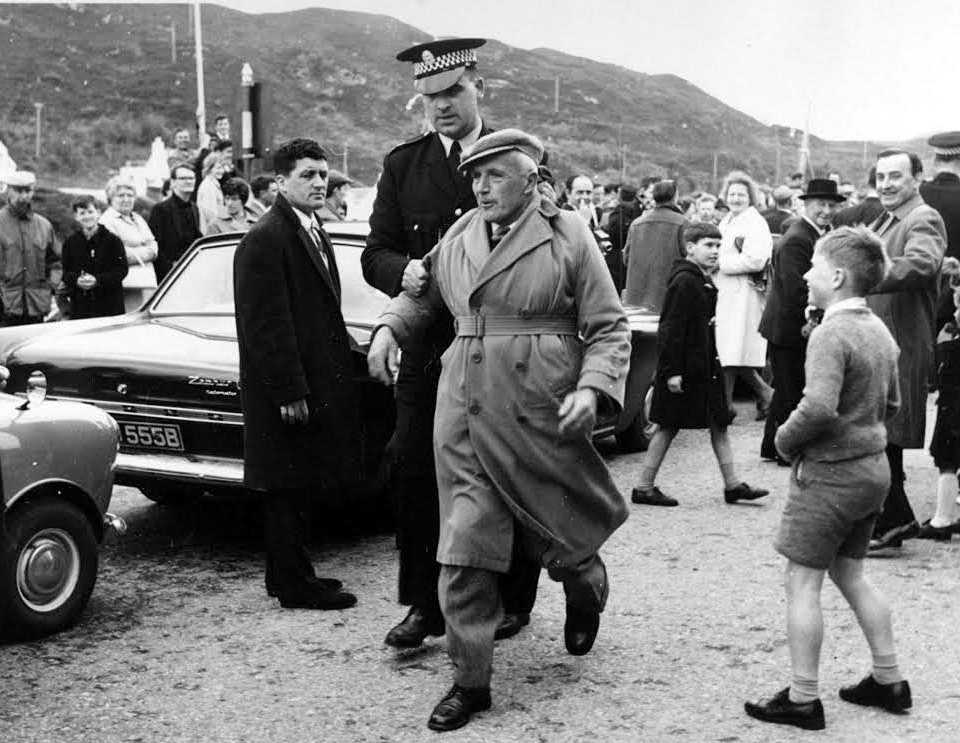
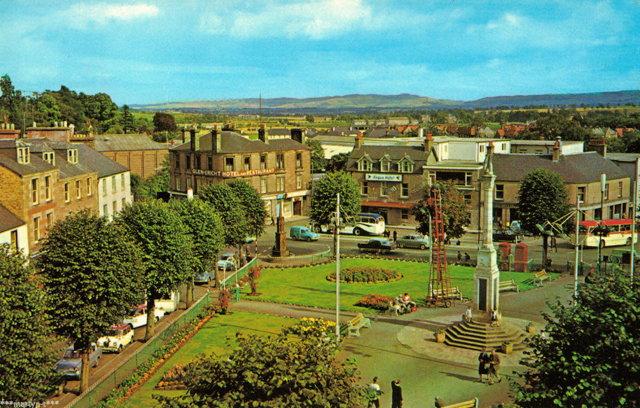
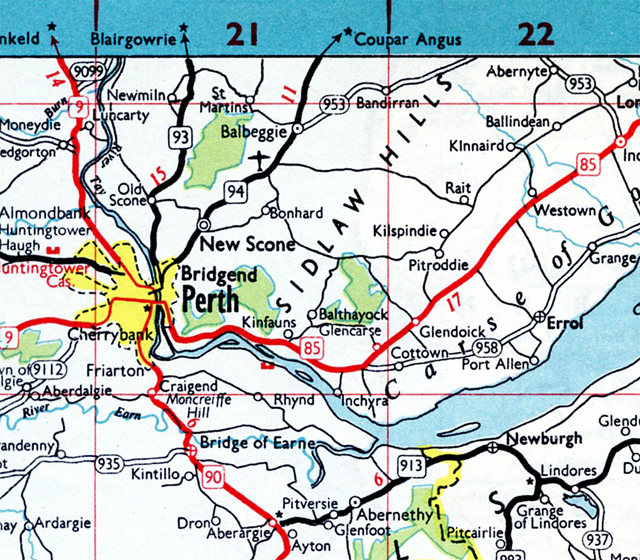

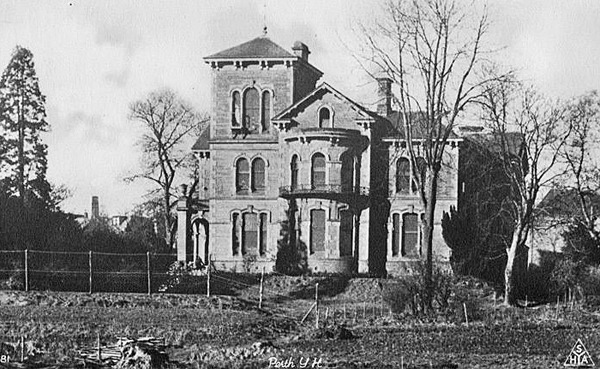


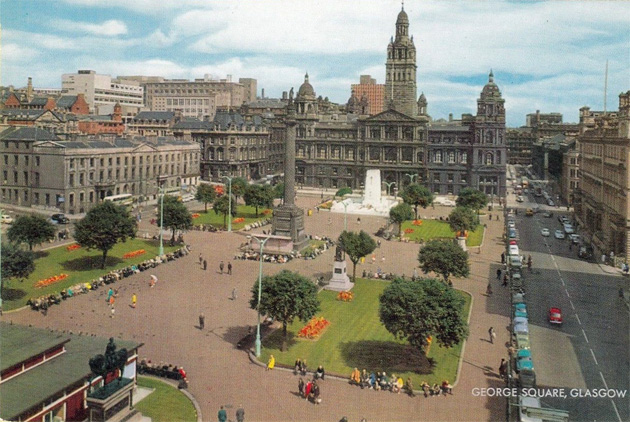


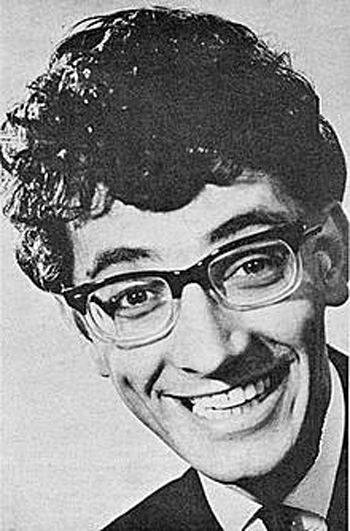

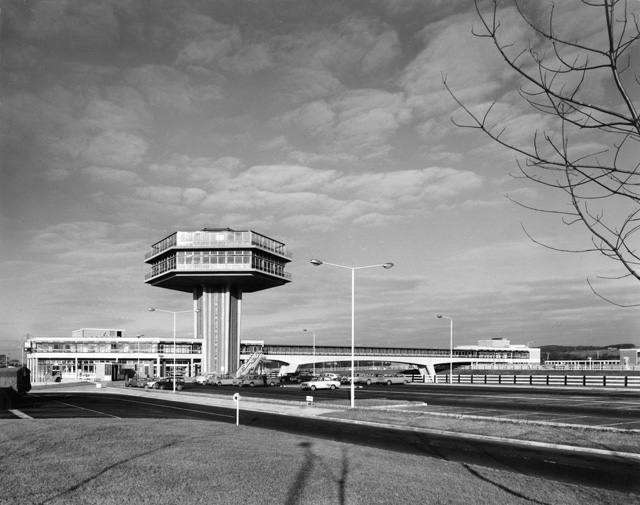


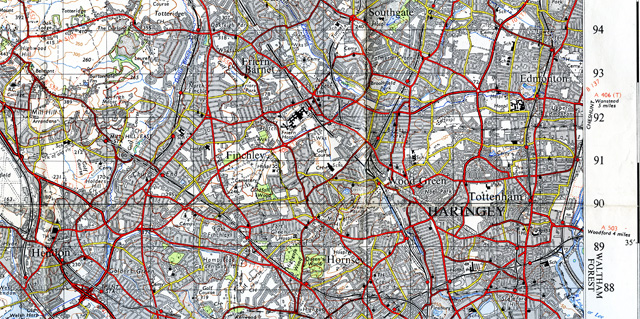


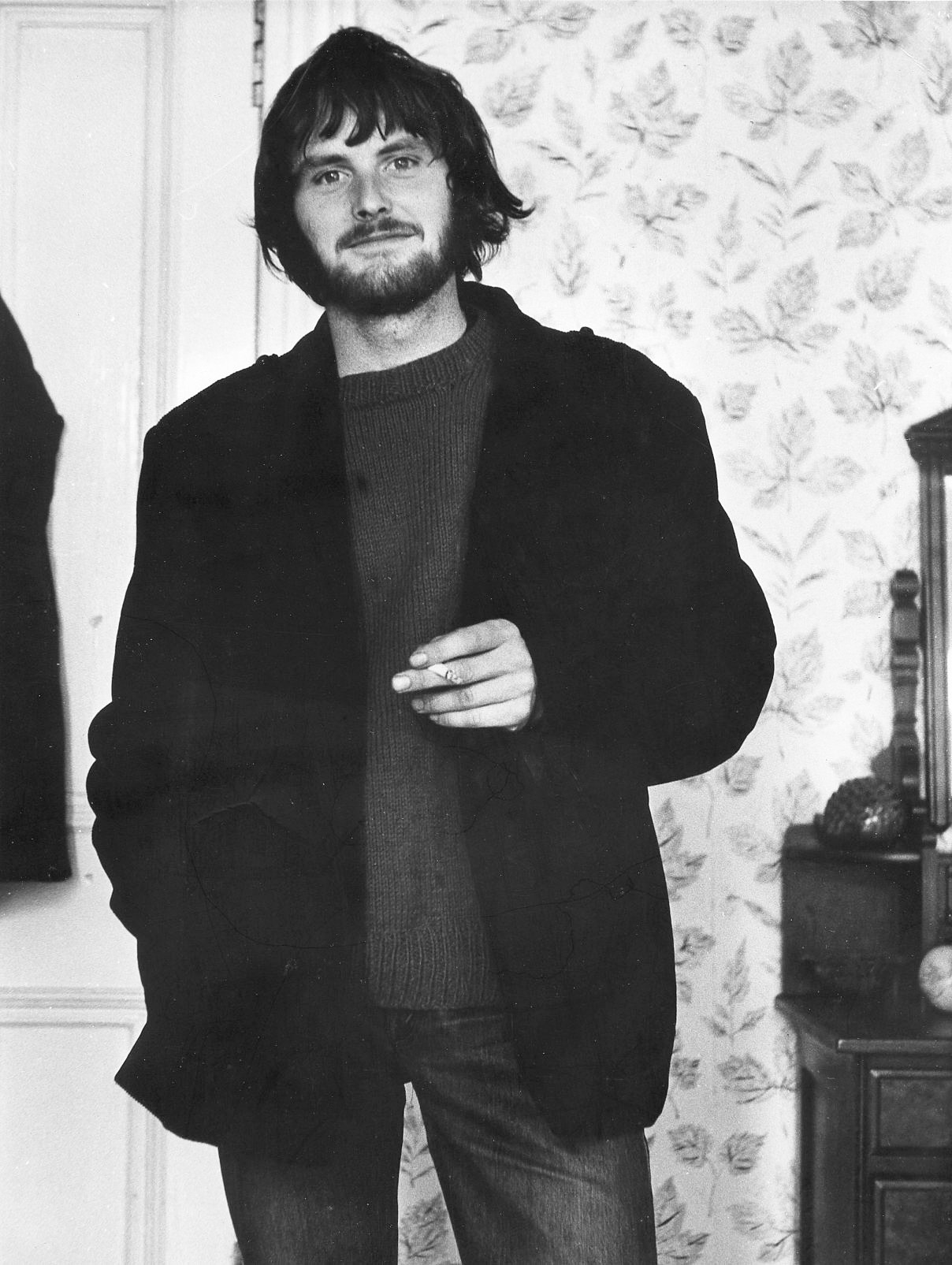
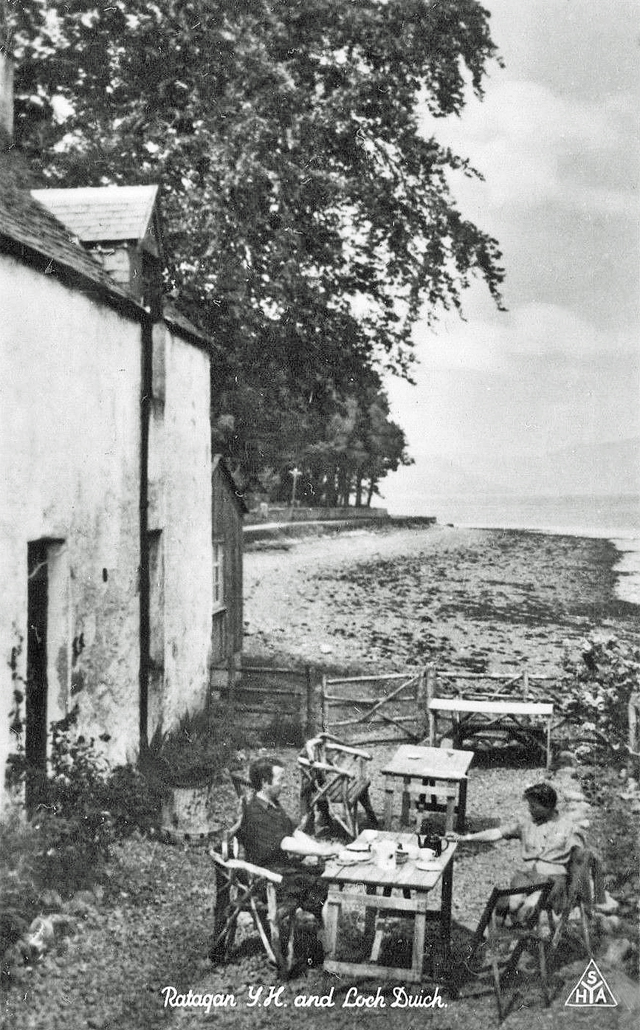


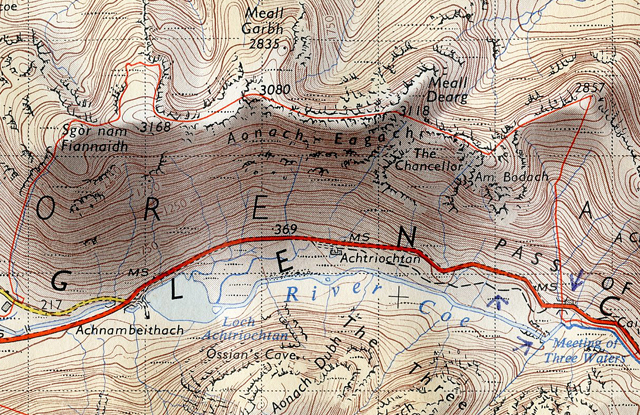
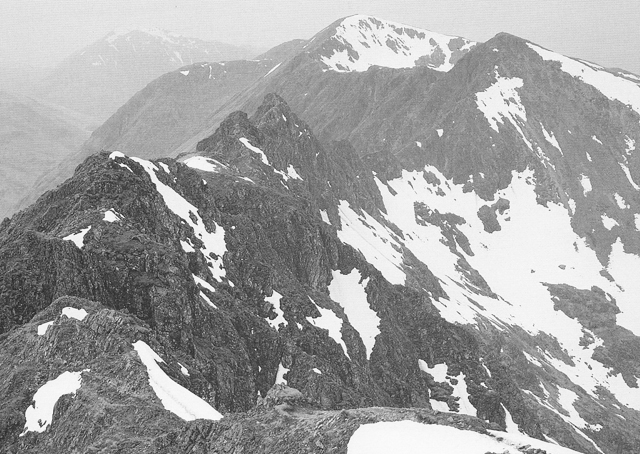
 A
A
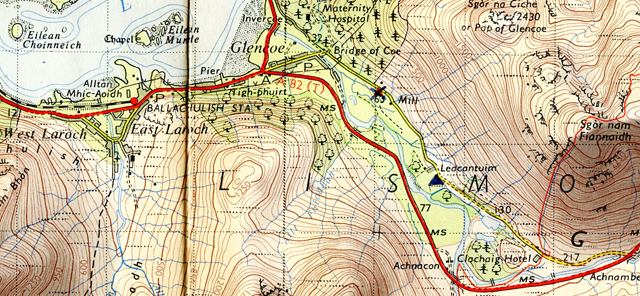

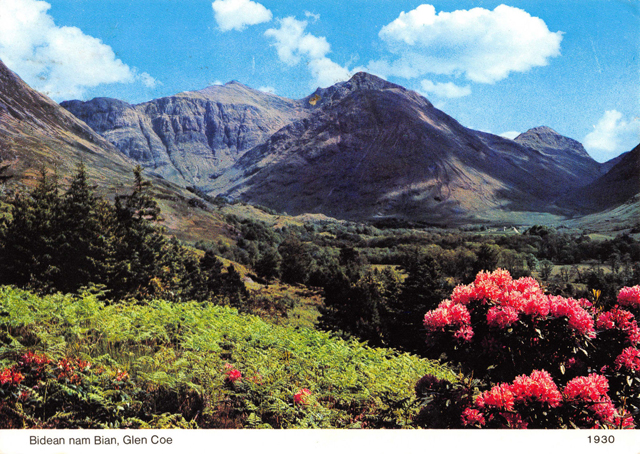
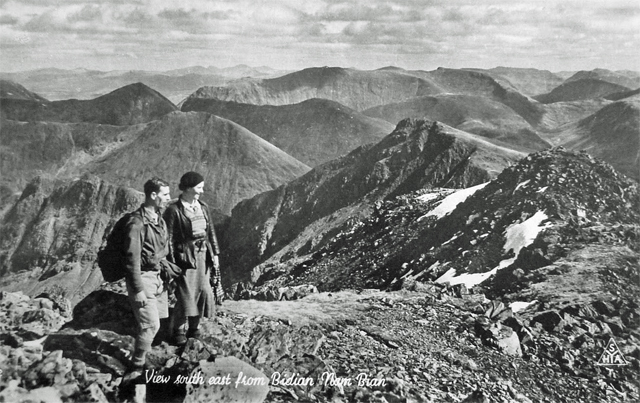
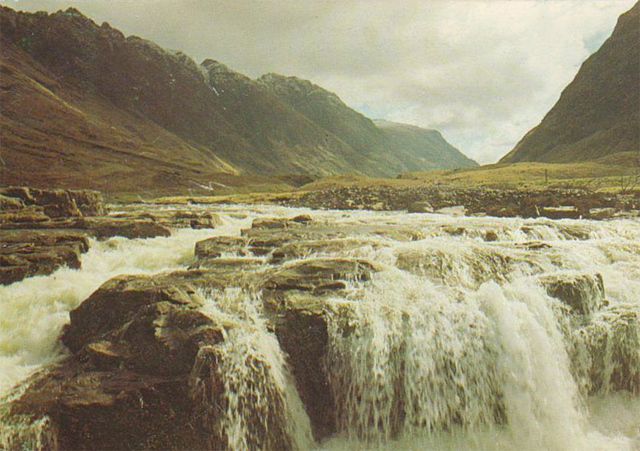

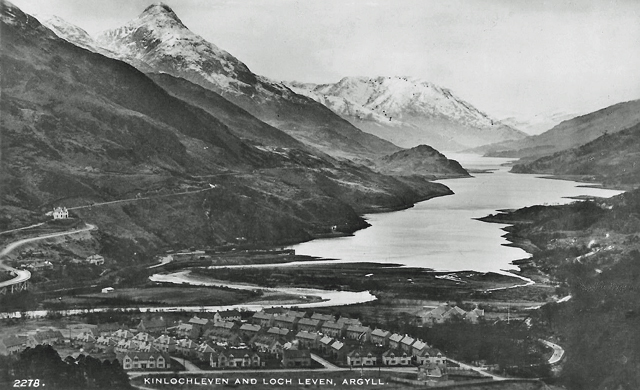
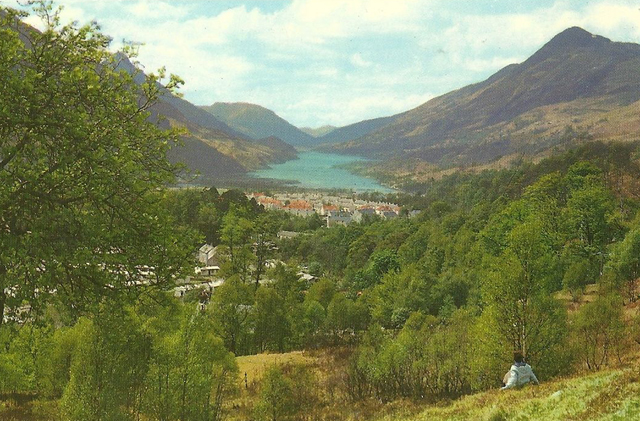
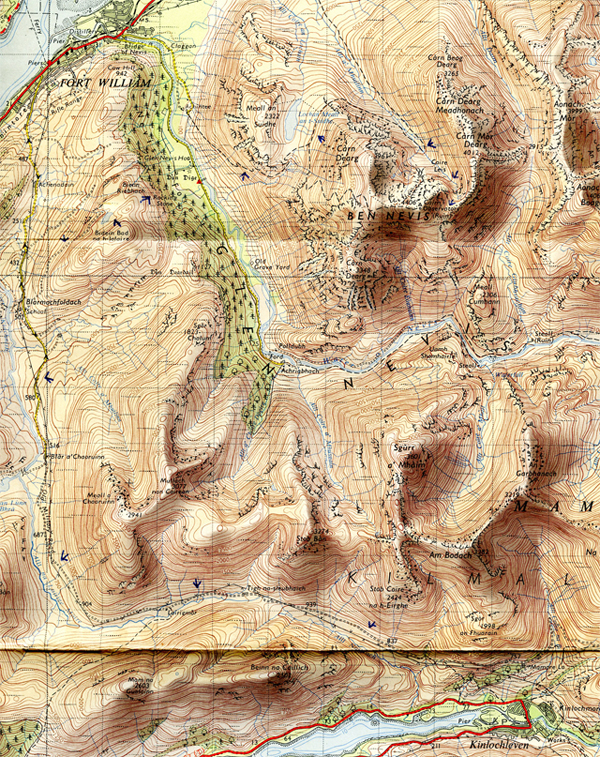
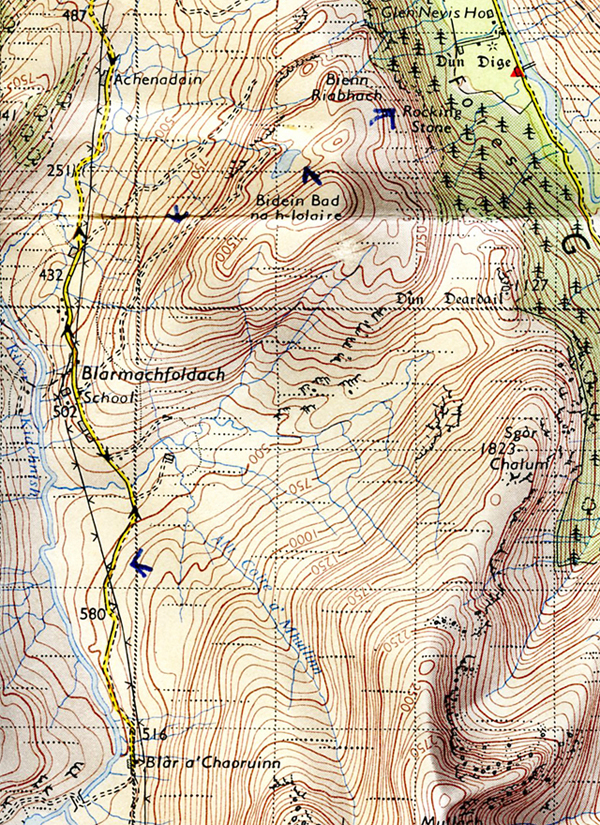


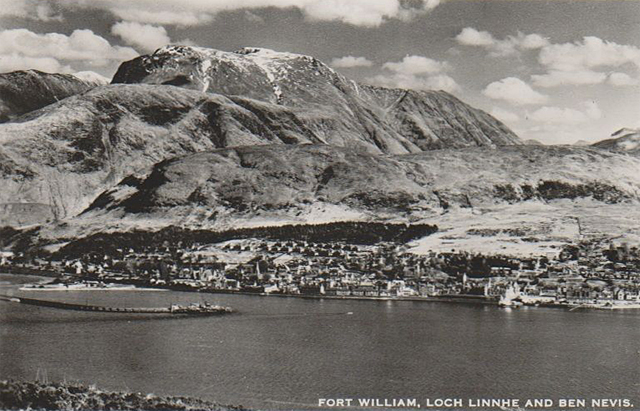

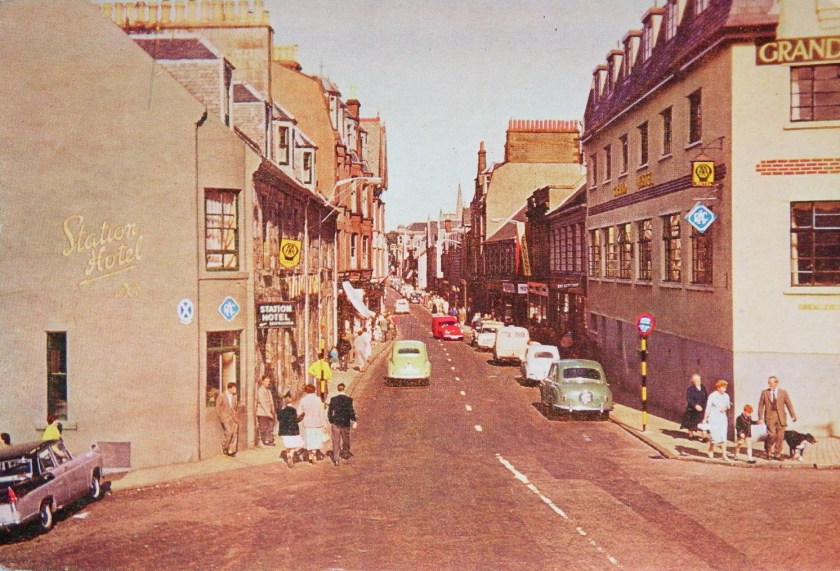


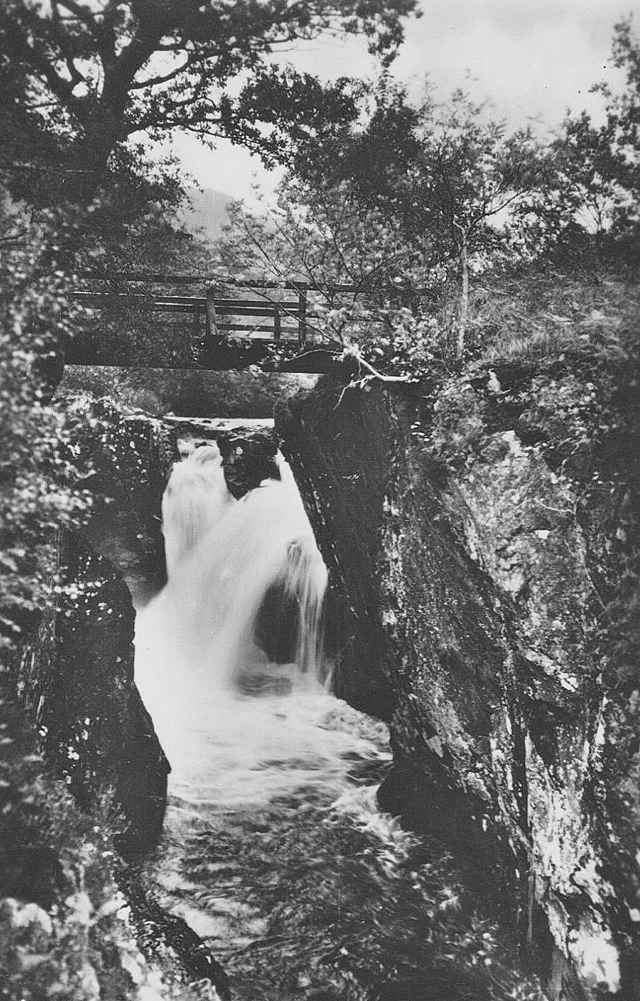


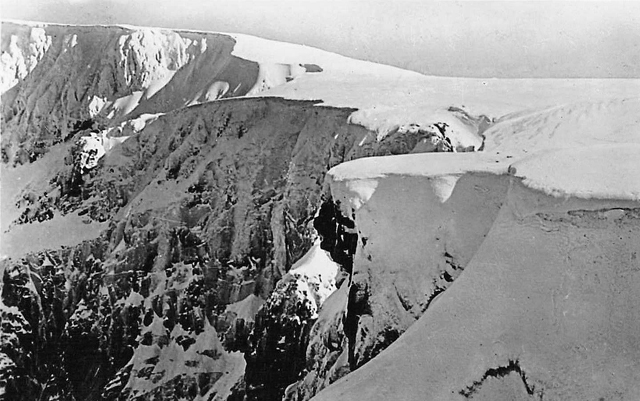
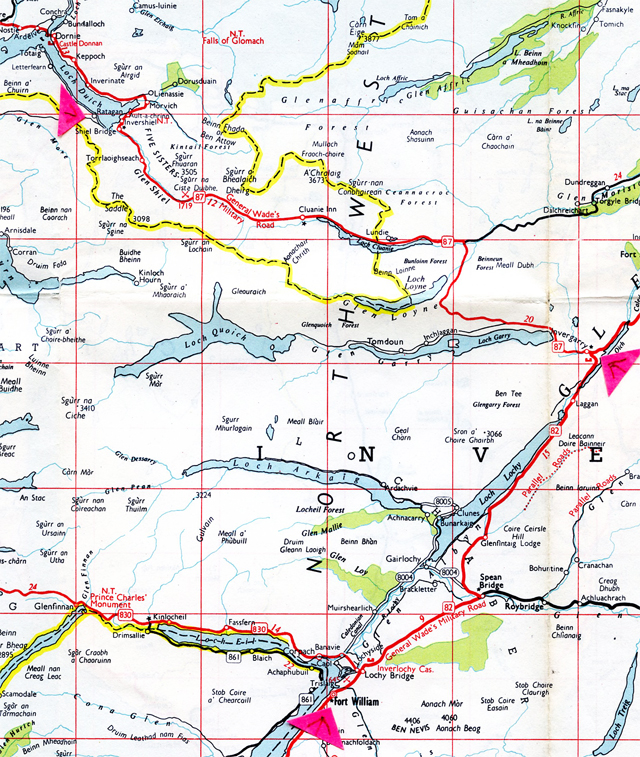


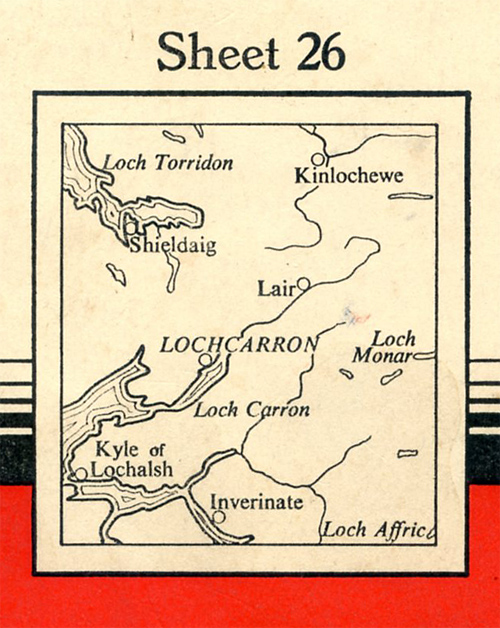

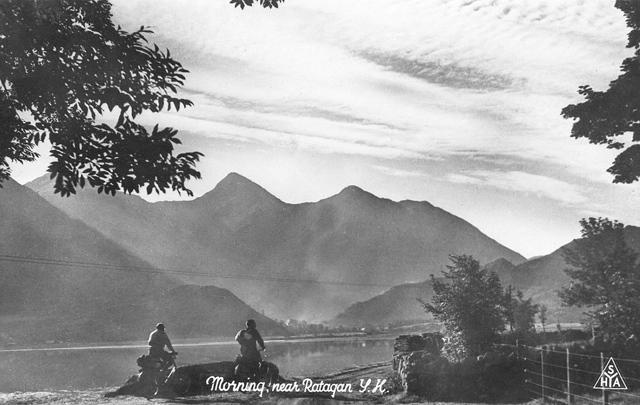

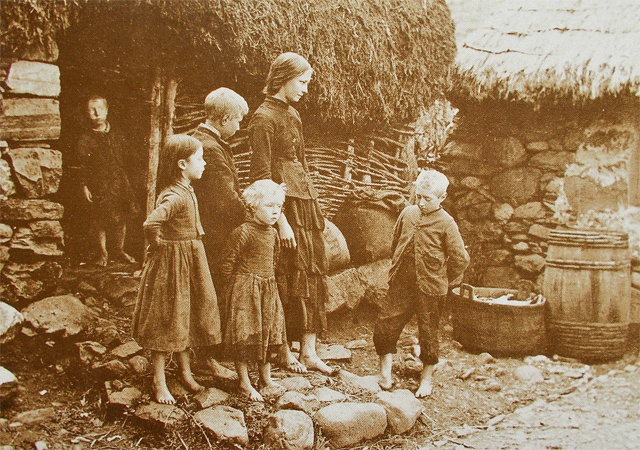
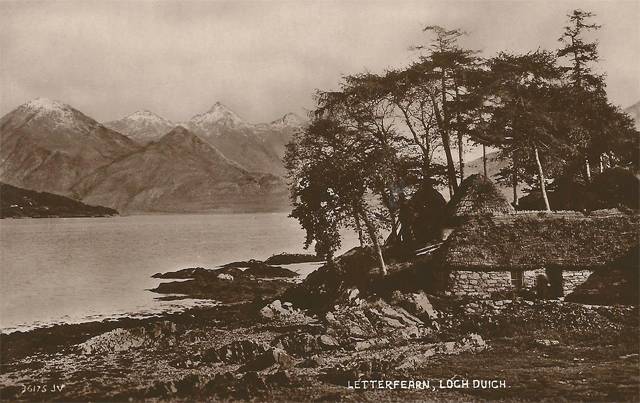
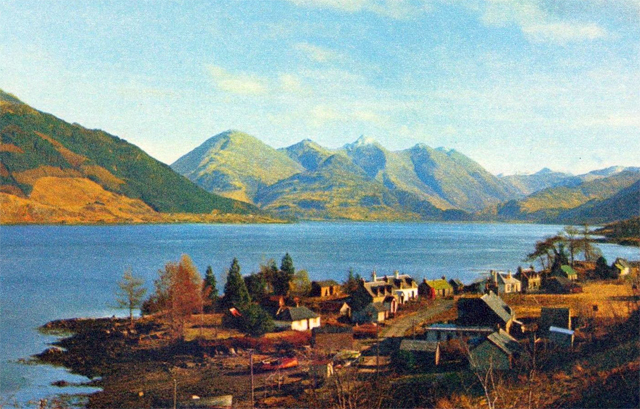
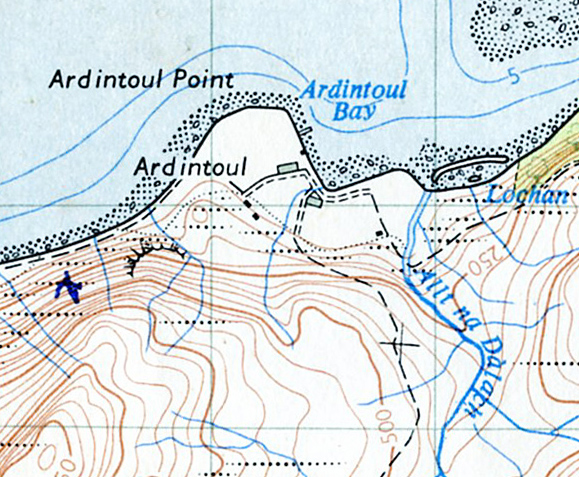


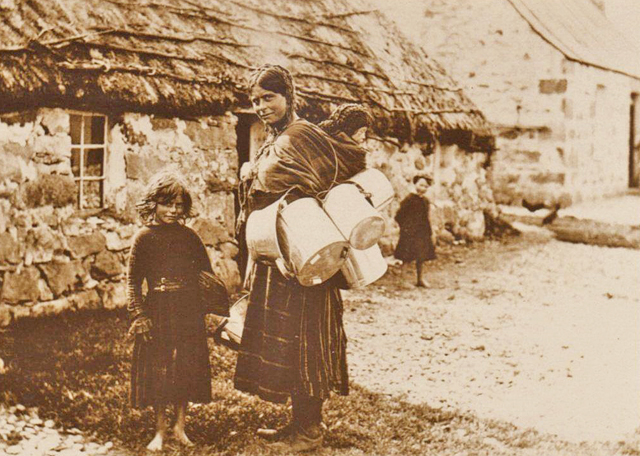

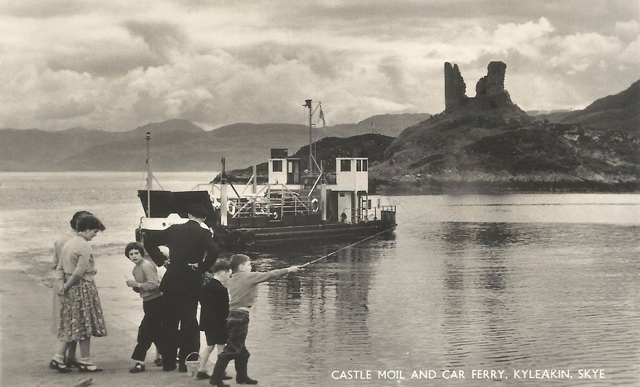

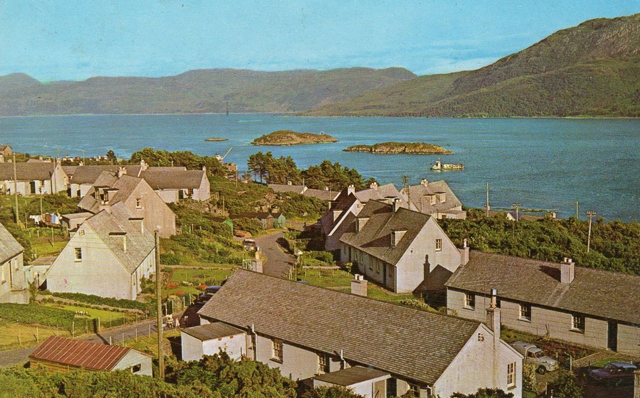


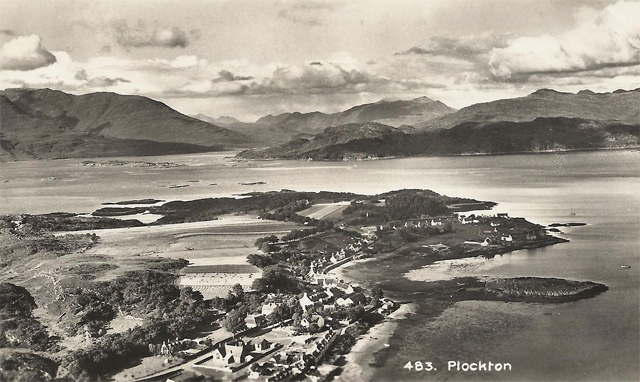
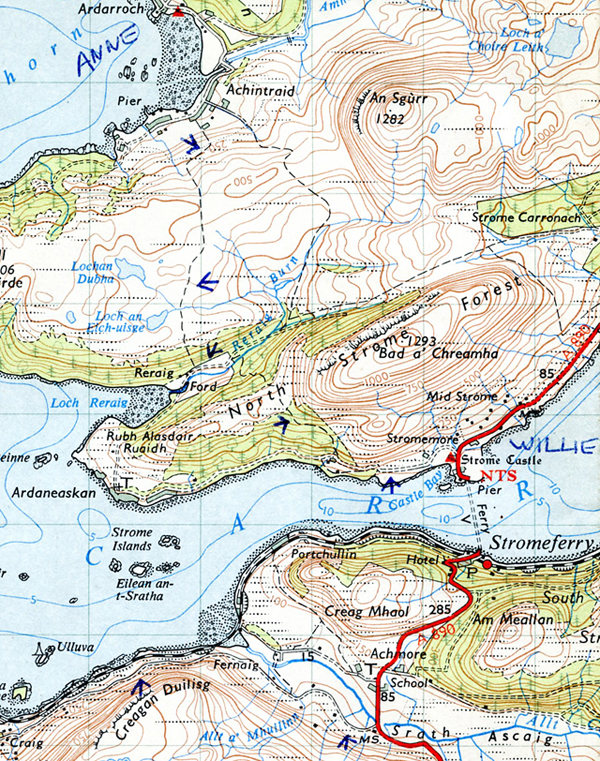
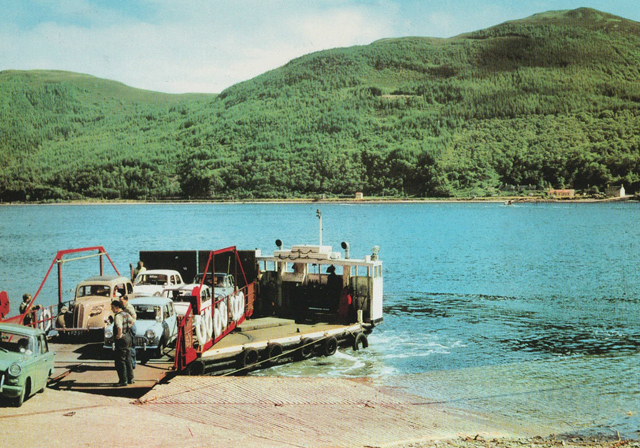


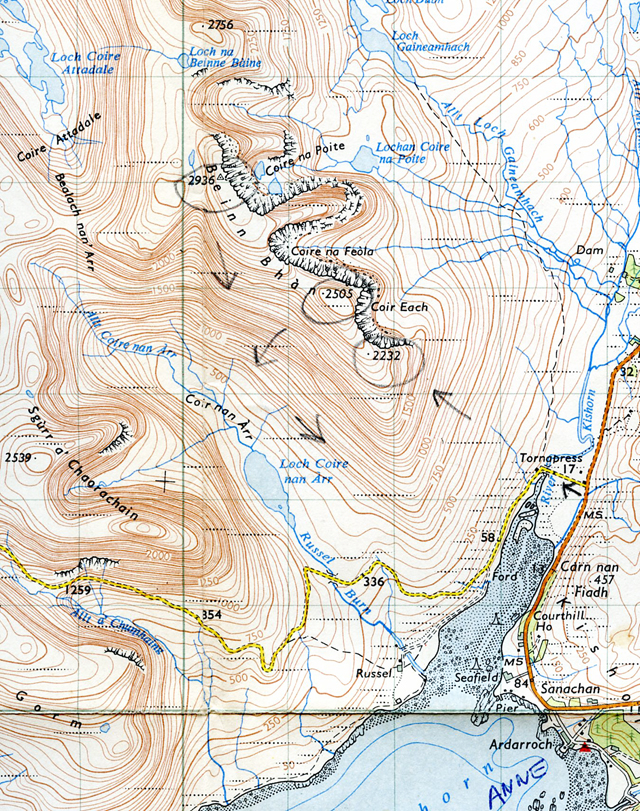

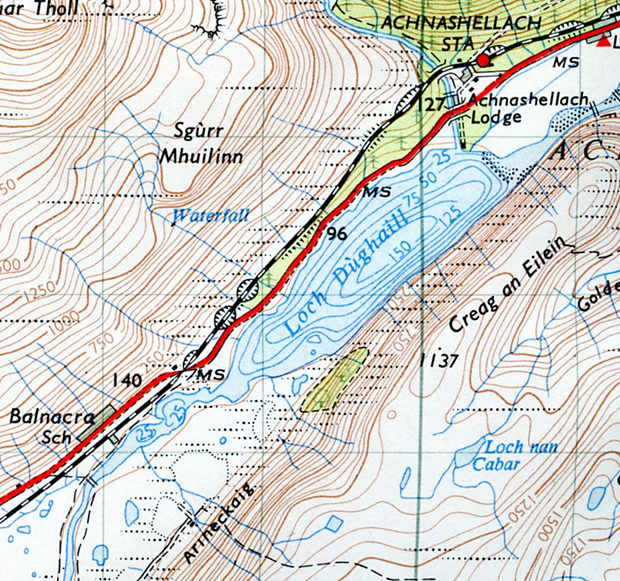

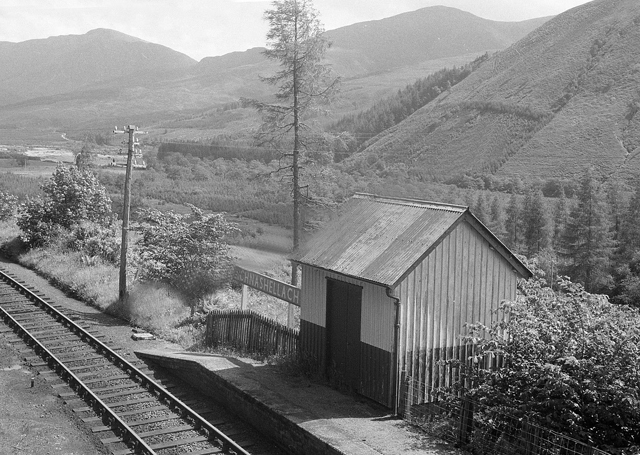
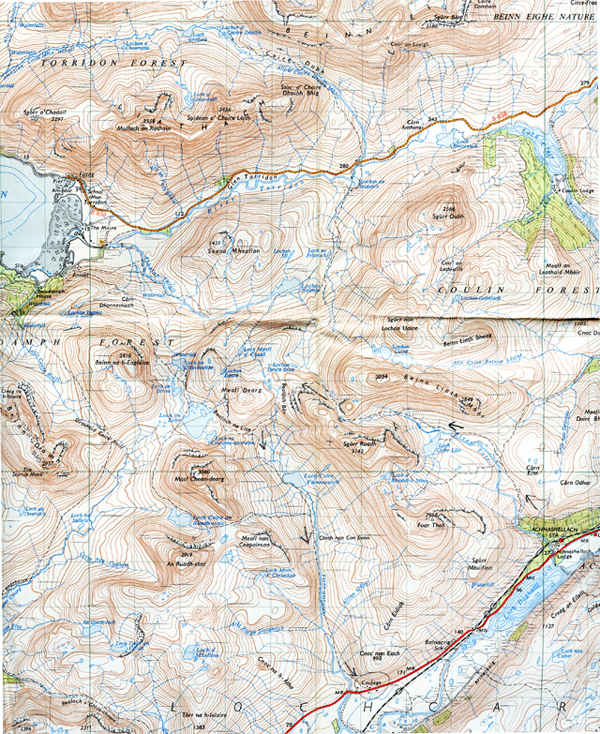


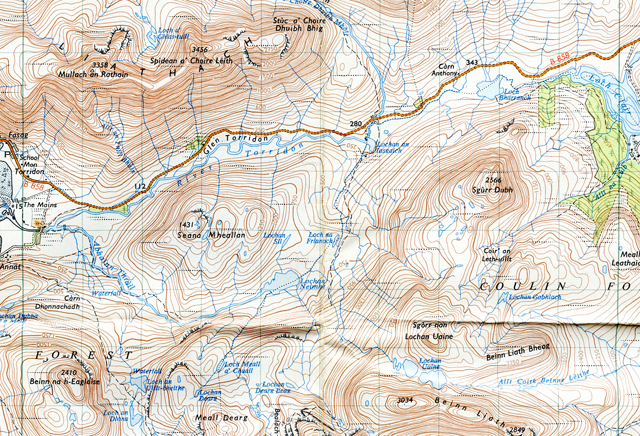
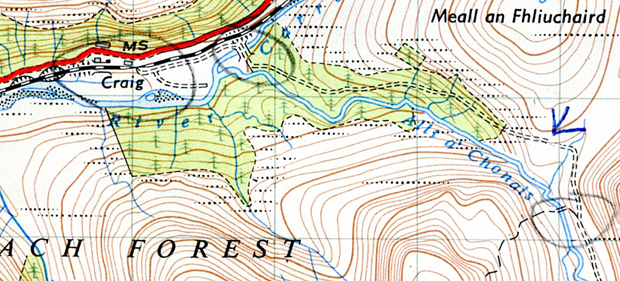


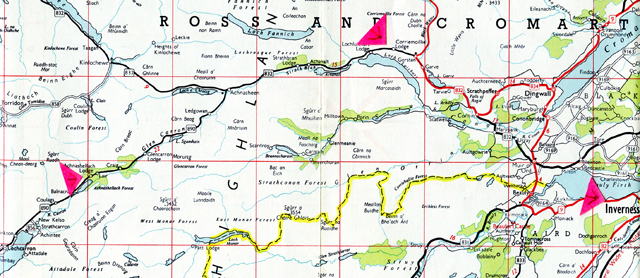
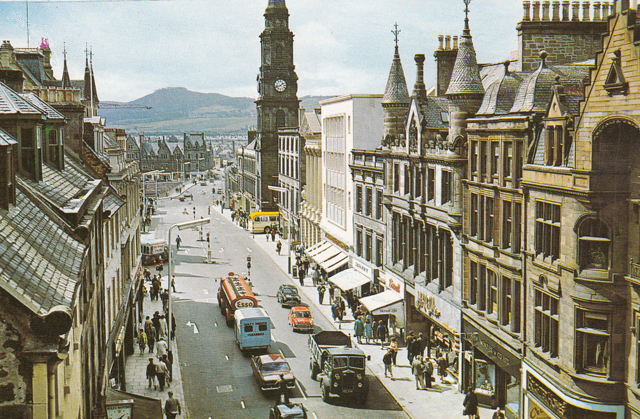
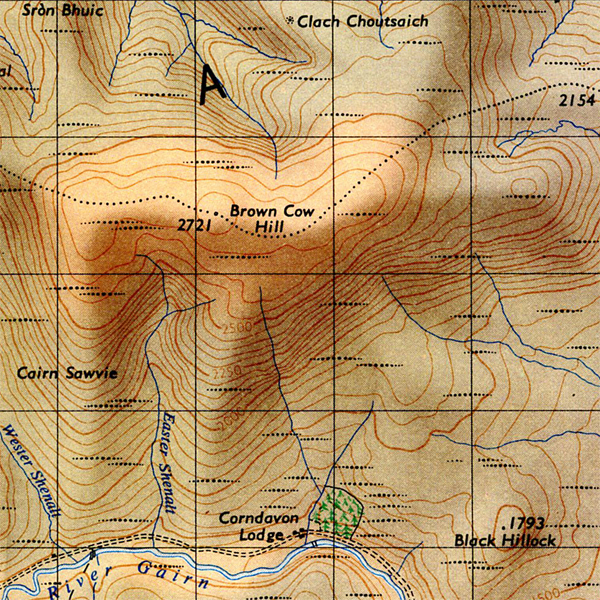

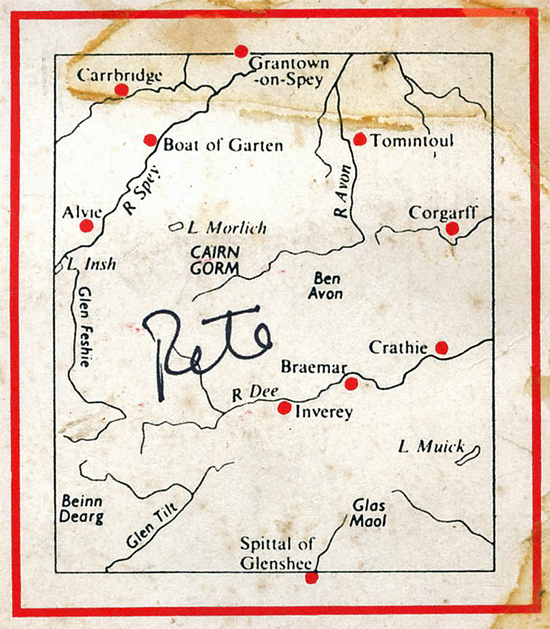
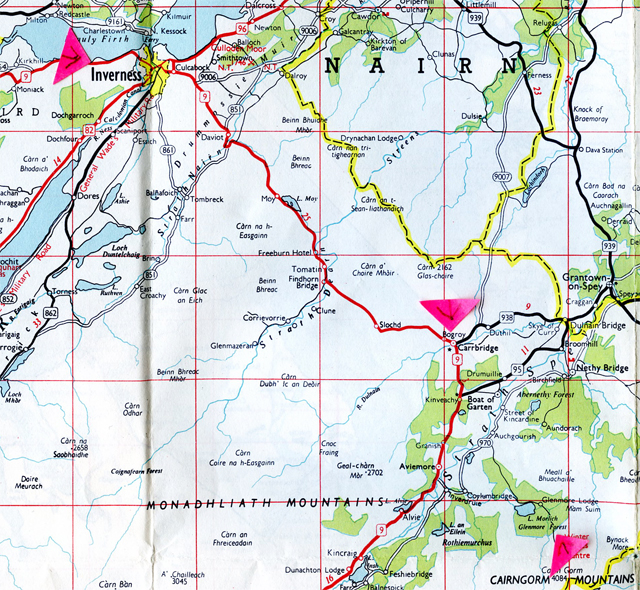


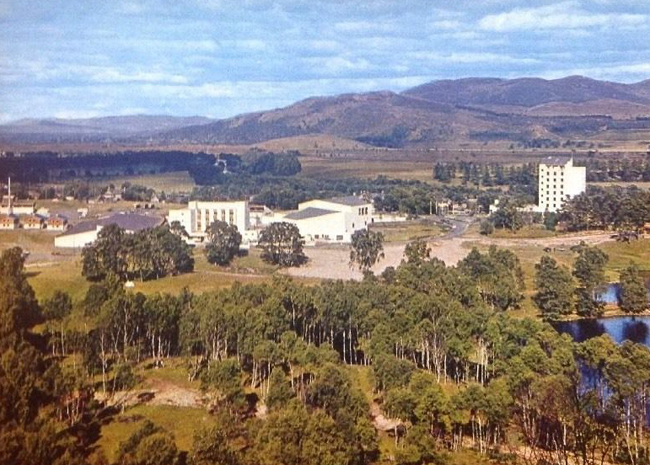


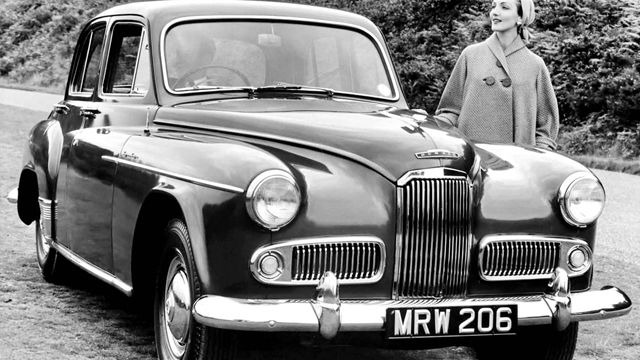




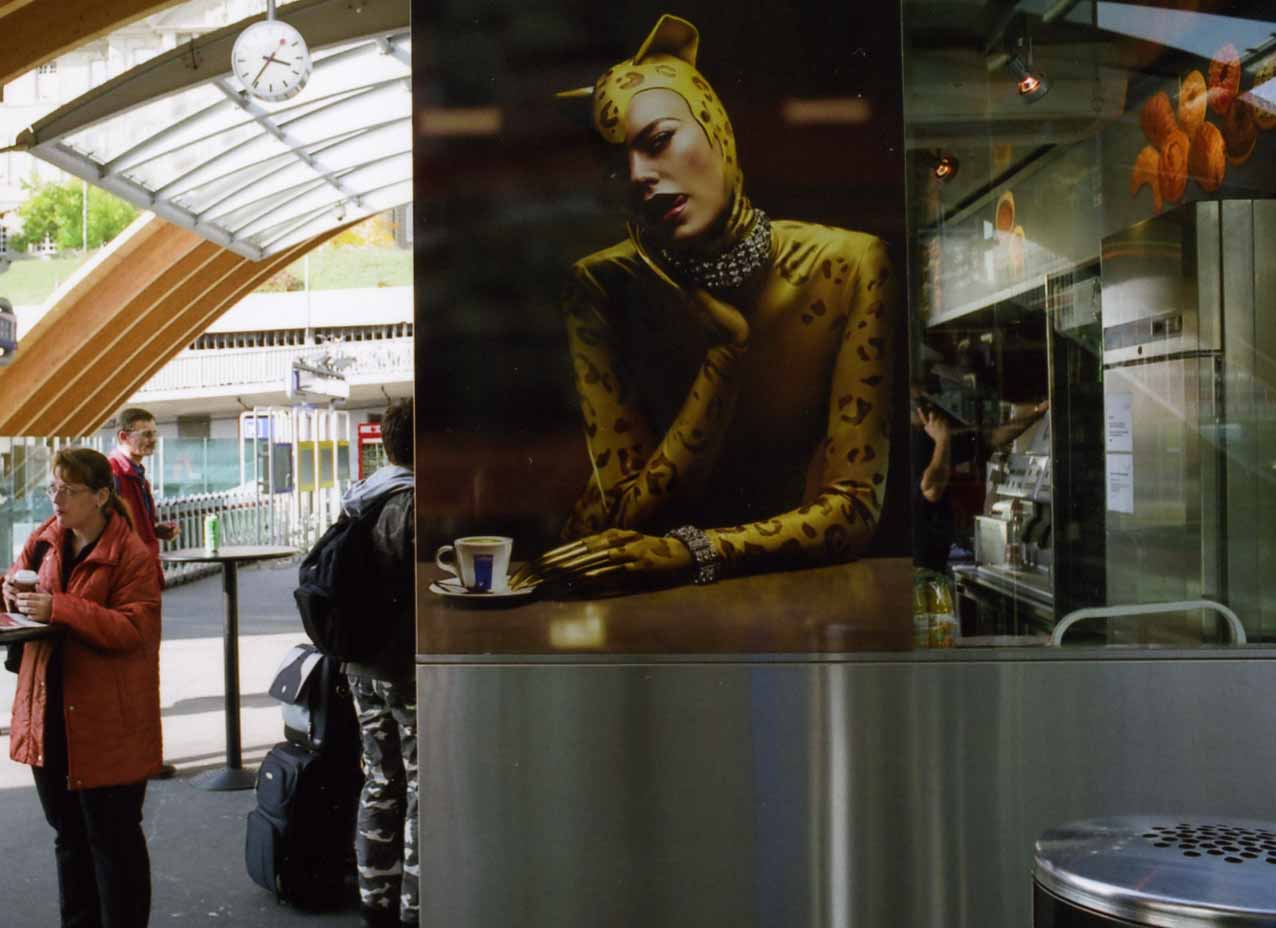
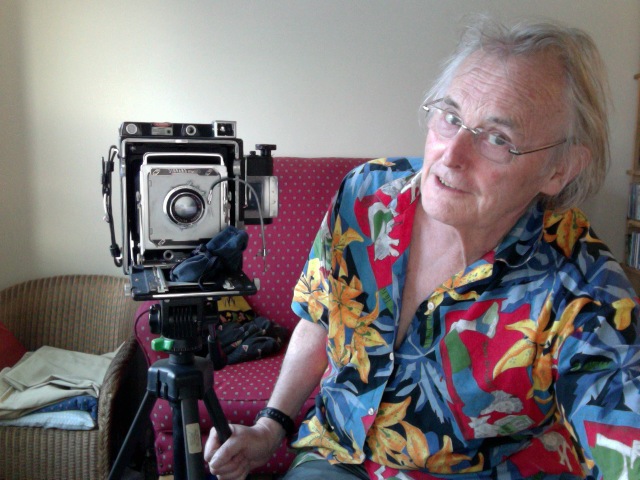


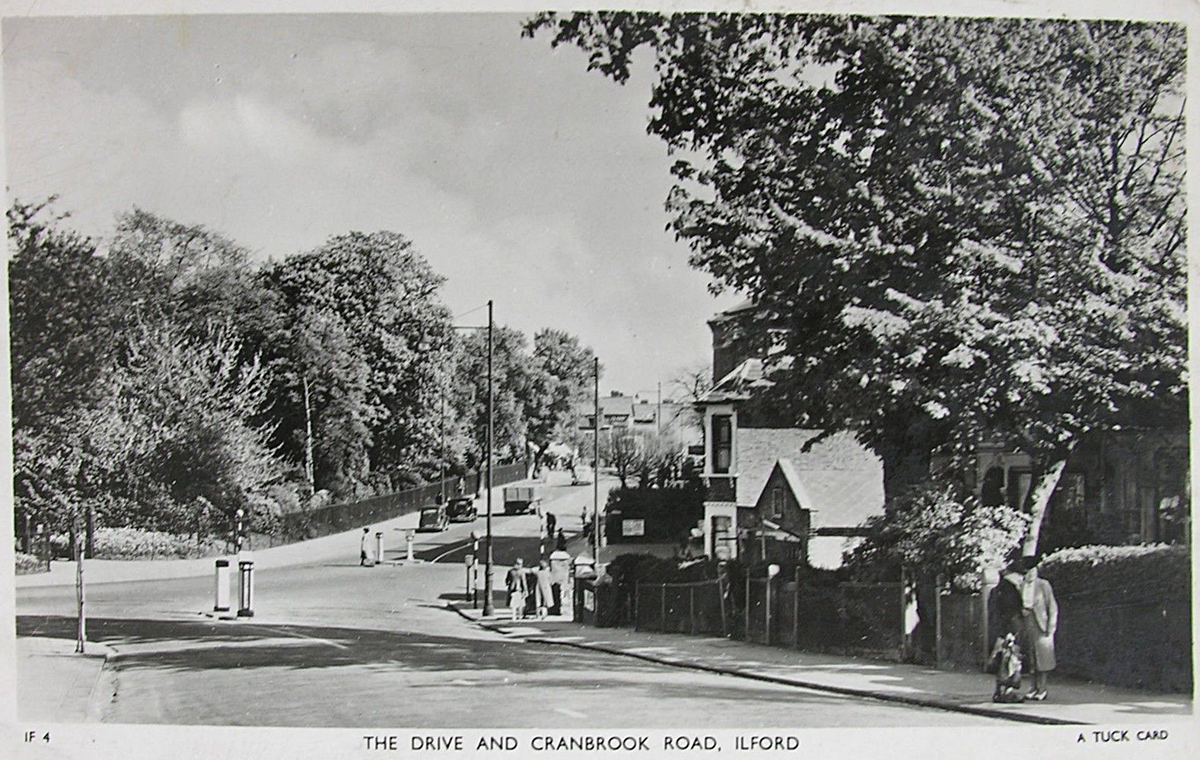

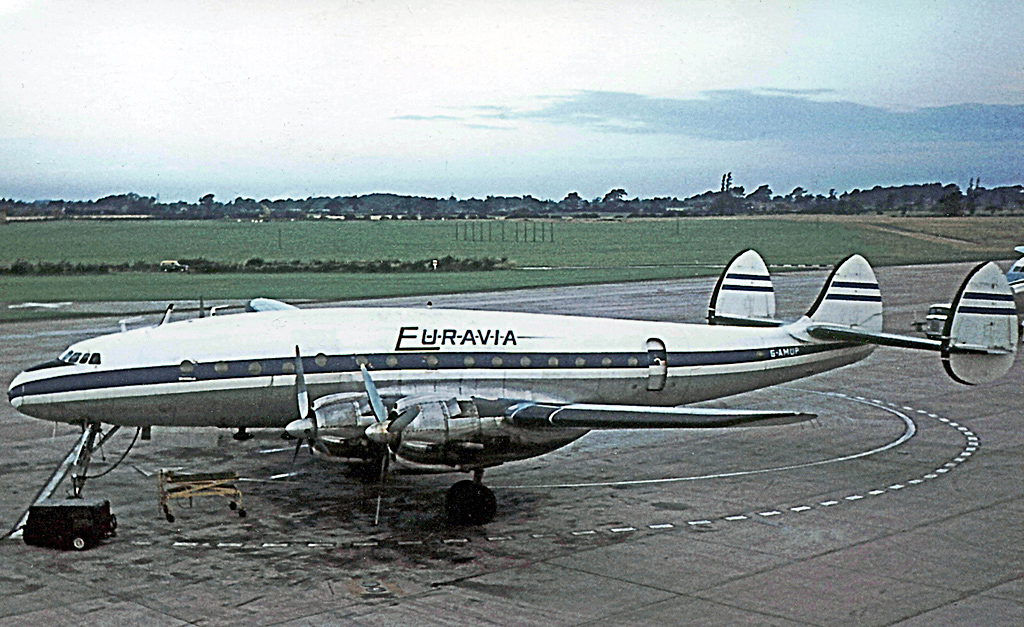

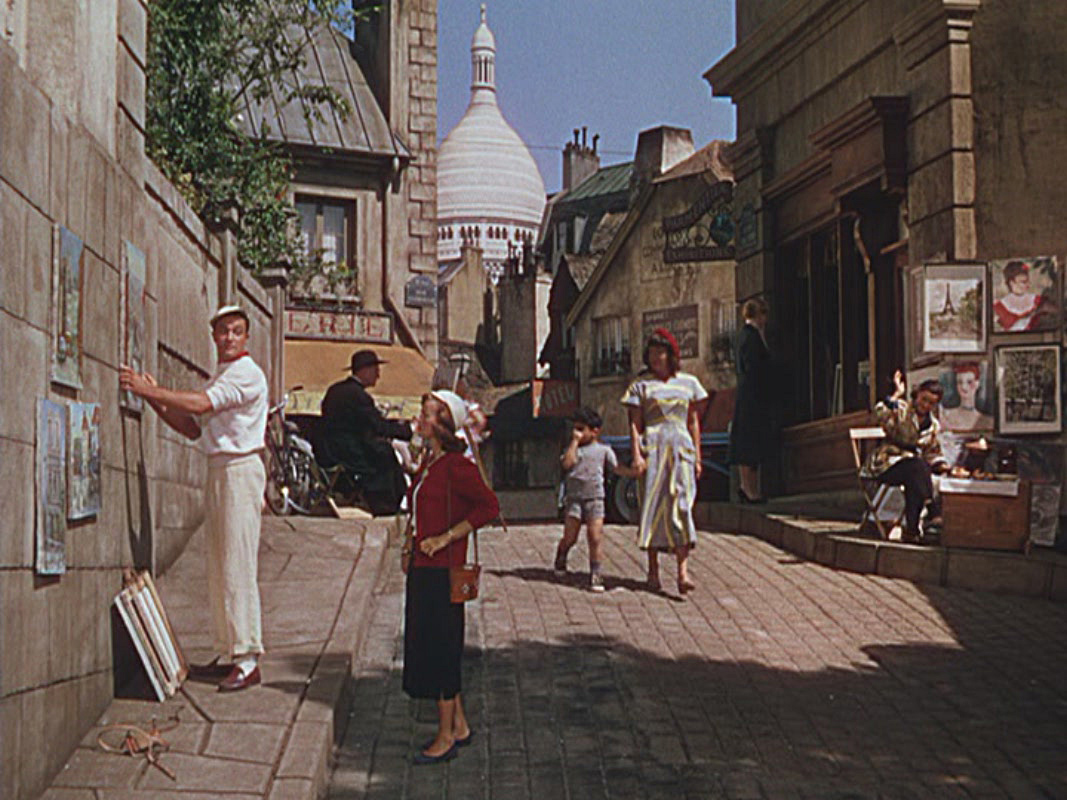












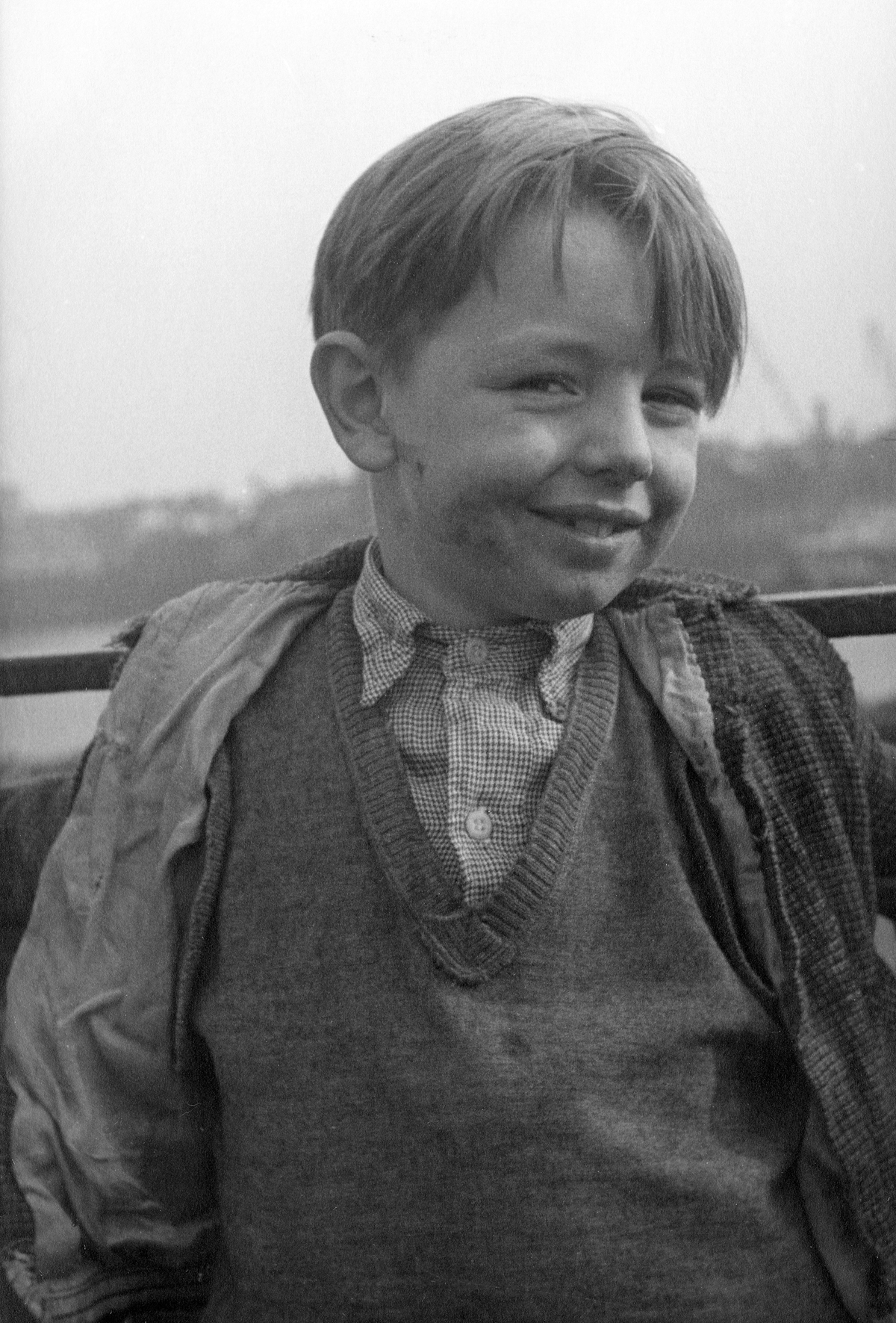

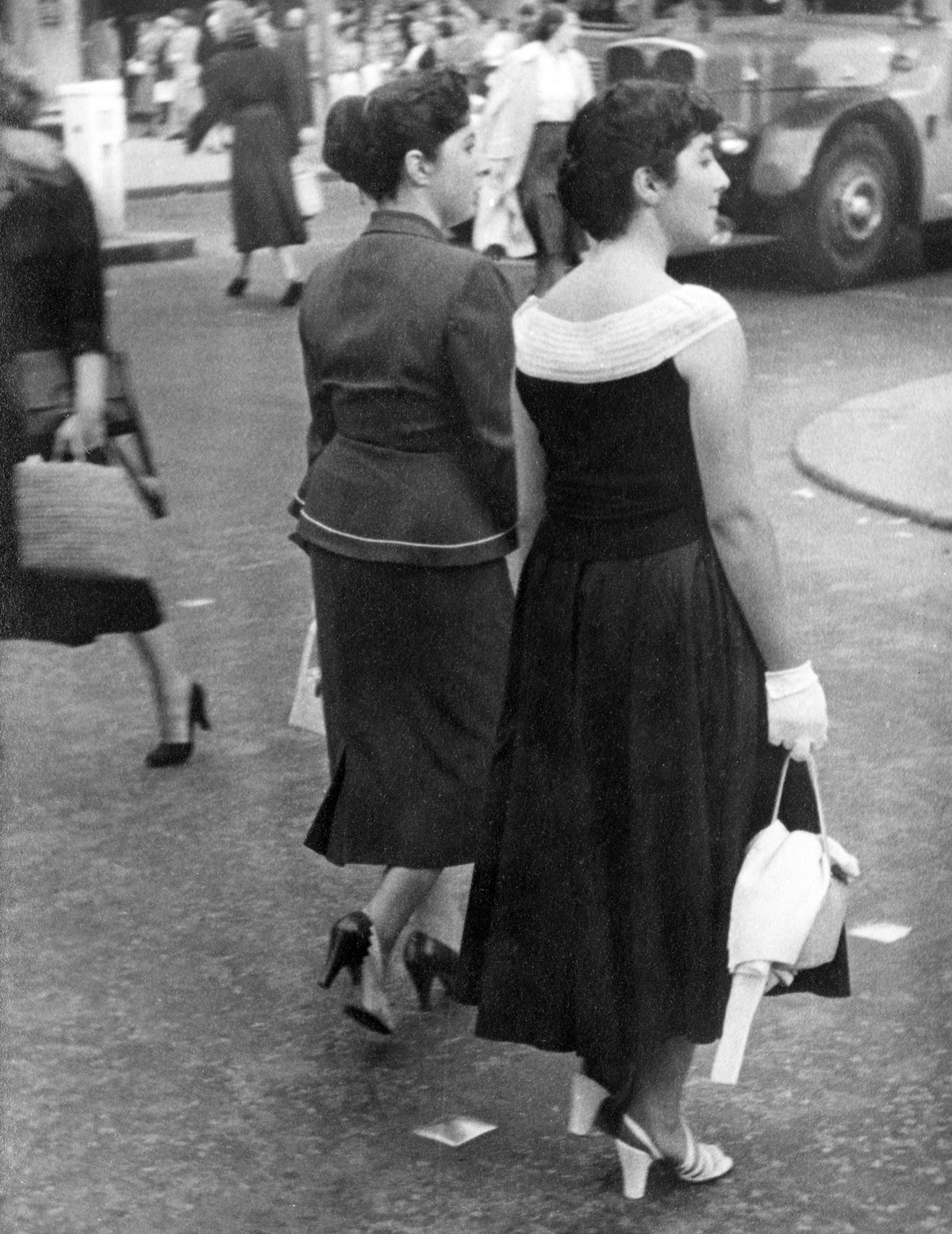






























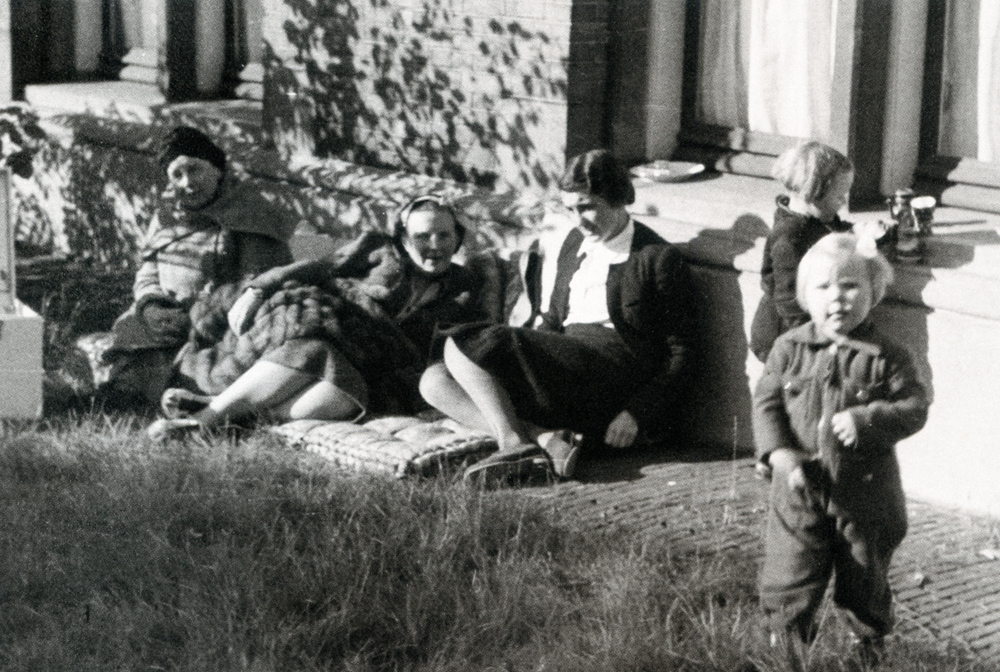

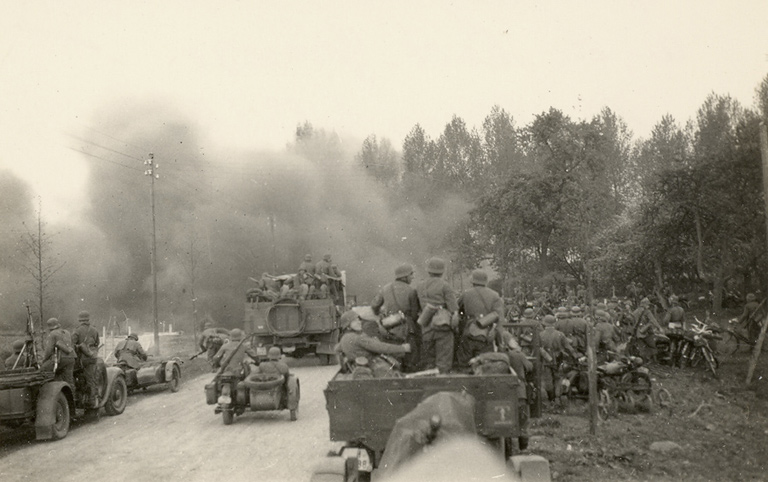


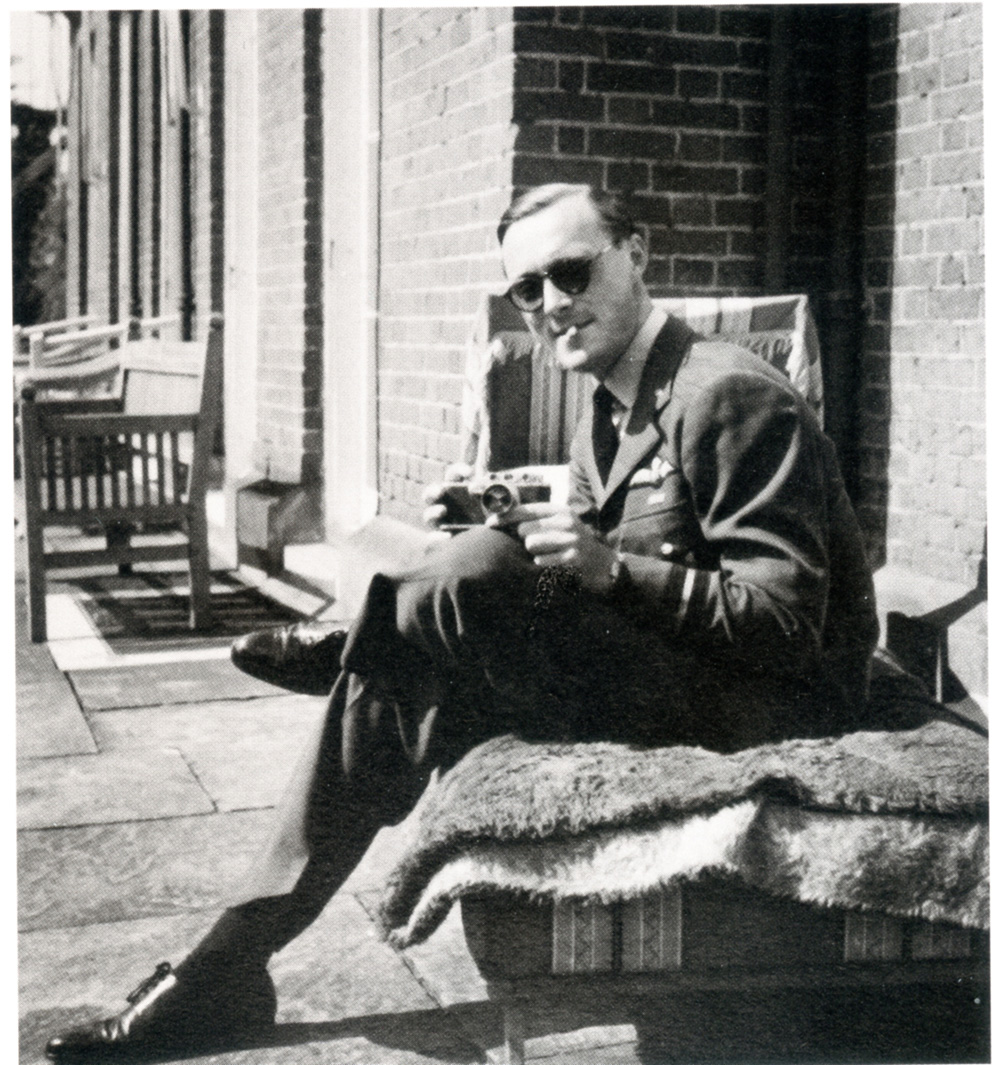


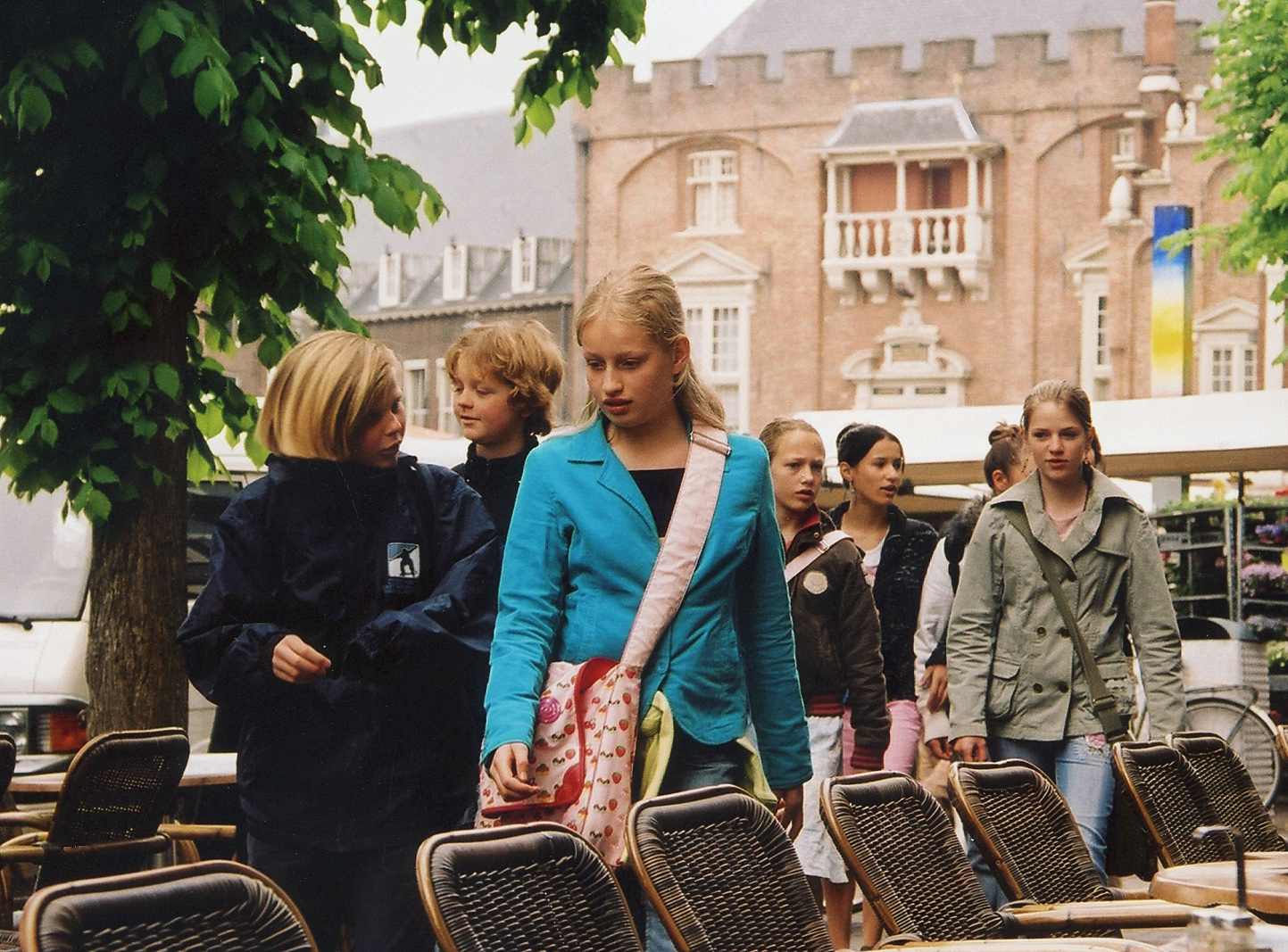








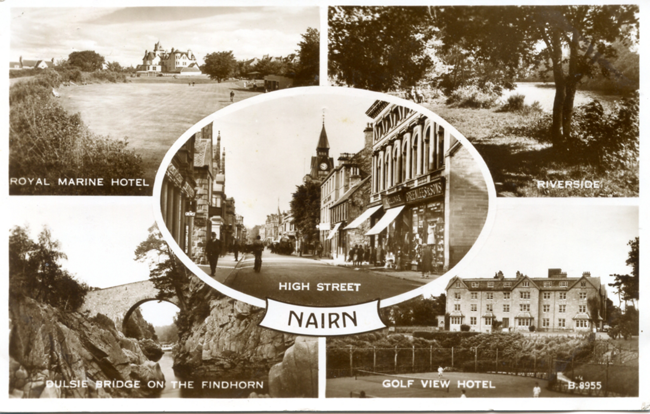
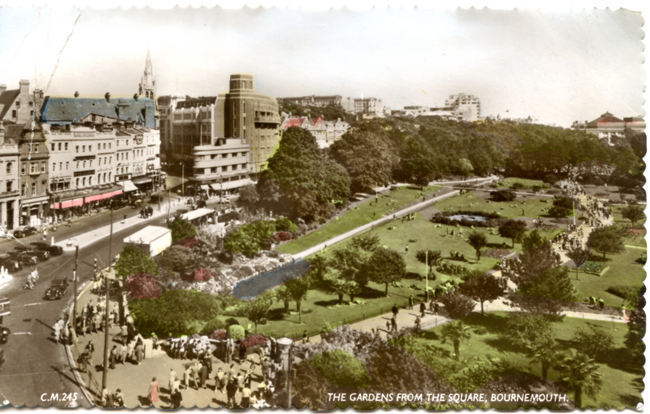
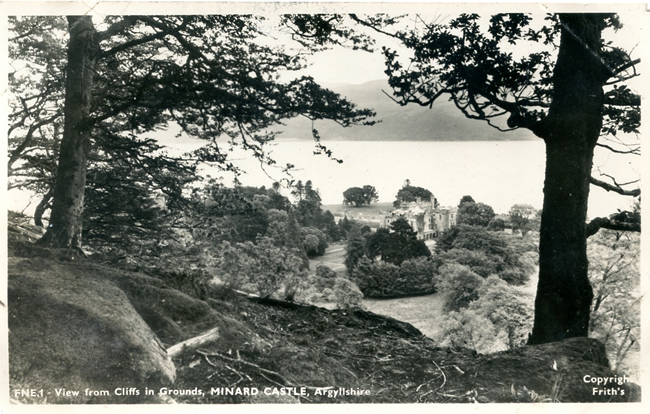




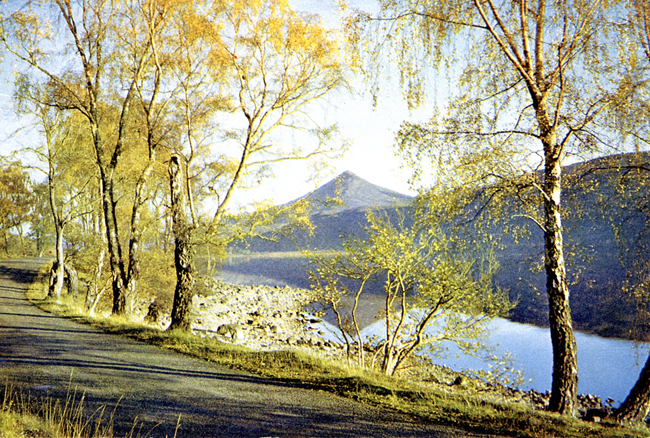



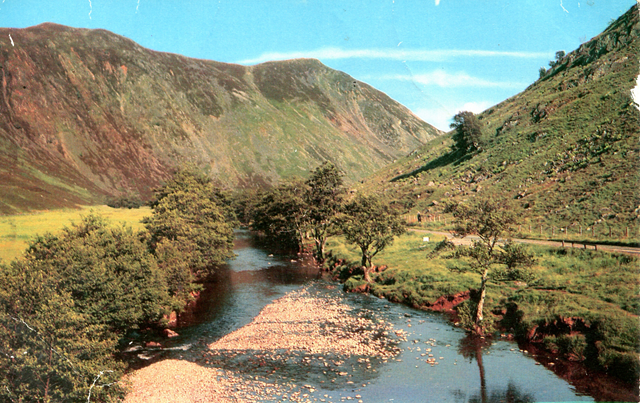



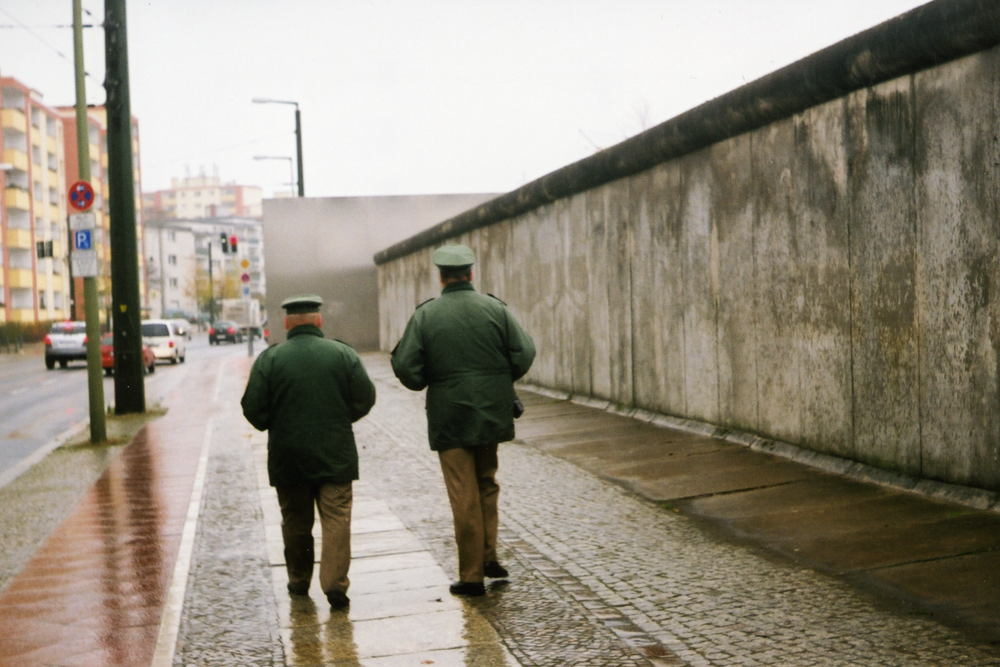

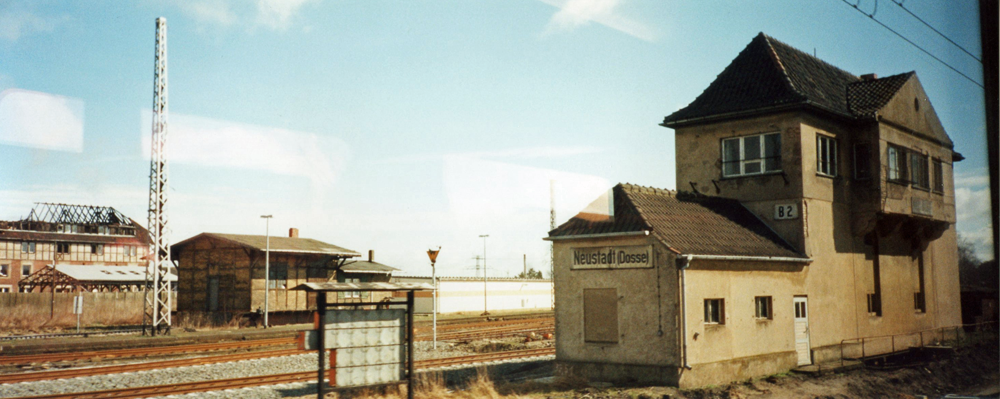




































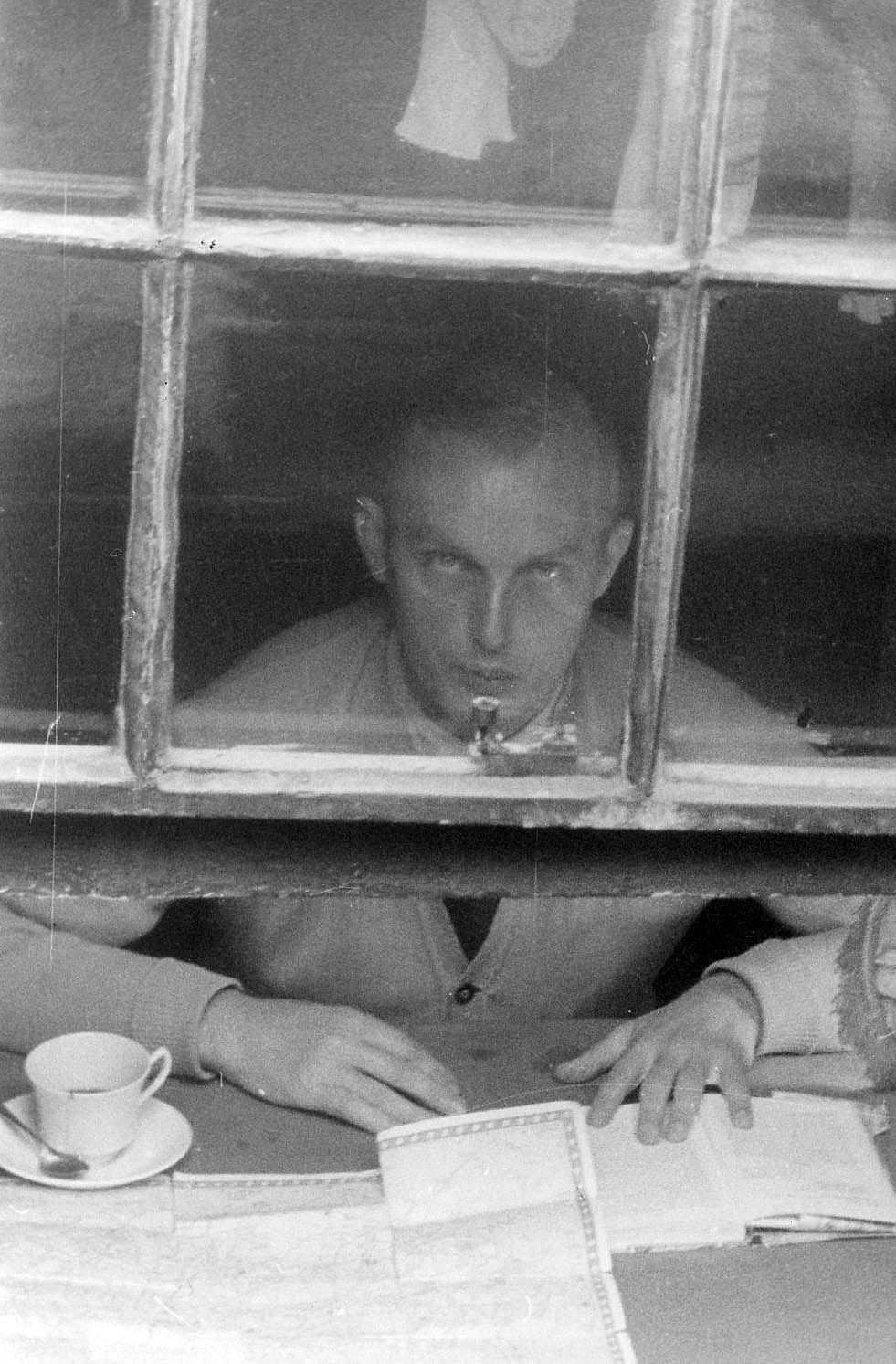

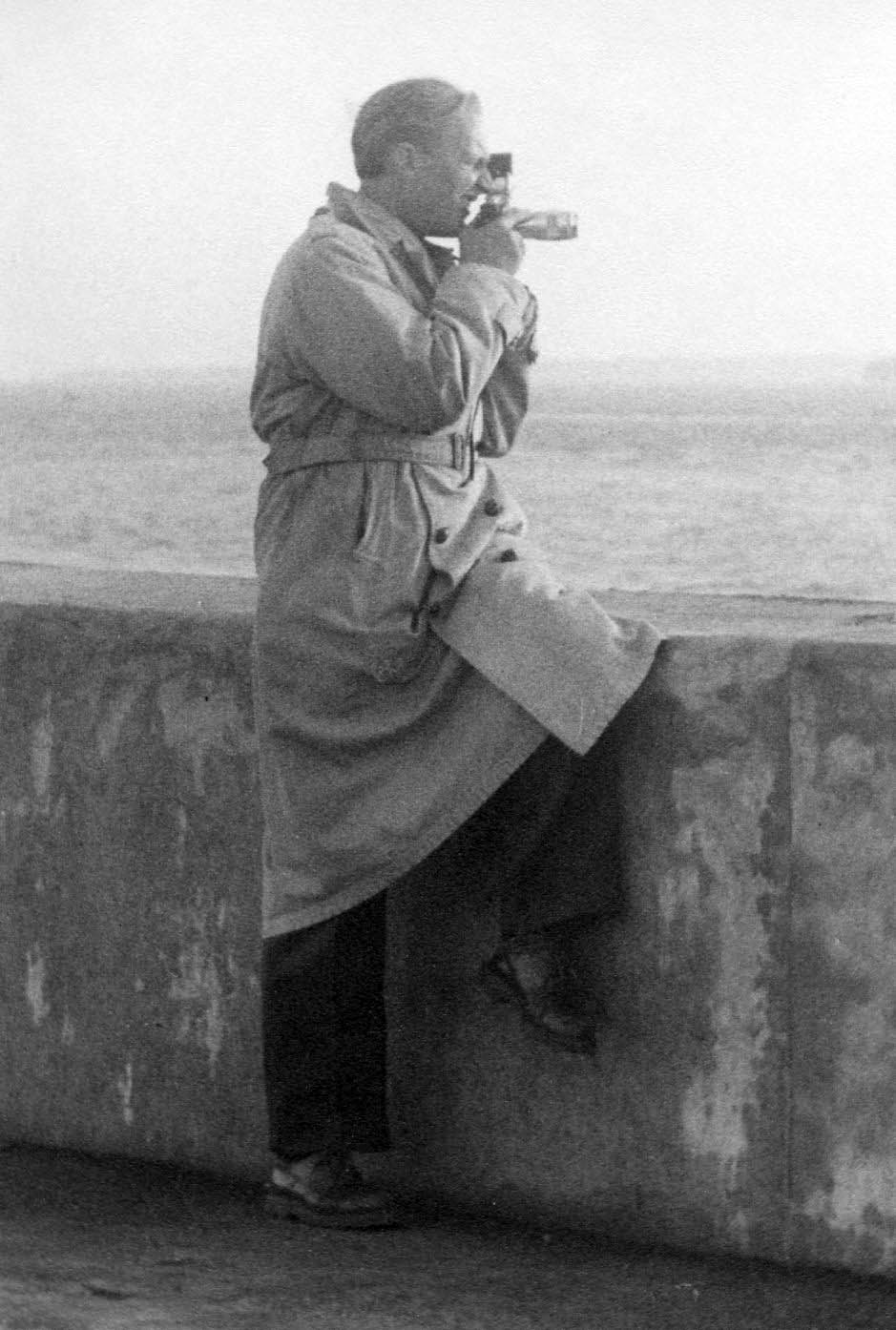
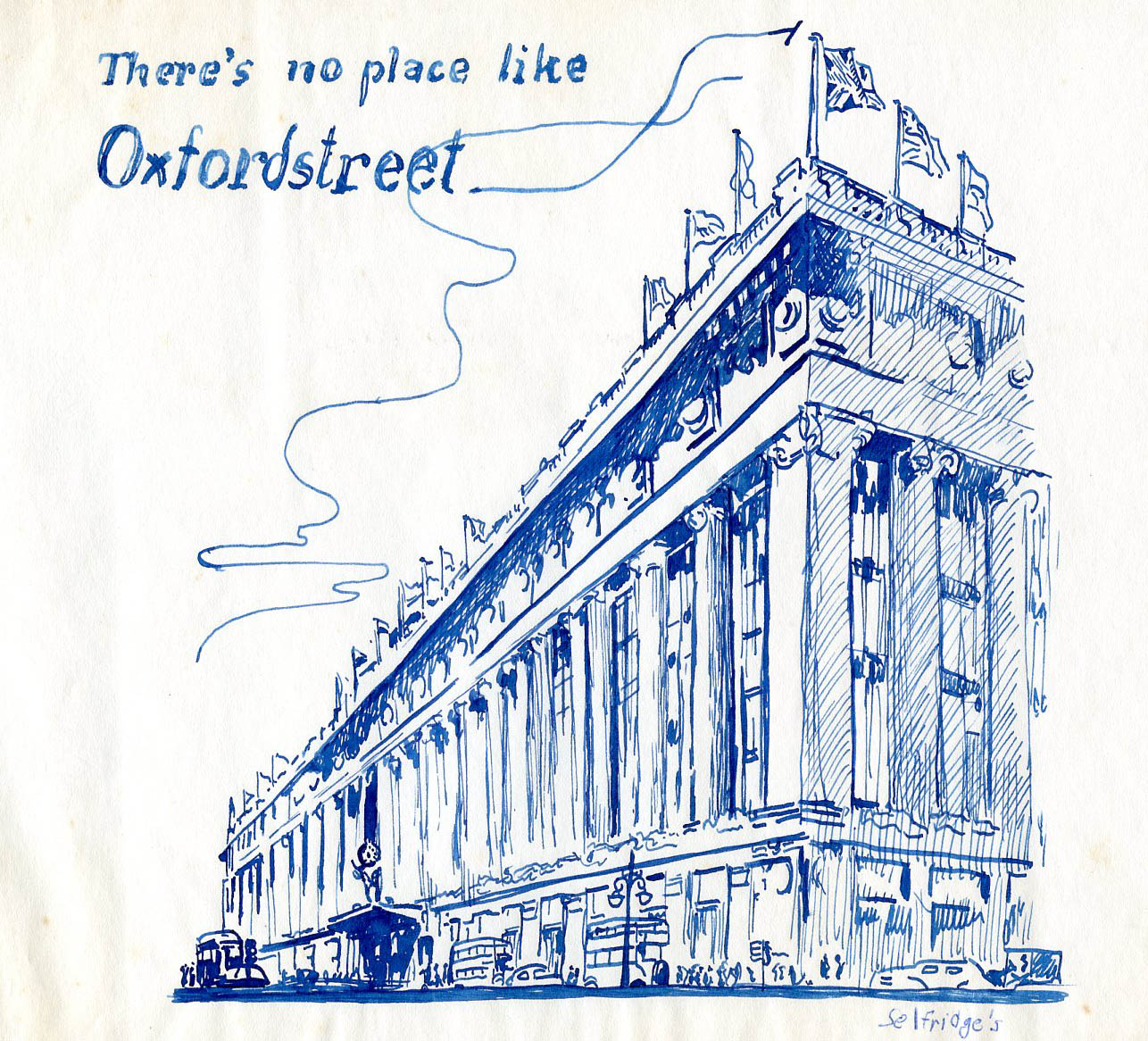
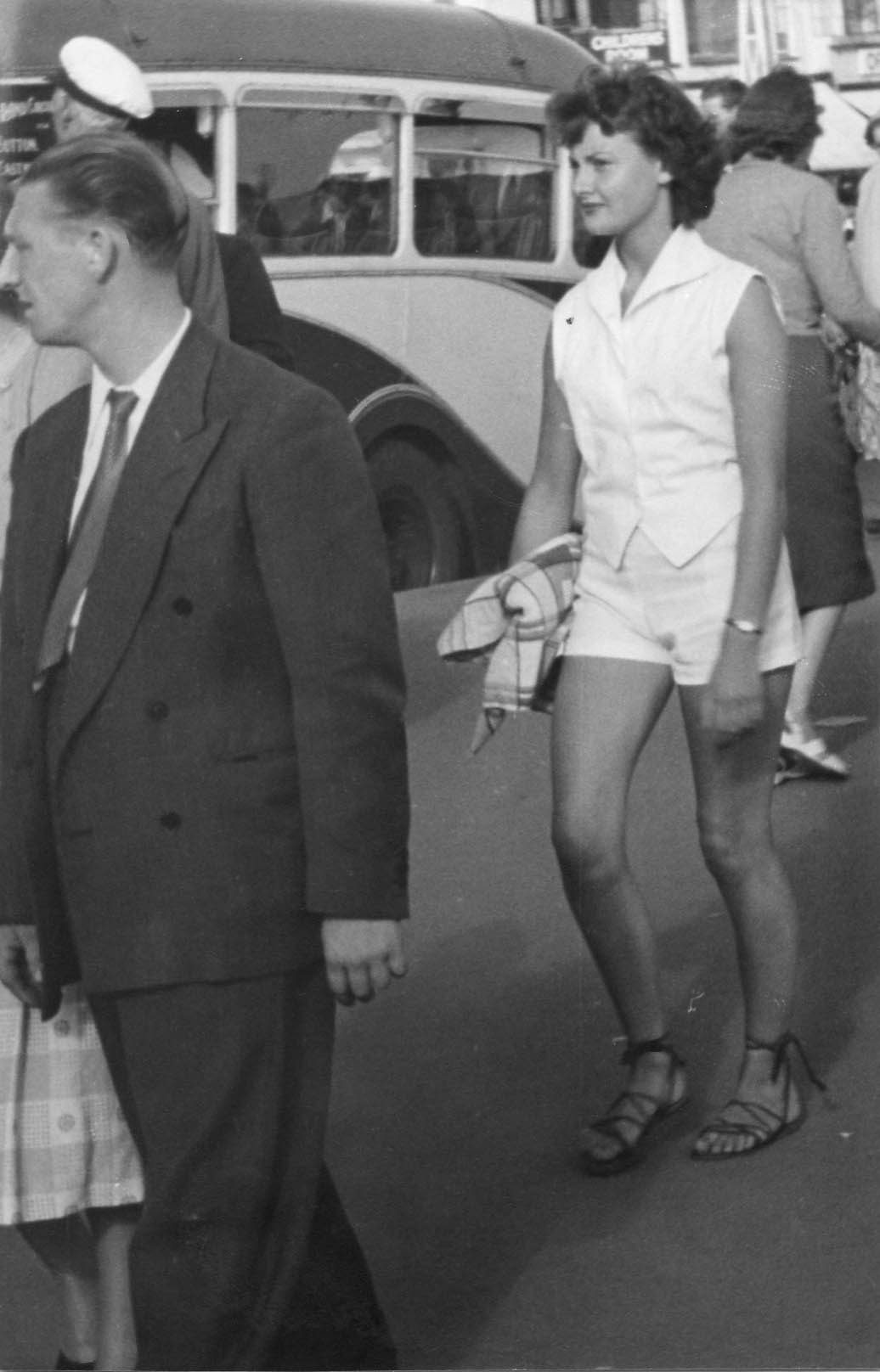

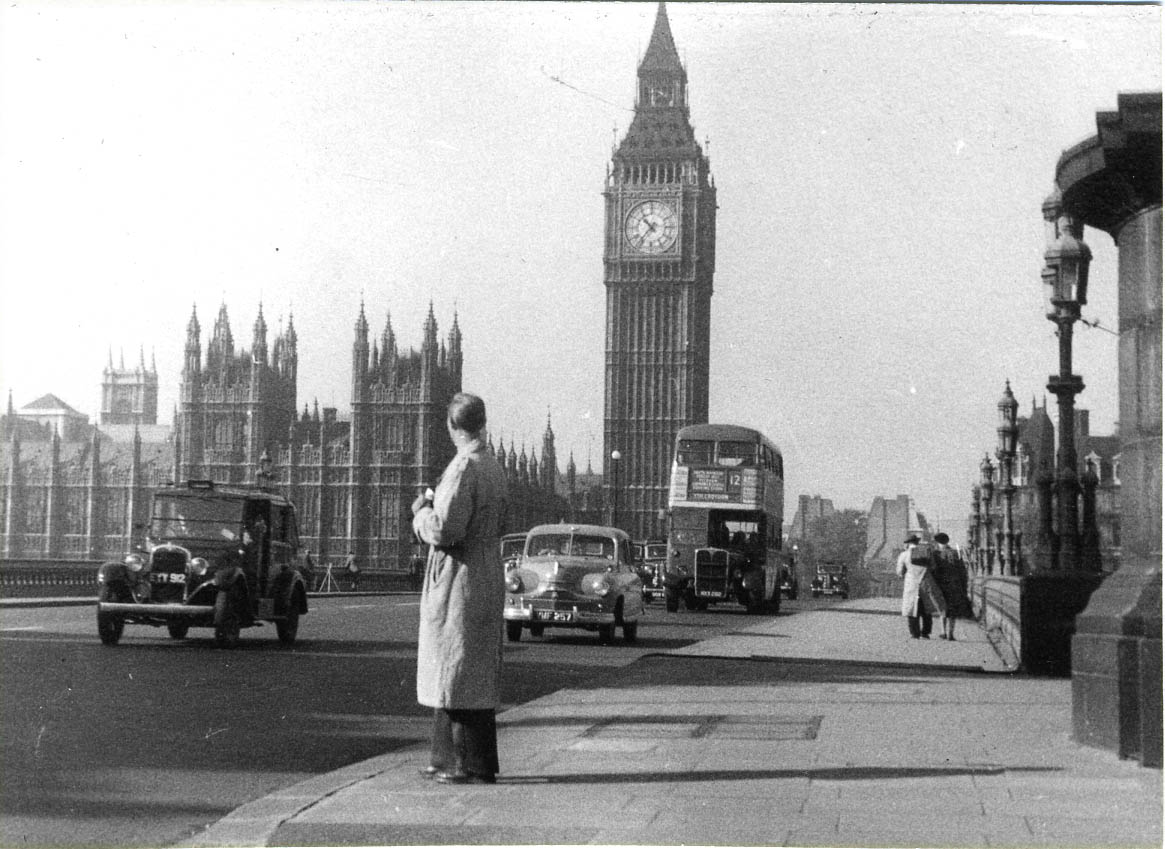
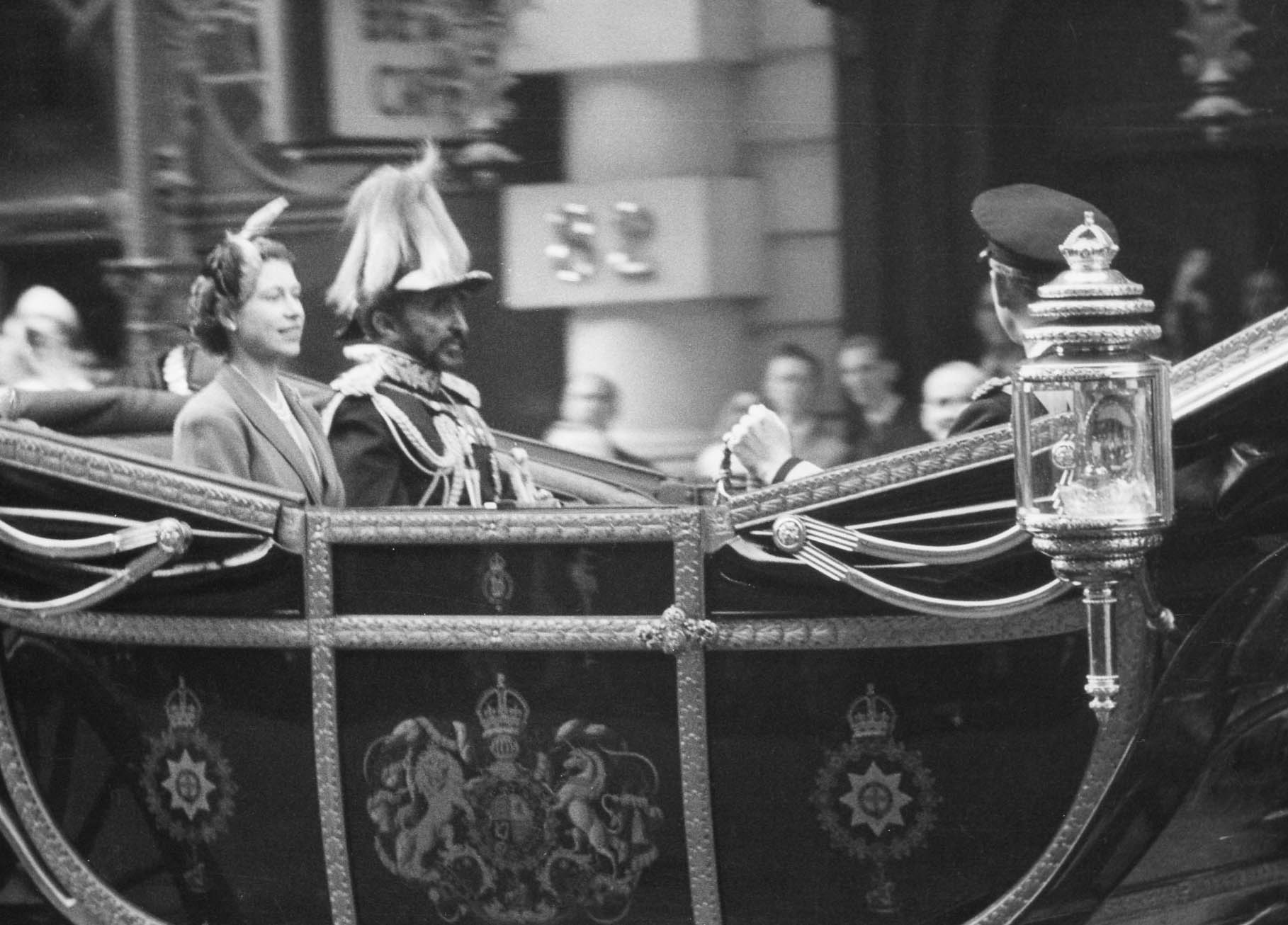


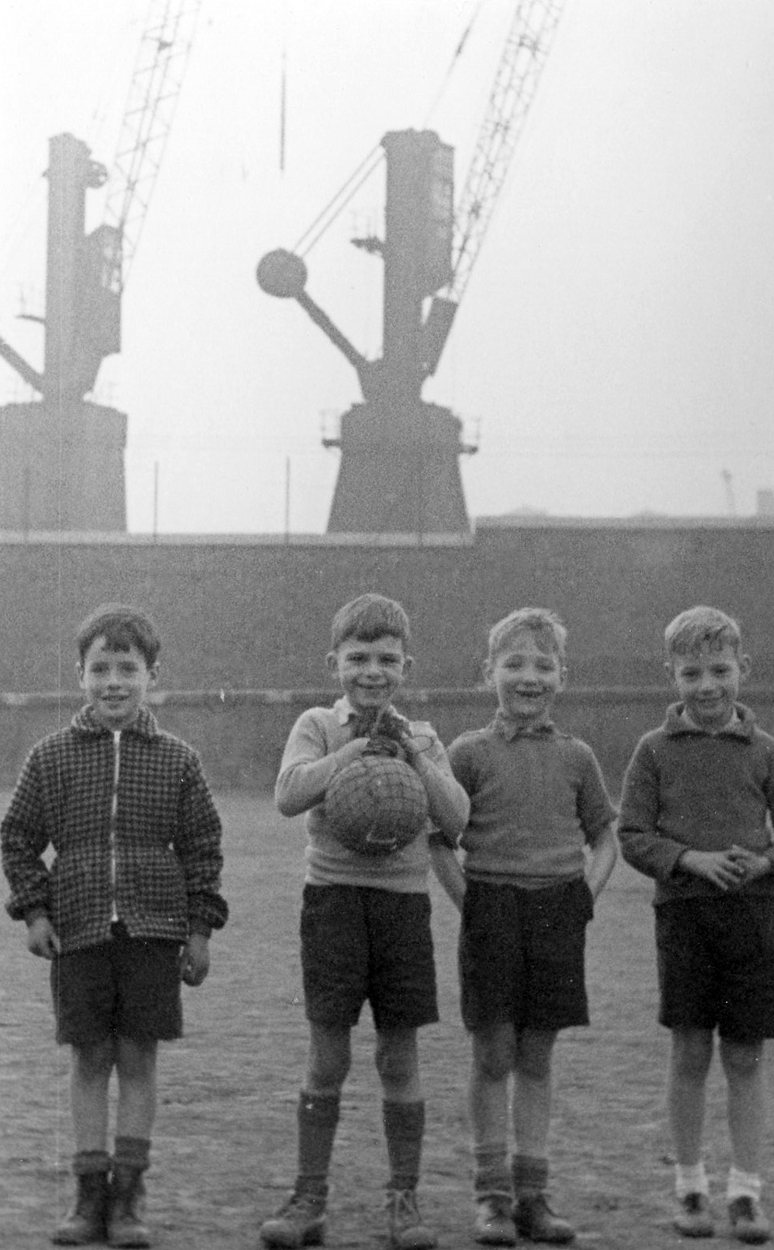


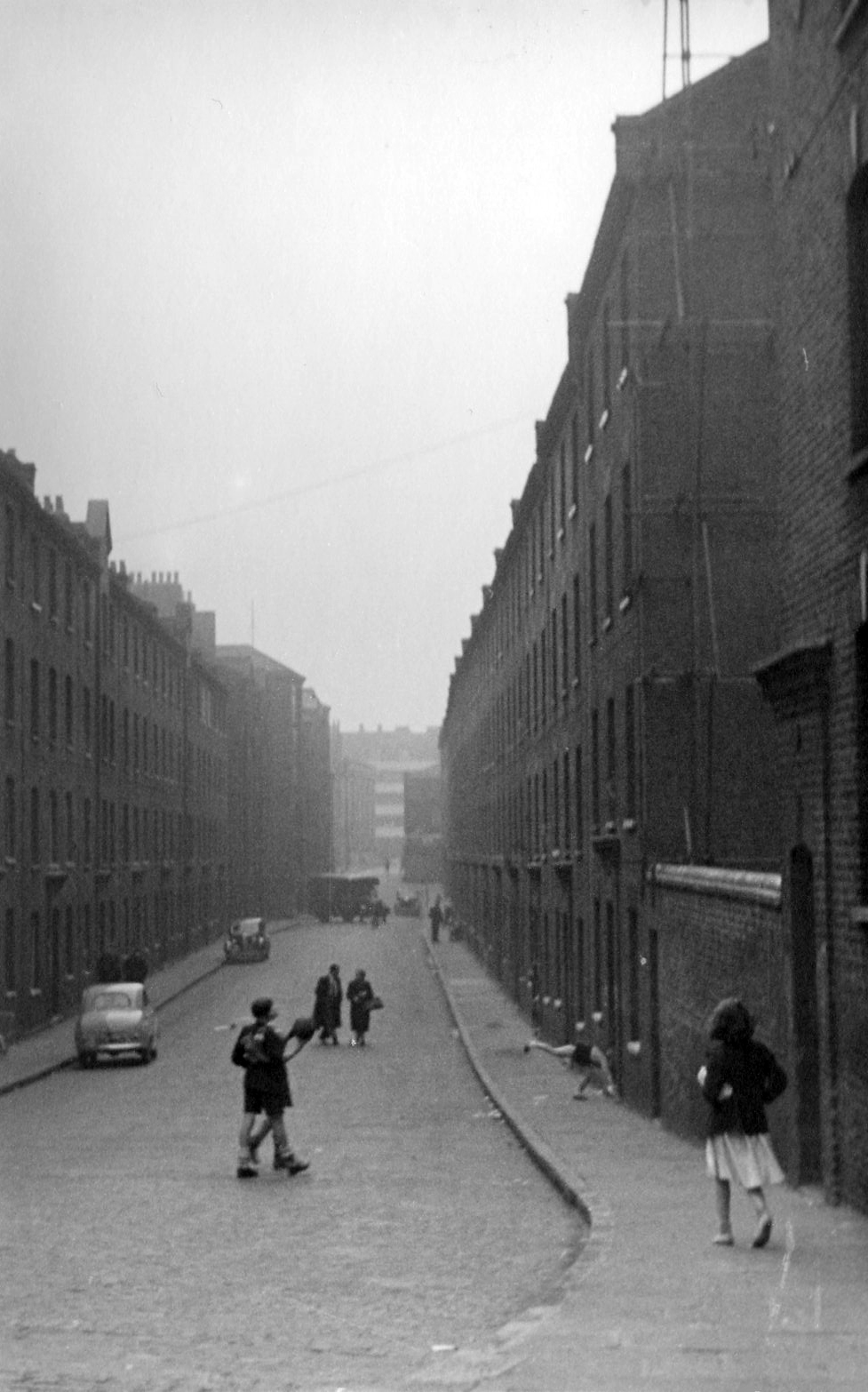


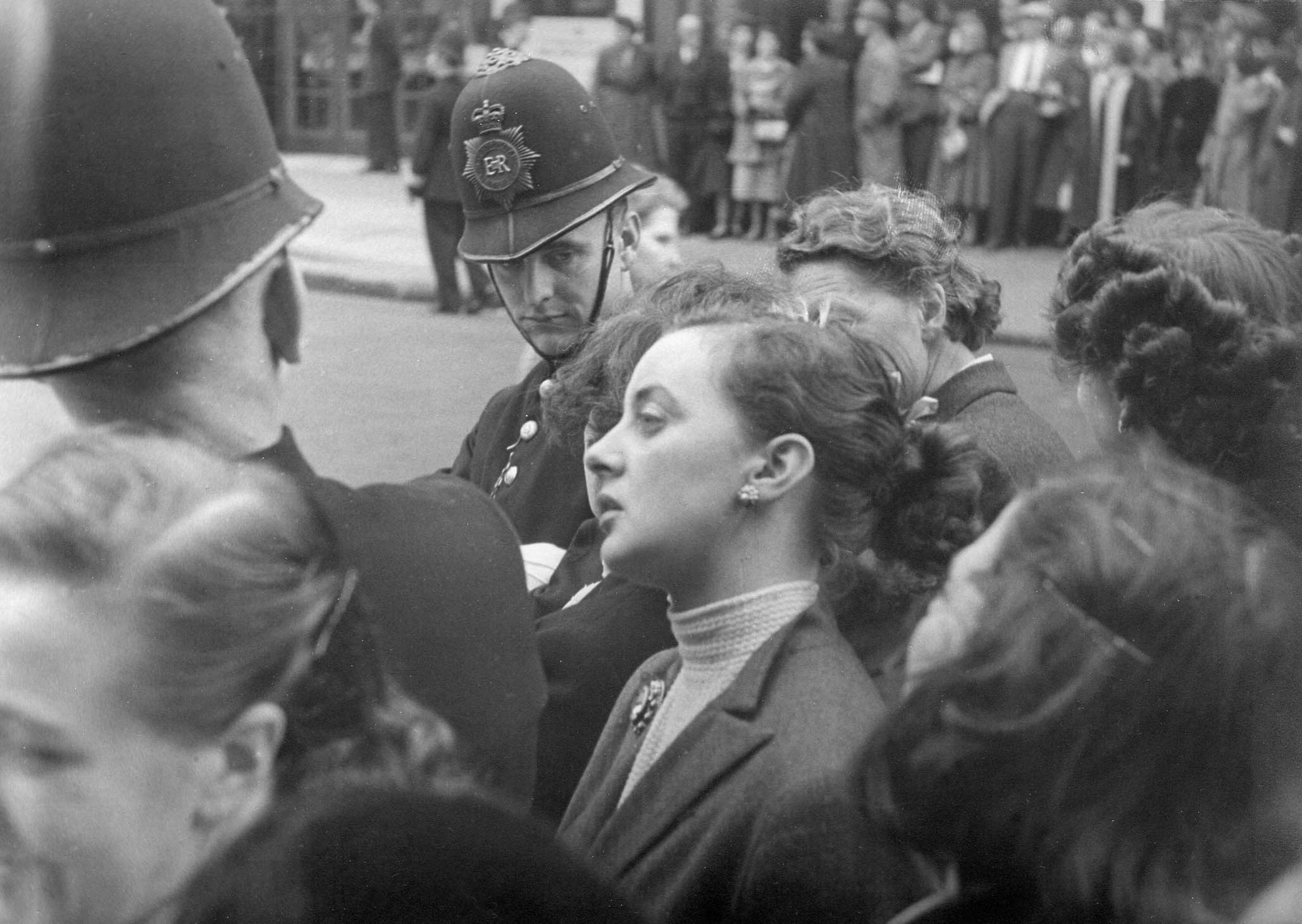
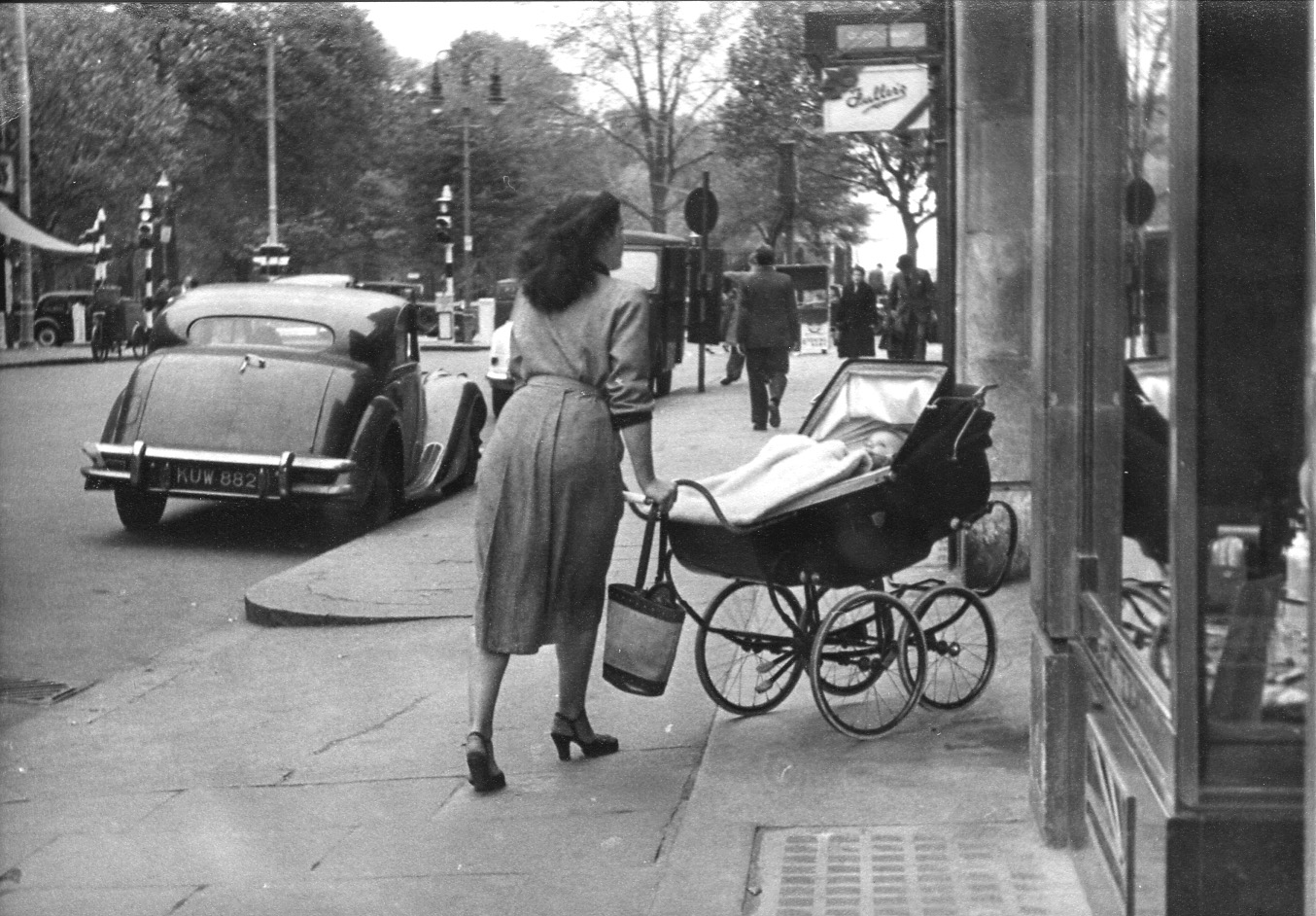




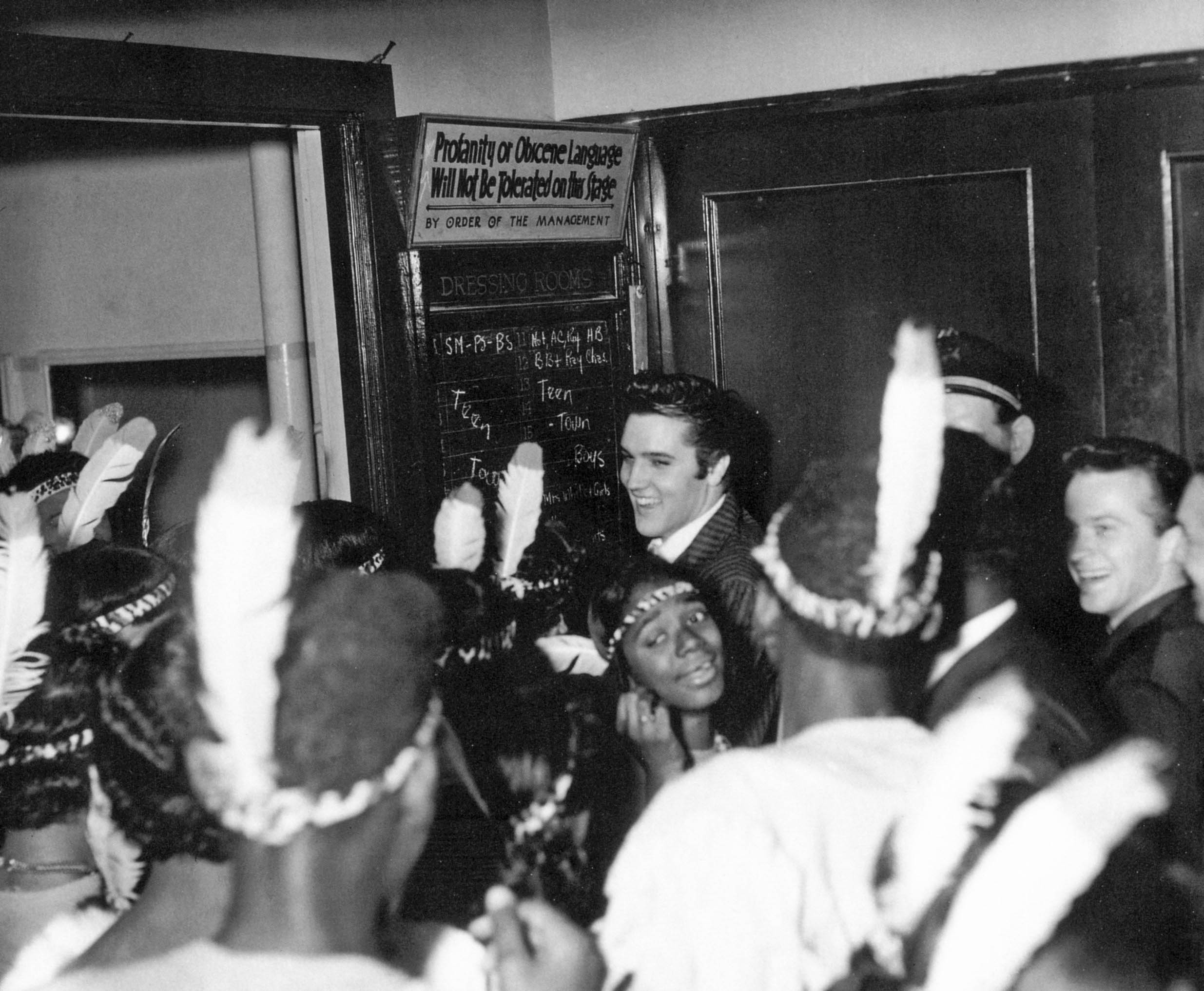




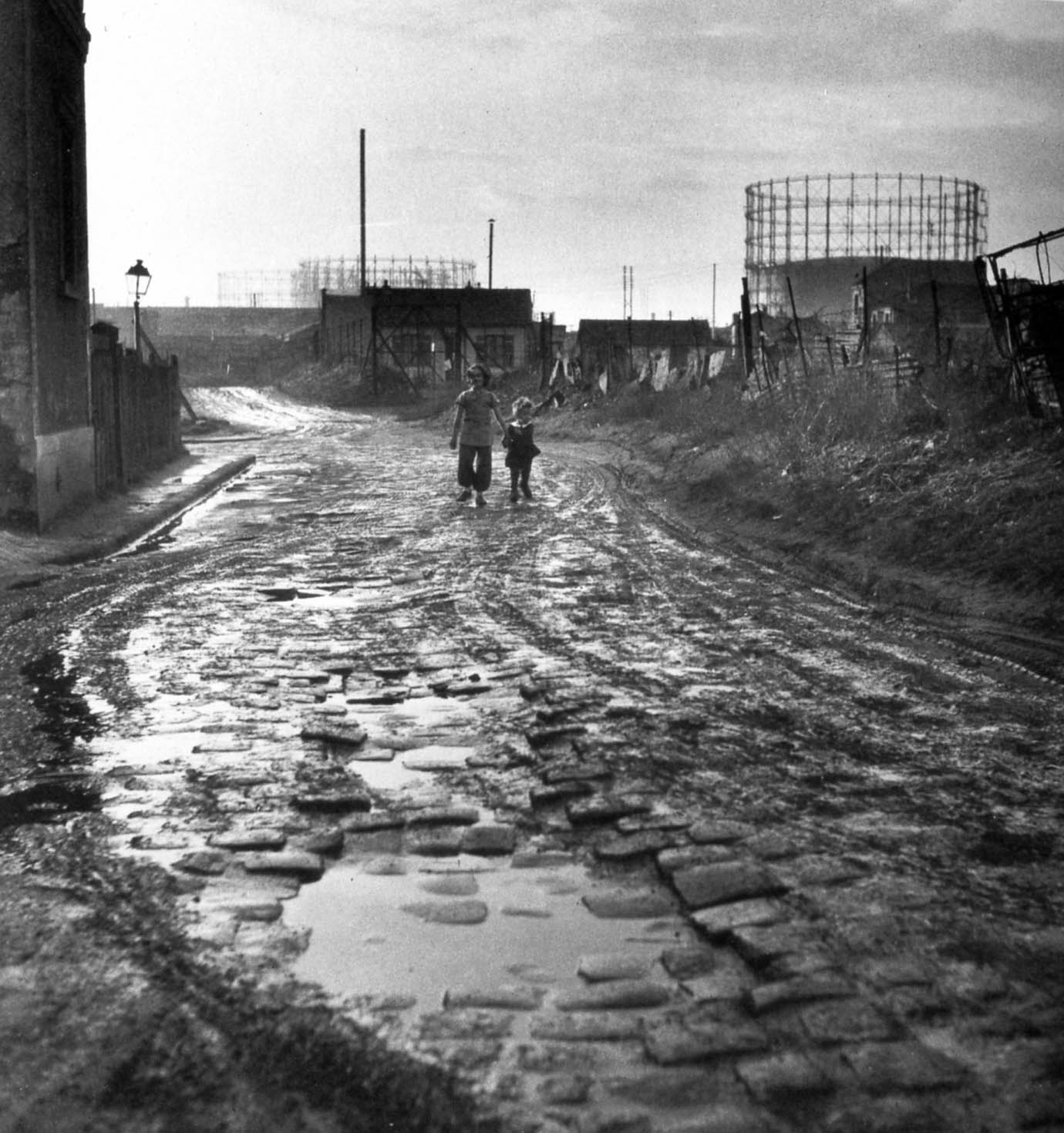


 pete grafton
